
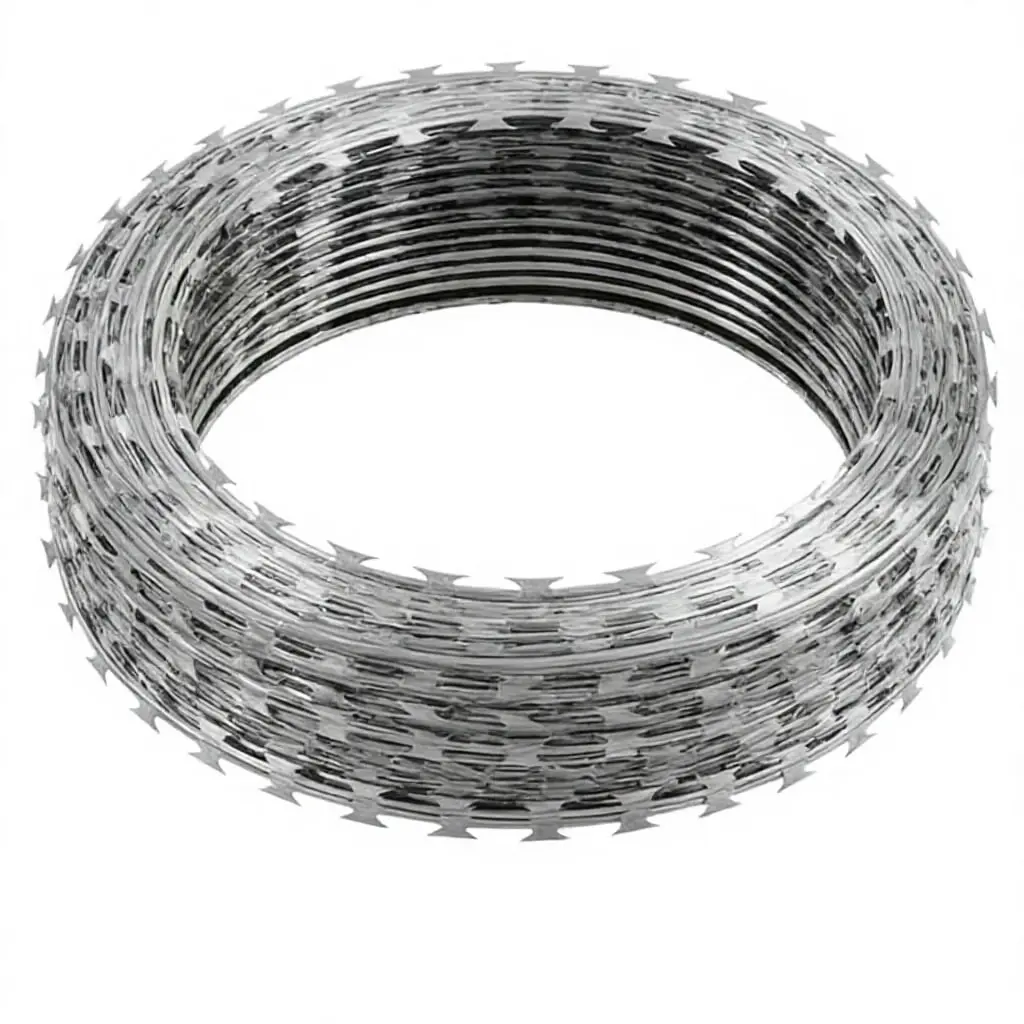
Define the coil in its intended state
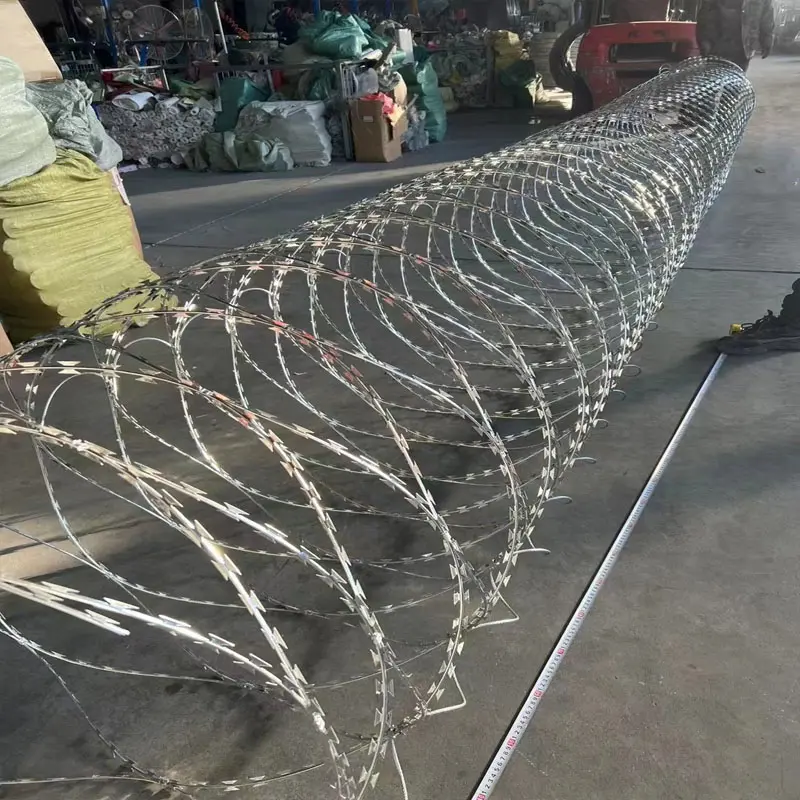
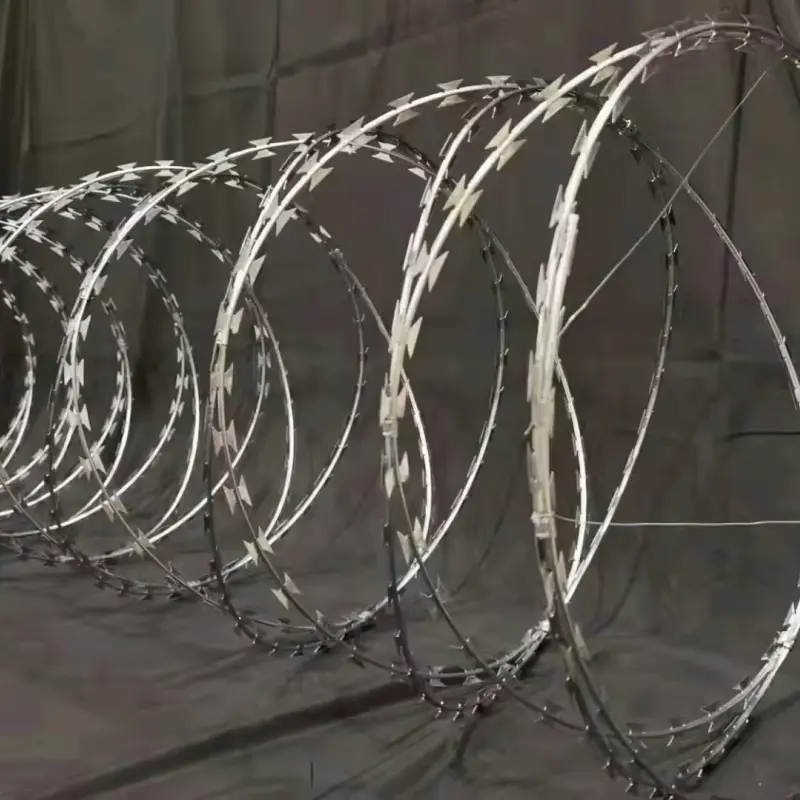
Record coil diameter, construction and the basis used for deployed length. Extending a coil changes the spacing between its turns; a quoted length without that context can produce an incorrect material estimate.
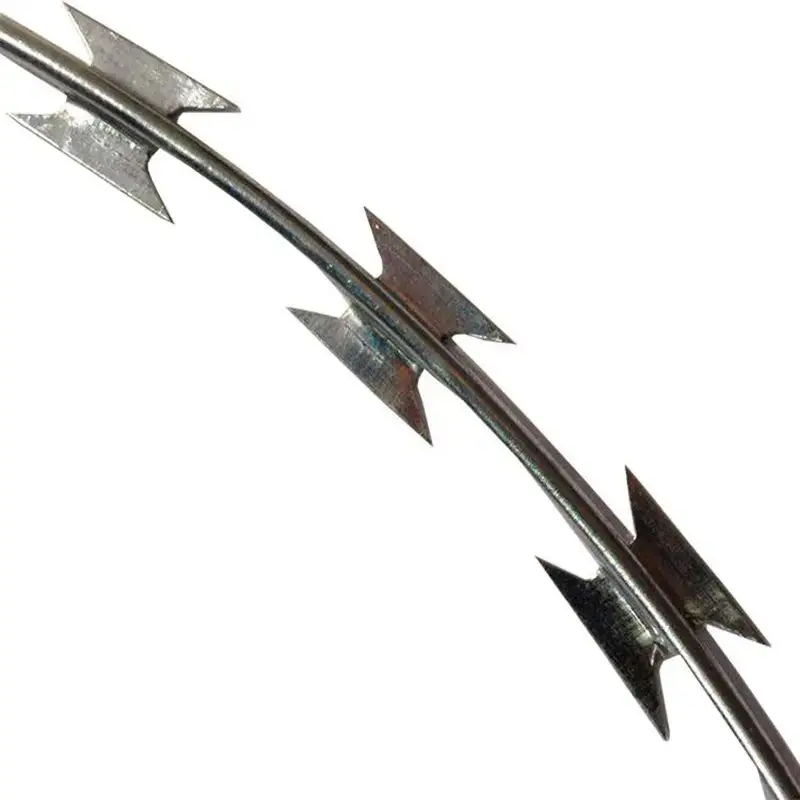
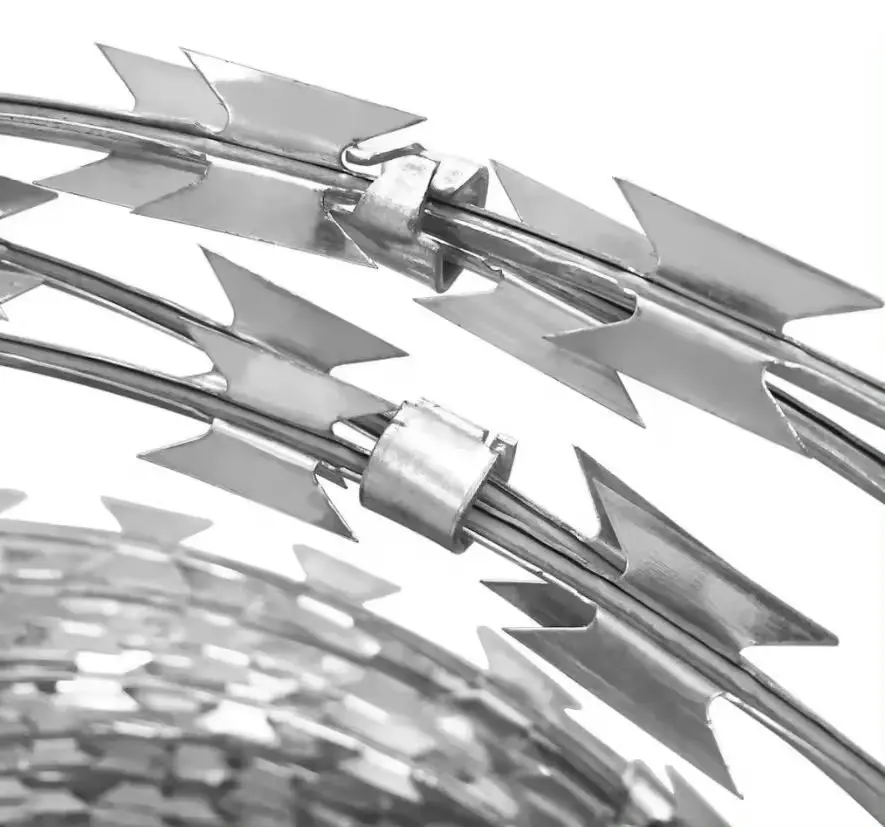
Identify the blade profile and strip material separately from the core wire. Similar coil diameters do not establish the same blade geometry or material specification.
| Product field | Purpose |
|---|---|
| Core wire | Identifies the supporting wire |
| Blade strip | Defines profile, material and thickness |
| Coil arrangement | Describes linked turns and overall form |
| Deployment basis | Relates supplied quantity to intended coverage |
| Packing | Defines protection and handling units |
Check the space around the topping
The installed coil has a footprint as well as a height. Coordinate it with the supporting brackets, adjoining property, access routes and maintenance space.
Suitability, permitted placement, warnings and the installation method require assessment for the site. The product name does not establish a security rating or authorise a particular boundary arrangement.

Price the specified package
Separate coils from supporting brackets, attachment parts and any other agreed components. Use a drawing or product reference to identify replacement material.
For straight-strand topping requirements, barbed wire is a different construction. Do not substitute one for the other based only on an overall length.

Arrange controlled handling
Keep the product contained and clearly identified during transport and storage. Installation and removal should be planned by personnel trained and equipped for sharp, springing coils. Include any receiving or packing constraints in the enquiry so they can be considered before dispatch.