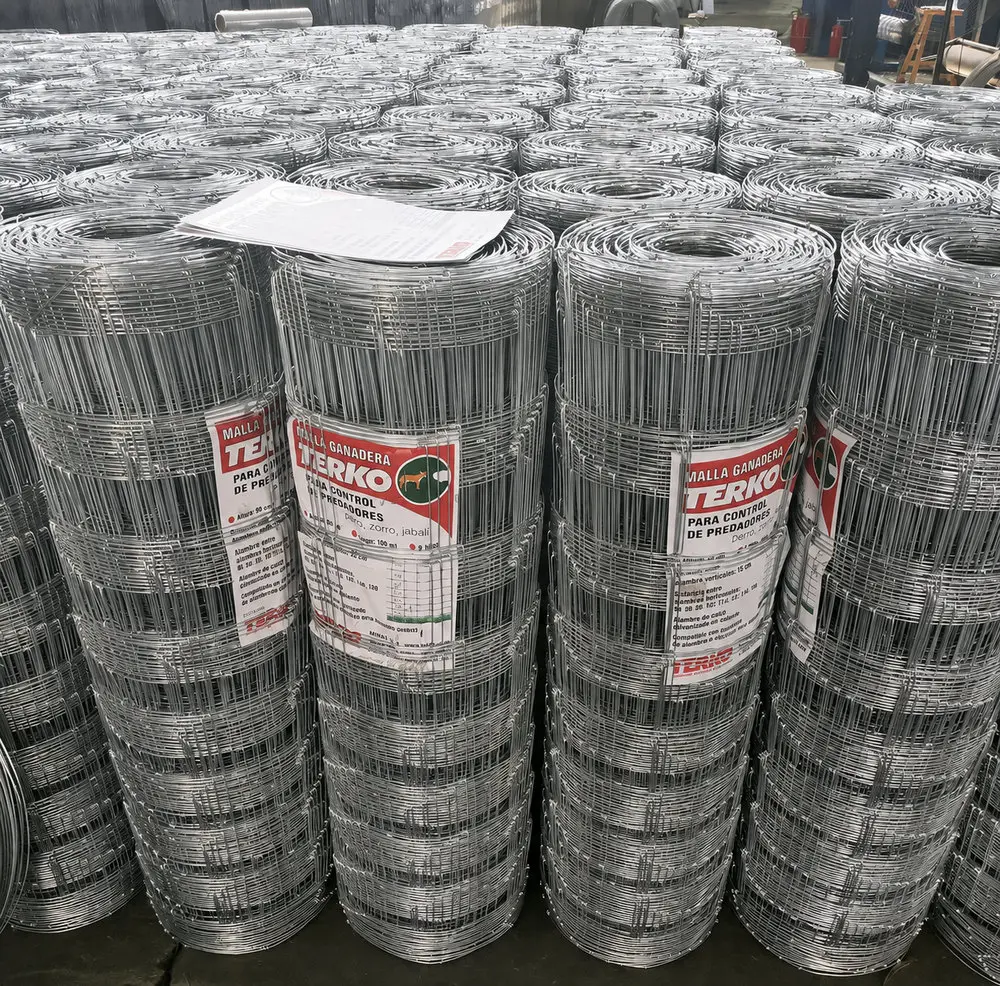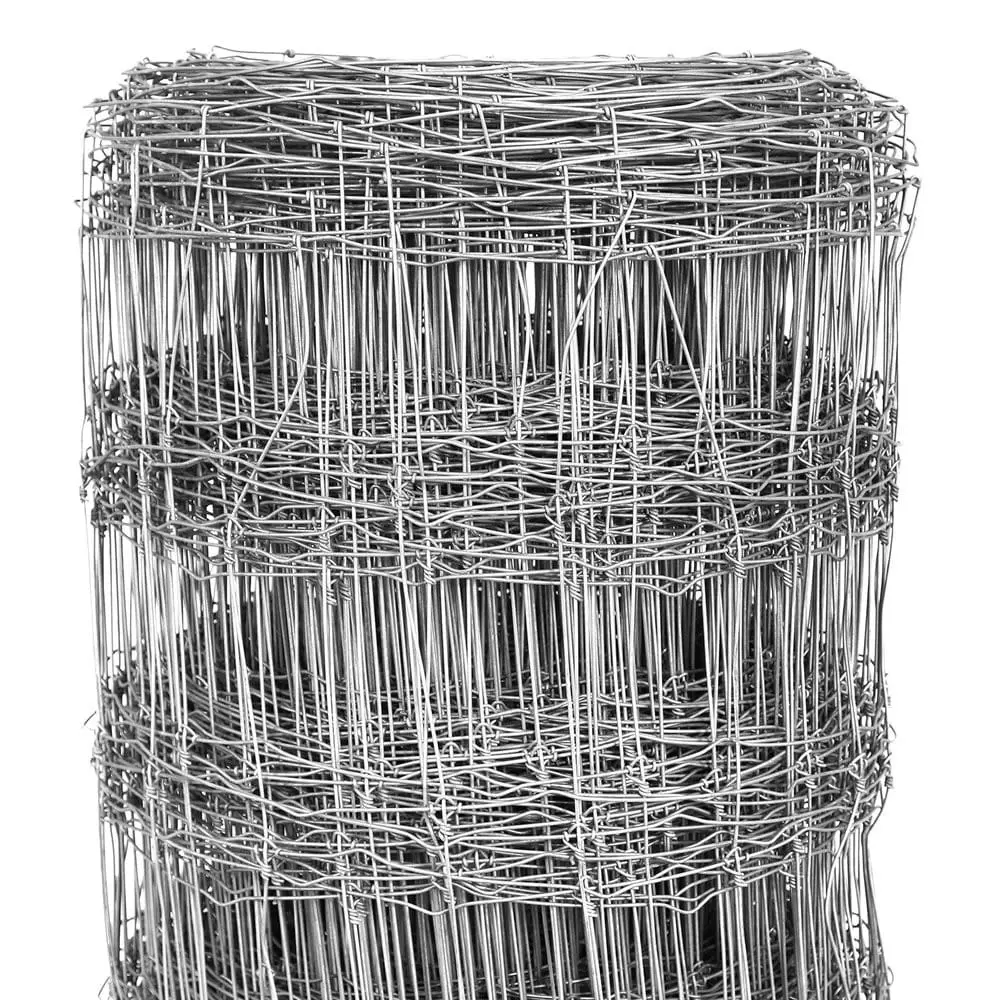
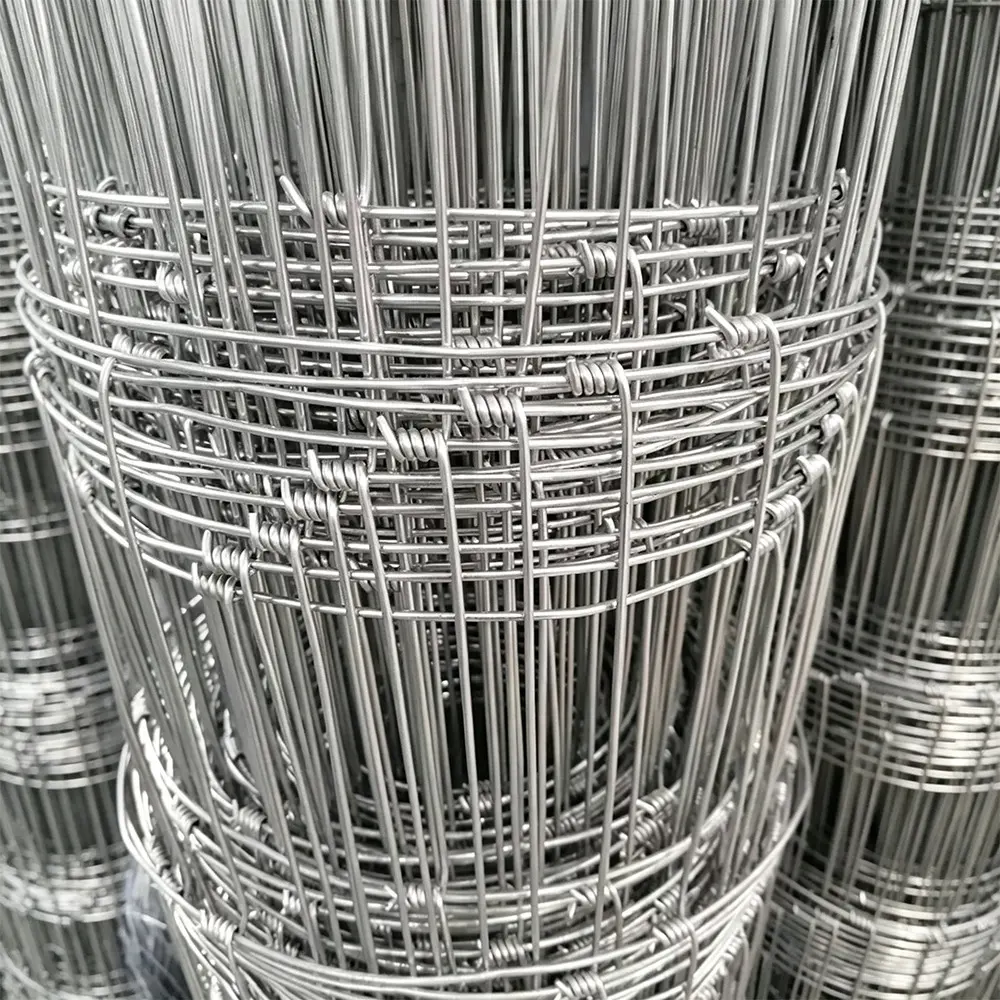
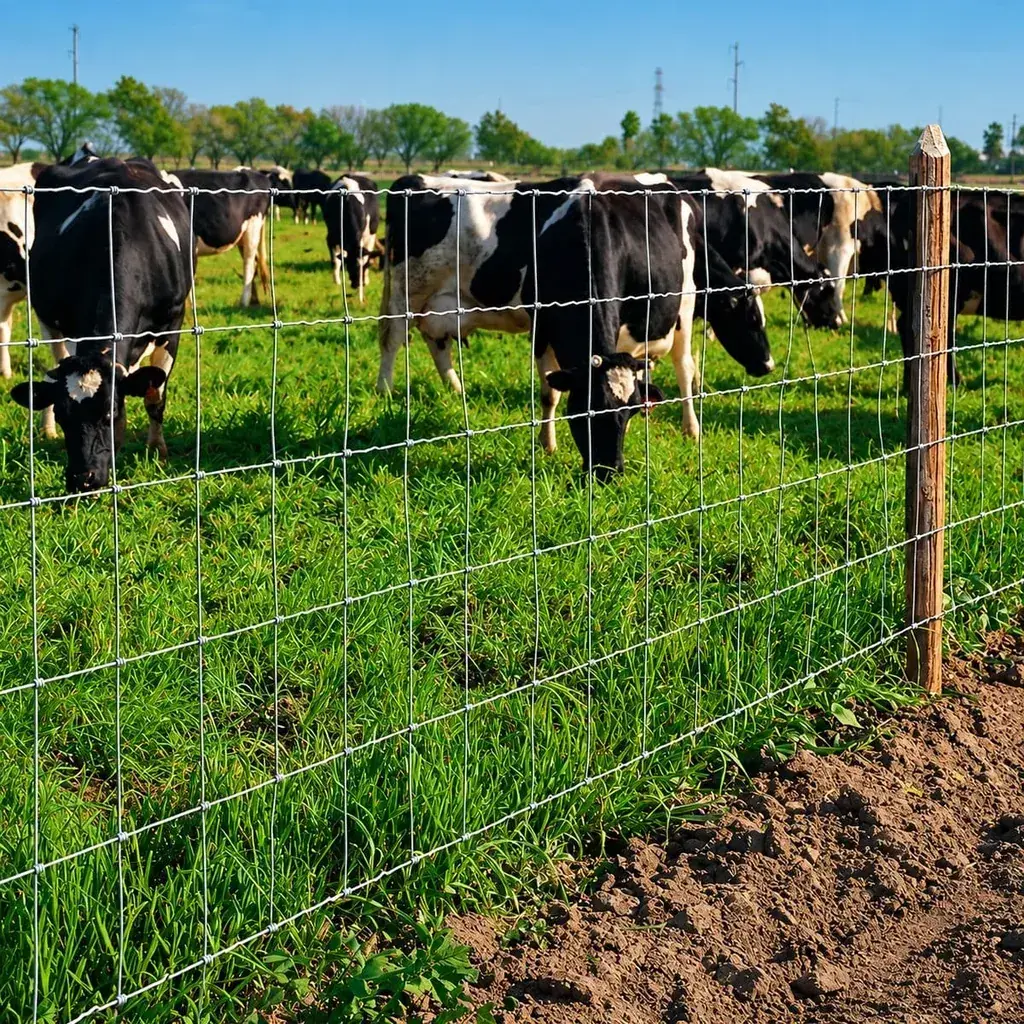
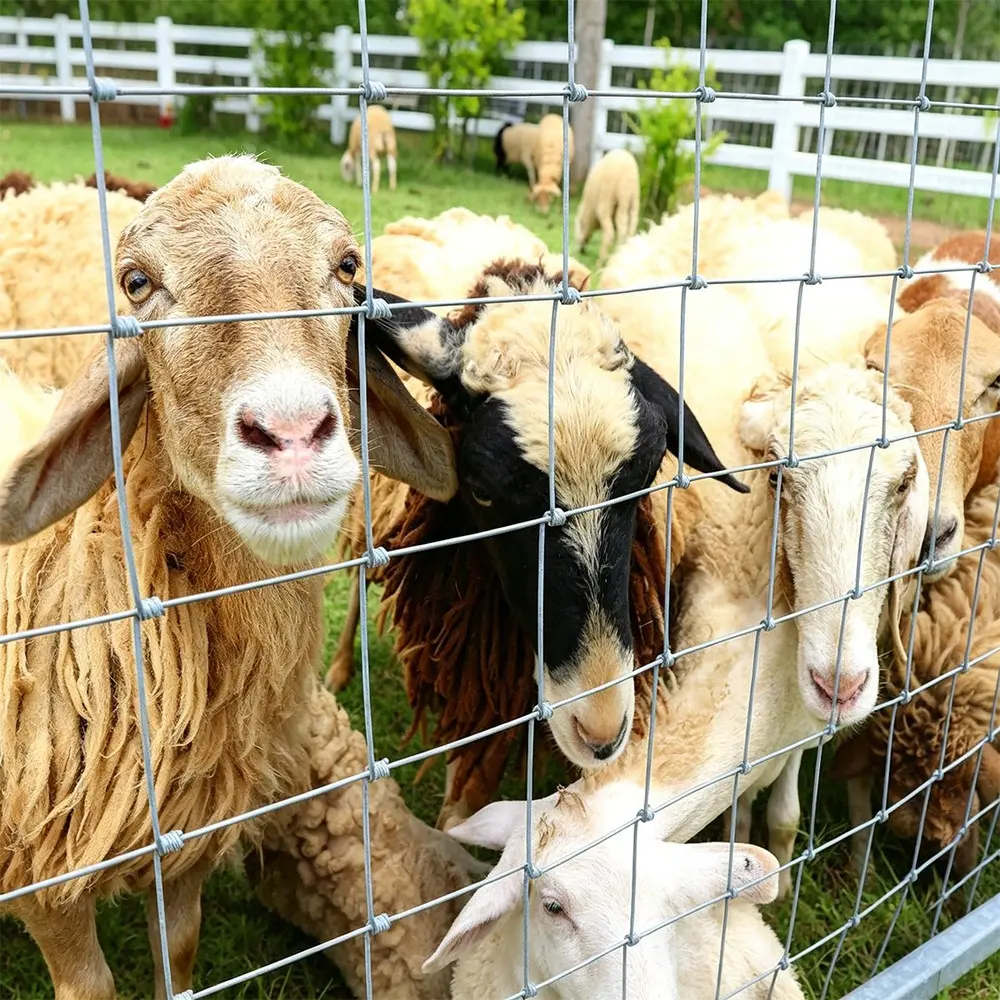
Select the pattern for the stock
The lower and upper openings may differ within one roll. Specify the full spacing sequence rather than relying on overall fence height. Consider livestock size, age and behaviour with the farm's fencing adviser; a description such as “field fence” does not resolve those choices.
Wire grade and tensioning requirements can differ between products with the same knot type. Do not use a single installation tension for every hinge-joint roll.
Use a schedule that describes the roll
| Field | What to state |
|---|---|
| Overall height | Finished mesh height and units |
| Horizontal lines | Number and spacing sequence |
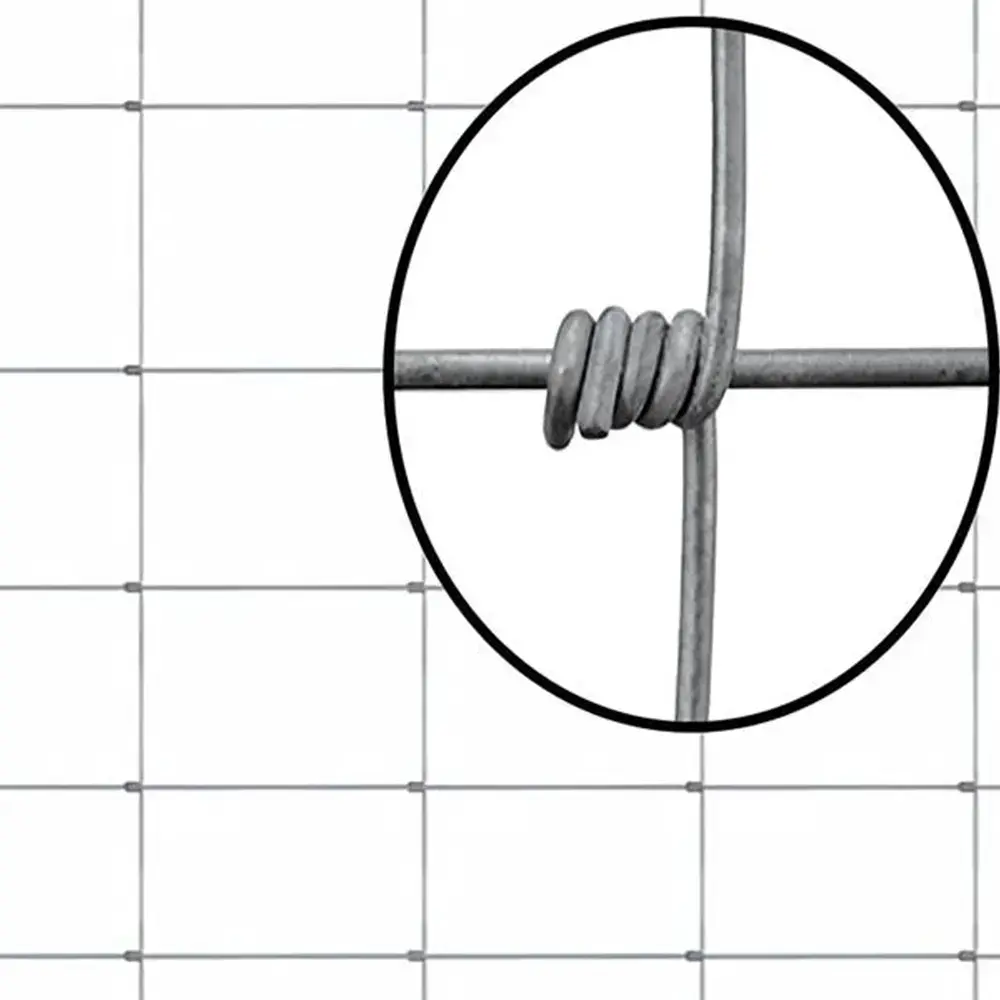
| Vertical sections | Stay spacing and junction construction |
| Wire | Measurement basis, grade and coating |
| Roll | Finished length, quantity and labelling |
Roll dimensions from a reference catalogue are not automatically available FencingWise models. The accepted offer identifies the actual specification and supply arrangement.
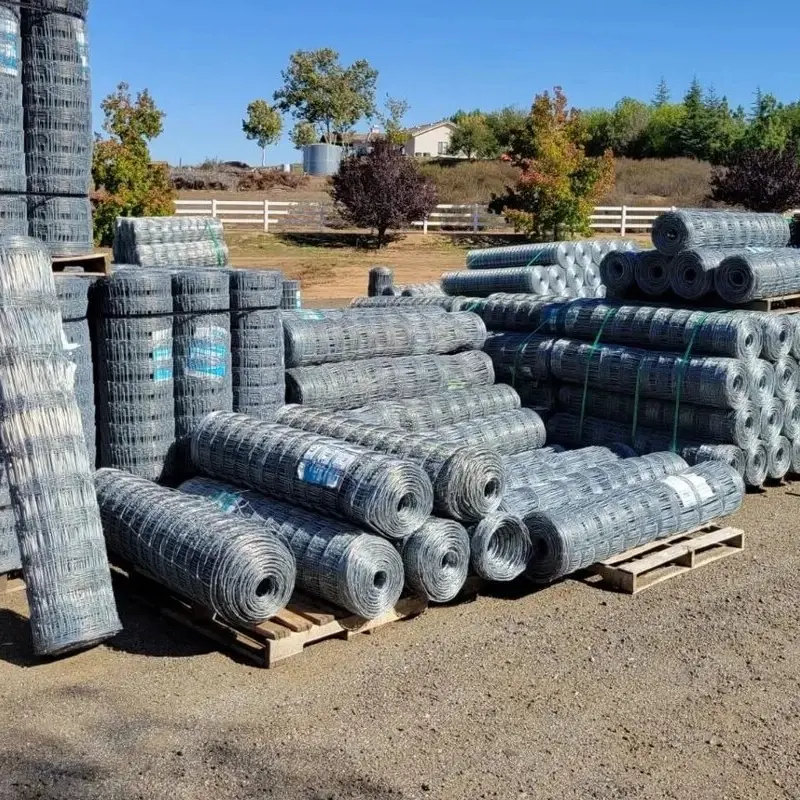
Plan terminations and changes of direction
Use the selected system's strainer, corner and line-post arrangement. Ground profile affects how the fence is set out and tensioned. The flexibility of a hinge joint does not remove the need to resolve steep changes of level or suitable end support.
Keep joining and tensioning information with the installation package. Protect the mesh during unloading so that bent line wires and damaged coatings are identified before erection.