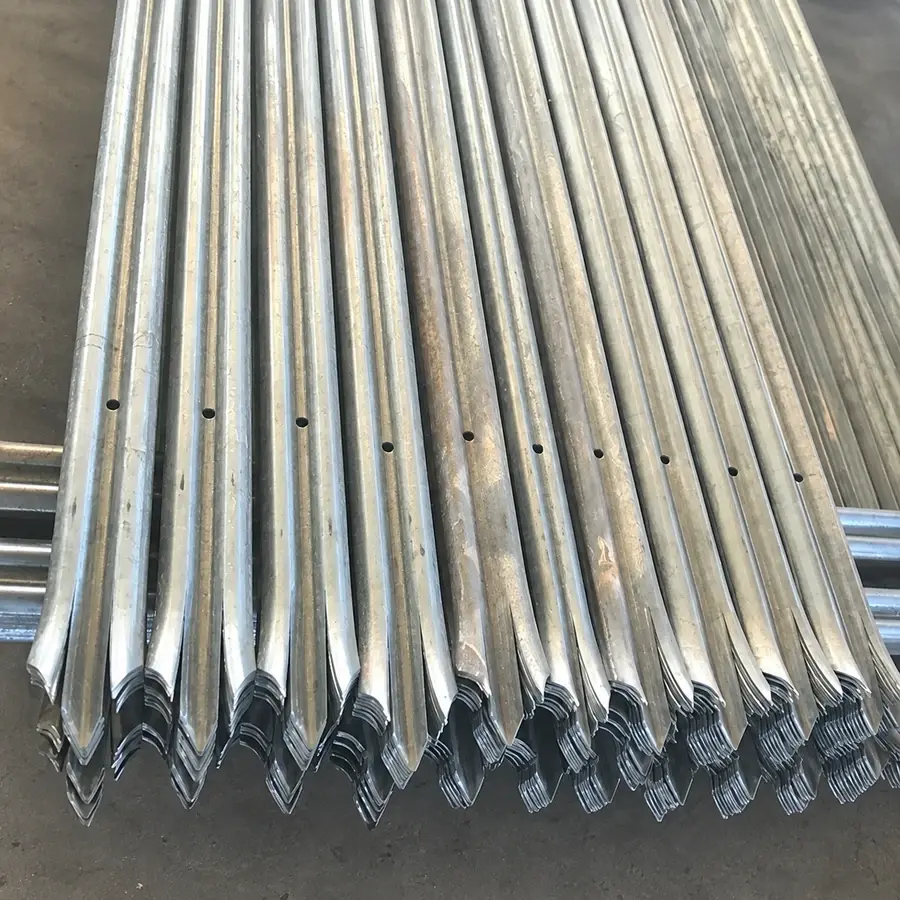
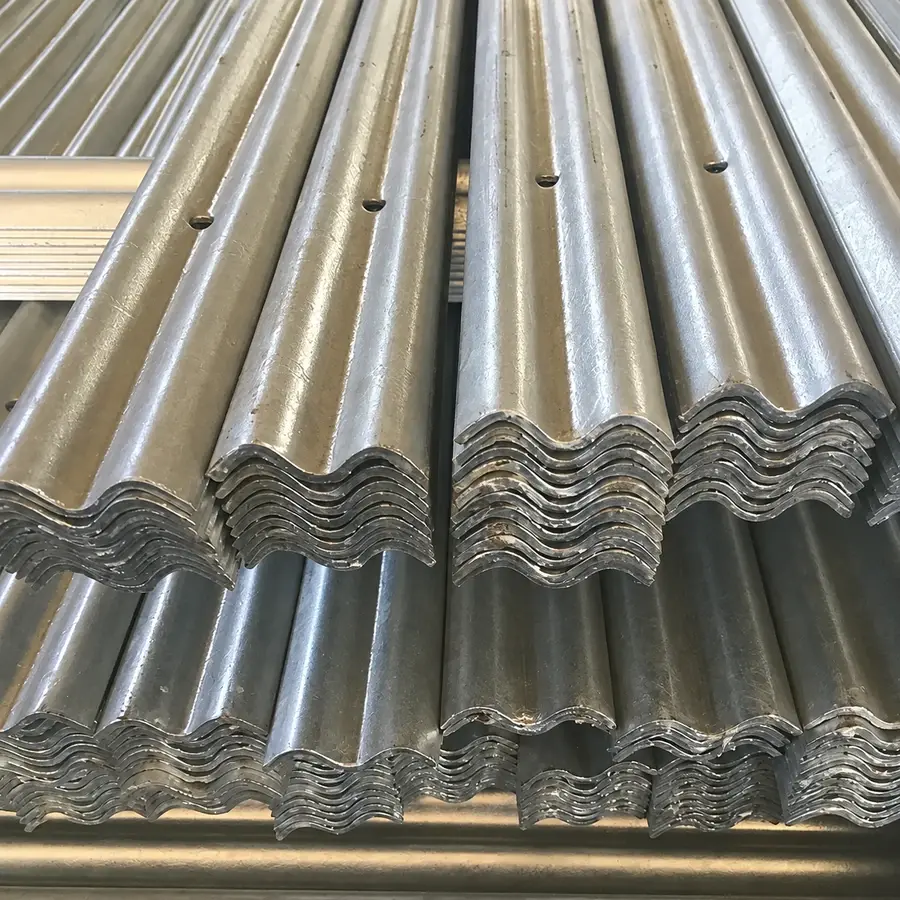
Describe the pale before counting the bays
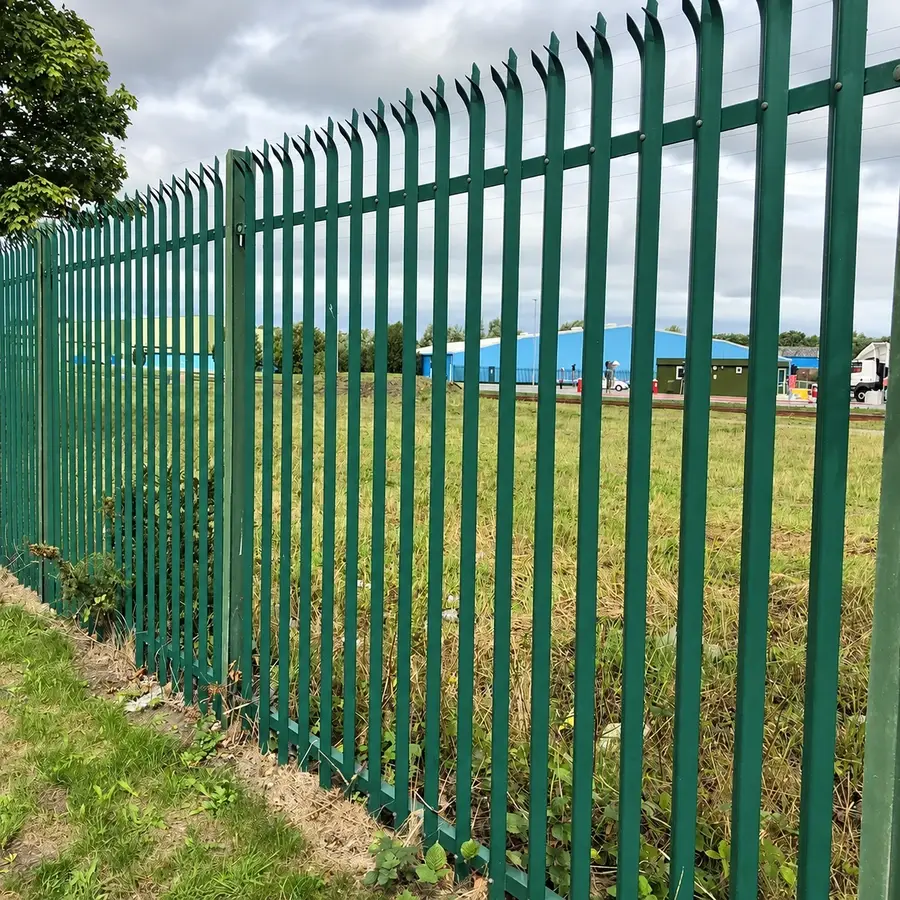
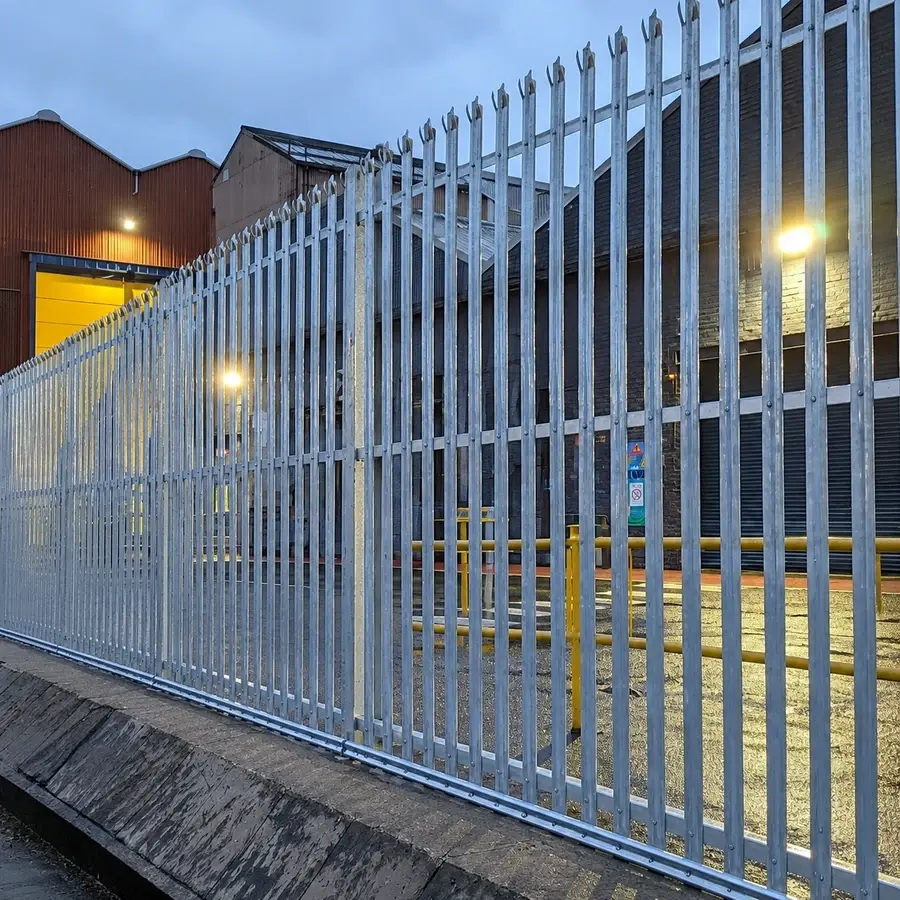
Identify the pale's cross-section, thickness, length and top detail. A nominal face width does not fully describe a formed section, so include a cross-sectional drawing where the order must match an existing fence.
State the clear spacing or centre spacing explicitly. The pale profile affects the relationship between those measurements. Include the end spacing at each post as well as the repeating spacing within the bay.
Follow both connections through the assembly
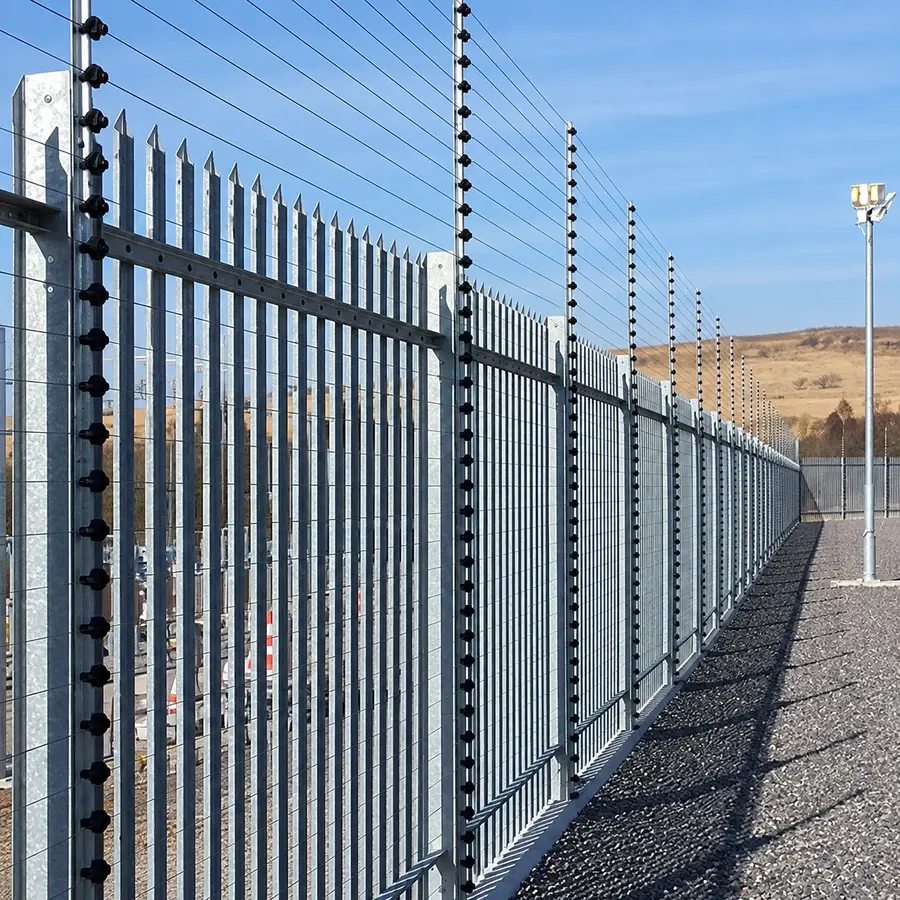
Each pale connects to the rails, and the rails connect to the posts. These are separate joints with different fittings. A component list should distinguish their fasteners, connection plates and any other specified pieces.
| Assembly level | Parts to identify |
|---|---|
| Pale | Formed section, top detail and fixing positions |
| Rail | Section, finished length and connection holes |
| Bay | Pale quantity and spacing, rail positions and post interfaces |
| Fence run | Intermediate, end and corner posts, openings and closing bays |
List anti-tamper fasteners by joint rather than as one undifferentiated bag quantity. Specify any required installation tooling at the same time.
Show slopes and short bays in the elevation
Changes in ground level affect the lower clearance and how neighbouring rails meet their posts. A fence elevation should show these transitions and distinguish stepped or specially detailed bays.
Do not assume that the last bay will be made by cutting a standard rail on site. A shortened bay can change pale spacing and connection positions. Establish the detail before finalising the parts list and finish requirements.
Keep the supplied finish identifiable
Identify the specified treatment for pales, rails, posts and fittings. Similar colour does not prove an identical coating system. For maintenance and repeat orders, retain the finish description with the relevant component drawings.
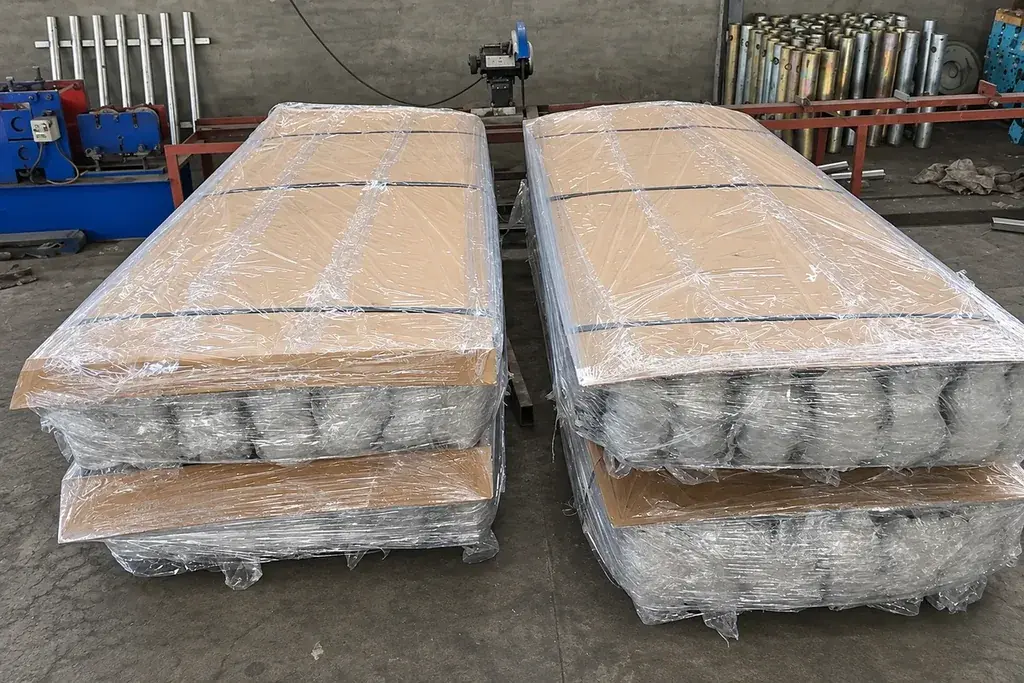
Pale and rail bundles should carry the bay or part references used on the order. This makes it easier to separate special lengths from regular components when the shipment is received.