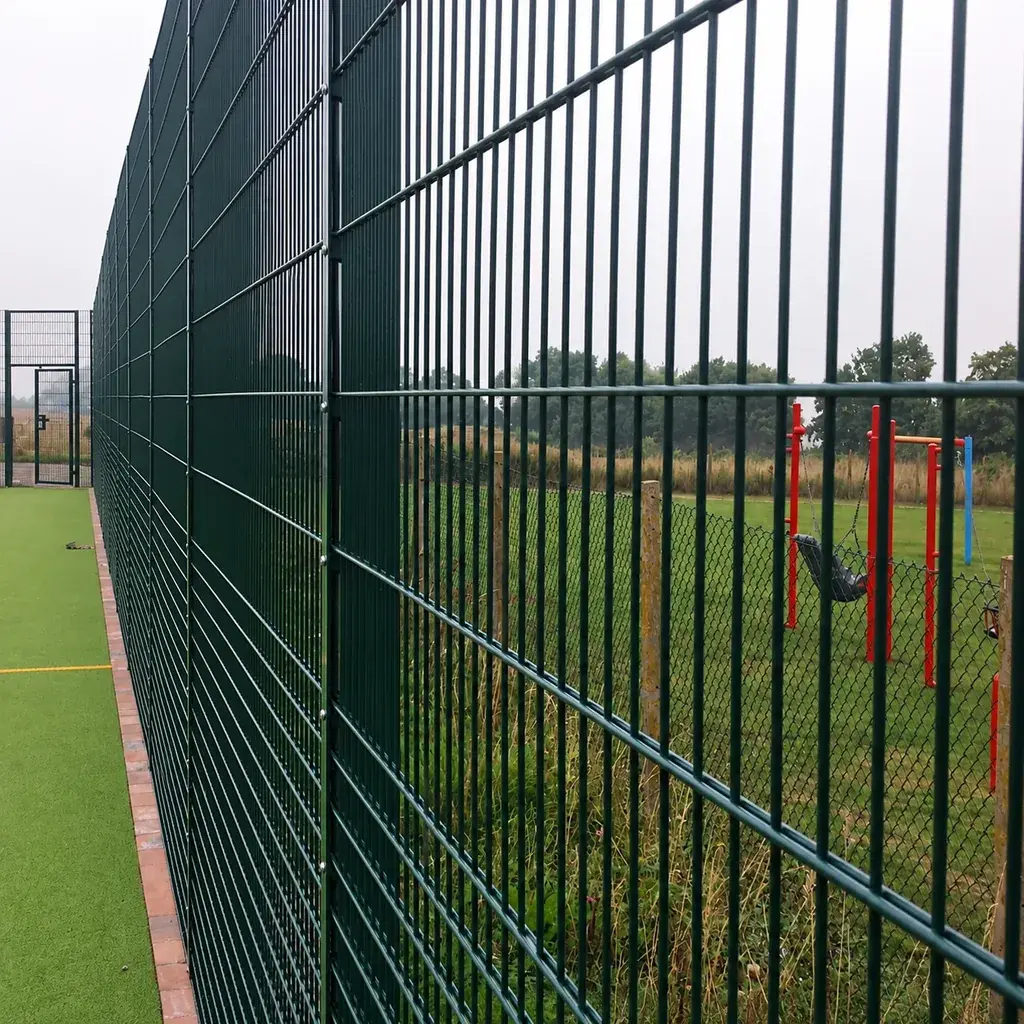
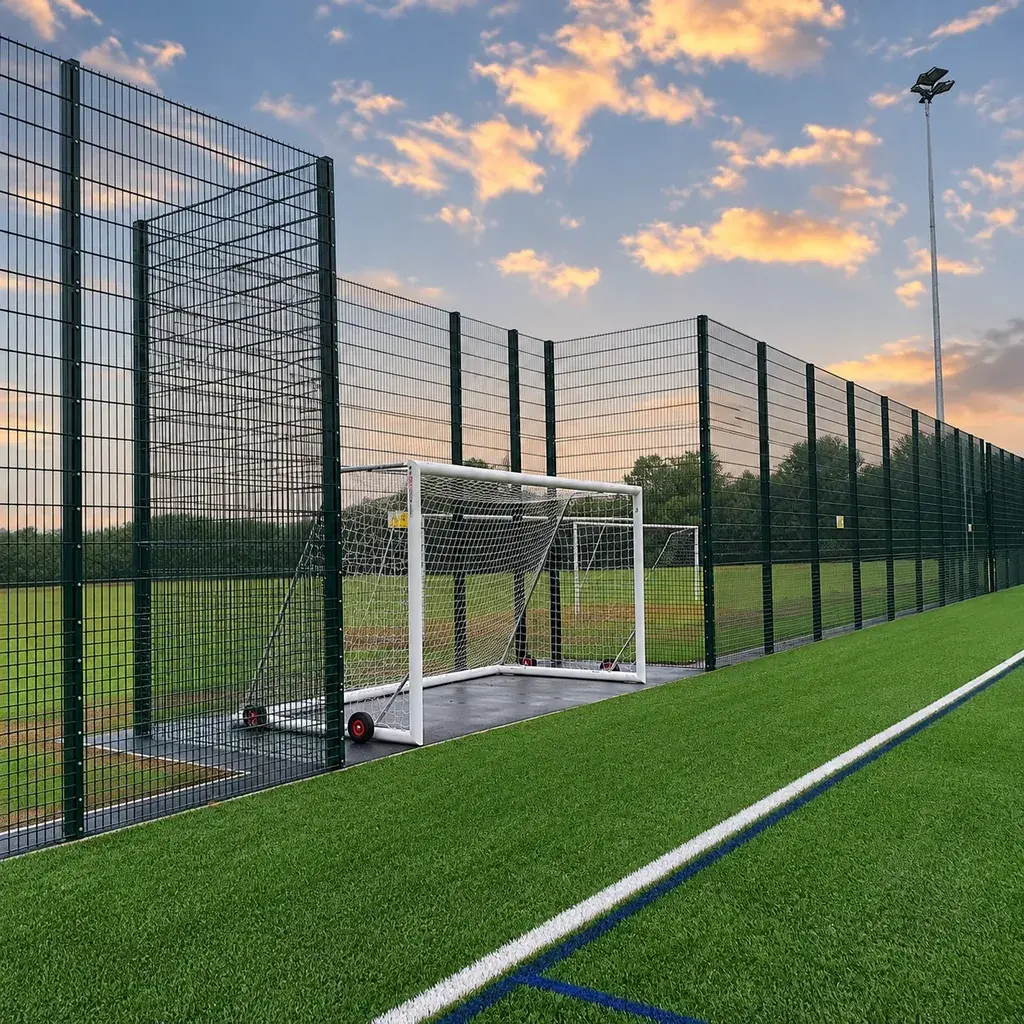
Describe the activity before choosing the panel
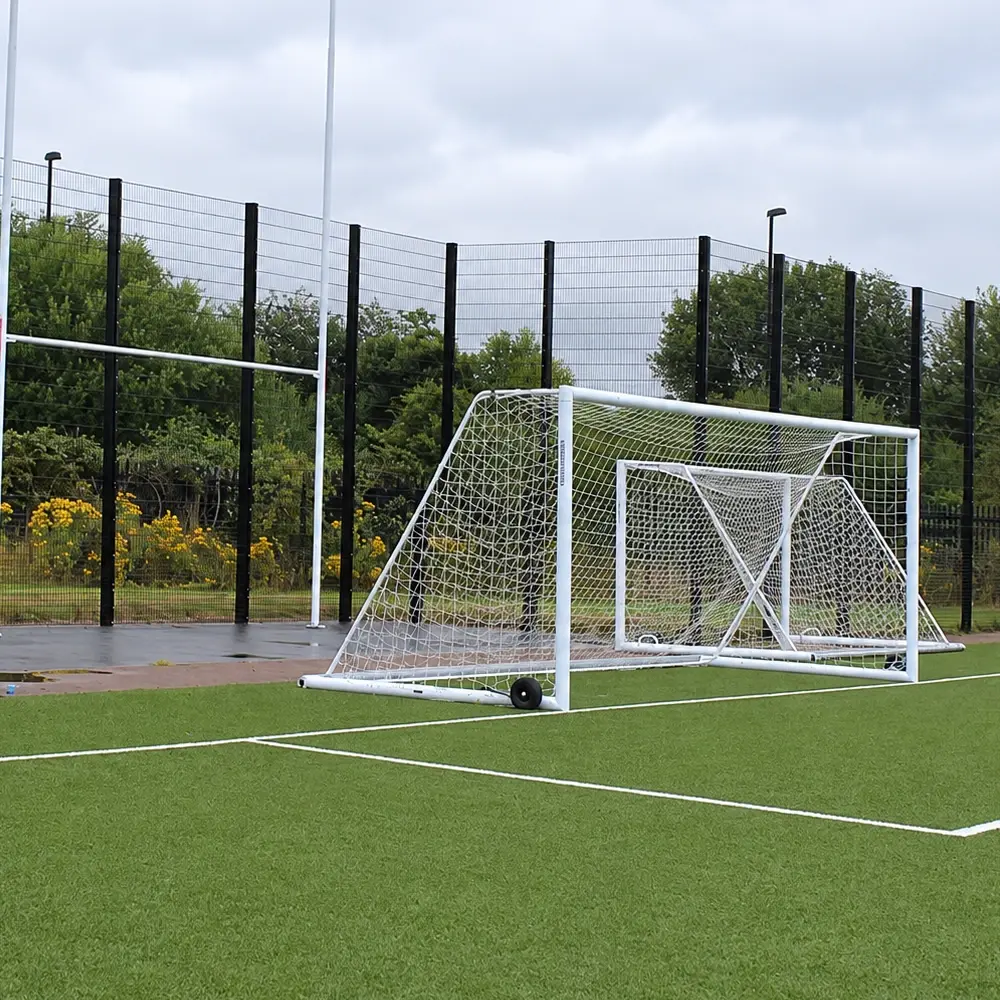
The sports played, the ball types and the intended use of the boundary determine what the project needs from the lower mesh. A multi-use court may have different requirements from a simple perimeter around a playing field.
Specify the lower-zone configuration and height rather than relying on the word “rebound”. Different products can use that description for different panel arrangements. The project brief should also identify any required performance evidence.
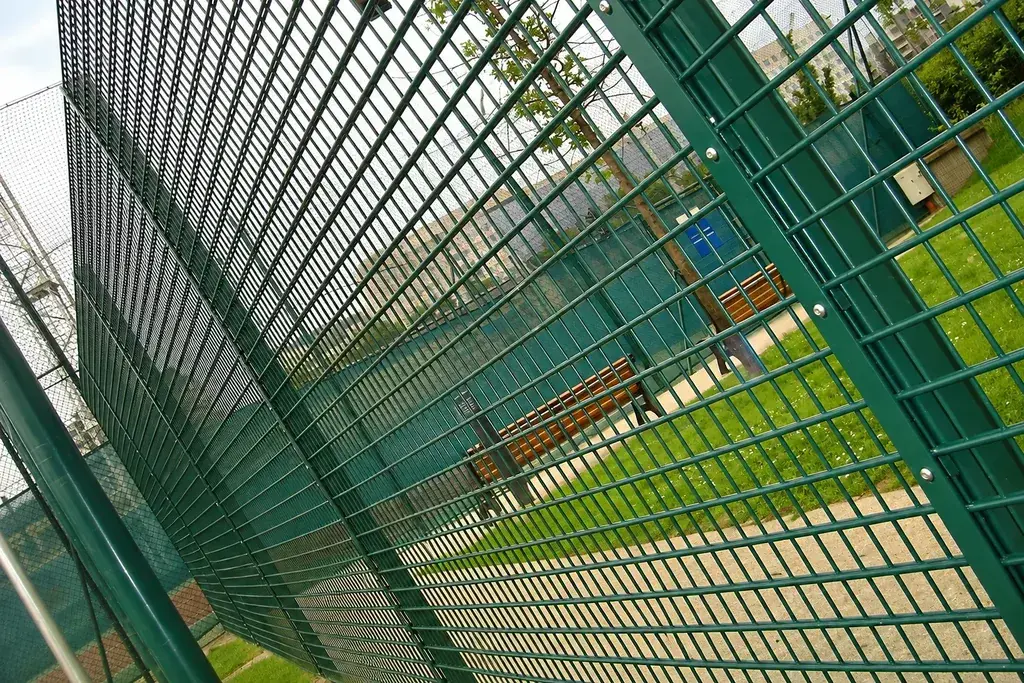
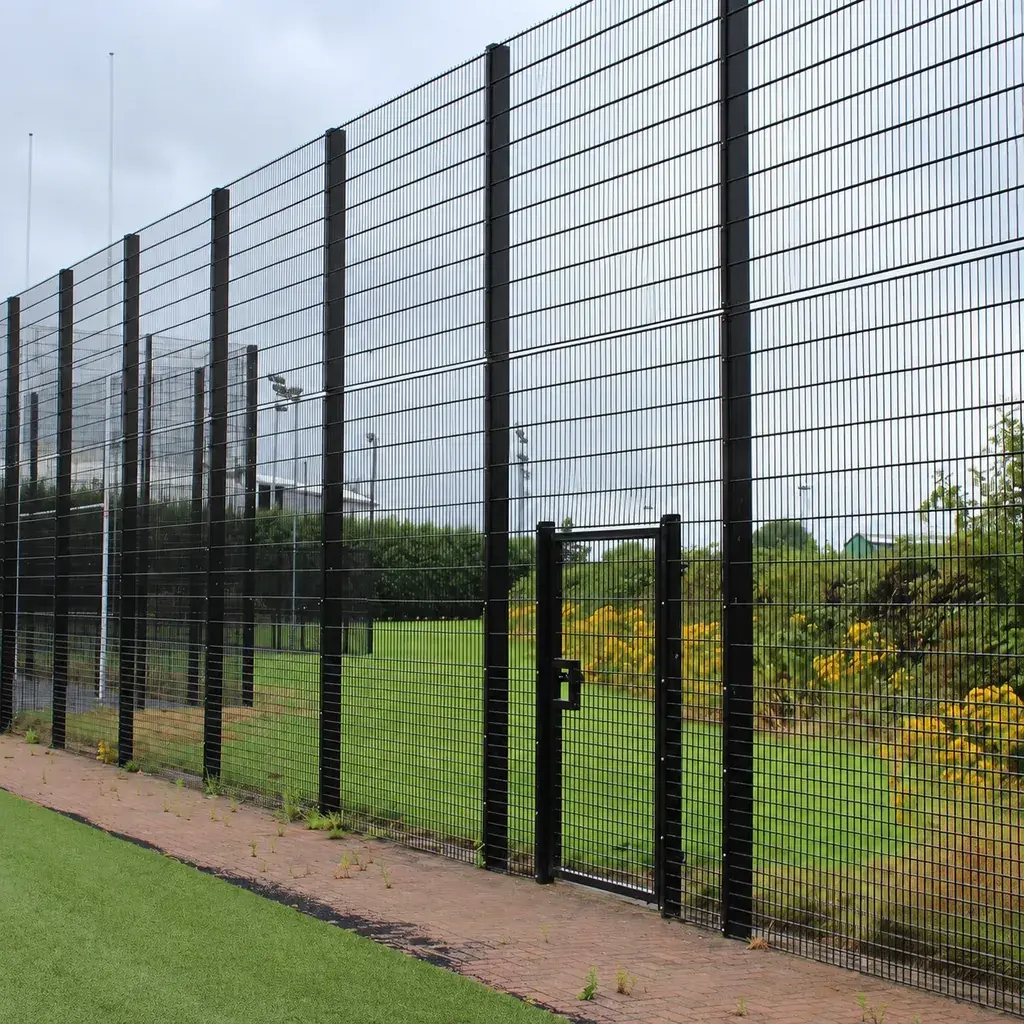
Schedule each side and end
| Location | Information to record |
|---|---|
| Lower playing zone | Panel construction, mesh dimensions, height and connections |
| Upper fence | Height and intended boundary or ball-retention duty |
| Corners and transitions | Changes in height, panel junctions and post arrangement |
| Gates | Opening, position and the relationship to the adjacent playing face |
| Service access | The route needed for equipment and maintenance |
This schedule prevents a single perimeter length from hiding different panel types or heights. Give each arrangement a reference so the receiving and installation teams can identify where it belongs.
Review the face that players meet
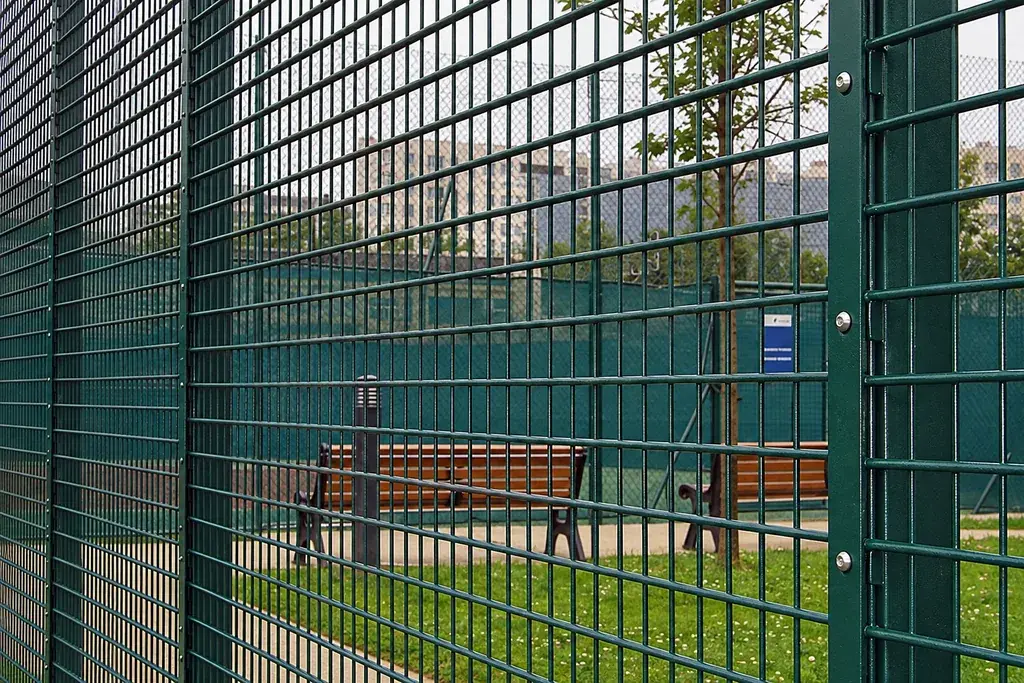
Panel ends, bars, clips and fasteners should be considered from the court side. A connection that looks tidy from outside may present a different detail towards the playing area. Drawings should show the orientation of the assembly and how edges and adjoining components are treated.
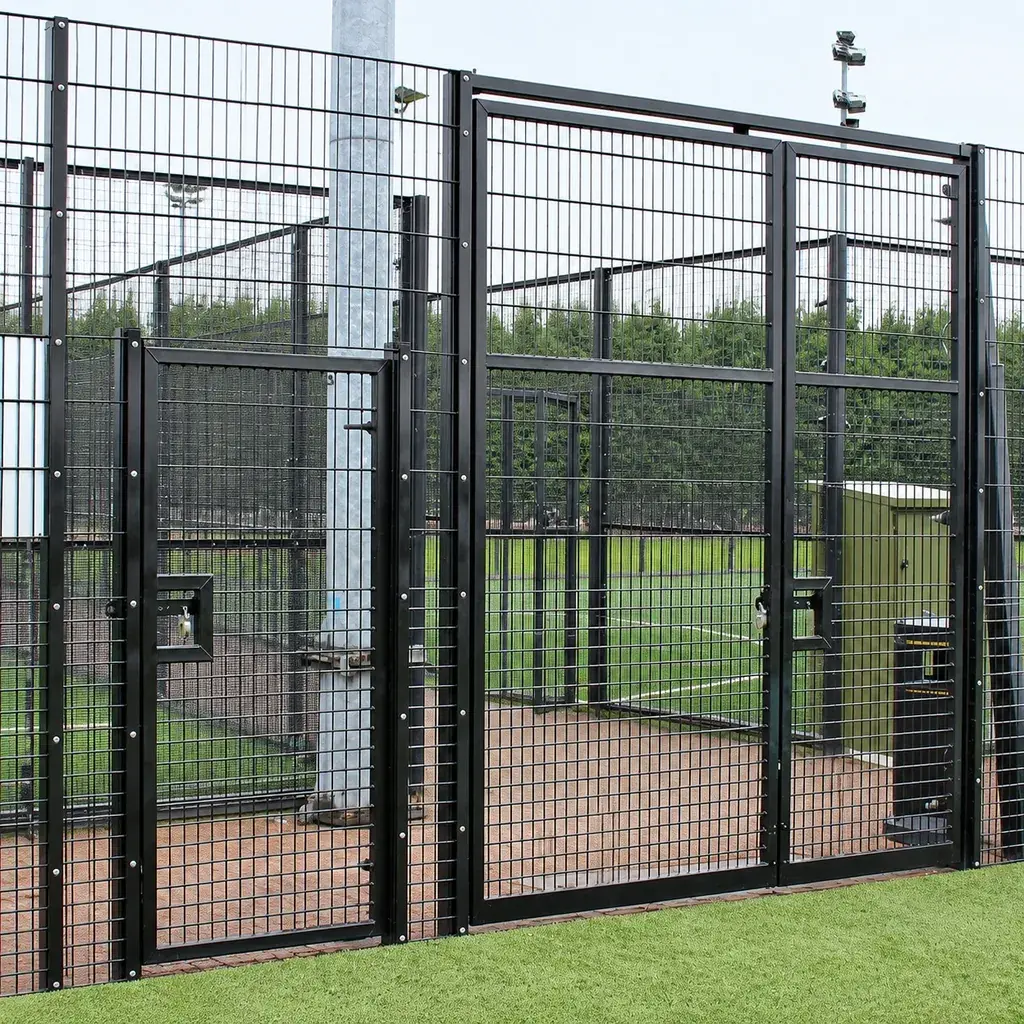
The same review applies where a gate interrupts the run. Gate frames, latches and changes in the fence line need to be assessed with the intended use of that part of the court.
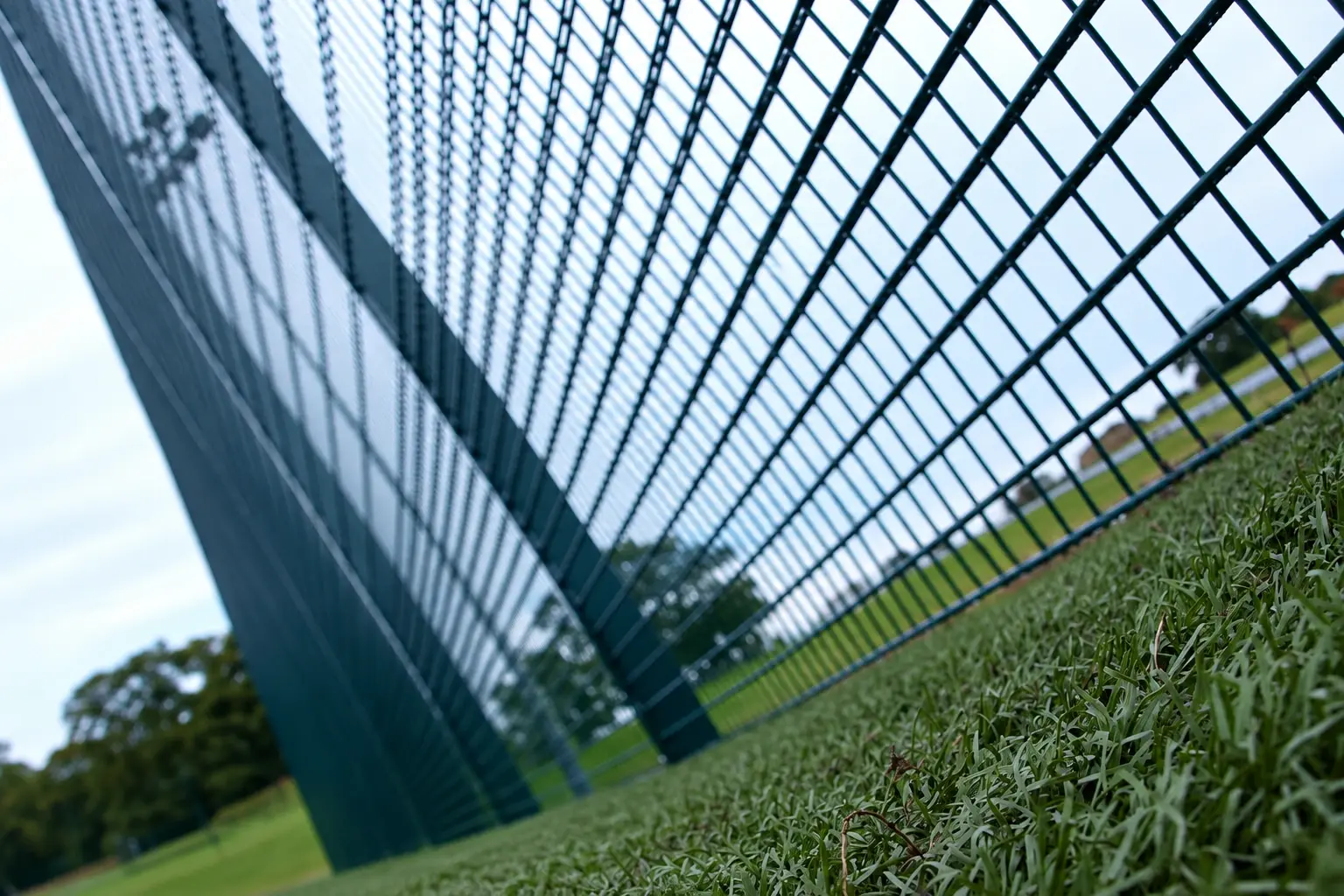
Separate a noise concern from a performance claim
If neighbours or site users have raised a noise concern, include it in the brief. Identify whether the issue relates to ball contact, loose connections or moving gate hardware. A proposed connection detail may address a source of movement, but it does not by itself prove an acoustic result for the completed enclosure.
Ask for any required evidence for the actual configuration. FencingWise does not assign an unverified noise-reduction figure or rebound rating to the product family.
Keep replacement details with the site records
Retain the panel references, lower-zone dimensions and connection drawings after delivery. A replacement panel needs to match the interface as well as the overall height. Record any agreed substitutions so future orders are not based on the appearance of the remaining panels alone.
For other enclosure configurations, see double wire sports fencing and the sports fencing range.