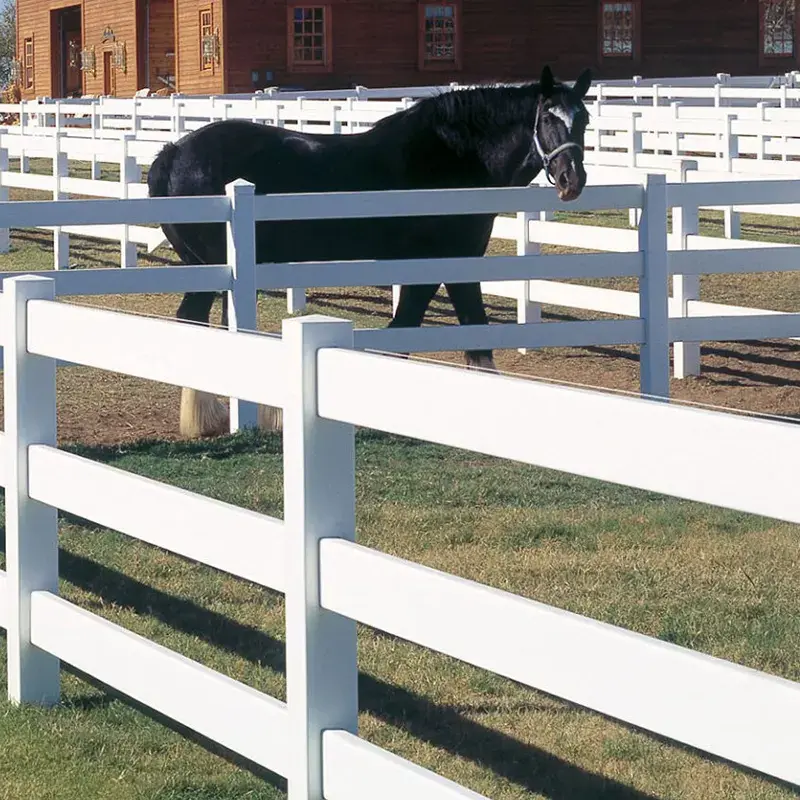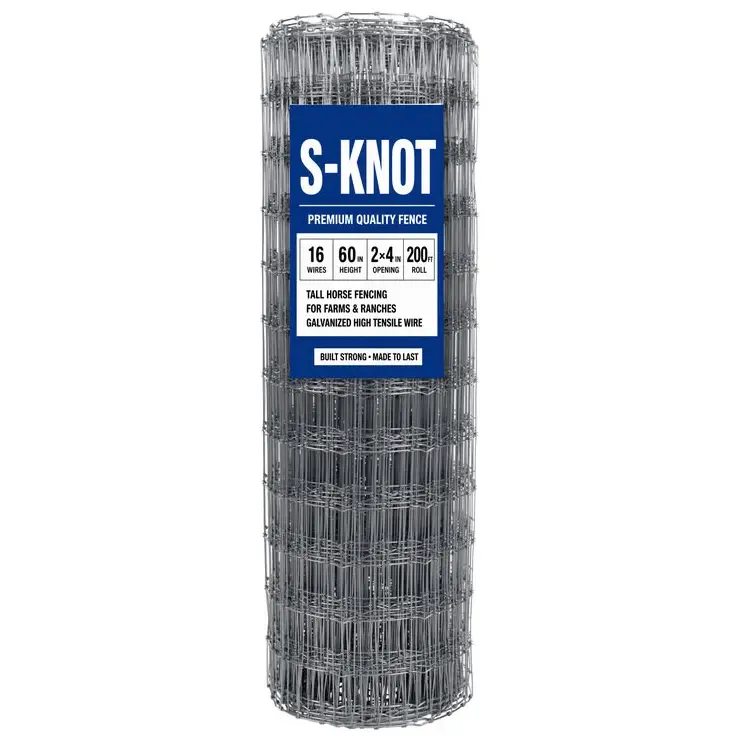
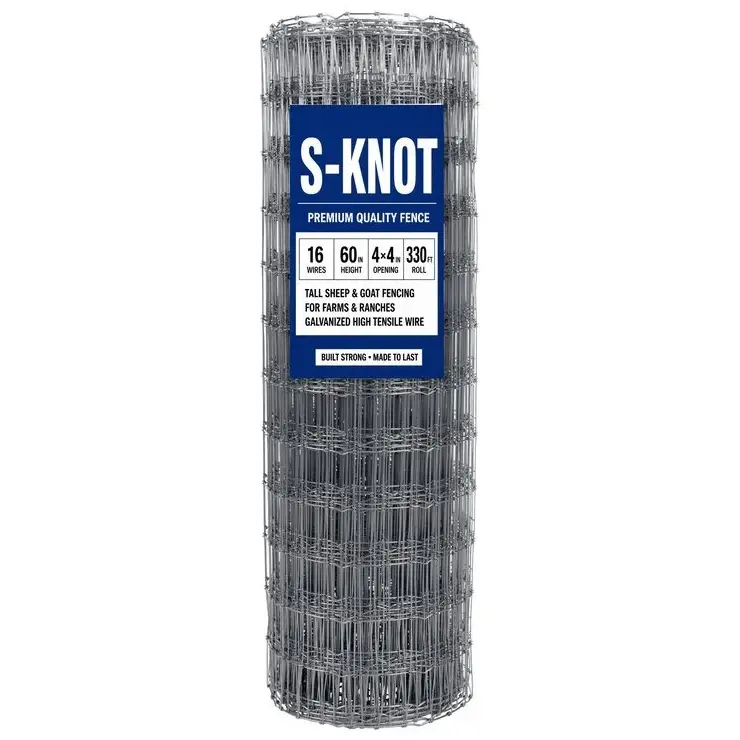
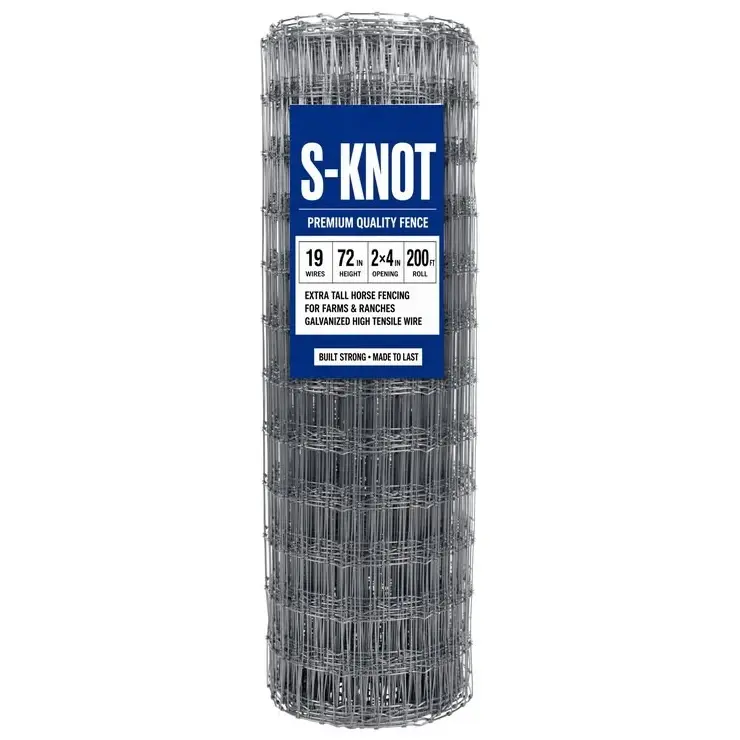
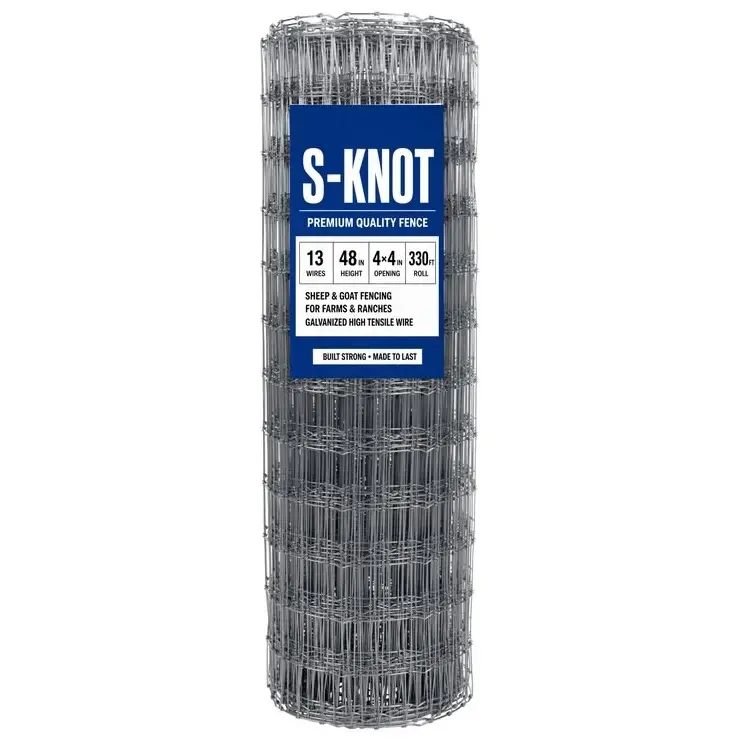
Select for the horses using the enclosure
Mesh opening, height, visibility and the adjoining gate arrangement must suit the animals and management system. Foals, ponies and larger horses should not be treated as one identical containment case. The product name “non-climb” is not a guarantee against injury or escape.
The farm designer may include a visible top line or rail and appropriate separation from other hazards. Penn State's horse-fence guidance provides practical context for horse-specific selection and cautions against barbed wire for horses.
Specify the mesh and its edges
| Feature | Detail to settle |
|---|---|
| Opening pattern | Clear openings, orientation and uniformity |
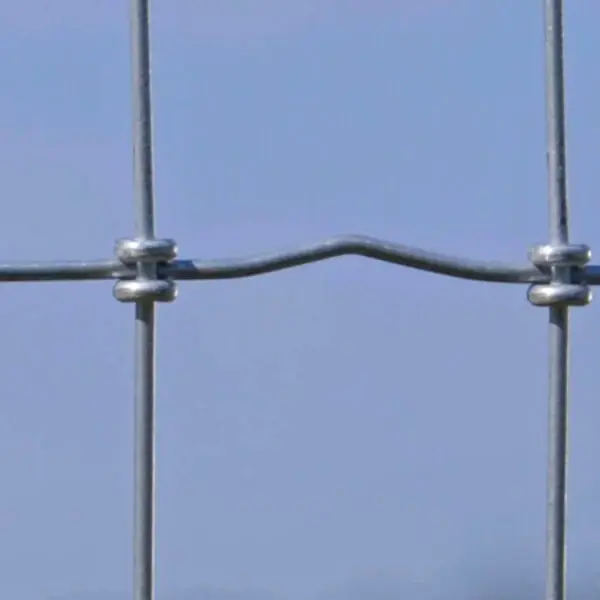
| Junction | S-knot construction and contact face |
| Top and bottom | Edge treatment and connection to the layout |
| Terminations | Approved joins and strainers without exposed hazardous ends |
Use an agreed sample or drawing to establish the knot and edge details. Do not infer smoothness, coating quality or a particular mesh opening merely from a roll label.
Make gates part of the containment design
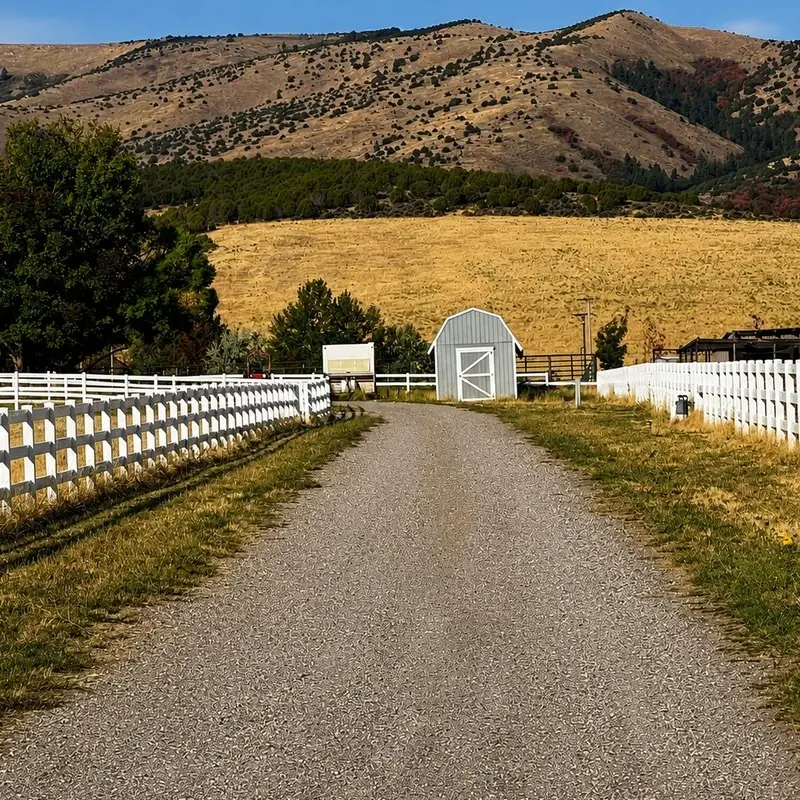
The mesh pattern should continue through the selected gate arrangement where required by the equestrian design. Rail-only gates may create different openings from the adjoining mesh. Coordinate clearances, hardware and approach conditions with the farm operator.
For repeat supply, retain roll height, opening pattern, wire and coating references. Inspect received rolls for deformation and damage before tensioning, and maintain the installed fence under the selected product's instructions.