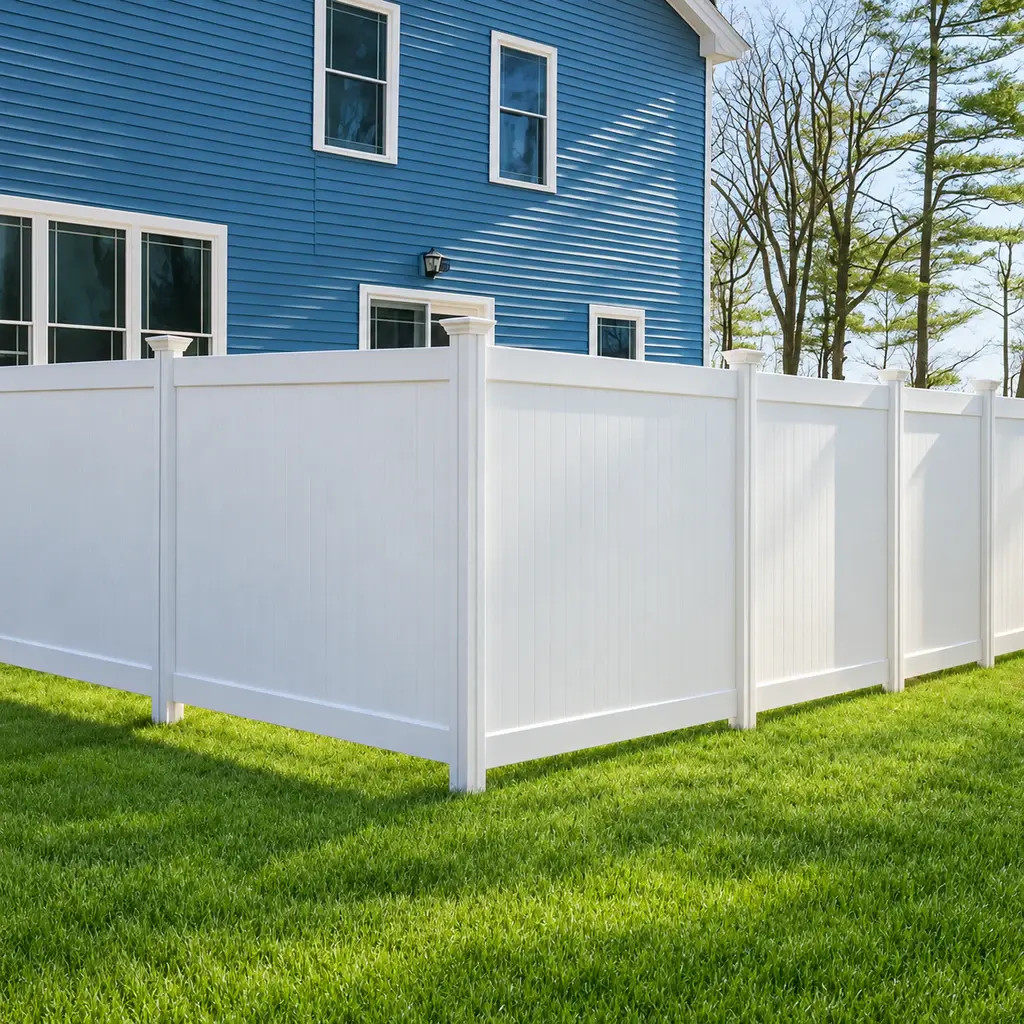
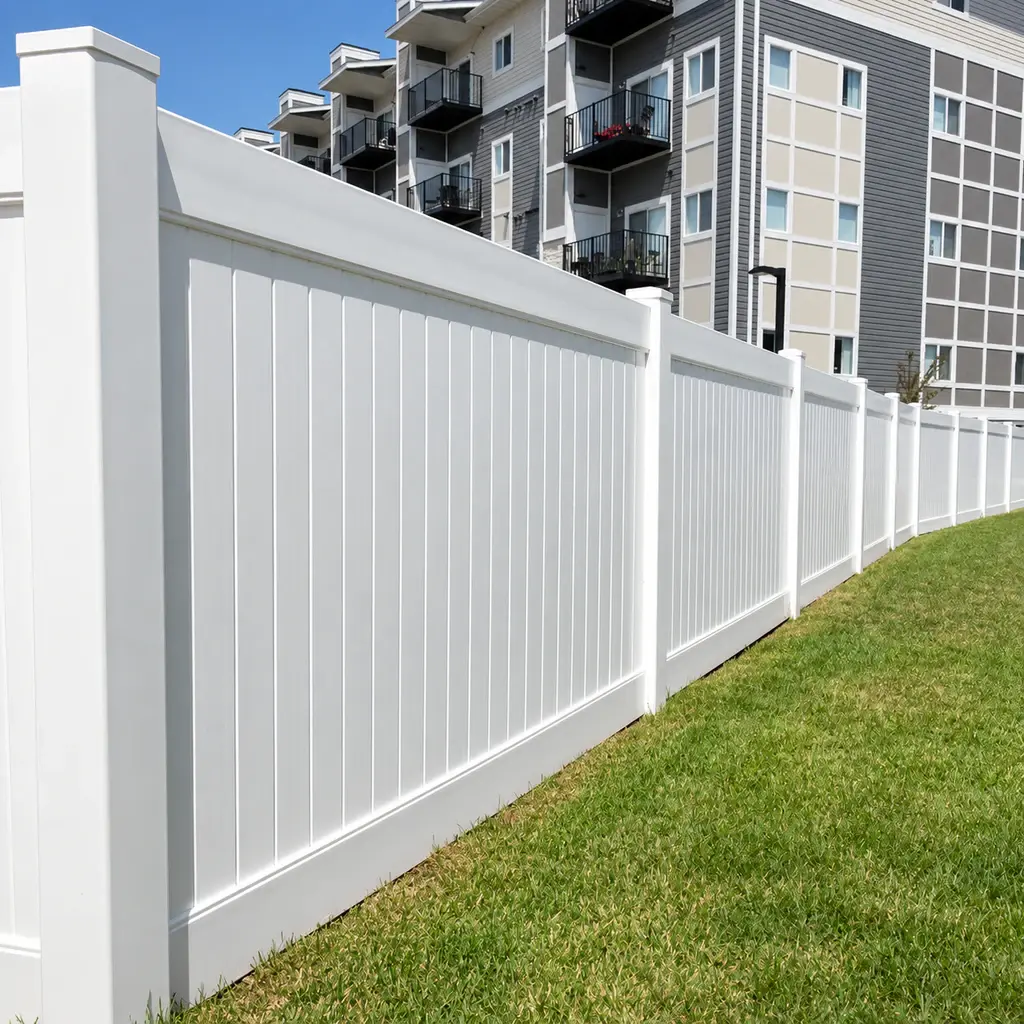
Specify the panel construction
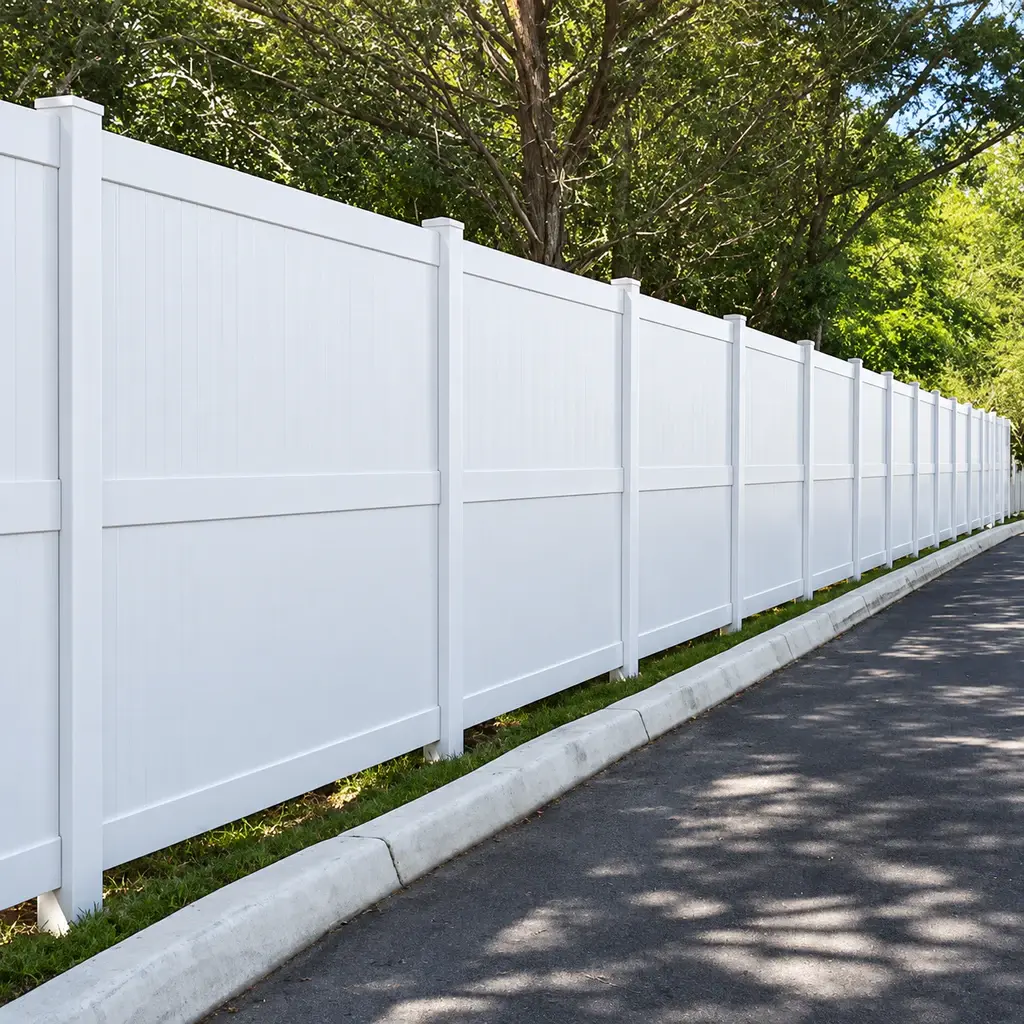
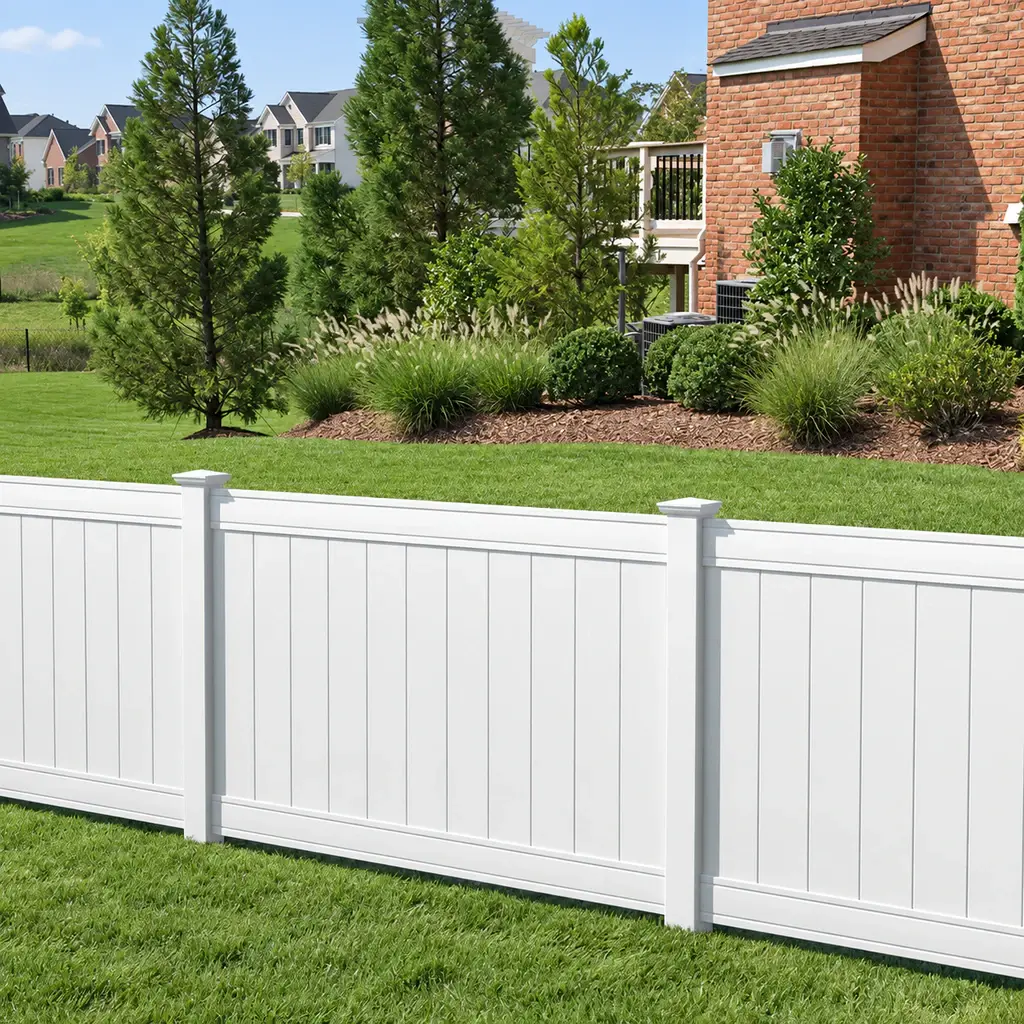
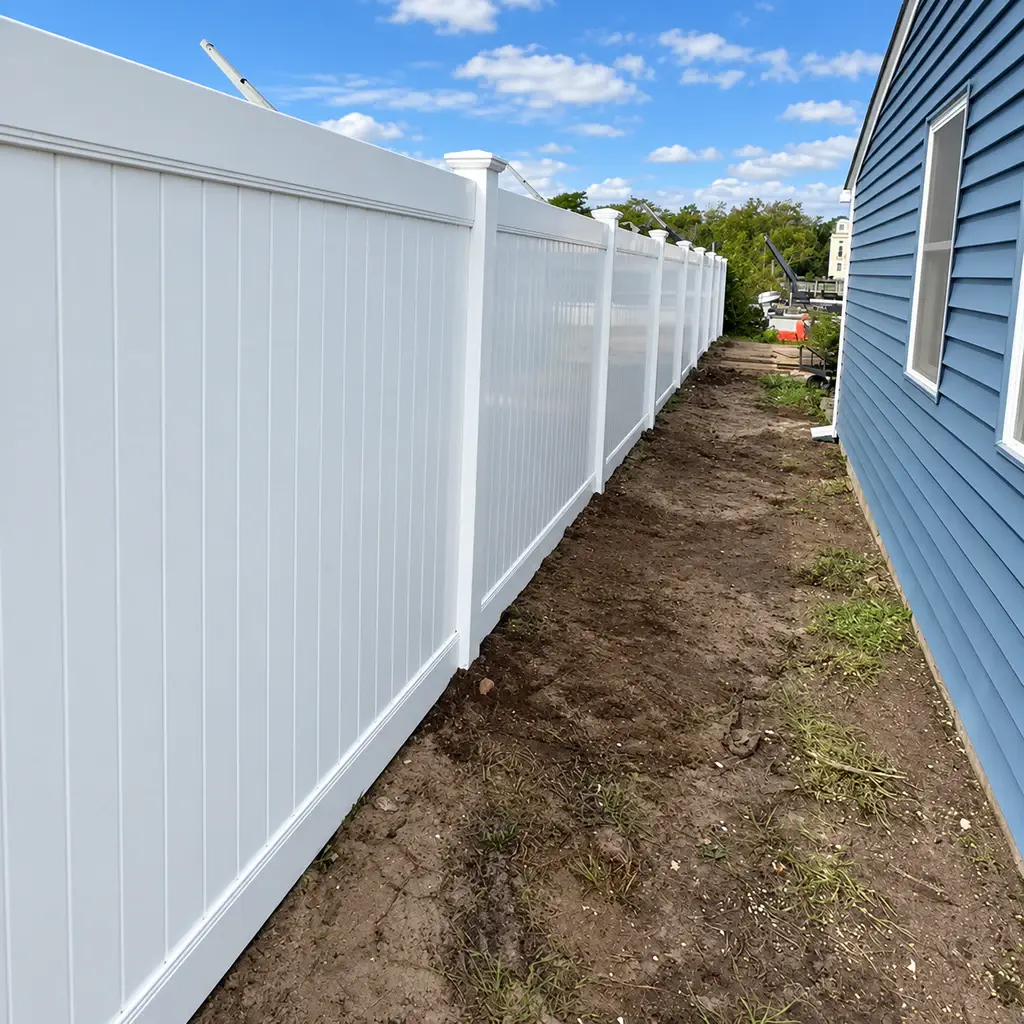
Identify the board or infill profile, rail section, post section and connection method. State whether the design is fully screened or includes an open lattice or other feature. A photograph of a white panel cannot establish its reinforcement, wall thickness or structural arrangement.
Full privacy also changes the wind-exposed surface. The selected supports and foundations must suit the complete assembly and site conditions.
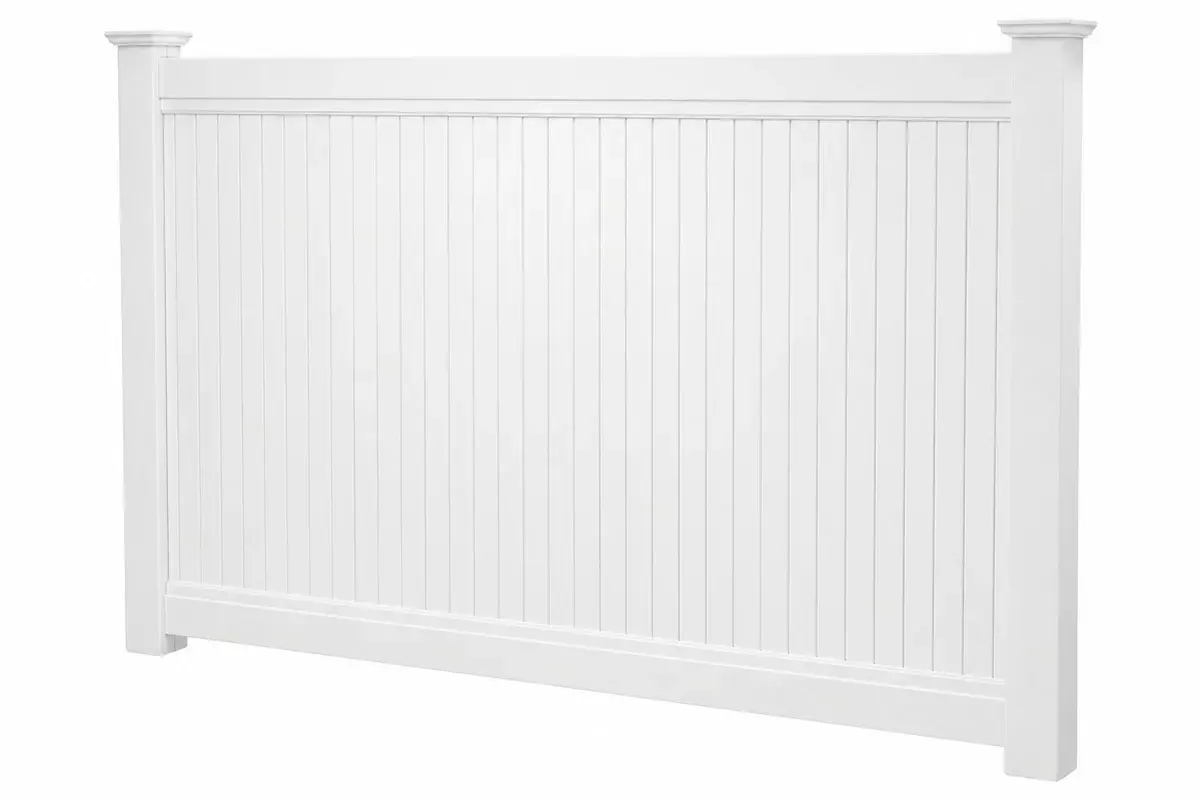
Allow the profiles to move as designed
| Assembly detail | Purpose |
|---|---|
| Infill engagement | Retains boards within the rail arrangement |
| Movement allowances | Accommodate the selected system's thermal behaviour |
| Reinforcement | Included where the design requires it |
| Post and rail connection | Transfers loads through the intended assembly |
Use the product's actual installation instructions for clearances and fastening. Do not tightly fix every profile simply because movement is visible, or apply a universal expansion gap to unrelated PVC sections.
Compare evidence for the actual system
Ask for the offered profile specification, finish or colour reference, relevant performance evidence and installation requirements. UV exposure, impact and wind behaviour should not be reduced to an unsupported “lifetime” statement.
For colour-sensitive projects, use an agreed sample and retain it with the order. Replacement boards from another profile family may not engage properly even when their visible face width is similar.
Distinguish fence use from equipment screening
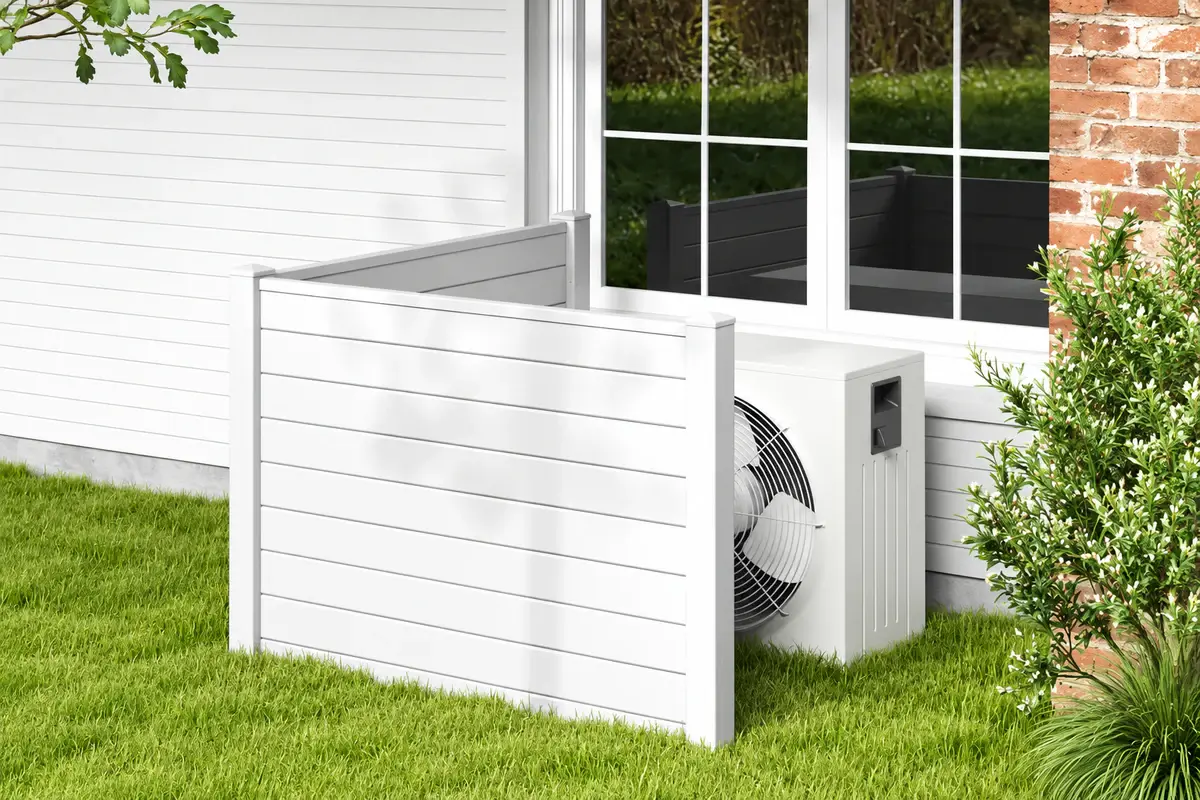
If the fence encloses plant, maintain the equipment designer's ventilation and service access requirements. If it is intended as a pool barrier or guardrail, the specific assembly needs the relevant separate acceptance. General privacy fencing does not establish either function.