
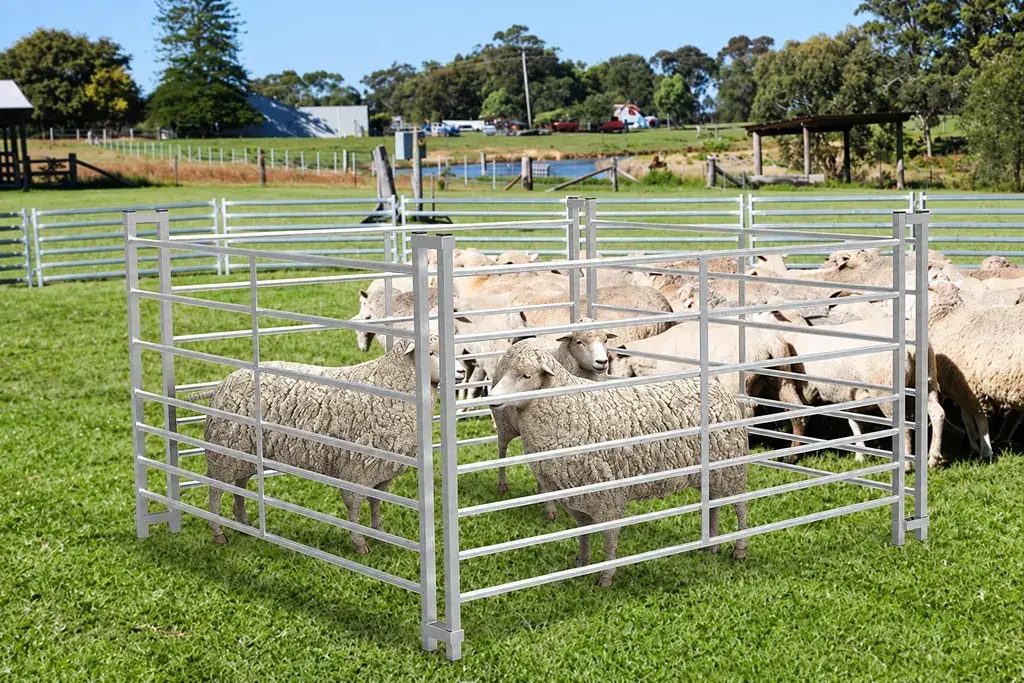
Three boundaries that should not be confused
| Boundary | Main purpose | Information needed |
|---|---|---|
| Animal enclosure | Containment under the approved husbandry and safety plan | Species, behaviour, design loads, aperture and edge treatment |
| Visitor stand-off | Keep visitors at the intended distance | Public routes, accessibility and the assessed separation |
| Keeper or service area | Controlled operational access | Gate procedure, equipment movements and connections to the enclosure |
A decorative railing in a visitor area is not evidence of animal containment. Likewise, an enclosure mesh selected for one species cannot be promoted as suitable for a different animal without a fresh assessment.
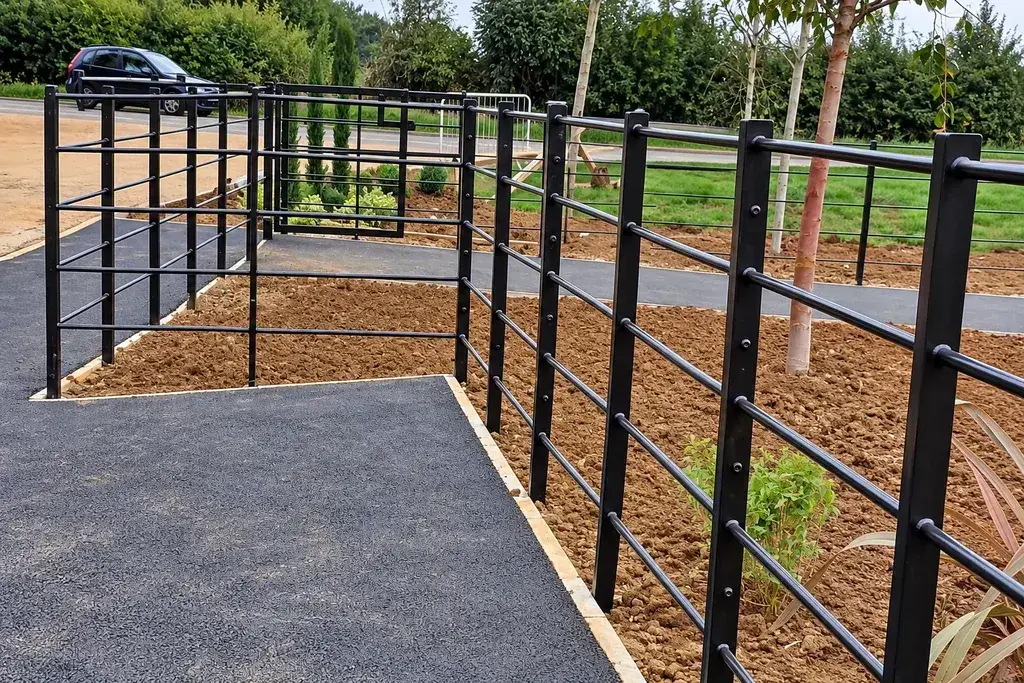
Work from the zoo's approved enclosure brief
Ask the responsible zoo team to define climbing, digging, reaching, chewing and impact considerations relevant to the animals. Include juveniles and foreseeable changes in group composition. The material drawing should translate that brief into dimensions and connection details, not attempt to replace the specialist assessment.
For British projects, identify the applicable standards and transition dates. As reviewed on 17 September 2026, the government's zoo standards page states that the 2012 standards remain in effect until 23 May 2027 for England and Scotland; the 2027 standards take effect on 24 May 2027 across Great Britain. The zoo's adviser should establish the requirements applicable to its location and project date.
Review openings as carefully as panels
A continuous mesh elevation can conceal weaknesses at the base, roof connection, gate jamb or drainage route. Number these details and review them as parts of the containment envelope.
Gate interlocks, double-door arrangements and keeper procedures require the zoo's design and operating approval. Do not infer a suitable gate sequence from a generic fence catalogue. If the project requires two independently controlled barriers, preserve both in the drawing, hardware schedule and operating instructions.
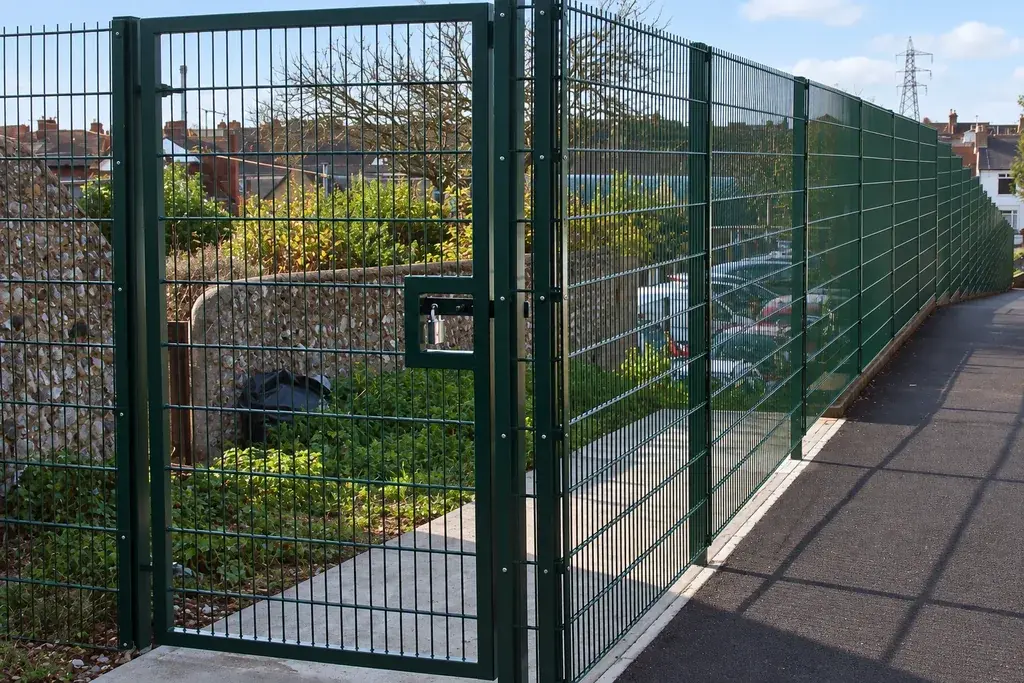
Request a representative connection sample
Where a sample is useful, include the edge, welds and actual fixing arrangement. A flat piece of mesh alone cannot demonstrate the finished perimeter or gate connection. Record the sample reference and the aspects it was examined for: dimensions, edge finish, fit or another stated property.
A visual sample review does not prove containment performance. Any required load, durability or safety evidence must address the intended assembly and acceptance criteria. See the guide to test documents for a method of checking scope.
Keep supply and specialist design separate
FencingWise can discuss metal panels, posts, gates and fittings against an approved material specification. We do not claim species-specific containment certification, zoo design services or completed zoo projects on this page.
An effective enquiry includes the boundary duty, authorised drawings, component schedule, required evidence and delivery sequence. Sensitive animal-management or security information should be shared only through the zoo's approved process. Use specification support to define the material interfaces and identify which items need specialist resolution before purchase.