
Use surveyed sections with a common reference
Divide the route at changes of fence type, ground condition, direction and access arrangement. Give every section a start and end chainage tied to the same survey. Distinguish measured ground length from horizontal plan length where the difference affects panel setting-out.
For an illustrative 1,000 m route, sections might be 420 m on level ground, 310 m on sloping ground and 270 m beside a service road. They total 1,000 m, but should not automatically receive identical posts or installation allowances. Deduct gate openings within their own section, not from a separate unexplained site-wide figure.
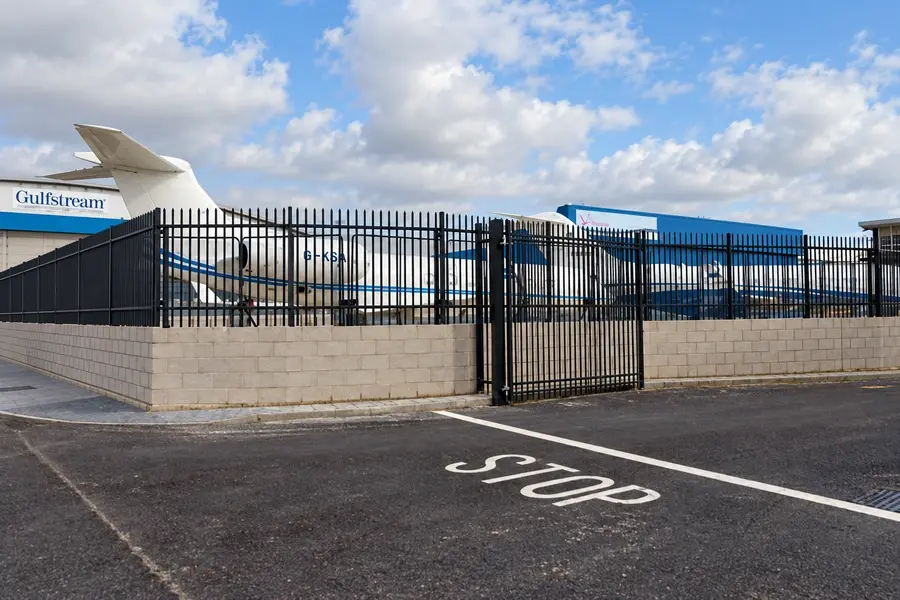
Separate aviation, security and wildlife decisions
| Requirement | Input needed before procurement |
|---|---|
| Aviation safeguarding | Operator acceptance of height, position and associated works |
| Perimeter security | Approved system performance and access requirements |
| Wildlife management | Target species and ground or drainage interfaces |
| Construction access | Work windows, permits and movement restrictions |
The CAA's CAP 772 addresses wildlife hazard management at aerodromes. It is broader than fencing: habitat and land management also affect wildlife presence. Do not describe a mesh fence as a complete bird-control measure.
Detail the transitions before ordering straight runs
Draw fence-to-gate, fence-to-building and changes in level. Have drainage and wildlife specialists review water crossings and ground interfaces where relevant. A closure must serve the approved boundary function without creating an unassessed flood or maintenance obstruction.
The straight panel schedule follows those decisions. If a transition needs special supports or a removable element, order it under its own reference. A bundle of standard panels is a poor substitute for a designed junction delivered late.
Package deliveries for the permitted work sequence
Suppose a permitted work window covers a 75 m level section with an approved 2.5 m module and no openings. It requires 30 bays. If the programme allows only that section to be worked on, delivering an unsorted mixed load for the full kilometre can create handling and identification problems.
Label the section, drawing revision and lifting information on the relevant packs. Determine unloading locations and equipment with the operator. The 30-bay example estimates materials; it makes no claim about how many bays can be safely installed in one shift.
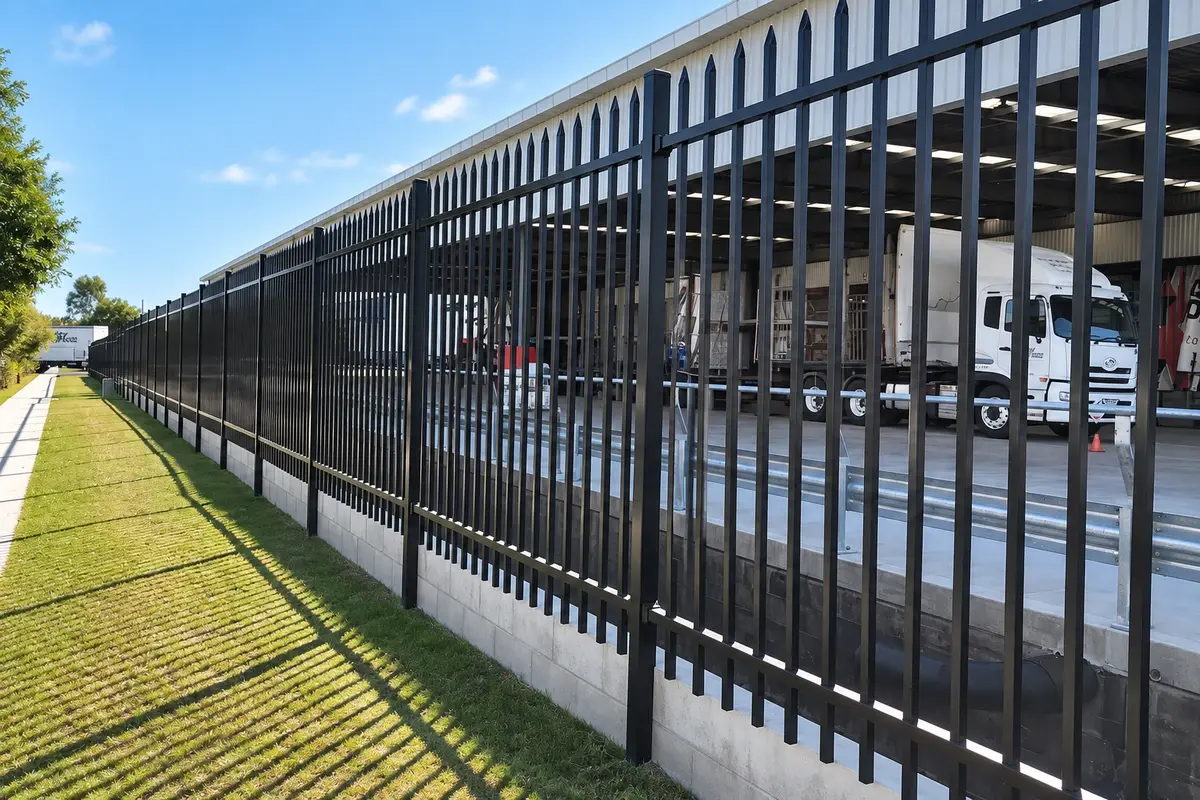
Plan continuity and acceptance together
The airport operator should approve the arrangements for maintaining boundary control during replacement. Avoid removing a length solely because the replacement materials have arrived. Release each section for removal only after its working method, temporary arrangements and reinstatement checks are agreed.
Handover records should locate the completed sections, gates, special junctions and maintenance access points. Keep operationally sensitive detail in the operator's controlled documents. For purchasing, a redacted schedule can still provide accurate quantities and product references.
See critical perimeter upgrades for a staged replacement method and technical deviations for recording alternatives.