
Define the job in one sentence
Write the species, age group, location and function: for example, “permanent pasture boundary for the specified adult cattle group”. Add whether the fence contains managed animals or excludes wildlife. That sentence becomes the basis for comparing systems.
The University of Georgia’s farm fencing guidance discusses selecting fencing around livestock and farm layout. Its general principles support starting with use; its regional dimensions and service-life estimates should not be treated as universal specifications.
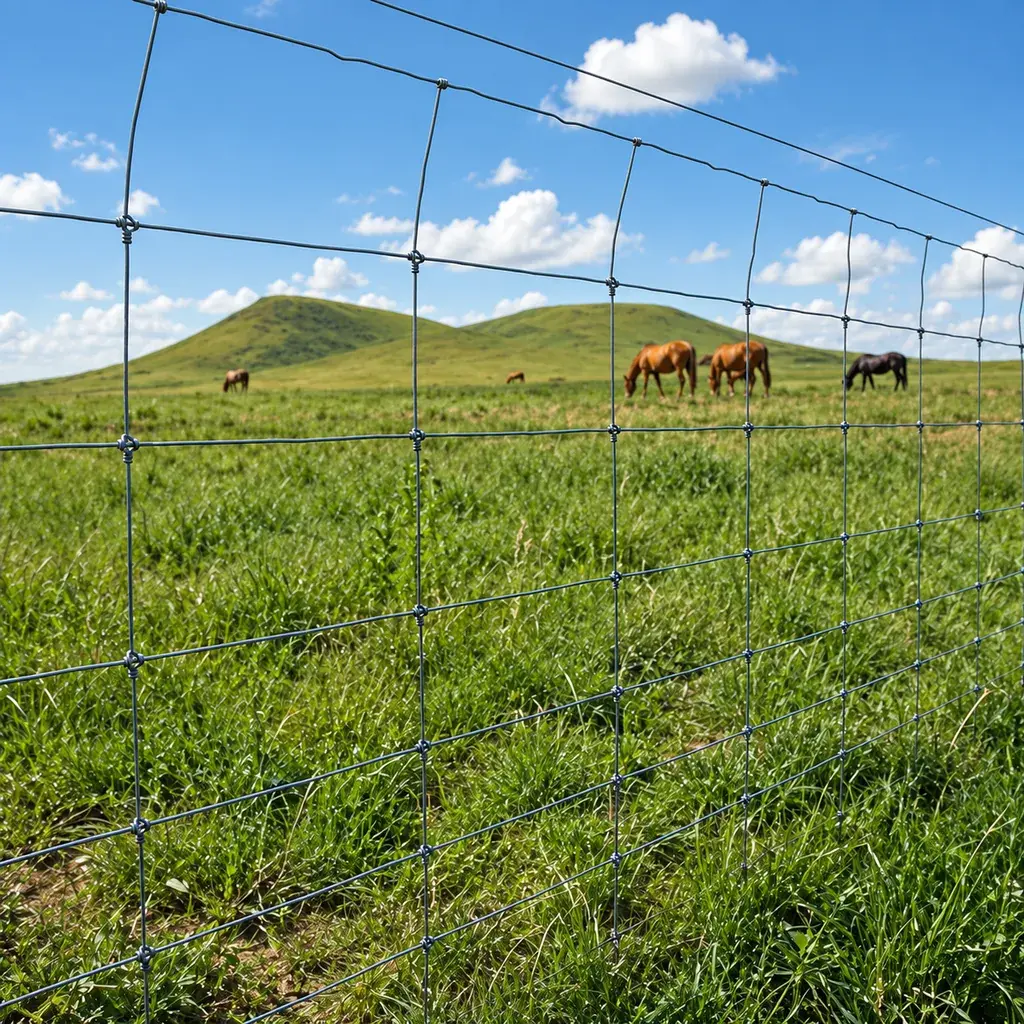
Use this matrix to identify the next decision
| Animal or group | First question | Evidence to obtain |
|---|---|---|
| Cattle | Pasture boundary or concentrated handling area? | System duty, supports and the intended pressure conditions |
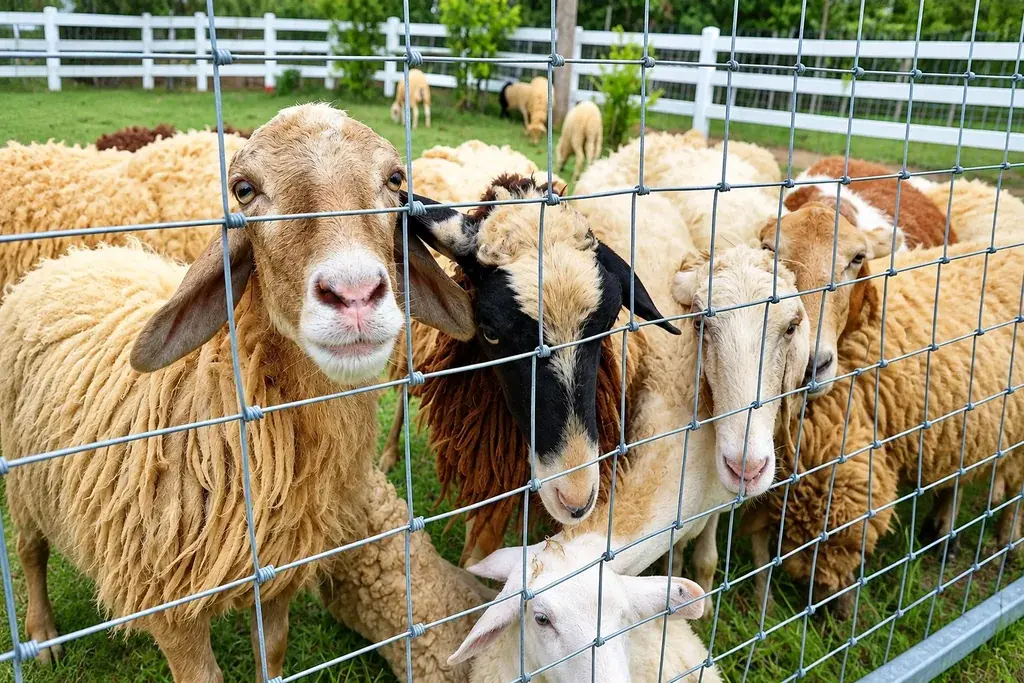
| Sheep | Are lambs or other smaller animals present? | Opening pattern, ground detail and animal-management assessment |
| Horses | Does the arrangement address contact, visibility and entrapment concerns? | Horse-specific construction and complete boundary review |
| Deer | Which species, and containment or exclusion? | Specialist height, opening and site-design requirements |
This table deliberately does not assign one height to each species. A precise number without the relevant animal and management conditions would make the selection less reliable.
Split mixed-use boundaries into zones
Consider a hypothetical 800 m route: 500 m serves a cattle pasture, 200 m adjoins a horse area and 100 m forms a handling approach. The total is useful for budgeting, but the three portions should remain separate in the specification.
If the design ultimately approves one construction for the first two sections, their material quantities can be consolidated. The decision comes after the assessment. It should not be made in advance to simplify the purchase order.
Compare equivalent packages
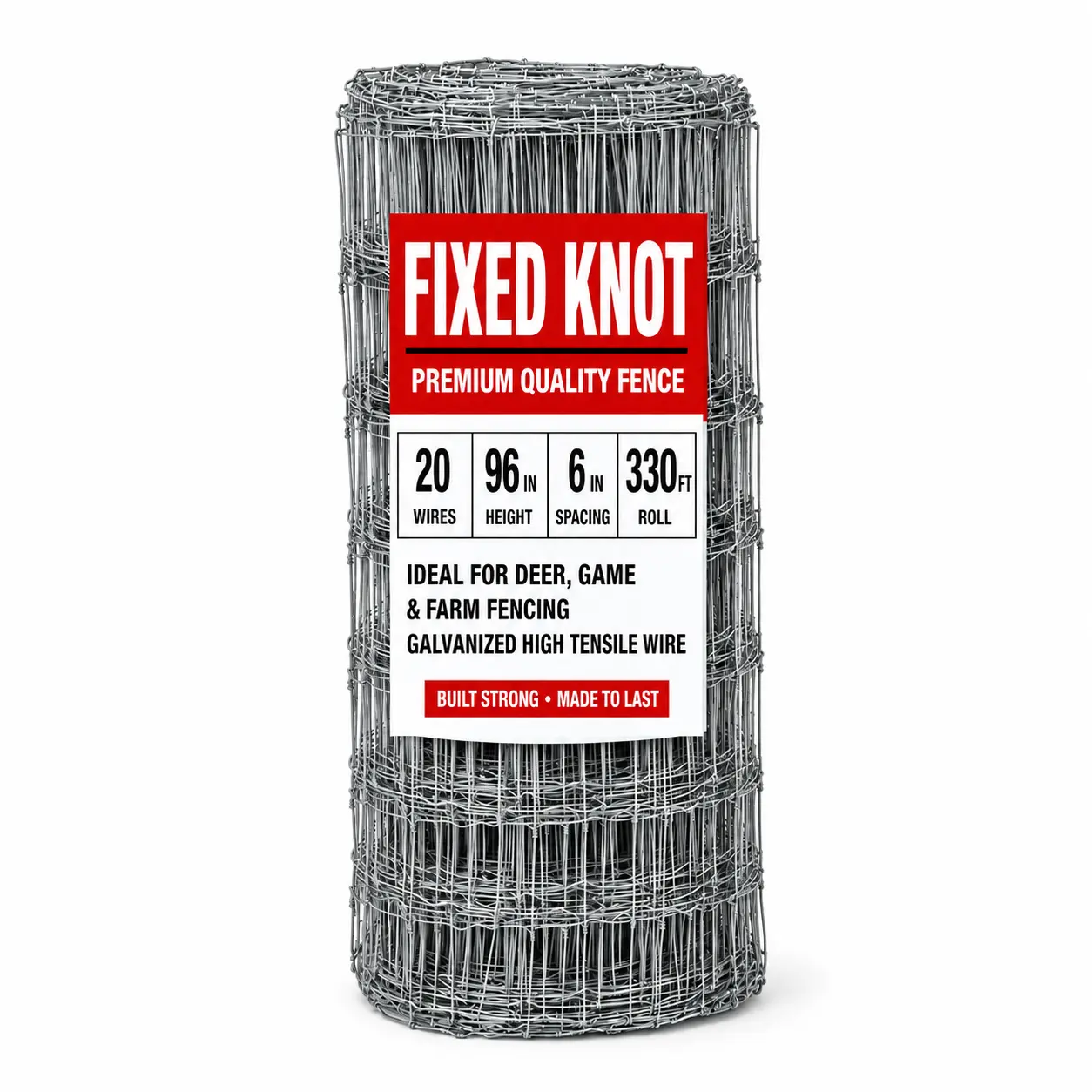
For every candidate, obtain roll or panel construction, openings, wire dimensions, material and coating information. Include posts, terminals, joins and gates. Ask which dimensions and performance statements are supported by product documentation and which are site-design inputs.
Do not compare a roll-only price with an installed handling-panel system. They contain different work and may serve different duties. Similarly, a knot described as strong does not establish the capacity of an entire fence, especially at supports and entrances.
Resolve the smallest and most demanding users
Discuss young stock, mixed groups and foreseeable changes with the responsible animal manager. Record the accepted scope of use. If a later change introduces another species or age group, review the enclosure before reusing the previous approval.
At delivery, check product identification against the accepted schedule. At installation, verify the ground line, connections and gates under the project’s competent inspection process. Keep the records with the enclosure so maintenance does not introduce an unassessed substitute.
For a closer comparison of horse mesh and general field products, read S-knot horse fence versus field fence. It addresses construction and dimensional description without claiming one product suits every animal.