
Ask for the construction behind the name
Obtain a close view of the joint and a drawing identifying the line, stay and knot wires. Supplier names are not a substitute for this information; assess the actual construction and its suitability for the animals.
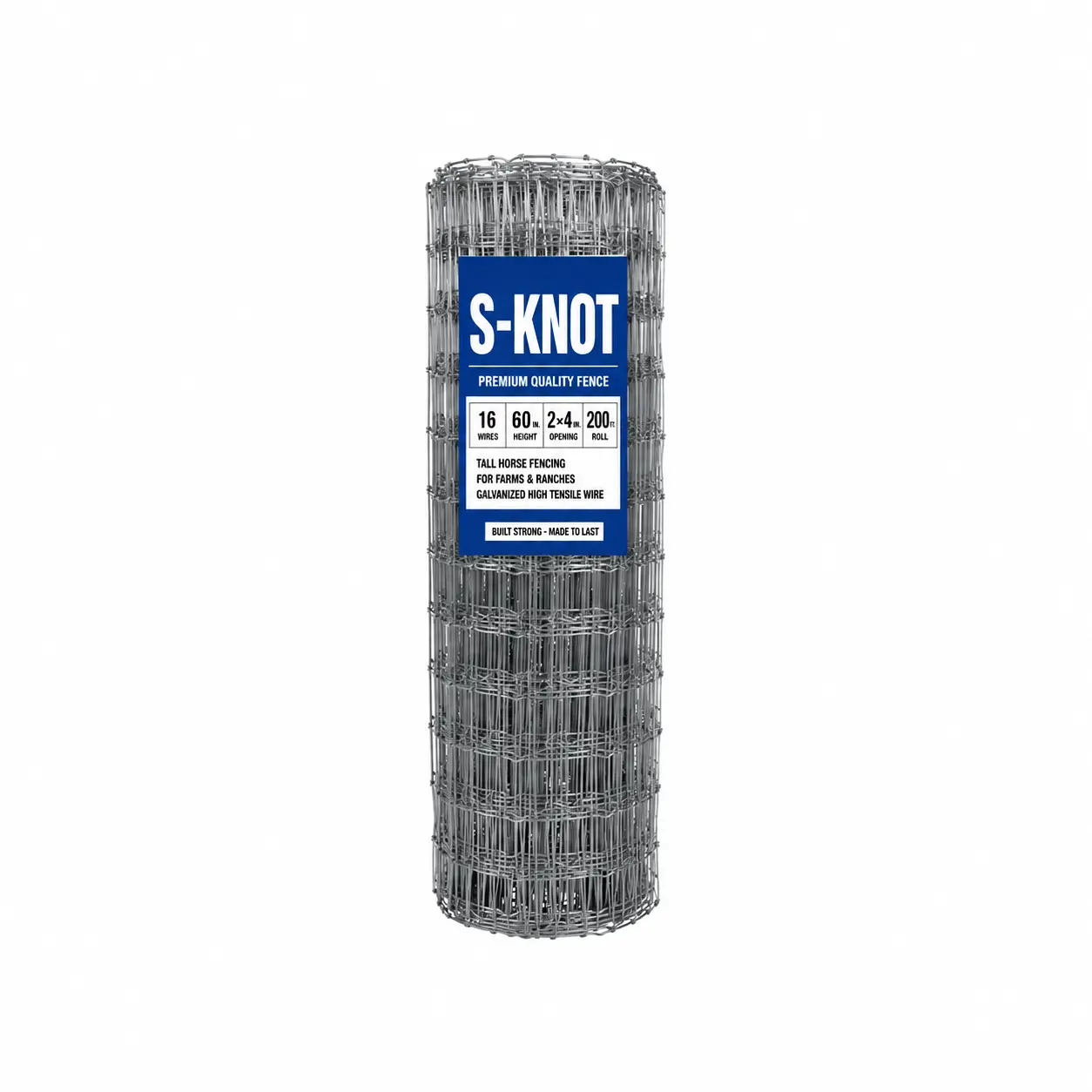
Compare the proposed horse mesh with the actual field-fence alternative. If the alternative uses graduated horizontal spacing, record the lower and upper openings separately. A single large dimension on the quotation may describe only the vertical stay spacing.
Convert dimensions without changing their meaning
The University of Georgia’s horse fencing guidance discusses woven horse mesh and distinguishes it from welded fabric. It includes 2 × 4 inch mesh descriptions. The exact conversion is 50.8 × 101.6 mm.
That conversion does not tell you whether a particular supplier measures clear opening or wire spacing. Ask for the drawing convention. Nor does the number establish suitability for every horse, pony or foal. The animal group and complete installed arrangement still require assessment.
| Compare | Horse-mesh offer | Field-fence offer |
|---|---|---|
| Joint | Identify the actual knot | Identify the actual knot |
| Openings | Record pattern and measuring basis | Record every graduated zone |
| Wire | Diameter and material designation | Same fields for a fair comparison |
| Surface | Ends, joints and finish | Review the same contact features |
| Installation | Approved supports and terminations | Product-specific instructions |
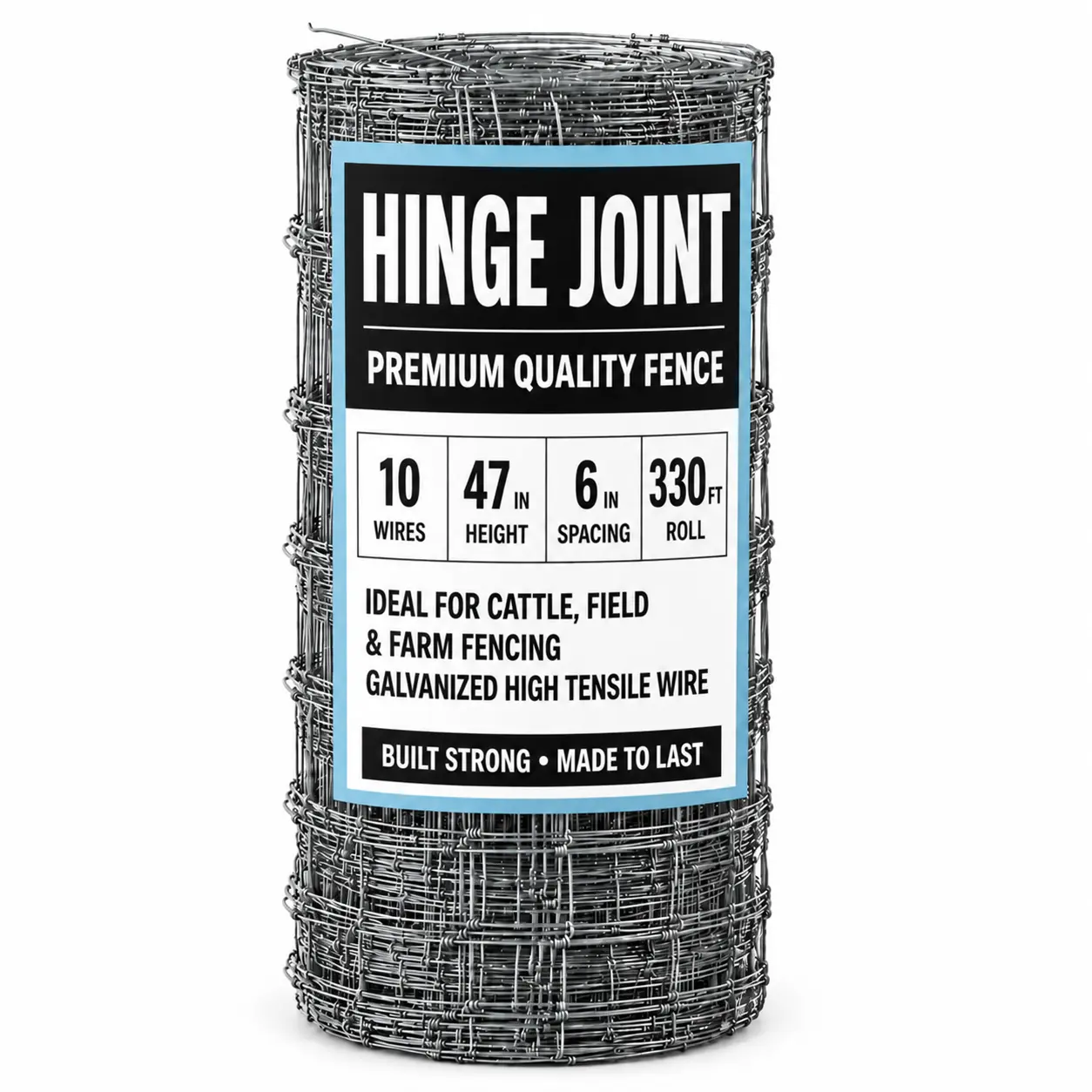
Do not substitute welded fabric on size alone
A welded rectangle and a knotted rectangle with the same nominal dimensions are different constructions. Review the intended service and evidence before accepting a substitution. A quotation saying only “50 × 100 mesh” leaves both the joint and the dimension convention unresolved.
For example, if the approved schedule names a knotted construction and the delivered label identifies welded fabric, record a construction mismatch. Do not accept it because a tape measure gives approximately the same opening dimensions.
Check visibility and the complete boundary
Review how the animals will encounter the fence with the responsible equine manager or designer. Include the gate, posts, adjacent objects and the ground line, rather than judging a loose sample in isolation. Any proposed visibility feature must also be compatible with the selected structure and use.
Retain the approved sample photograph and component records for repairs. A later replacement should match the accepted construction, not merely the colour or roll height. Keep damaged or unassessed arrangements out of service under the operator’s animal-management procedures.
The appropriate purchase is the complete arrangement accepted for the intended animals. Use the field-fence knot comparison for the structural distinction and the height and opening method to complete the measurement record.