
Map the production and supply route
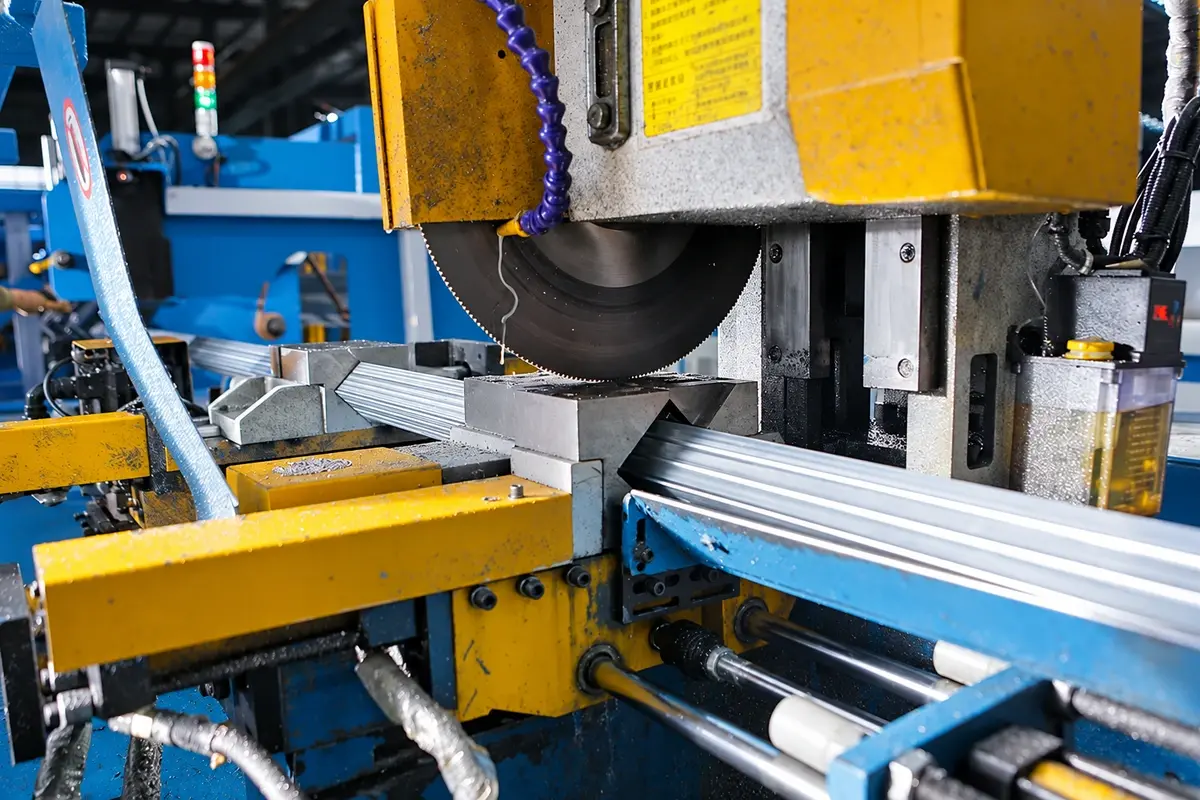
Ask who performs cutting, forming, welding, coating, bought-in hardware supply, inspection and packing. Distinguish ownership of equipment from access to a subcontract process. Outsourcing can be a legitimate supply model; the important question is how specifications, quality and timing remain controlled across it.
FencingWise's confirmed model combines in-house production and partner sourcing. Farm products, aluminium/PVC ranges and certain specialist items involve partner-sourced enquiries. A capability review should preserve that distinction rather than describing every product as manufactured on one site.
For each process, identify the input document, responsible party, output record and the point at which a defect would be detected. This makes a factory discussion more useful than a tour focused only on the newest equipment.
Ask for evidence linked to your product
| Claim | Evidence that helps assess it | Weak substitute |
|---|---|---|
| Can make the geometry | Relevant drawing review, trial or comparable process demonstration | Photograph of a different product |
| Can control quality | Inspection method, acceptance basis and traceable results | Generic quality slogan |
| Can achieve the schedule | Process plan, current workload and external-process coordination | Maximum machine speed alone |
| Can supply consistent repeats | Controlled specifications and change records | An old sample without a revision |
| Can resolve defects | Nonconformity and corrective-action process | Assurance that defects never happen |
Confidential customer details need not be disclosed to demonstrate a process. Redacted records or a controlled demonstration can preserve privacy while showing how the work is managed.
Test output arithmetic before trusting a capacity claim
Suppose a hypothetical line makes 24 panels per operating hour. One eight-hour shift contains 192 panels of theoretical output. If planned operating availability is 75% and the assumed acceptable output yield is 96%, the planning figure is 24 × 8 × 0.75 × 0.96 = 138.24 acceptable panels per shift on average.
For a 1,000-panel order, 1,000 ÷ 138.24 = 7.23 shifts, so at least eight whole shifts would be allocated under those assumptions. This does not establish a delivery date. Material arrival, changeovers, inspection, coating, packing and existing work may govern the schedule instead.
The figures are invented to demonstrate the method and are not FencingWise capacity data. Ask the supplier which assumptions it actually uses and what evidence supports them. A headline rate with no product dimensions or operating basis cannot answer the scheduling question.
Find the bottleneck outside the visible machine
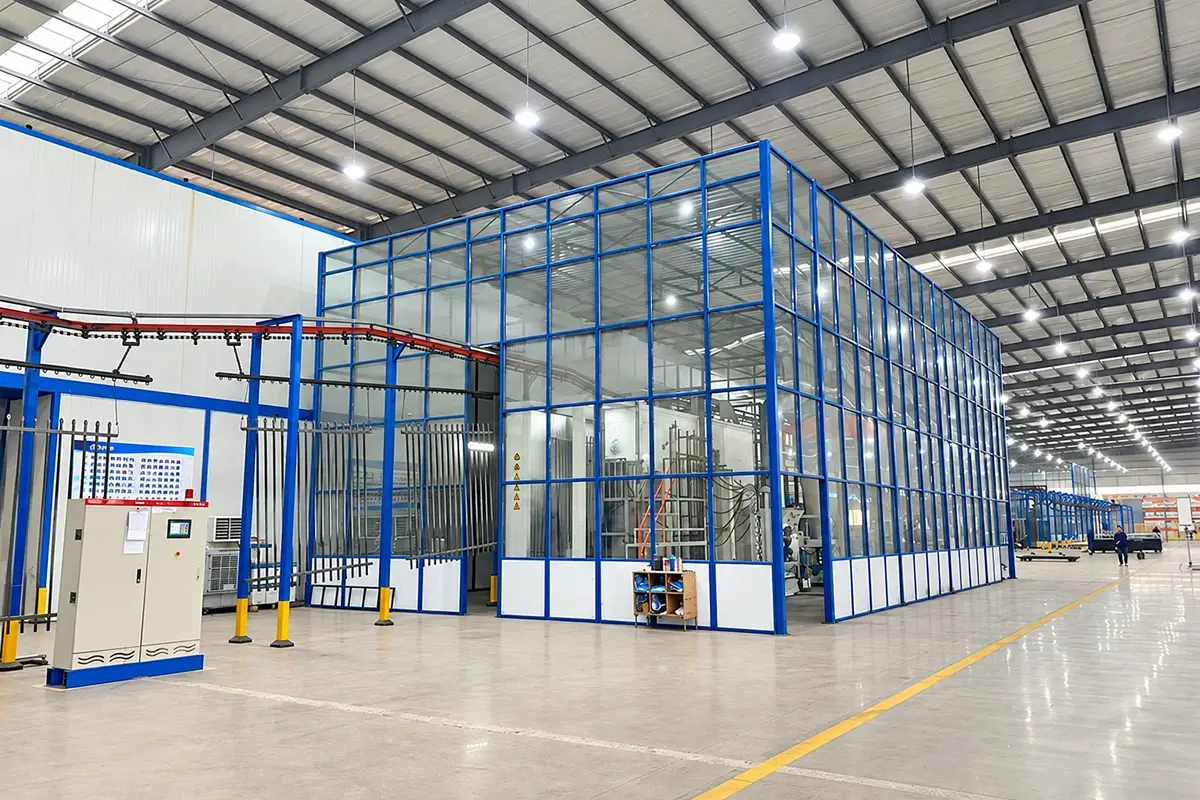
A fast welding process may wait for coated material, a galvanising slot, a special hinge or packing labour. Map the order through every required process and identify the slowest or least flexible stage. Include transport between partner sites where applicable.
Check whether special panels, gate frames and small fittings follow the same route as standard panels. A delivery is incomplete if its bulk mesh is ready but its gate posts or fixing sets are missing. Review completeness by the installation phase, not only by the largest tonnage item.
For mixed-product orders, ask how components are grouped and released together. The project supply process should preserve those references through inspection and packing.
Use a trial with a defined purpose
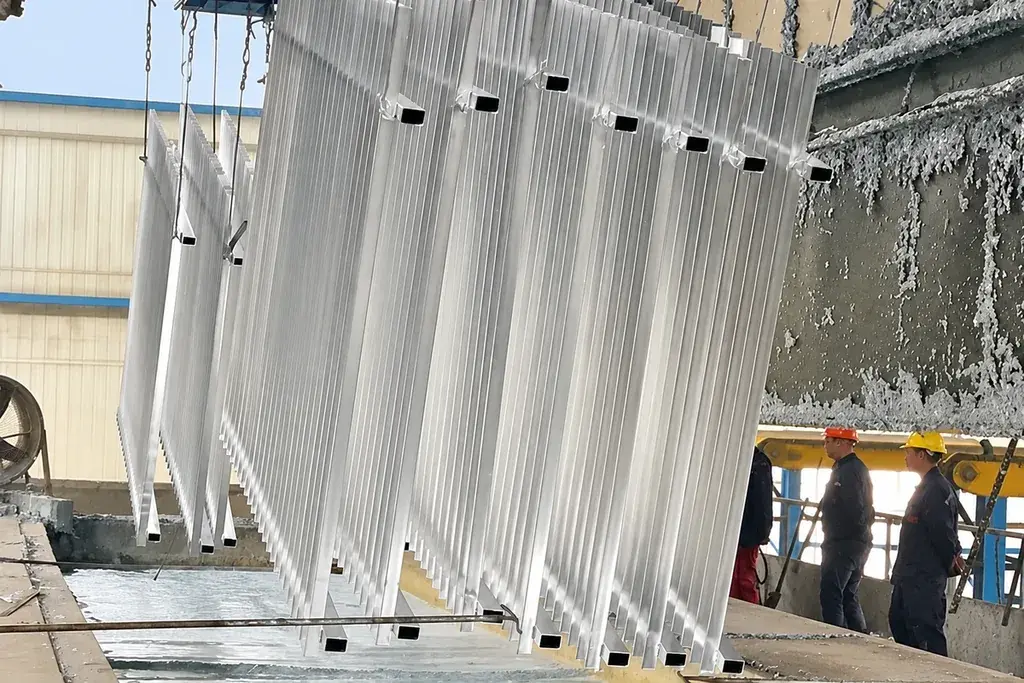
A sample or first-off assembly can test dimensional fit, edge finish, coating appearance or a production method. State which question the trial answers and what acceptance criteria apply. A small sample does not automatically demonstrate production capacity or long-term performance.
Retain the accepted sample reference and the drawing revision. If a later process or material changes, review whether the trial still represents production. Sample-to-production consistency explains the control needed between approval and bulk supply.
Review how problems are handled
Ask how incoming nonconformities, failed tests, rework and supplier changes are recorded. A useful system identifies affected material and prevents unintended release while a decision is made. It also retains evidence of correction and reinspection.
The final capability decision should state what has been demonstrated, what remains conditional and which controls are required in the order. Avoid inventing a numerical supplier score when the important gap is a missing mandatory process or evidence. A credible review makes the production route understandable and testable before the buyer becomes dependent on it.