
By FencingWise Editorial Team · Updated 17 September 2026.
Treat sample approval as a recorded decision about identified characteristics, not a general permission to manufacture anything similar.
Define the question the sample must answer
Before requesting a sample, choose its purpose. Colour, surface texture, dimensional review, component fit and performance testing require different evidence.
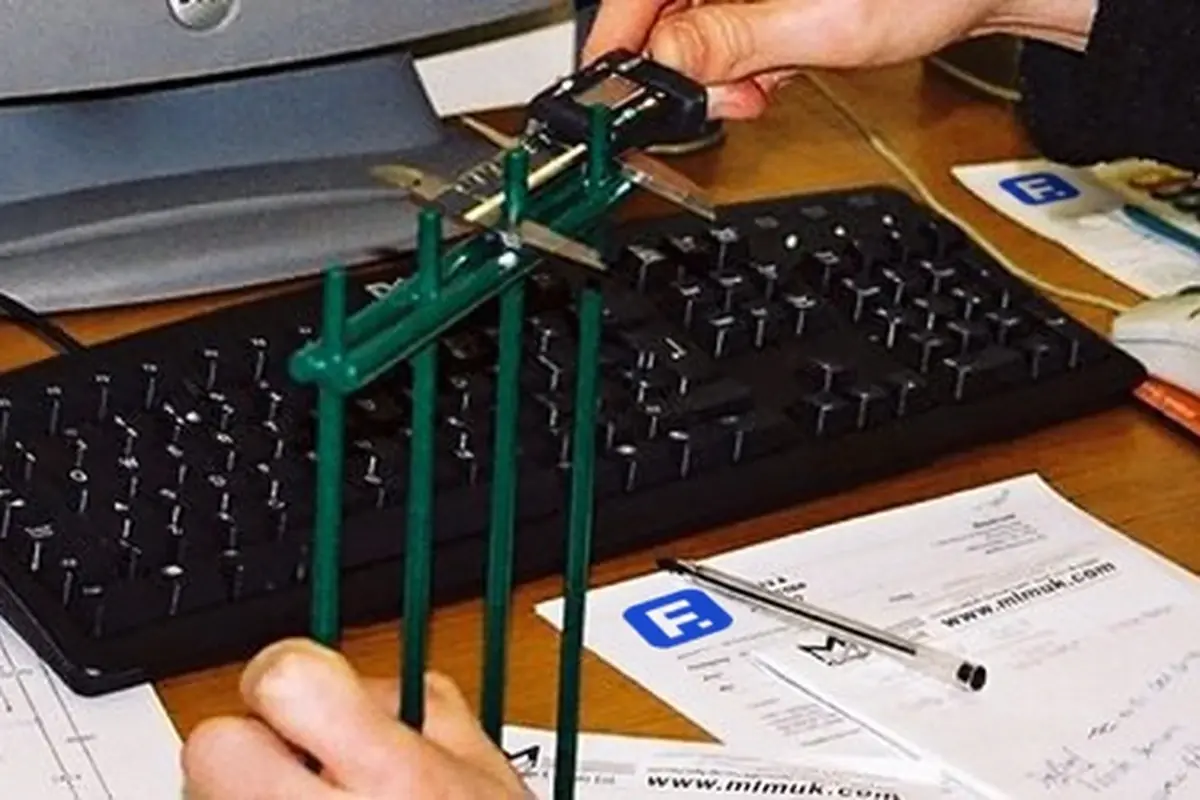
A small mesh piece may show wire arrangement and finish but omit the panel edge, full profile or post connection. If the concern is whether a clip fits a coated post and panel, request that assembly rather than a loose clip.
Use the samples service to define the requested item and review scope. Sample availability, cost and schedule belong to the actual enquiry; an example approval process does not imply free or stocked samples.
Separate the approval references
A simple sample plan might include three references:
| Reference | What it represents | What it does not establish alone |
|---|---|---|
| S-01 finish coupon | Colour, texture and specified finish observations | Full-panel dimensions or system performance |
| S-02 panel section | Wire arrangement, profile and represented edge detail | Every full-panel dimension |
| S-03 complete joint | Fit of the identified post, panel and hardware | Site foundation suitability |
These are illustrative codes. Record the physical dimensions, material, finish and drawing revision actually represented by each sample.
Where performance evidence is required, identify the test specimen and method separately. A sales sample is not a certificate, and a certificate for another configuration does not fill gaps in the sample review.
Use an approval sheet with measured results
For a fictional cap-and-post trial, suppose the post is described as 60 × 60 × 2 mm. Its simplified internal flat dimension is 56 mm, before allowances for corners, seams and coating.
The sample sheet should contain actual finished measurements and the fit observation, not only that calculation. It might record a cap code, post code, measured opening at defined locations, seated position and the agreed retention check.
The post-cap method explains how to carry out that fit review. The sample decision should state which post and cap combination passed, including its finish.
That creates evidence another person can repeat. “Approved, looks good” cannot do the same job.

Mark conditional approvals accurately
Sometimes one characteristic is accepted while another remains unresolved. Record the decisions separately, for example:
- Colour accepted against FIN-01.
- Panel width awaiting corrected drawing.
- Joint fit accepted for post PS-02 revision B only.
- Packaging sample not yet reviewed.
Do not turn this into an unrestricted production release. Identify which activities may proceed and which are held under the order's approval process.
If a supplier proposes starting material preparation before all details are settled, record the agreed scope and consequences. A decision about risk and schedule should not be hidden inside an ambiguous sample signature.
Assess a change by the affected interfaces
Assume the approved sample uses a 60 × 60 × 2 mm post, but the proposed production post becomes 60 × 60 × 3 mm.
The outside size stays the same. The simplified internal opening changes from 56 mm to 54 mm, a 2 mm reduction. That can affect an insert cap even when the original exterior clip still fits.
A useful change matrix would read:
| Characteristic | Potential effect of the example change | Review action |
|---|---|---|
| External cap or clip | Outside geometry may remain comparable | Verify finished mating dimensions |
| Internal cap | Smaller opening | Repeat fit review |
| Through-connection | Wall stack and geometry change | Recheck specified assembly |
| Structural selection | Different section properties | Return to responsible design review |
| Packing weight | Material content changes | Update actual weight information |
The example shows why “same nominal size” is not enough to extend an approval. It does not establish a structural substitution or a new product specification.
Carry the approved reference into production
The manufacturing instruction, inspection sheet and purchase order should identify the same accepted revision. Retained samples need readable labels and appropriate storage so they remain usable comparison references.
At the start of production, verify the characteristics the sample was intended to control. Then apply the agreed ongoing inspection plan. One approved sample is not proof that all subsequent items are identical.
For example, approval of one colour coupon for an order of 500 panels does not establish that all 500 were visually inspected. Production records should state what was checked, how samples were selected and which batches they represent.
Record deviations and reapproval without losing history
If the first production check differs from the approved sample, retain the observation and identify the affected goods. Assess whether the difference is within the agreed limits, needs correction or requires a formal purchaser decision.
When a revised sample is issued, give it a new revision or clearly traceable reference. Mark the previous sample as superseded for production while retaining the decision history.
Do not keep two unlabelled “approved” samples with different finishes or dimensions. The next inspector may select whichever produces the preferred answer.
Close approval with a usable release record
The final record should identify approved samples, controlled drawings, accepted characteristics, any permitted deviations and the person responsible for release. Include the inspection and packing requirements that remain in force.
The third-party inspection guide can use that record as its starting reference. Production consistency then means correspondence to defined, traceable requirements, rather than a promise that a container will look like a sample viewed months earlier.