
Map who moves through the site
Show pupil arrival, visitor reception, deliveries, staff access and community use outside teaching hours. Record the points where these routes meet. A fence and gate arrangement should support the operating plan instead of forcing staff to manage an avoidable crossing.
England's Department for Education provides school and college security guidance, including risk-assessment and planning resources. Use the applicable guidance for the school's jurisdiction and circumstances. DfE: school and college security.
Do not infer a universal school fence height from a neighbouring site. The required arrangement follows the actual security, safeguarding, access and emergency considerations.
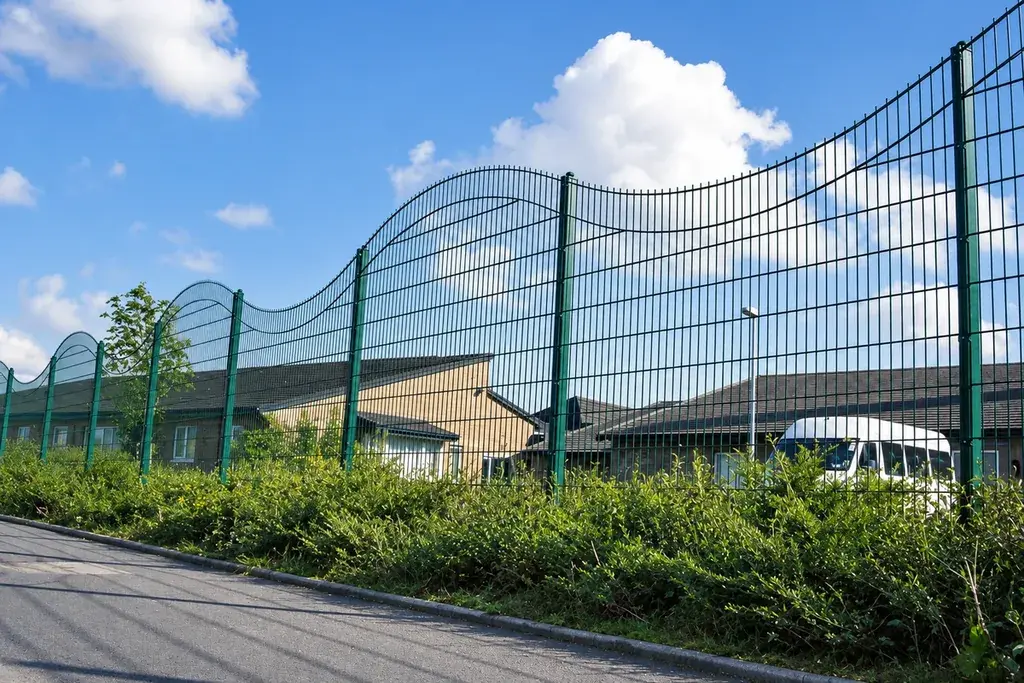
Give each zone a clear boundary purpose
| Zone | Primary question |
|---|---|
| Outer perimeter | How is unauthorised access controlled? |
| Visitor entrance | Can visitors identify and reach reception through the intended route? |
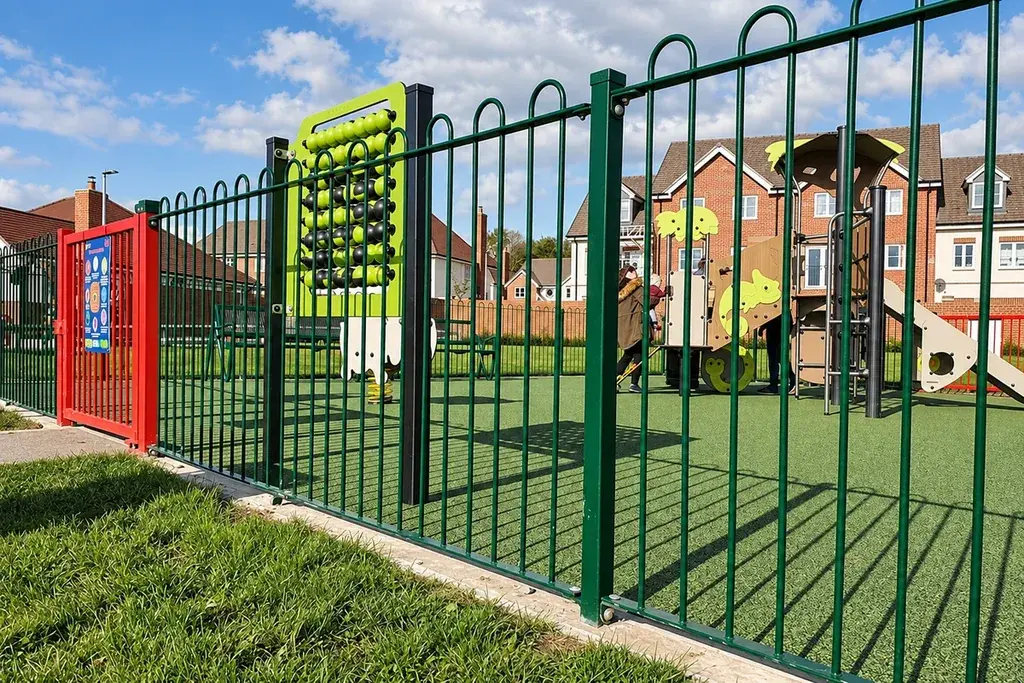
| Play area | Are the accessible edges and gate appropriate for the users? |
| Sports area | What containment, rebound and run-off arrangement is required? |
| Service compound | How are deliveries and restricted equipment separated? |
The same visual finish can coordinate the site while the infill, height and gates differ by duty. Appearance consistency does not require identical technical specifications.
Reconcile the fence schedule by zone
For an illustrative project, suppose the outer boundary contains 240 m of fixed fencing, the play enclosure 60 m and a service enclosure 40 m. The fixed-fence total is 340 m, but it should remain split into those three specification groups.
At assumed installed modules of 2.5 m, 2.0 m and 2.5 m respectively, the provisional quantities are 96, 30 and 16 modules, or 142 in total. These figures assume the given lengths already exclude openings and resolve into whole modules. Real corners, connection offsets and special panels need their own schedule.
Ordering 142 identical panels would erase the different duties. Keep each zone's drawing, component references and gate requirements attached to its quantity.
Coordinate gates with operating states
Identify whether each gate is used during arrival, lessons, deliveries, after-school activity or emergency response. Show the clear opening, swing, control method and responsible operator. A gate routinely held open should not be treated as a continuously closed boundary in the security plan.
Where the site opens selected facilities to the community, show how the remainder of the school remains controlled. This may require internal separation and a different evening route rather than a more substantial outer fence.
Powered gates require assessment of the complete installation. A school purchase should not treat a motor as a simple addition to an otherwise unchanged manual gate.
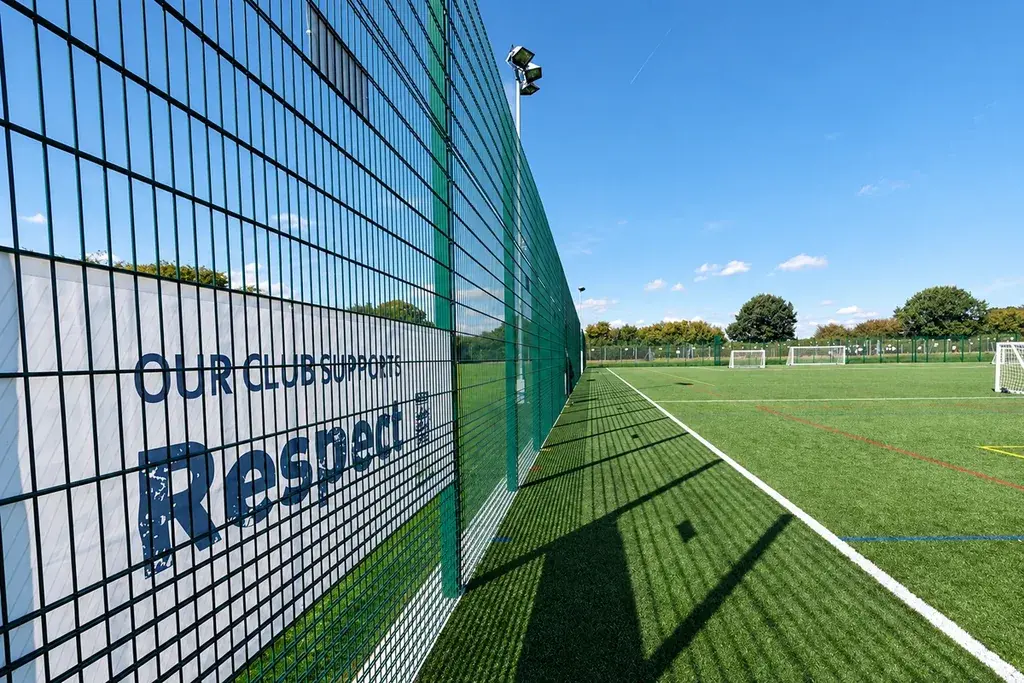
Review shared use outside school hours
Map the route from the public entrance to the facility being opened, including toilets, parking and emergency access where relevant. Identify the boundaries that keep visitors within the intended area while the remainder of the school remains controlled. The evening route may need a different gate state from the teaching-day arrangement.
Record who changes and checks those states. A gate left open for community access can undermine an internal separation line if no one restores it before pupils return. The operating plan should identify the responsibility rather than relying on a general instruction to secure the site.
When facilities are altered, review the route and boundary together. A new sports store or entrance may change how people move through an otherwise unchanged fence layout. Keep the school-wide plan current so maintenance and purchasing decisions preserve the intended zoning instead of treating each replacement panel or gate as an isolated item.
Review transitions and future maintenance
Inspect where sports fencing meets lower railings, where a gate meets a wall and where ground levels change. These transitions can leave unintended gaps or create accessible projections even when each standard panel is suitable.
Retain component references by zone so replacements preserve the intended function. A maintenance contractor should not replace a damaged play-area gate with a similar-looking service gate merely because it fits the opening.
For the play boundary, use playground fence and gate checks. For courts, sports fencing selection develops the containment decision. The school-wide schedule should join these separate technical choices to a coherent daily access plan.