
By FencingWise Editorial Team · Updated 17 September 2026.
The coating manufacturer's care and repair instructions should govern the products and methods used on the actual fence.
Separate dirt from damage before treating it
Walk the affected section and record its location, component and condition. Look for contamination, local scratches, blistering, peeling, visible corrosion and mechanical deformation. Inspect connections and lower areas where the surface may be partly hidden.
Do not diagnose every orange mark as corrosion of the underlying fence. Deposited material can stain an intact finish. Conversely, a small clean-looking scratch may expose the substrate.
A gentle, approved test clean can help distinguish surface contamination from coating damage. If the finish is lifting or the substrate is deteriorating, move the issue into a repair assessment rather than continuing to scrub.
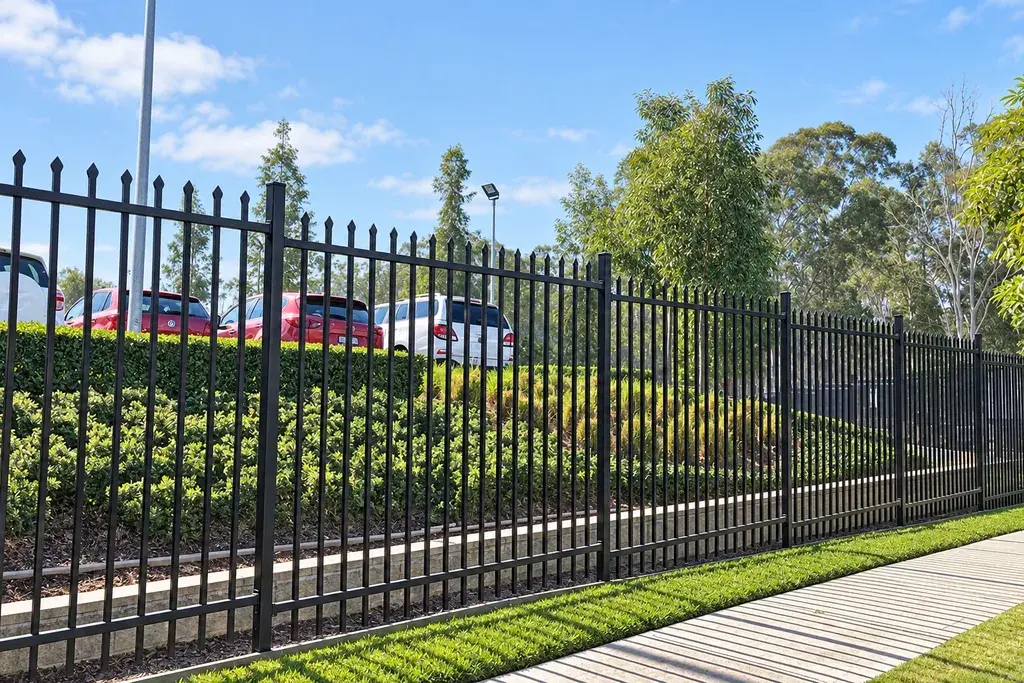
Use a controlled cleaning sequence
Follow the installed coating's cleaning instructions. Confirm detergent compatibility, use non-abrasive methods where specified, and rinse as instructed. Do not apply a cleaning chemical or solvent without checking its suitability for the finish.
For a coating whose care instructions allow it, organise cleaning as follows:
- Record the area and photograph representative marks.
- Remove loose dirt without dragging abrasive particles across the finish.
- Test the approved cleaning solution on an inconspicuous area.
- Wash using the permitted soft cleaning material.
- Rinse thoroughly to remove residues.
- Inspect after the surface has dried and record any remaining defects.
Avoid turning a general method into an invented chemical recipe. Detergent concentration, temperature and any specialist stain treatment should follow the applicable product instructions.
Do not make pressure or abrasive cleaning the default
Aggressive treatment can change gloss, damage a sound finish or force water into details that were not designed for that exposure. A stubborn deposit is a reason to obtain an appropriate cleaning method, not to keep increasing force until it disappears.
Keep the original sample or finish record available where appearance matters. Cleaning one small area to a different gloss can leave a patch that is more visible than the original mark.
For contamination from nearby construction, record what was deposited and when. Cementitious material, sealants or paint splashes may need specialist advice rather than the same treatment used for ordinary dust.
Classify what remains after cleaning
| Observation after approved cleaning | Next action |
|---|---|
| Intact finish with the mark removed | Record cleaning and return to the maintenance schedule |
| Local coating scratch without deformation | Assess a compatible local repair system |
| Peeling or blistering across an area | Investigate the extent and cause before recoating |
| Corrosion at cuts or connections | Assess substrate and coating condition at the joint |
| Cracked weld, bent member or unstable support | Arrange component/assembly assessment, not cosmetic touch-up |
The classification determines who should do the work and what information they need. A coating repair specialist needs a different brief from a team replacing a damaged panel.
The panel replacement guide addresses cases where the component itself needs attention.
Define a repair patch without prescribing a generic margin
Suppose a fictional inspection identifies three scratches, each approximately 120 mm long and 5 mm wide. Their visible combined area is:
3 × 120 × 5 = 1,800 mm² = 0.0018 m².
That calculation records the visible damage only. It is not the required repair area: the approved preparation may extend beyond it, and hidden deterioration may enlarge the work.
Do not convert that small area directly into a paint quantity by dividing by a catalogue coverage rate. Application losses, minimum practical quantities, preparation, coat system and geometry affect the repair. Ask the repair provider to define the scope and record the prepared area actually treated.
A dimensioned photograph is more useful than the phrase “minor scratches on several panels”.
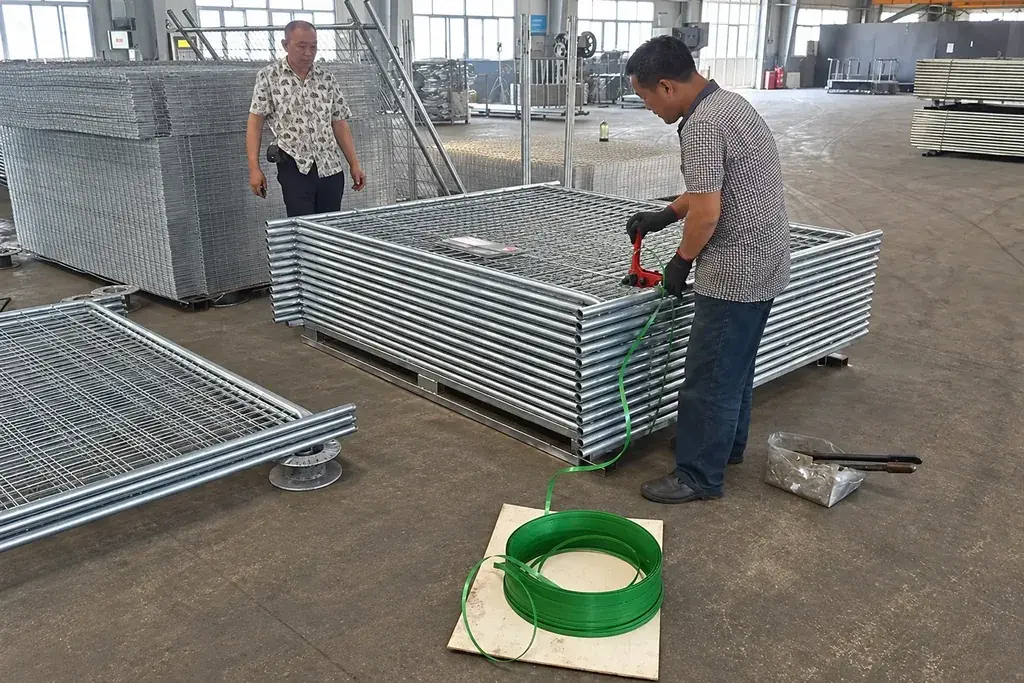
Match the repair system to the existing layers
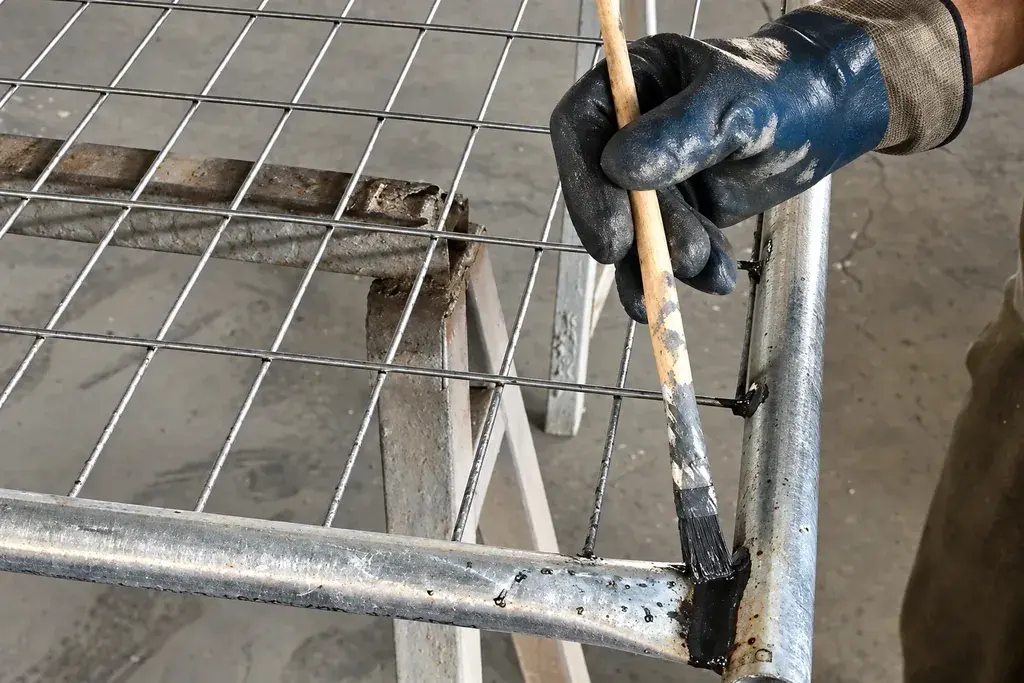
Identify the substrate, original zinc treatment where present, powder coating and the extent of exposure. A colour-matched topcoat alone does not establish that the original corrosion protection has been restored.
Obtain a compatible repair procedure covering surface preparation, products, application conditions, drying or curing, and the required checks. Where warranty terms apply, determine whether the proposed repair affects them before work begins.
Touch-up is generally an appearance and protection repair with its own limits; it should not be presented as identical to the original factory powder-coating process. Agree the acceptable appearance of a trial repair where the patch will be prominent.
Keep a repair record with a completed example
An illustrative record could read:
- Location: Run R-02, panel P-017, lower outer face.
- Initial observation: three scratches, visible dimensions recorded above.
- Cleaning: method CM-01, mark remained after drying.
- Assessment: local coating damage; component condition reviewed separately.
- Repair: approved procedure RP-03, product and batch entered by the applicator.
- Completion: prepared extent, application date, conditions and inspection result recorded.
This is a document example, not a report from a FencingWise installation. Its value is the trace from initial observation to the specific treatment and recheck.
Set the next inspection from the actual exposure
Use the coating supplier's maintenance requirements and site conditions to establish intervals. Sheltered areas, deposits, de-icing salts or coastal exposure may require particular attention. A generic annual wash is not automatically appropriate for every location.
Compare later observations with the repair record. If deterioration returns at the same joint, investigate the continuing cause rather than repeatedly applying another cosmetic coat. Maintenance then becomes a documented response to the fence's condition, rather than a series of untraceable touch-ups.