
Start with the equipment and operating plan
For a solar site, long runs, terrain and vegetation access may dominate the material schedule. For battery equipment, the specialist layout can establish access and separation constraints. For a generation compound, equipment replacement and electrical interfaces can shape the gate package. Fuel-handling areas add their own operational and hazardous-area requirements.
These are planning distinctions, not prescribed safety distances. The relevant designers establish fire, electrical and hazardous-area measures before the fence line is fixed. HSE's electrical precautions provide the general electrical risk context.
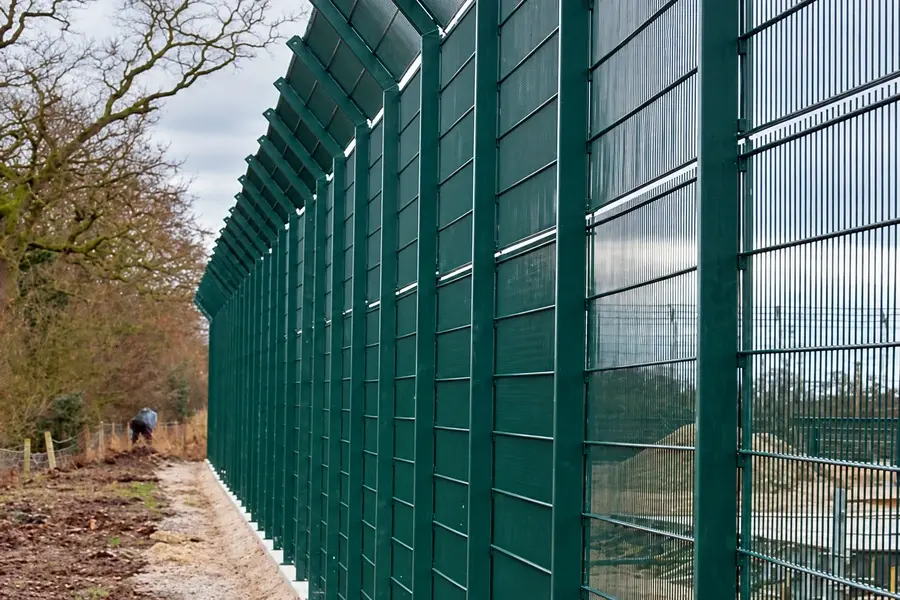
Allocate the boundary functions
| Function | Put in the fence enquiry | Keep with the responsible specialist |
|---|---|---|
| Access control | Construction, gates and locking interfaces | Required protection level and access policy |
| Electrical interface | Conductive materials and connections | Earthing, isolation and clearances |
| Equipment service | Removable sections and usable openings | Removal method and lifting envelope |
| Vehicle movement | Gate geometry and adjoining fence | Traffic routes and any impact protection |
This division helps avoid two common purchasing errors: asking a general fence to perform an untested vehicle-barrier function, and assuming an open mesh panel satisfies every ventilation or fire-layout requirement.
Quantify operating openings separately
Suppose an illustrative project includes six 1.2 m pedestrian openings and two 6 m equipment openings. Total clear opening is 6 × 1.2 + 2 × 6 = 19.2 m. Those dimensions are assumptions for the schedule, not standard access widths.
Deduct each opening at its location, then count gate leaves, support posts, receivers and removable sections by assembly. A 6 m opening might use several possible gate arrangements; it does not tell the supplier how many leaves or which support design is required.
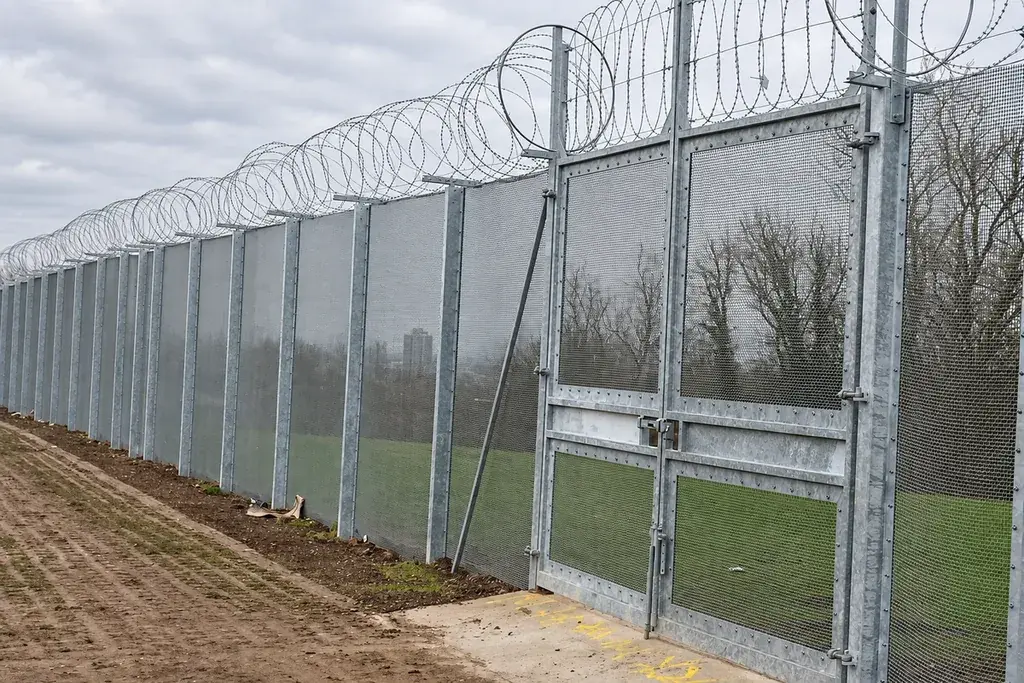
Avoid coating choices based only on the site label
A coastal generating station and an inland solar field may have very different exposure. Even within one site, drainage and chemical contact can change local conditions. Specify the environment and maintenance access, then select the material and protective system against them.
Keep vegetation control and cleaning routes in the layout. Adding screening to a fence later changes its wind-exposed area and may interfere with the approved operating arrangement. Review that change before procurement.
Order maintainable sections
Use consistent component references for repeat runs and identify exceptions clearly. A standard spare panel will not fit a special equipment opening simply because both are described as the same fence family.
For handover, separate the fence inspection, electrical checks, specialist safety acceptance and access-control commissioning. List the responsible party and completion evidence for each. The substation guide expands the electrical interface, while the remote-site maintenance guide covers spares and service access.