
By FencingWise Editorial Team · Updated 17 September 2026.
Four connection forms to distinguish
| Form | How it meets the fence | Key compatibility point |
|---|---|---|
| Face clip | Holds mesh against a post face at a discrete position | Wire profile, clip seat and post fixing |
| Side bracket | Connects an edge or rail beside the post | Offset, hole positions and available clearance |
| Clamp bar | Extends along a length of panel edge | Bar section, overlap and fixing pattern |
| Tube or frame connector | Joins framed temporary panels or tubular components | Tube size, spacing and connector geometry |
A temporary-panel tube clamp is not a substitute for a permanent mesh clip. Similarly, a railing bracket that receives a hollow rail does a different job from a bar clamping a mesh edge.
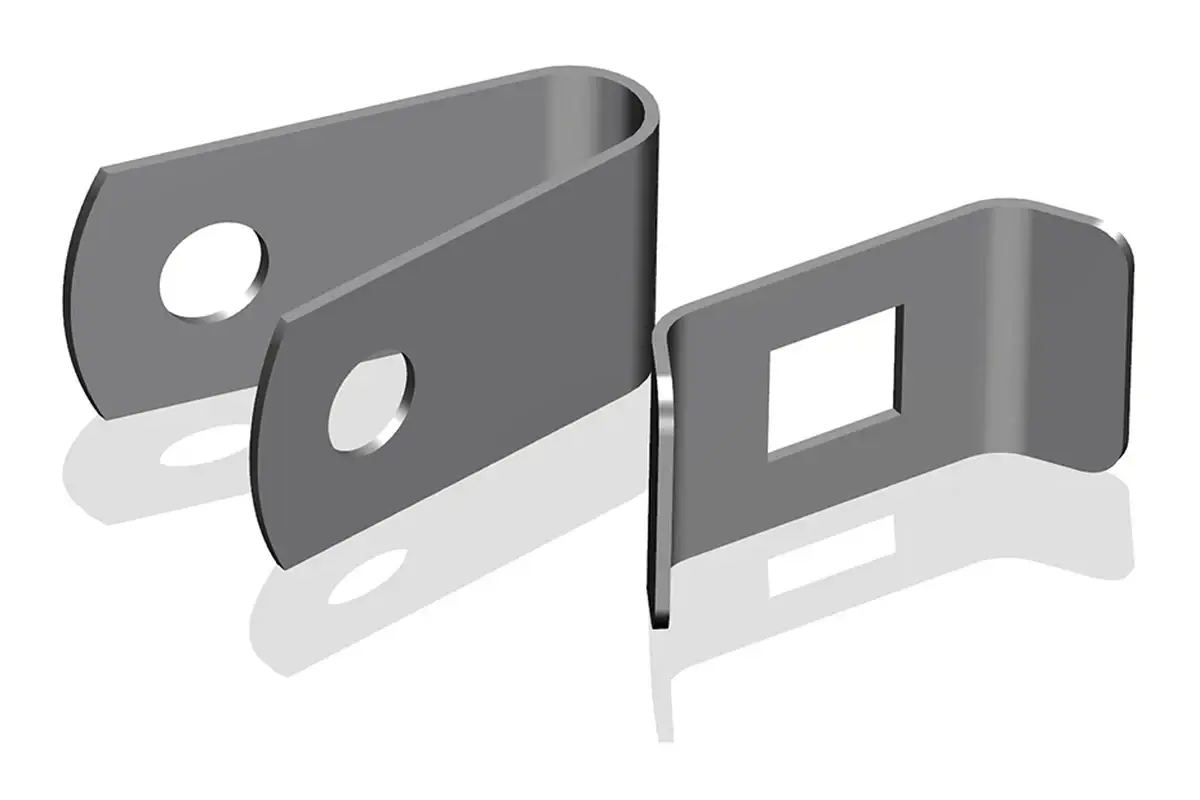
Check the panel contact first
The fitting must accommodate the actual wire or frame profile. Double wire presents paired horizontal wires; a profiled panel also introduces bends and offsets. The contact should match the intended location, not merely the largest visible gap in the fitting.
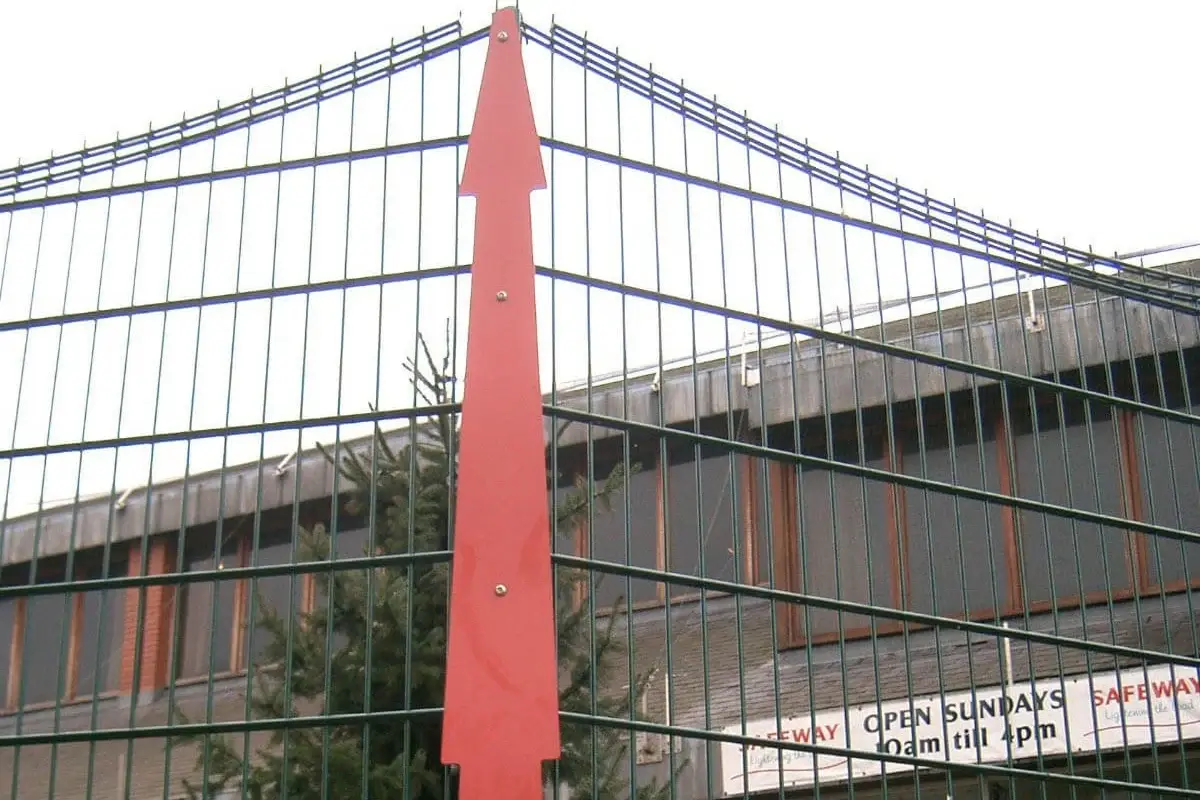
A coating adds to the finished dimensions. Fitting a component onto bare steel during an early trial may not establish how the finished parts will seat.
Then follow the fastener through the assembly
List the parts in the clamped stack: fitting, mesh or rail, post wall or support, washers and any specified spacer. That stack affects the required fastener length and engagement.
Hole size alone does not define a bolt. Diameter, thread, length, head or nut form, material and finish need to match the approved connection. A projecting thread can also affect the exposed face, especially where users contact the fence.
Installation torque and any anti-tamper setting method must come from the specified connection or component instructions. They should not be guessed from the spanner size.
Access changes the choice
A through-bolt needs access to the relevant sides of the post unless the system provides a specific captive arrangement. A connection against a wall or inside a narrow return may not leave the same tool access as a straight open run.
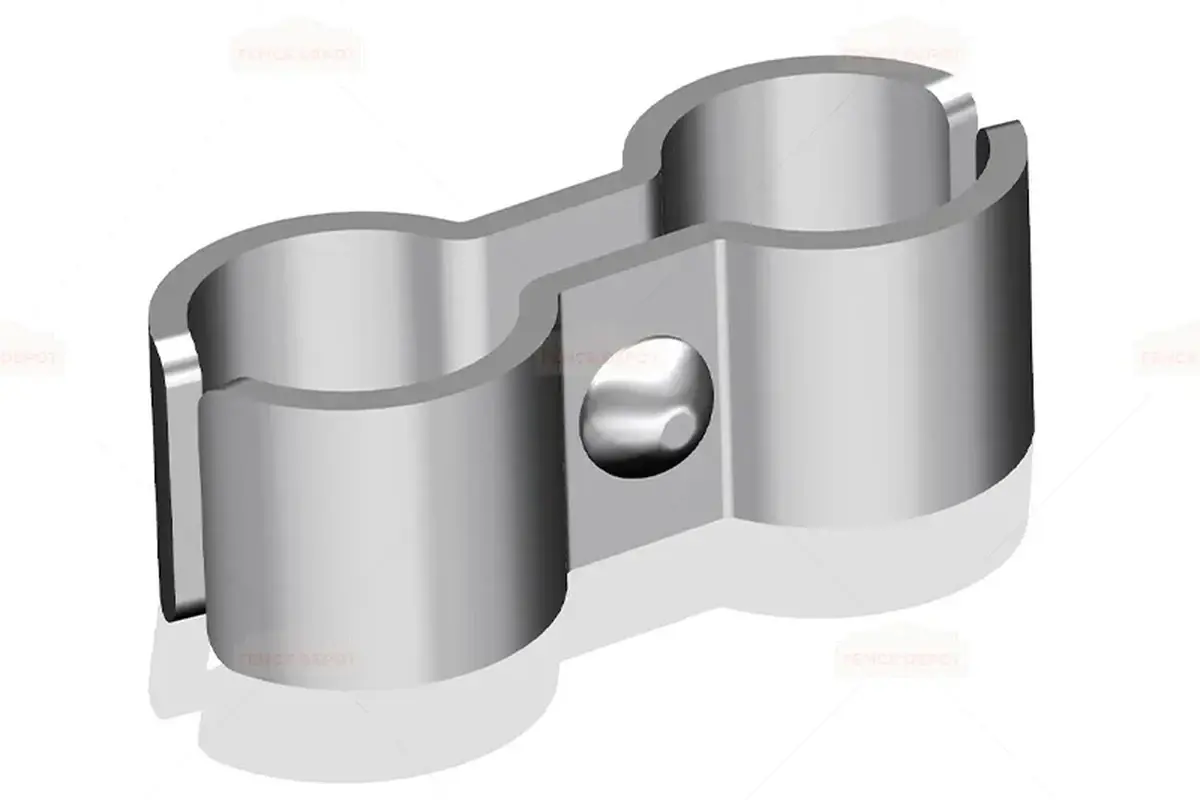
At a corner, check both fittings together. Two individually compatible brackets can interfere with each other when they share a post. A drawing of the complete node is more useful than separate component photographs.
Count fittings from the connection detail
The number of fixing positions follows the approved system detail. Some connections are shared between adjoining panels; others use independent fittings for each panel edge. That distinction changes the accessories BOM.
FencingWise's clamps and fixings page provides the supply enquiry route. Include the mating panel and post references so a visually similar but incompatible fitting is not treated as a replacement.