
By FencingWise Editorial Team · Updated 17 September 2026.
Separate the assembly from its loose parts
“Eighty fixings” is ambiguous. It might mean eighty complete clamp sets or eighty bolts without nuts and washers.
Give each assembly a reference and state its contents. If a supplier quotes a complete set, do not add its included components a second time. If components are quoted separately, the same assembly breakdown provides the required quantities.
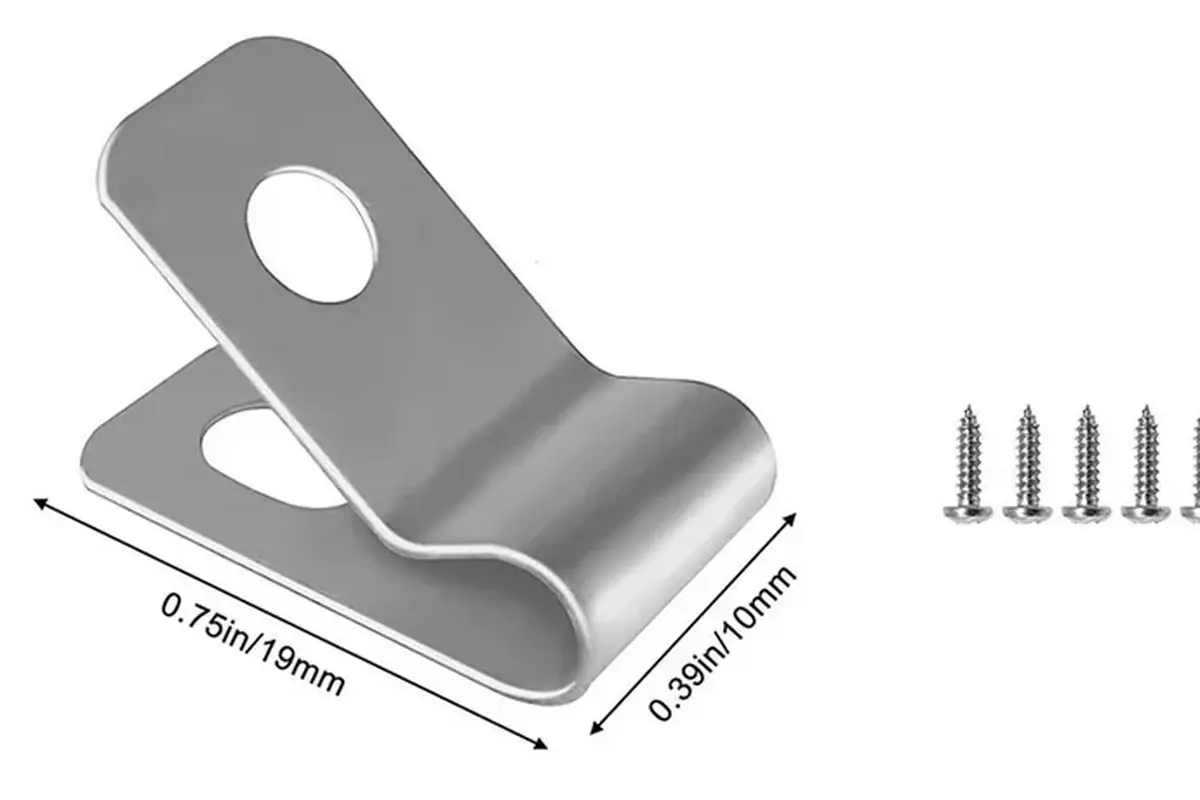
Worked example: ten straight bays
Assume an illustrative fence with ten panels and eleven posts, no gates or corners. Each panel edge has four independent clamp positions. Each position uses one clamp, one bolt, one nut and two washers. Each post has one cap.
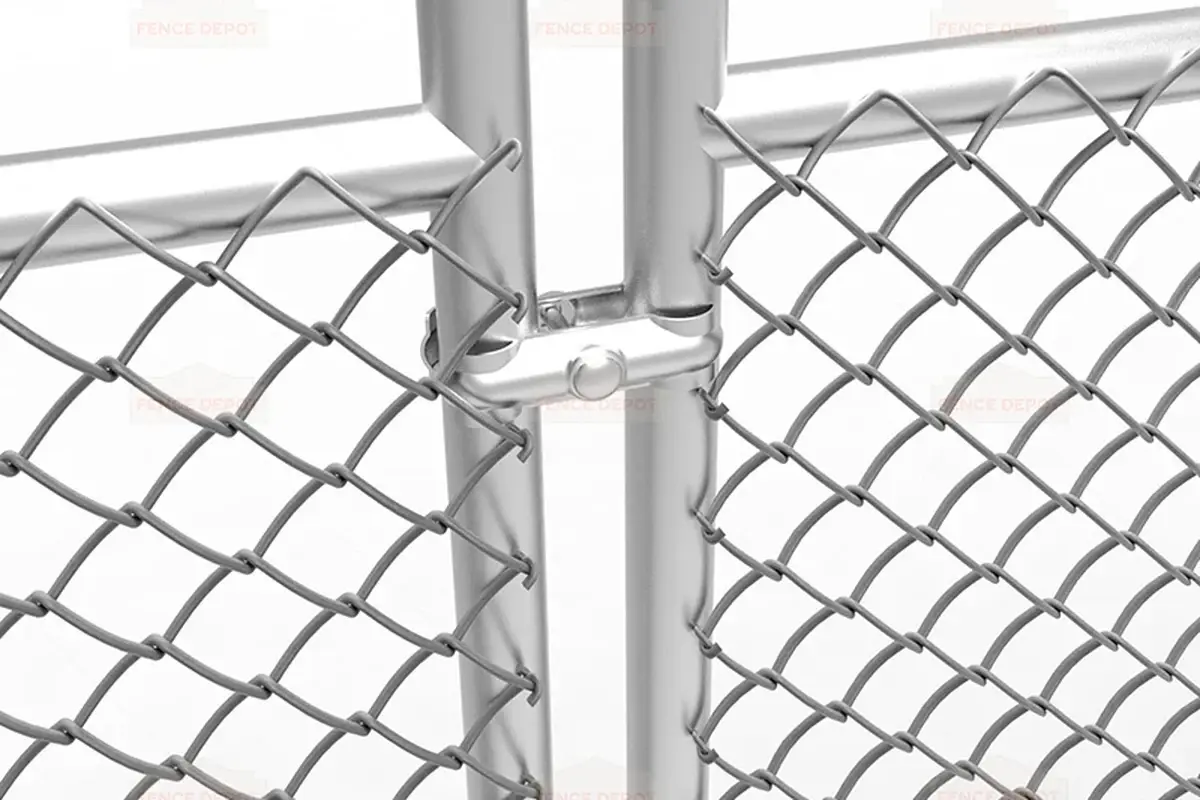
The four positions are an arithmetic assumption, not a fixing-spacing recommendation.
| Item | Calculation | Quantity |
|---|---|---|
| Panel edges | 10 panels × 2 edges | 20 |
| Complete clamp positions | 20 edges × 4 | 80 |
| Clamps | 1 per position | 80 |
| Bolts | 1 per position | 80 |
| Nuts | 1 per position | 80 |
| Washers | 2 per position | 160 |
| Post caps | 1 per post | 11 |
A second check gives the same result: the two end posts carry four positions each, and the nine intermediate posts carry eight independent positions each. 2 × 4 + 9 × 8 = 80.
A shared fitting changes the count
The example assumes separate fittings for each panel edge. A system with one fitting that secures both adjoining edges would need its own node breakdown. Reusing the eighty-position result for that system could over-order parts.
Likewise, a clamp-bar system may count bars, fixing locations and fasteners differently. The number of panels alone does not determine every accessory quantity.
Add special nodes on their own lines
Corners, closing bays, stepped panels and gates can use different brackets or fastener lengths. Identify them separately instead of spreading a percentage across the standard fittings and assuming it will cover the difference.
For each line, retain the part description, dimensions, finish, assembly reference and quantity. Record spares separately from the calculated installation quantity so the receiving team can distinguish an allowance from a counting error.
The post-position guide helps establish node quantities. The bracket guide explains which mating dimensions distinguish similar components.
Reconcile the list with the quotation and packing
Check whether caps arrive fitted to posts, whether hardware is packed with gates and whether clamp sets already include fasteners. Then compare the ordered quantities with the packing list by the same item references.
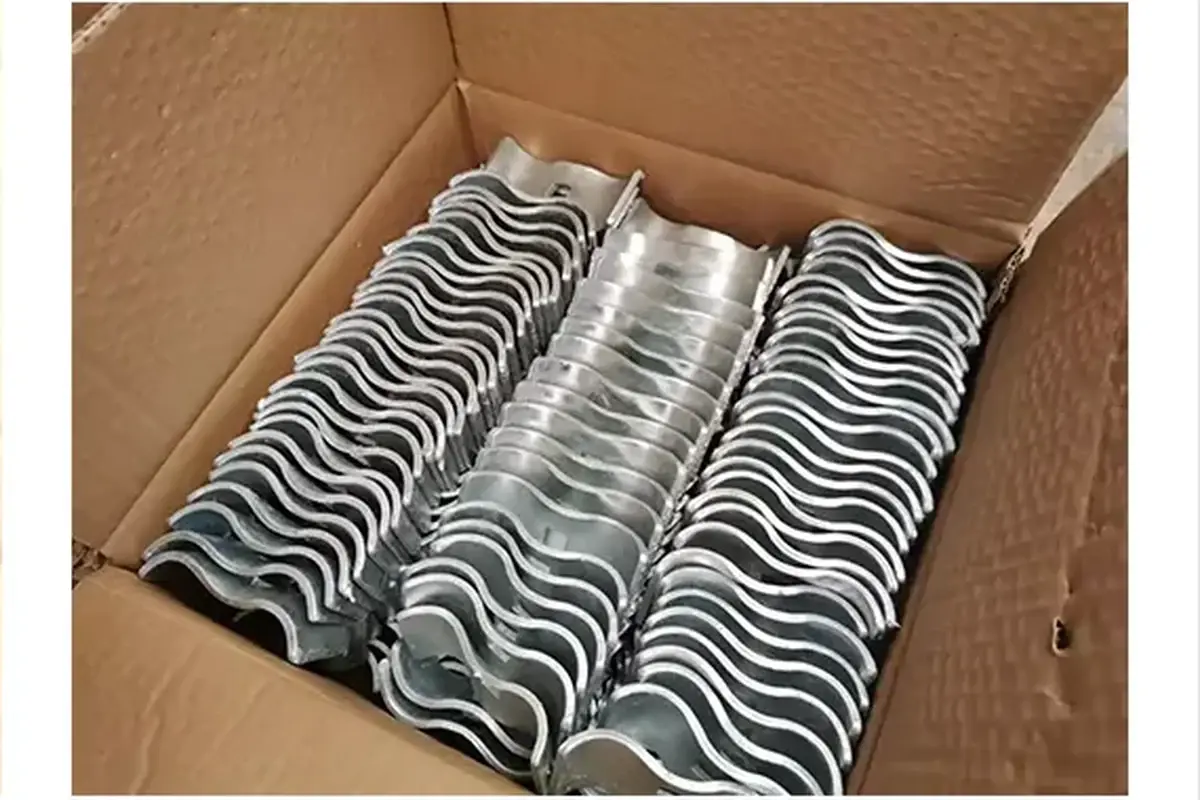
The downloads library contains an editable component worksheet. Its value comes from the defined connection and counted layout entered into it; it is not a universal fittings list for every fence.