
Classify the evidence by its purpose
| Document | Typical purpose | Important limitation |
|---|---|---|
| Product certification | Third-party attestation within a defined scheme | Covers the named scope and conditions |
| Test report | Records specified tests on identified samples or configurations | Does not automatically certify every delivered product |
| Supplier declaration | Supplier’s statement against identified requirements | Needs a clear basis and the applicable supporting evidence |
ISO’s conformity assessment explanation distinguishes first-party and third-party statements. The document’s authority and scope matter more than whether its heading contains the word “certificate”.
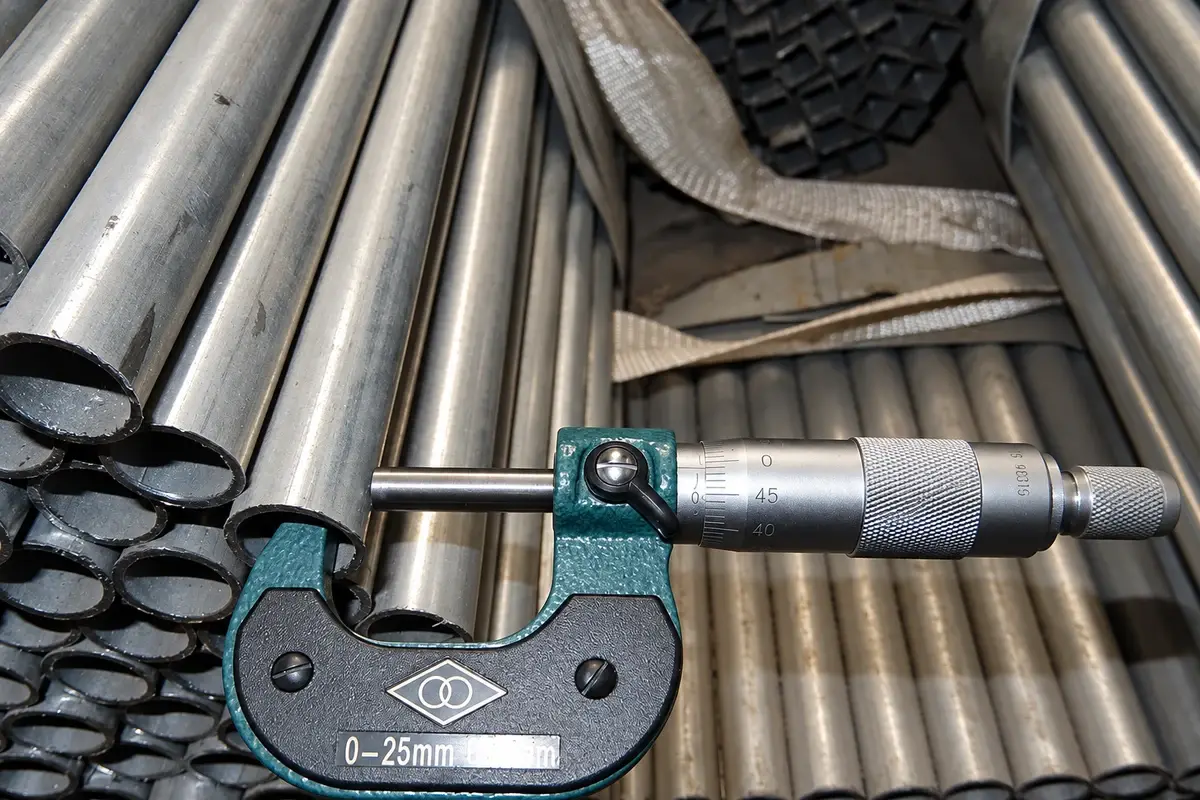
Follow one order through three different questions
Suppose a fictional project buys mesh panels with specified dimensions and a separate required system performance. A dimensional inspection record can address the measured panels. A coating test report can address its identified sample and method. A product certificate may address a defined system configuration under its scheme.
None should be silently substituted for another. A coating result does not establish system security performance; a system certificate does not remove the need to identify the supplied components and inspect the order as agreed.
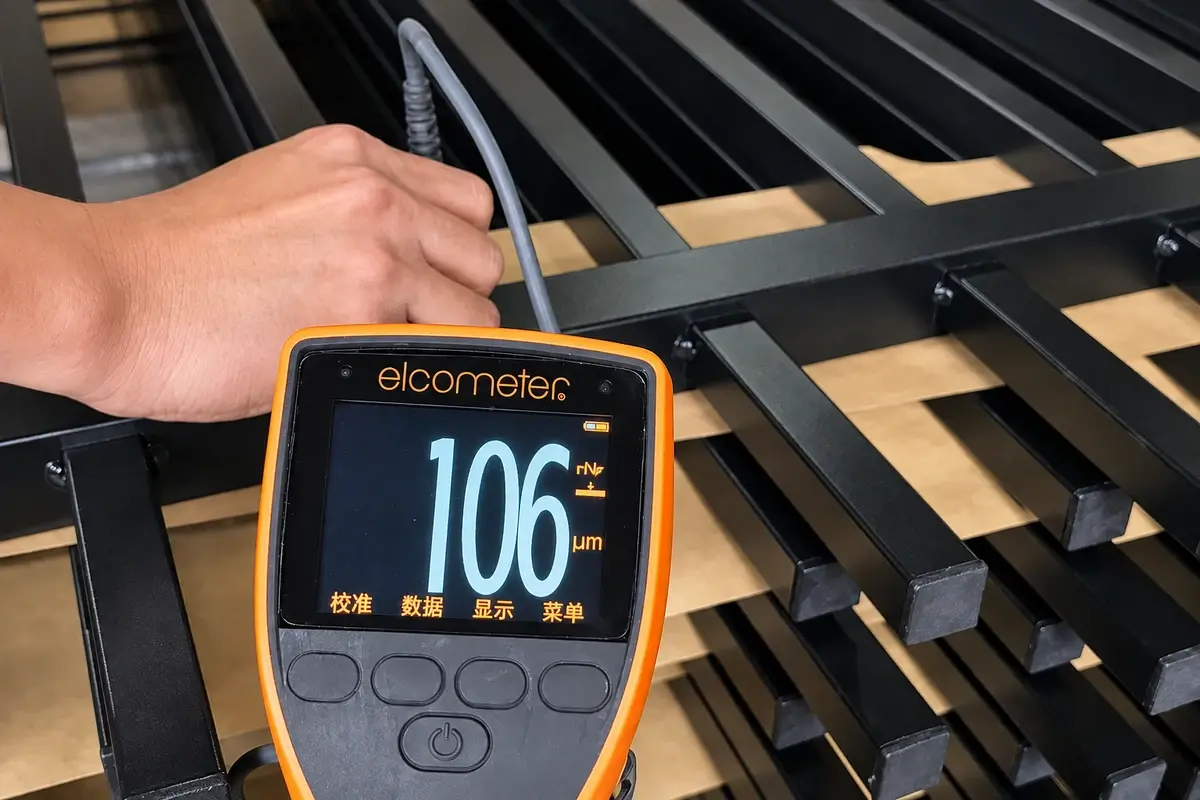
Read sample identification in a test report
Record the submitting party, sample description, test method, dates and results. Check whether the result is stated against a defined acceptance criterion and whether deviations or qualifications are included.
Keep the tested sample separate from the purchase batch unless traceability establishes the relevant connection. A report may be useful supporting evidence without proving every claim made in a sales quotation.
Give a declaration a precise object
A useful declaration identifies its issuer, product or supply, requirements and supporting basis. An unsigned statement saying “all international standards” is not a meaningful match to a project specification.
Ask the supplier to identify the actual requirements being declared and the scope of the statement. Where the project or applicable rules require a particular conformity route, a generic declaration cannot replace that route.
Check the assessor’s scope where required
Accreditation and certification have different roles. UKAS explains this in its comparison guidance. If the project requires accredited testing, check the relevant activity and method in the laboratory’s scope rather than relying on the presence of a mark.

Create an evidence register for the order
Use columns for requirement, document reference, assessed object, supported conclusion and remaining gap. Allocate unresolved items to a responsible reviewer. Keep accepted revisions with the purchase specification and delivery records.
For document authenticity and exact configuration matching, follow the certificate scope checks. For management-system evidence, read ISO 9001 versus product certification.
The objective is not to collect the largest number of PDFs. It is to connect each required conclusion to the right evidence without extending a document beyond what it actually covers.