
By FencingWise Editorial Team · Updated 17 September 2026.
A screenshot of the preferred colour is a useful starting point. It is a poor final acceptance sample.
Record more than the colour number
Create separate fields for colour system and code, powder product where specified, texture, gloss requirement and approved sample identity. If the mesh, posts and gates are coated in different batches or by different applicators, make the shared appearance requirement explicit.
The RAL guidance on digital colours explains that a digital representation approximates the physical colour and recommends a physical sample for the final decision. Display settings and colour spaces can change what a buyer sees.
Consequently, an RGB or hexadecimal website colour is not a substitute for an approved physical fence finish. Nor should a colour name such as “anthracite” silently replace the specified colour system and code.
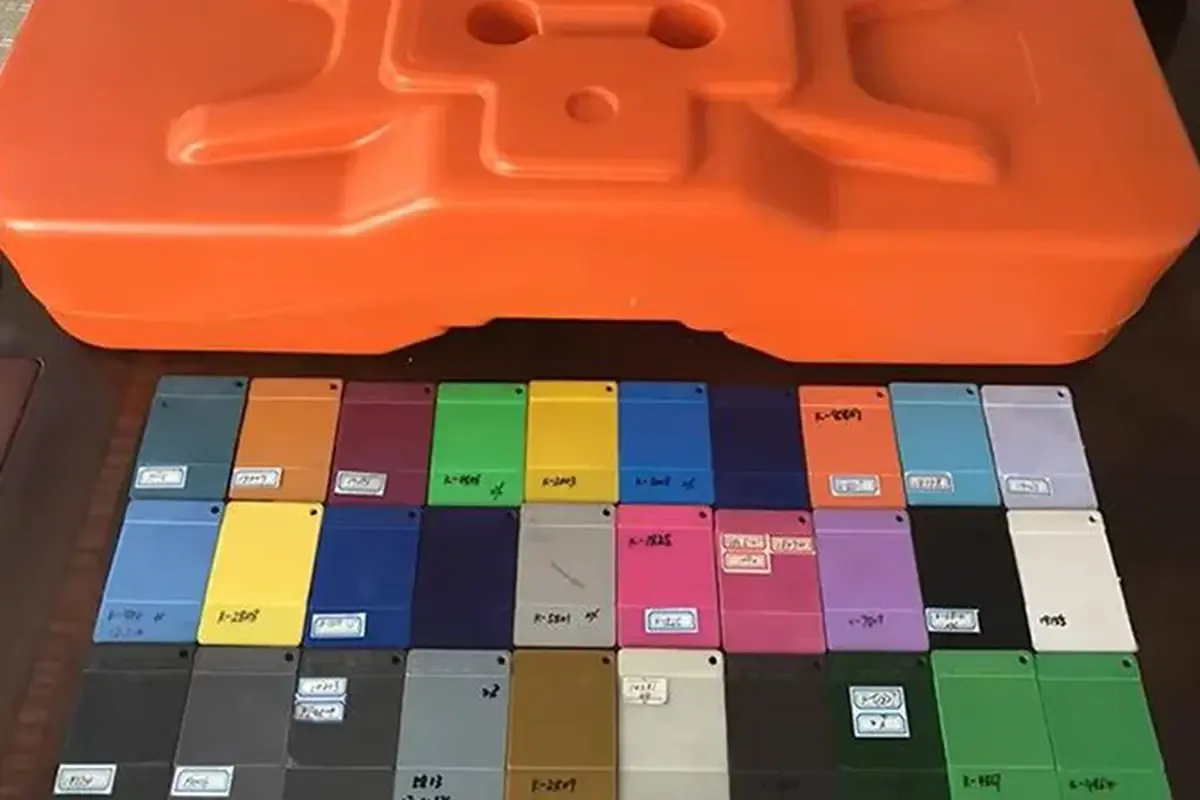
Compare samples under consistent conditions
Clean the reference and candidate using a method suitable for their coatings. Place them together under the agreed lighting and viewing arrangement. Keep their orientation consistent, particularly where a textured or effect finish responds differently as the viewing angle changes.
Record which faces are being compared. A broad flat post face and a curved wire reflect light differently. A flat coated sample helps compare the finish, while an actual assembly helps judge its appearance on the intended shapes.
Agree the representative sample before production. If a project has a critical visual requirement, define the assessment conditions and acceptance criteria with the coating supplier or qualified colour specialist rather than relying on “looks close enough”.
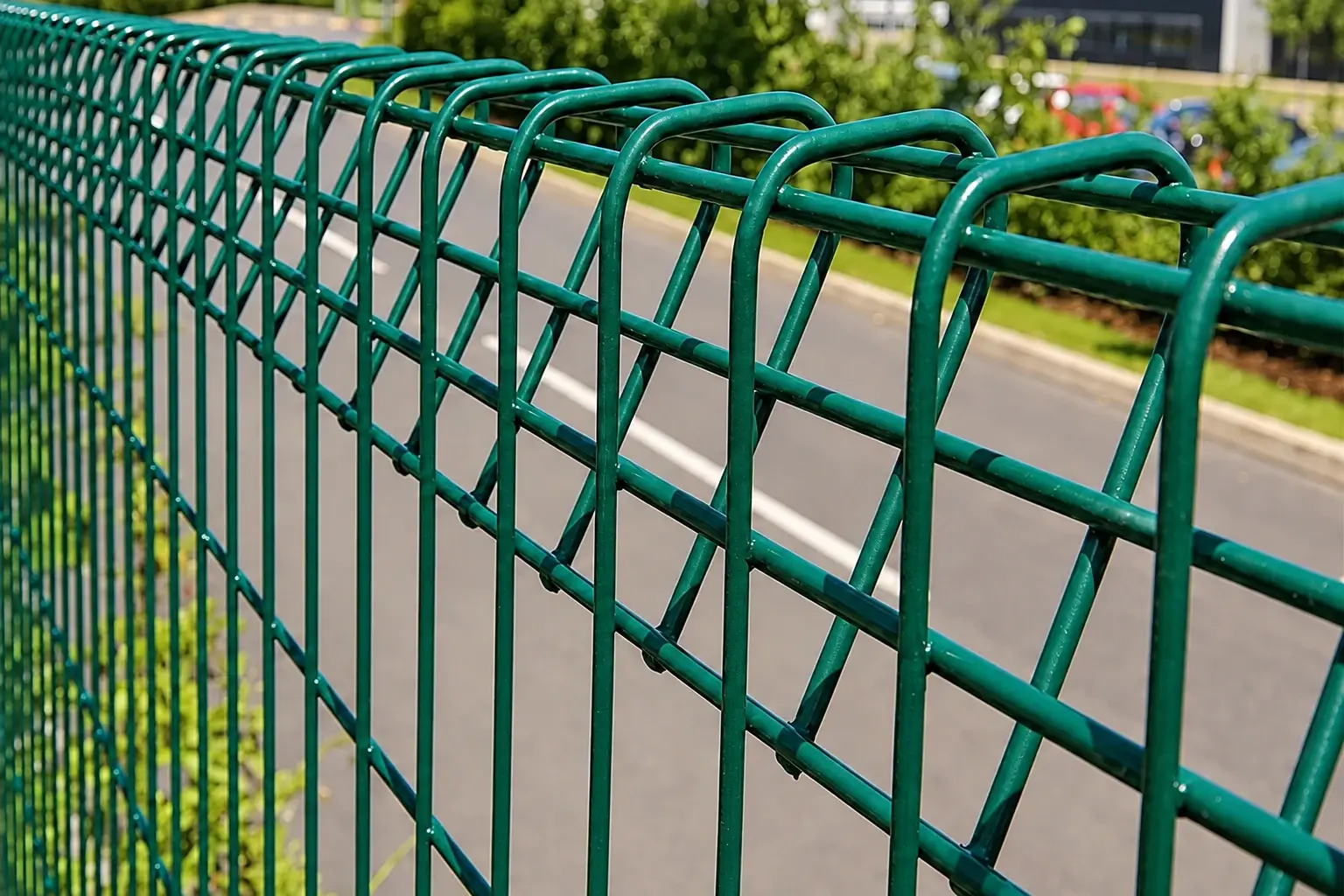
Treat gloss as a separate measurement
Gloss values need a measurement geometry and a suitable instrument. Record the measurement angle beside the result; a bare number without that information is incomplete.
Consider a fictional approval agreement requiring 30 ± 5 gloss units at 60°, measured on defined flat samples using the same suitable instrument and method. The allowed interval for that example is 25–35 GU.
| Sample | Recorded value at 60° | Result against the example's gloss interval |
|---|---|---|
| A | 28 GU | Within interval |
| B | 31 GU | Within interval |
| C | 42 GU | Outside interval |
These invented values demonstrate a decision method, not a FencingWise finish specification. The selected angle and criteria must suit the actual coating and surface. Passing this gloss check does not establish colour match, texture match or coating durability.
Do not average A, B and C to approve C. They are separate samples with separate decisions.
Use a small approval register
A practical register can distinguish what each sample is approved to represent:
| Sample reference | Purpose | Decision recorded |
|---|---|---|
| COL-01 | Colour master | Identified physical reference retained |
| FIN-01 | Colour, texture and gloss | Approved for the named component and finish |
| ASM-01 | Finished post-and-panel appearance | Visual assembly review completed |
| REPAIR-01 | Proposed local touch-up appearance | Accepted only for the defined repair scope |
These are example references, not existing FencingWise samples. The distinction matters because approving a small colour card does not approve a repaired area, and approving a trial assembly does not necessarily approve every coating batch.
Record date, responsible approver, supplier reference and any limitations. Label the sample itself so it cannot be separated from the decision.
Compare a new batch with the retained master
For repeat production, compare against the controlled approved sample, not against the most recent delivery by default. Otherwise each small accepted change can become the reference for the next one, allowing the appearance to drift.
If the original sample is damaged, dirty or has aged, resolve the reference problem before using it to reject or approve a new batch. Store retained samples in suitable conditions and keep their identity readable.
When components from different batches will sit side by side, assess them together before dispatch. Packing by batch may help trace an issue, but it does not by itself solve a visible difference.
Handle replacement parts for an older fence
A new part made to the original colour code may differ from a weathered existing fence. Separate two possible objectives: matching the original specification or achieving the closest practical appearance to the current installed finish.
If the second objective is required, obtain a representative current sample or arrange a defined assessment. Photographs help explain the location, but lighting and camera processing make them an unreliable sole colour reference.
Document the chosen objective in the replacement order. Without it, the supplier may correctly reproduce the original specification while the buyer expects a match to several years of exposure.
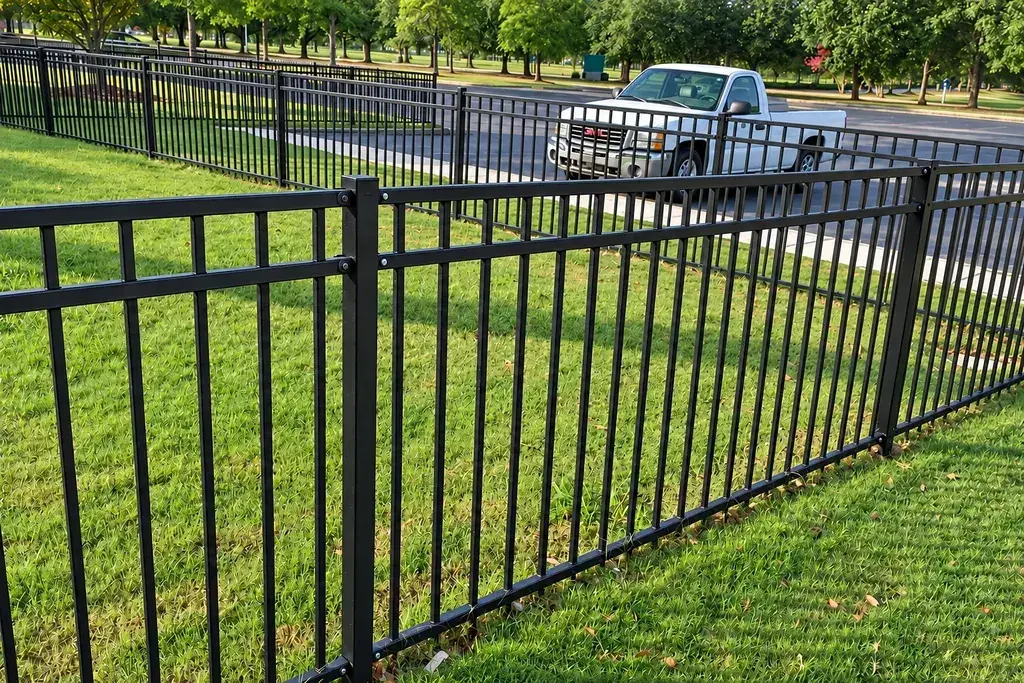
Resolve a disagreement with evidence
When a delivered finish looks different, retain the part and identify its batch before trying to alter it. Compare it with the approved sample under the agreed conditions, then record colour, texture and gloss observations separately.
A numeric colour-difference result is useful only with its stated method, reference, measurement conditions and acceptance limit. There is no universal number that approves every fence finish. Do not replace the agreed visual or instrumental criteria with a convenient limit found online.
For cleaning or approved local repair, follow the coating maintenance method. A touch-up should not be used to conceal an unresolved batch-approval question.
The final record should say exactly what was accepted and for which components. That gives the next order a usable target instead of another discussion about which screen image looks right.