
Start with the booked equipment
The table below provides illustrative inputs for the loading calculations, not guaranteed container dimensions or payload capacities. Before finalising a loading plan, confirm the internal dimensions, door opening and permitted payload of the actual container allocated to the shipment.
| Dimension or mass | 20 ft example | 40 ft example |
|---|---|---|
| Inside length | 5,900 mm | 12,032 mm |
| Inside width | 2,352 mm | 2,352 mm |
| Inside height | 2,395 mm | 2,395 mm |
| Door width | 2,340 mm | 2,340 mm |
| Door height | 2,292 mm | 2,292 mm |
| Maximum payload | 28,130 kg | 28,750 kg |
The 40 ft example provides much more volume without doubling payload. Dense post or wire loads and bulky panel loads can therefore be constrained by different factors.
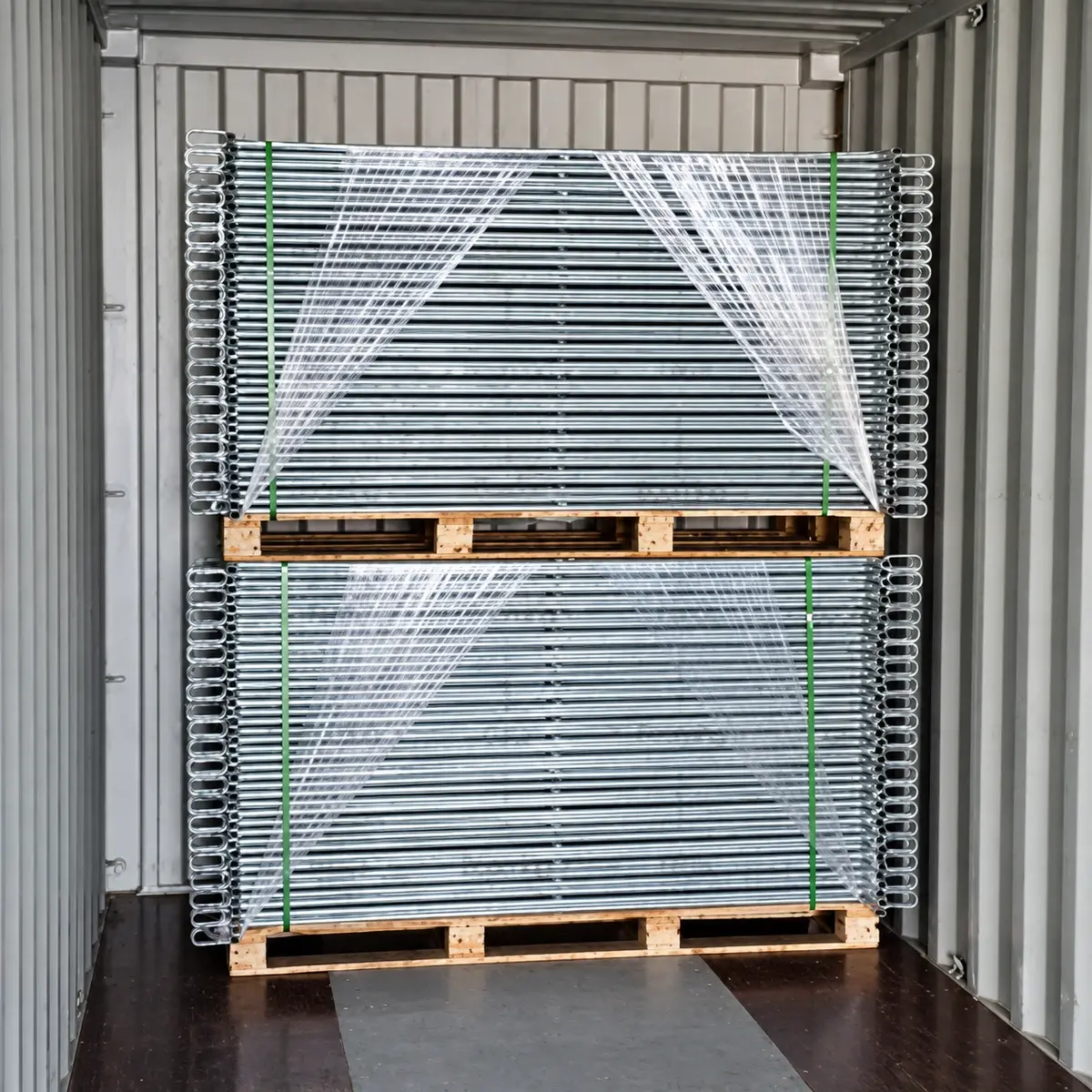
Check the door before the internal height
An illustrative package 2,300 mm high is shorter than the listed 2,395 mm internal height but taller than the 2,292 mm door opening. It does not pass upright through that example door. The internal height alone would give a misleading result.
Do not assume the package can be tilted. Handling space, product protection, equipment and the approved method all need to permit the proposed manoeuvre. Confirm usable clearance rather than designing a pack exactly to the nominal opening.
Calculate a simple floor layout
Assume non-stackable packages with footprints 2,800 mm long by 1,000 mm wide, oriented lengthways. Ignoring all required clearances and securing space, the 20 ft example allows floor(5,900 / 2,800) × floor(2,352 / 1,000) = 2 × 2 = 4 packages.
The 40 ft example allows floor(12,032 / 2,800) × 2 = 4 × 2 = 8 packages under the same simplified geometry. These are theoretical counts, not approved loading plans. Door clearance, weight distribution, dunnage and securing can reduce the usable quantity.
If each package weighs 900 kg, four packages total 3,600 kg and eight total 7,200 kg. In this example geometry constrains the count long before the published payload. A dense bundle arrangement could produce the opposite result.
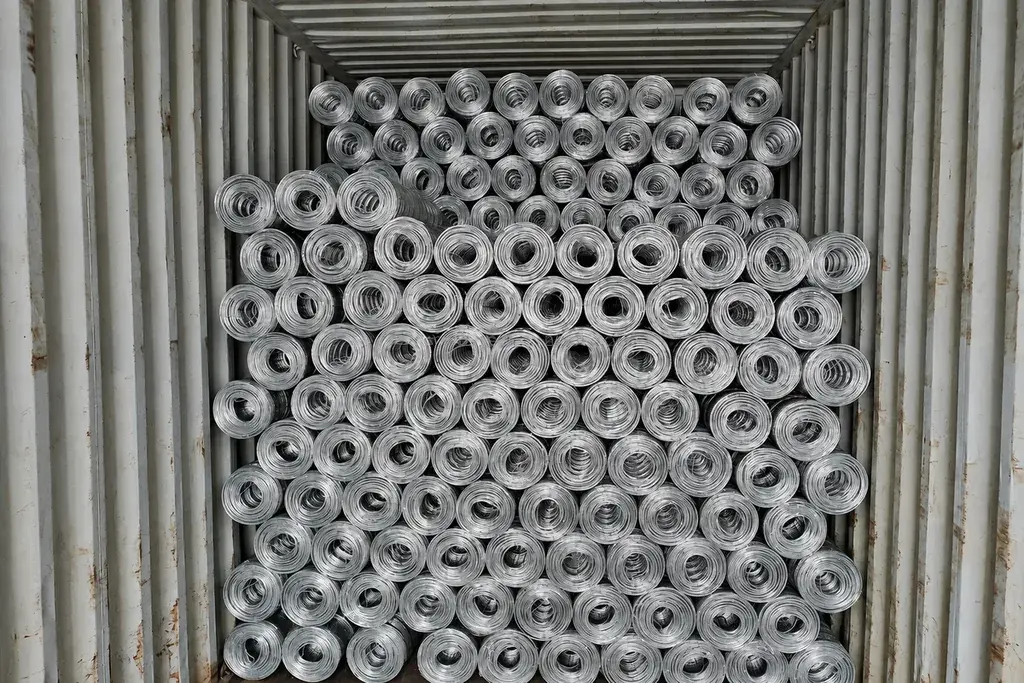
Build the mass total without double counting
Sum the measured gross mass of every package, then add dunnage and securing material not already included. Apply the actual container, carrier, road and route restrictions; the lowest applicable limit can govern.
Verified gross mass includes the packed container's contents and the container tare. IMO describes the permitted verification approaches and the shipper's responsibility under the applicable SOLAS requirements. IMO: verified gross mass.
For illustration, cargo packages at 7,200 kg plus 180 kg of additional securing and a measured or identified 3,750 kg tare produce 11,130 kg. This arithmetic is not itself a compliant weighing procedure; use the approved verification method for the shipment.
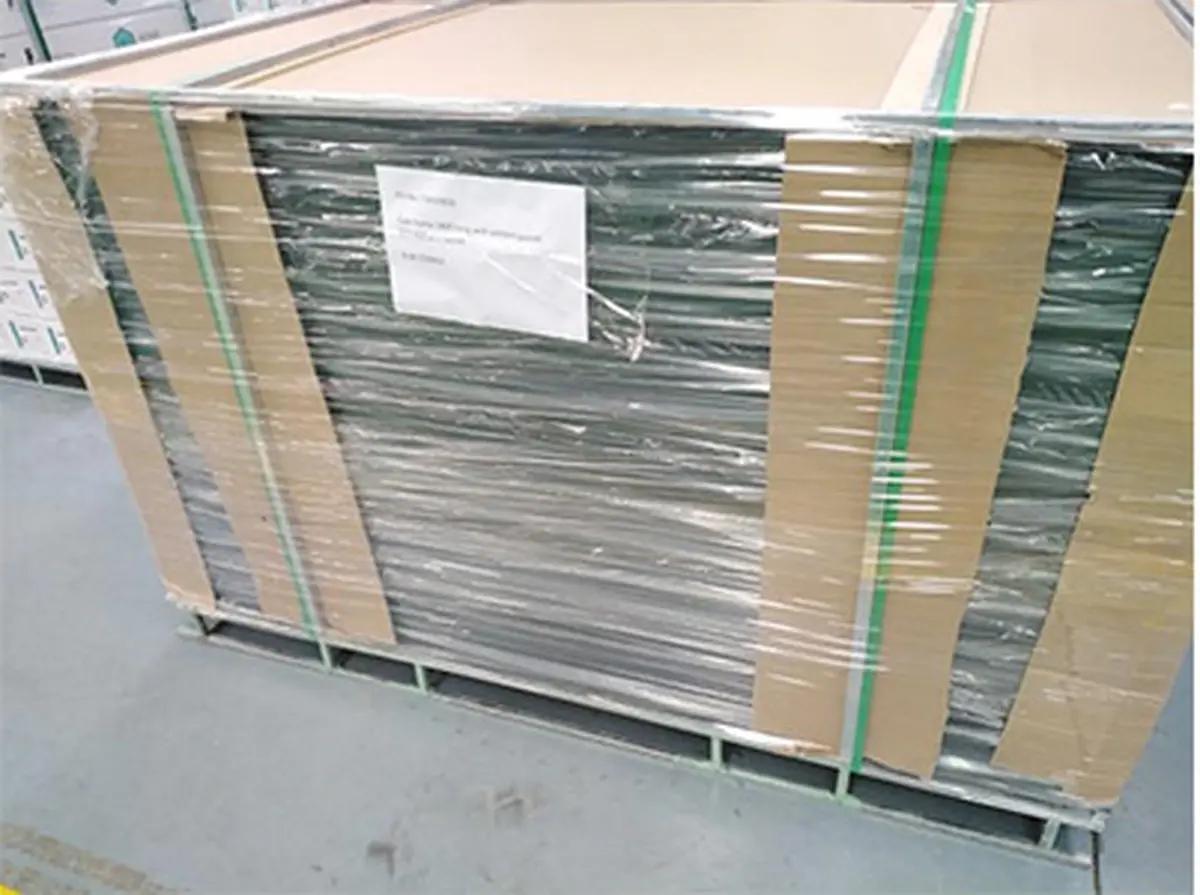
Use a trial pack to verify the limiting dimension
Where clearance is tight, measure the completed package at its widest and highest points, including protection, straps and protrusions. Use the actual handling orientation in the check. A nominal drawing dimension can omit a part of the package that determines whether it passes through the door.
Record the assumed clearance and handling method for the booked equipment. Do not use the carrier's example dimensions as a substitute for confirming special equipment requirements. If the package or container changes, return the affected fit check to the transport planner.
Keep a photograph and measurement record of the accepted trial pack with its packing specification. This helps the production team repeat the same arrangement across the shipment. A package redesigned on the loading day can change both fit and protection, so any such revision should be checked before it replaces the arrangement on which the loading quantity was calculated.
Release a drawing, not only a number
The final plan should identify packages, orientation, supports, securing and unloading sequence. Check special items such as gate frames and projecting base plates individually. Trial-pack or otherwise verify critical dimensions before relying on a maximum-count estimate.
Use mixed-load planning where panels, posts and gates travel together. A useful loading statement explains what fits, on which equipment and under which assumptions, instead of promising a universal number of fence panels per container.