
By FencingWise Editorial Team · Updated 17 September 2026.
Start with the installed layout, then connect the physical inspection and document package to its references.
Use the installed configuration as the record
Collect the final layout, component drawings and approved changes. Mark run numbers, gate IDs and special connections so the documents describe the completed work rather than only the original tender.
If a closing bay changed during installation, record its actual approved detail. If a gate receiver moved, update the relevant drawing or controlled record. Do not leave a maintenance team to discover those changes during a repair.
Separate supplied-material records from installed-work acceptance. FencingWise can provide the agreed material information; foundation, installation and any specialist system acceptance belong to the responsible project parties.
Walk the boundary in a repeatable order

Follow the run references from the chosen start point. At each section, inspect the items required by the project plan: alignment, component identity, connections, edges, bottom details, finish and observed damage.
Record observations by location. “Three loose fittings” is less actionable than “R-02, posts P-14 to P-16, fitting type C-01, observed condition recorded”. Tightening or other corrective work must follow the specified connection instructions.
Gates need a separate check against their operating arrangement, including the required passage, hardware, retention and relevant site interfaces. Powered gates require their own competent assessment and documentation; a general fence walkover does not replace it.
Compare physical counts with the completed layout
Suppose a fictional project has 30 fixed panels, 32 fixed-fence posts and 2 separately supported gate assemblies. The handover sheet should reconcile those categories with the approved installed configuration, not combine them into “34 posts” without knowing what each gate assembly includes.
For spares, assume 200 complete fixing sets were delivered, 184 installed, and 6 used in documented replacements during installation. The remaining physical stock should be:
200 − 184 − 6 = 10 sets.
If only eight sets are found, the difference is two. Record and resolve it rather than changing the original delivery quantity. Also confirm whether removed replacement parts were discarded or retained separately; used components should not be counted as new complete spares.
These figures illustrate reconciliation, not a standard package.
Distinguish defects from missing information
A defect list and a document list should have separate entries. A missing coating record is not the same issue as a visible damaged coating, although both may affect acceptance.
| Observation | Record needed | Closure evidence |
|---|---|---|
| Damaged finish at a named post | Location and assessment | Approved repair and recheck |
| Gate hardware differs from drawing | Actual part reference | Approved change or correction |
| Spare quantities do not reconcile | Delivery, issue and remaining counts | Corrected stock record |
| Final drawing not issued | Required revision and owner | Controlled final document |
| Maintenance method absent | Applicable component/finish | Supplier or responsible party's instructions |
Assign responsibility and a due date where appropriate. The due date should be part of the agreed project process, not an automatic period invented by the handover form.
Build the document package around future tasks
Organise records so a maintenance team can answer practical questions:
- Which panel and fixing fit this run?
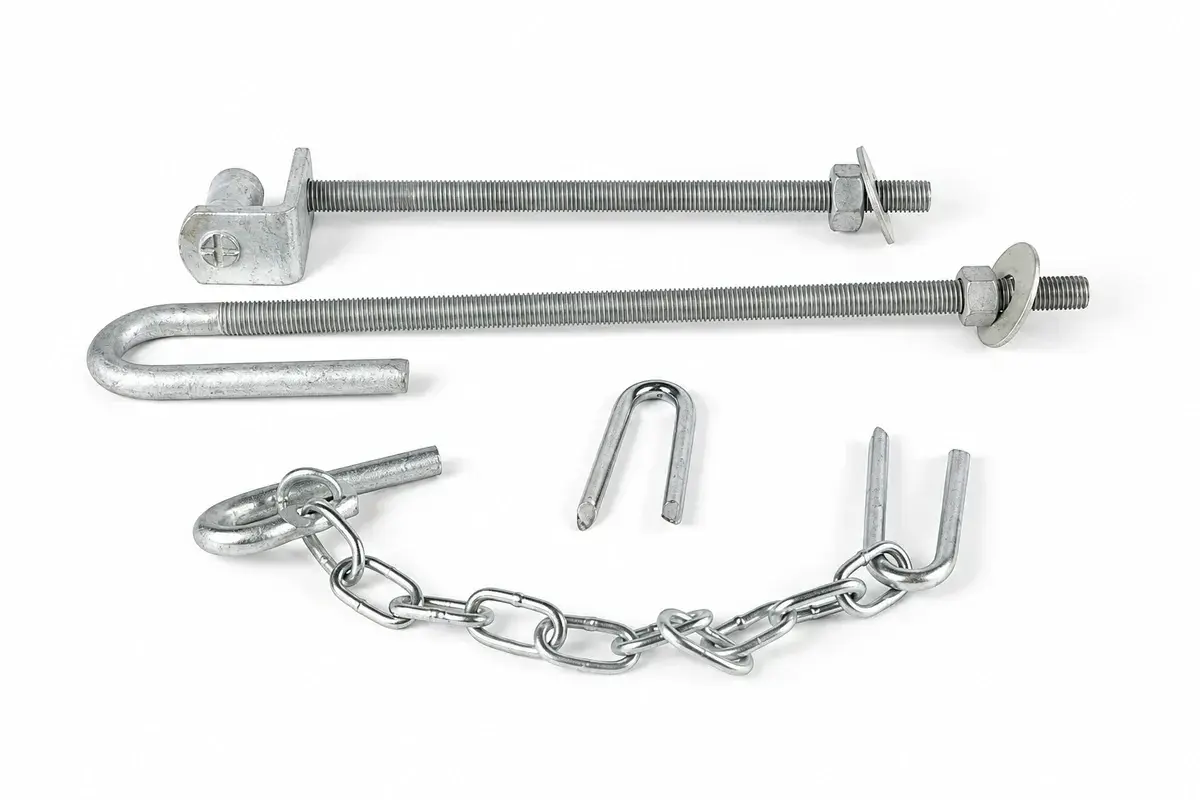
- Which hardware belongs to this gate?
- What finish was approved, and what cleaning or repair method applies?
- Which checks were performed, and what do they actually establish?
- Who should assess damage to the support or foundation?
- Where are spare parts and authorised tools kept?
Include part codes and drawing revisions beside brochures. A general catalogue may show several incompatible products; the handover must identify the installed one.
The replacement-panel article illustrates the dimensions a future buyer will need.
Record the status of every outstanding action
Use statuses that reflect the actual decision: open, corrected awaiting recheck, verified closed, or accepted under a documented concession. Avoid a single “complete” tick while significant actions remain unresolved.
For a fictional list of twelve actions, suppose eight are verified closed, two await recheck and two remain open. The report should say 8 of 12 closed, with four outstanding. Calling the work “83% complete” by counting the two unverified repairs as finished hides an important distinction.
Where partial handover is agreed, define the accepted areas and retained restrictions. A gate not released for use should not disappear inside a general fence-completion statement.
Explain operation and maintenance to the receiving team
Provide the applicable instructions and identify any training or demonstration required by the project. Show how the records locate components and where authorised tools are stored.
Maintenance intervals should follow the actual system, exposure and responsible party's requirements. Do not copy an arbitrary monthly or annual frequency into every fence handover.
Keep the first inspection or service arrangement visible where one is agreed. The powder-coating care article helps distinguish routine cleaning from work that needs a repair assessment.
Close with an indexed, accessible package
The final index should list each document, revision and file location, together with accepted outstanding actions if any. Provide a clear contact route for material queries and separate contacts for installation or specialist systems.
A useful handover lets someone who did not attend the project identify a component, understand its condition and find the correct next action. That is the test of the package: whether it supports the first inspection or repair, not whether it contains the largest number of PDFs.