

Keep the commercial brand and technical identity connected
Give each product a customer-facing reference and retain its corresponding manufacturing reference. A label can use the customer's brand without losing the information needed to identify a profile, fixing or batch later.
Record which activities are requested: packaging artwork, product labels, instructions, product modification or a distinct manufactured design. The terms OEM and private label can be used differently between businesses, so describe the actual deliverables rather than relying on the acronym.
FencingWise's production and partner-sourcing scope follows the agreed product and order. Branding does not change the origin or evidence behind a component, and a label should not imply a certification or manufacturing location that has not been established.
Build a controlled label record
| Field | Example of its purpose |
|---|---|
| Customer product code | Ordering and distributor stock control |
| Technical reference | Drawing and compatible component identity |
| Quantity and unit | Panels, posts or complete fixing sets |
| Batch or lot reference | Traceability to the supplied order |
| Pack number | Reconciliation with the packing list |
| Revision | Current approved label and product information |
Legal markings and market-specific information must be checked for the destination and product. Do not remove required information merely to simplify a branded label.
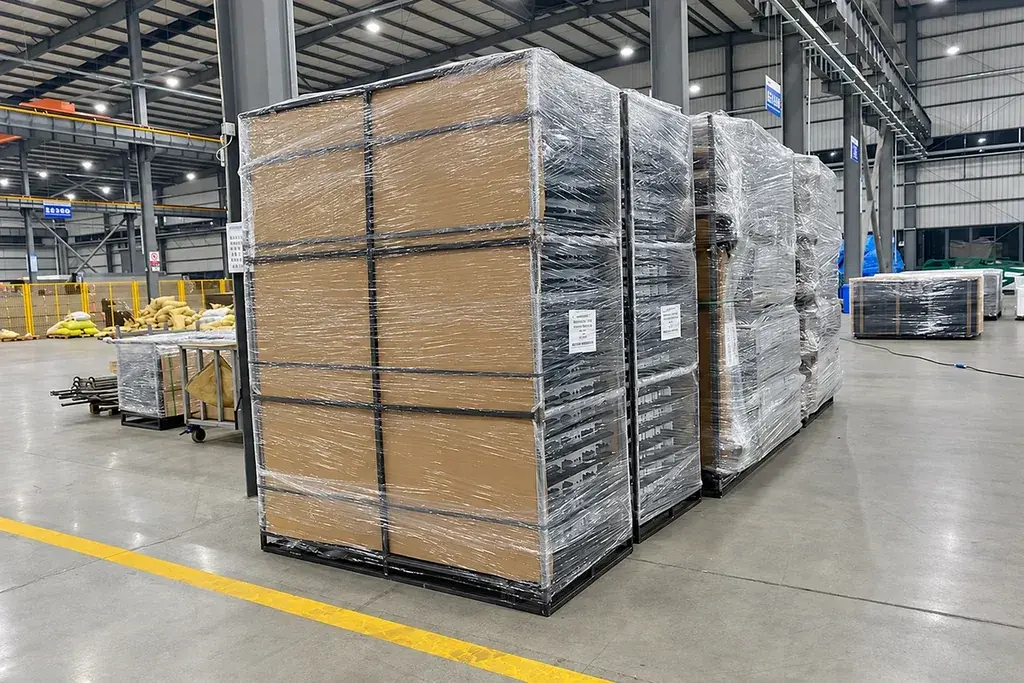
Reconcile packaging quantities with the order
Suppose an illustrative shipment contains 240 panels packed in twelve packs of 20. The labels should identify twelve pack numbers whose quantities sum to 240. If two special panels replace two standard panels, the packing list must show the changed references instead of continuing to call all 240 identical.
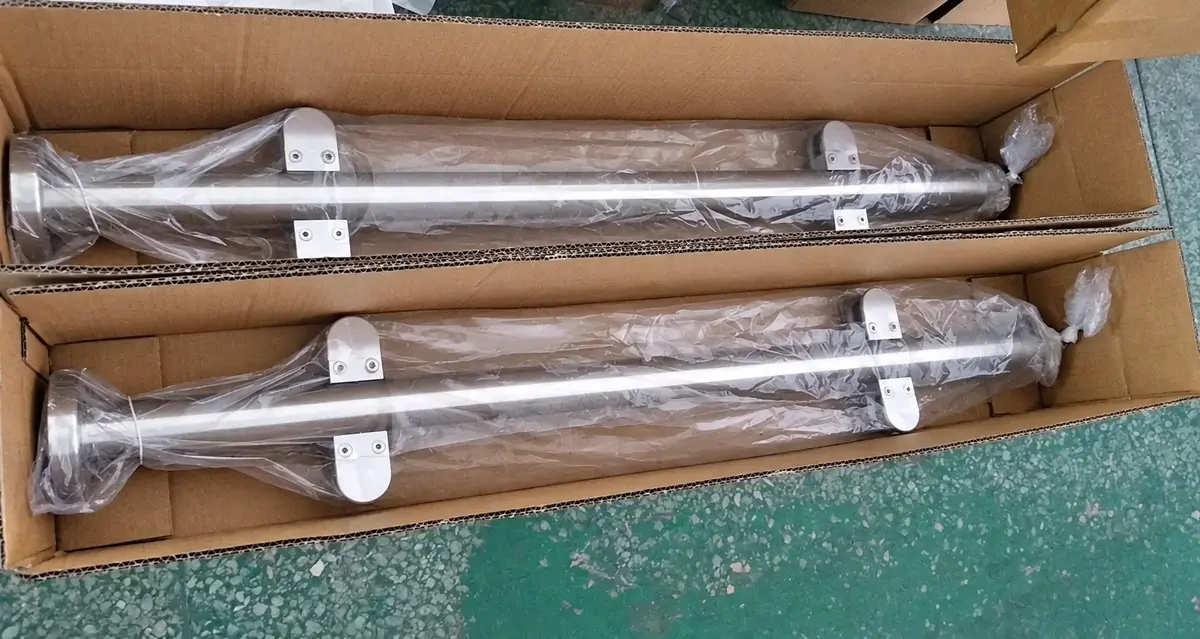
For accessory boxes, define what one set contains. If a box holds 50 complete fixing sets and each set contains two brackets, two bolts and two nuts, the label and packing list should describe 50 sets, with the component definition available. Calling it 50 pieces would be ambiguous.
Test the label format against a real packing example before printing a large quantity.
Approve artwork and technical content separately
Artwork approval covers branding, layout and print appearance. Technical approval covers product identity, instructions, dimensions and evidence-related statements. One approval should not silently stand in for the other.
Use a revision-controlled proof and a representative printed label. Check readability, barcode or code content where used, language, units and the correspondence with the product inside the pack. A correctly printed barcode is still wrong if it resolves to the wrong product reference.
Keep customer-provided marketing claims outside production artwork until they have been checked against the actual product evidence. An unsupported rating should not become more credible merely because it is printed professionally.
Test the label against receiving and replacement tasks
Ask a receiving inspector to use the sample label and packing list to identify the product, quantity and corresponding drawing without additional explanation. If the code cannot be resolved or the unit is ambiguous, correct the information before printing the production labels.
Repeat the exercise for a replacement request. The distributor should be able to identify a compatible panel or fixing from the retained records even after the original carton is discarded. Link the customer stock code to a durable technical reference rather than relying on a temporary artwork filename.
When a product changes but the commercial name remains the same, decide whether a new stock code or revision is needed to prevent mixing incompatible parts. Record that decision in both the technical and label registers. The purpose of branding is consistent presentation; the purpose of traceability is to preserve the identity of what is actually supplied.
Control changes on repeat orders
A repeat order should state whether drawings, materials, finish, packaging and labels remain unchanged. Identify proposed substitutions before manufacture. A different hinge or rail profile can create a compatibility issue even if the outer packaging uses the same stock code.
For an illustrative revision register, product drawing D03 and label L02 can be a valid approved combination. Updating the label to L03 does not authorise a change to the drawing. Record each approval independently so the supplier knows what to produce.
Use MOQ and sample planning to define the first approval batch and export-document checks to align shipment references. A good private-label process lets the distributor present a consistent brand while still identifying exactly what was supplied.