
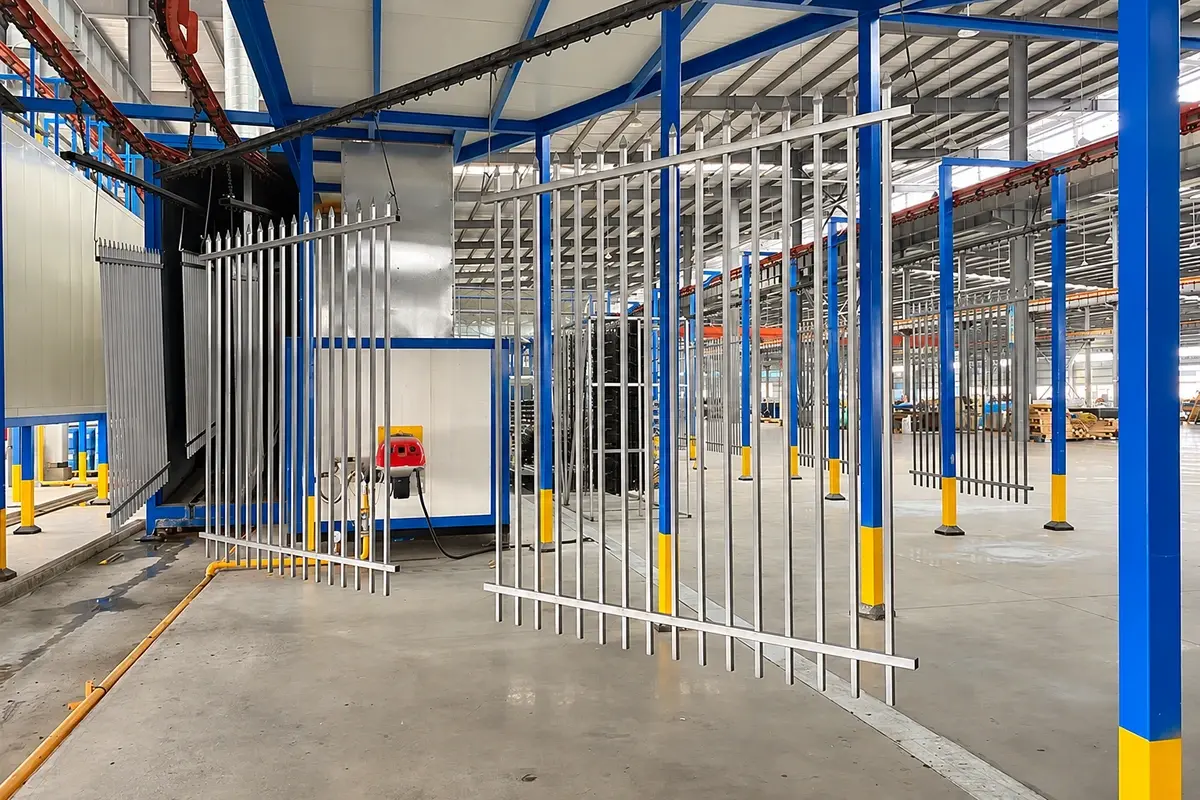
Identify the unit behind the MOQ
The minimum might apply to a profile, panel design, colour batch, bought-in component or total shipment. These are different commercial constraints. A mixed order of 300 panels does not necessarily satisfy a minimum of 100 for each of four unique designs.
FencingWise's actual minimum quantities and sample arrangements are confirmed against the proposed order. The calculations below explain how to compare proposals; they are not published minimum-order or sample-price policies.
| Minimum basis | Example of what changes the batch |
|---|---|
| Profile | Different extrusion or formed section |
| Fabricated design | Different jig, hole pattern or panel geometry |
| Finish | Different colour or treatment route |
| Purchased hardware | Different component reference or supplier pack |
| Shipment | Packing and transport consolidation |
Ask whether quantities can be combined and what remains separate. The answer should identify specific product references rather than promise mixed orders are always acceptable.
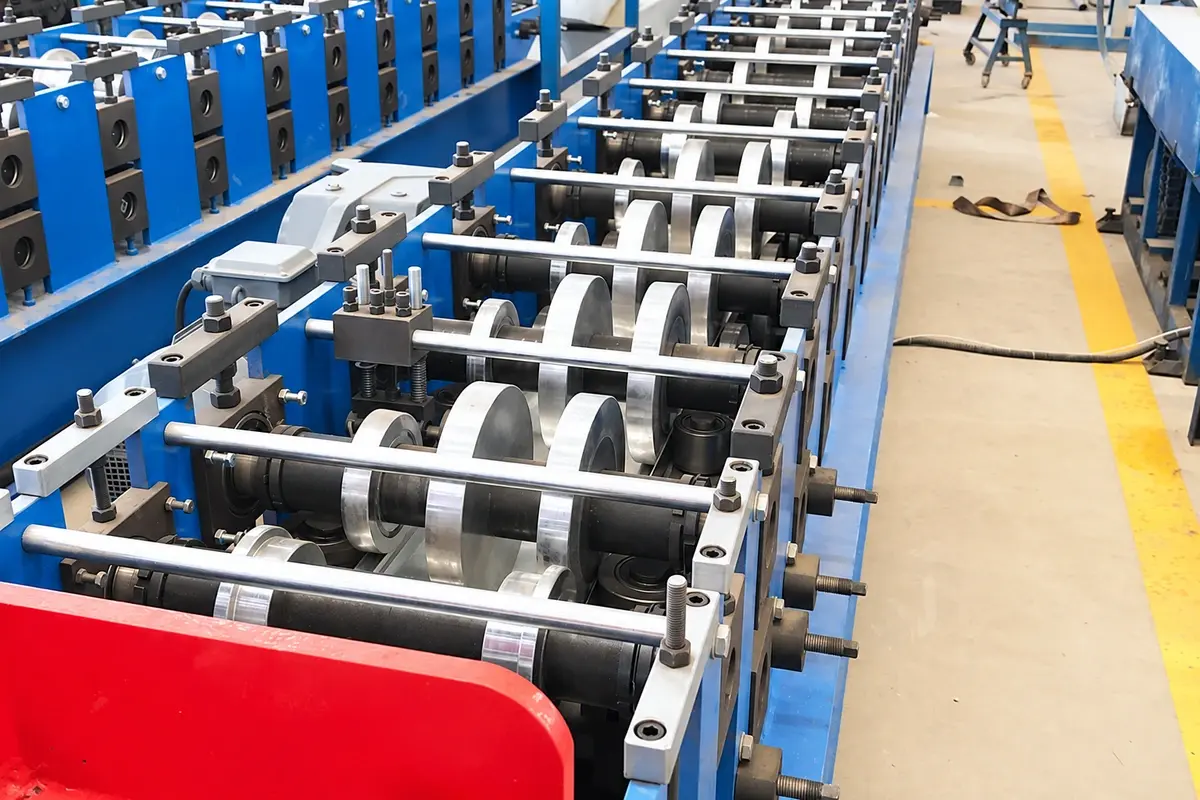
Calculate setup allocation without treating it as the whole price
Assume an illustrative design has a fixed setup cost of 600 currency units and a variable production cost of 30 per panel. At 20 panels, setup allocation is 600 / 20 = 30 per panel, making the simplified production total 60 per panel. At 100 panels, setup allocation is 6 and the simplified total is 36.
The example excludes materials or activities not represented in the assumed variable cost, as well as packing, freight, taxes and commercial margin. It explains why quantity can affect a quotation; it does not establish that the supplier must reduce its price according to this formula.
If a second design requires another setup, its cost must be allocated to its own batch unless the manufacturing route genuinely shares that work.
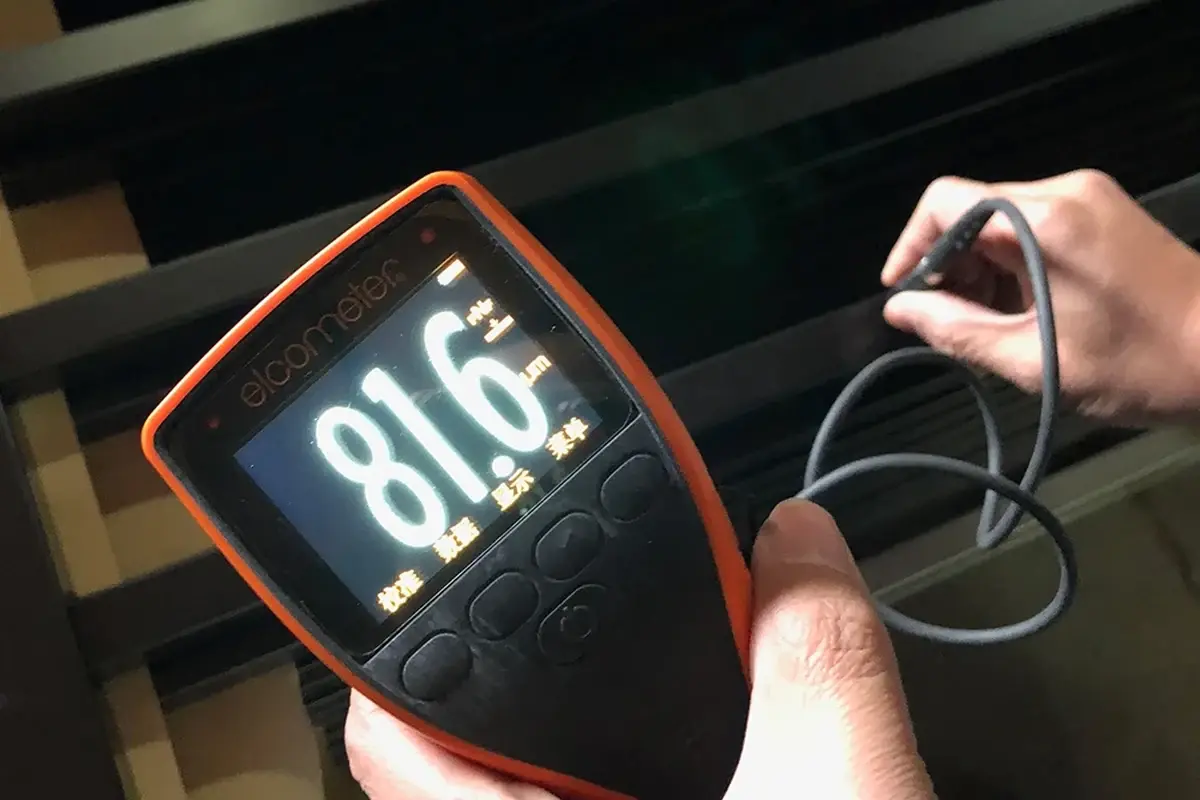
Choose a sample that answers the unresolved question
A finish sample can establish colour and appearance. A profile sample can establish section identity and a local connection. A first complete panel can check assembled geometry. A trial gate may be needed to examine its frame and hardware interfaces. These are different approvals.
For illustration, approving a 150 mm profile section does not verify the straightness or assembly of a 2,400 mm panel. A sample report should state exactly what was checked and which production requirements remain outside its scope.
Identify whether the sample is made using the intended production materials and process. If it uses temporary tooling or a substitute finish, record that difference so the approval is not misunderstood.
Set the approval and revision sequence
- Freeze the sample drawing and identify its intended purpose.
- Agree the supplied sample, cost, delivery and inspection criteria.
- Record measured results and requested changes by revision.
- Approve the relevant geometry, finish or function explicitly.
- Authorise production against the accepted revision and order scope.
Avoid approving through an unreferenced message saying looks good. The manufacturing team needs to know which drawing and which features that approval covers.
Define what happens after an unsuccessful sample
Agree how sample findings are recorded and how revised samples are authorised. Separate a change to the customer's requirement from a correction needed to meet the original drawing. These can have different cost and programme implications, and neither should be hidden in an informal request to try again.
Identify which approved features can remain accepted and which need another review. A colour correction may not require repeating every dimensional check, while a changed profile or connection can affect the whole assembly. The revised sample should state its purpose and the drawing revision it represents.
Keep production on the authorised revision. A supplier should not infer permission to manufacture the full batch from a positive comment about one feature of an otherwise unresolved sample. A clear release record reduces rework and gives both parties a shared reference if the delivered goods later differ from what was accepted.
Plan repeat orders before the first batch closes
Retain profile, finish, hardware and sample identities. Ask which elements can be repeated without a new sample and which changes trigger review. A new colour, altered height or different partner-sourced component can change the route even where the brand name is unchanged.
Use OEM and private-label procurement for branded documentation and manufacturing checks for a worked first-article example. The useful agreement defines the batch, sample purpose and production reference together.