
Name the hazard before choosing the mesh
Identify whether the enclosure controls unauthorised access, prevents contact with moving parts, separates electrical equipment or addresses another hazard. More than one function may be required, but they need separate assessment.
HSE's PUWER overview explains that fixed guarding is normally used to prevent access to dangerous parts, with interlocked arrangements where routine access requires them. A general perimeter panel is not automatically a suitable machine guard.
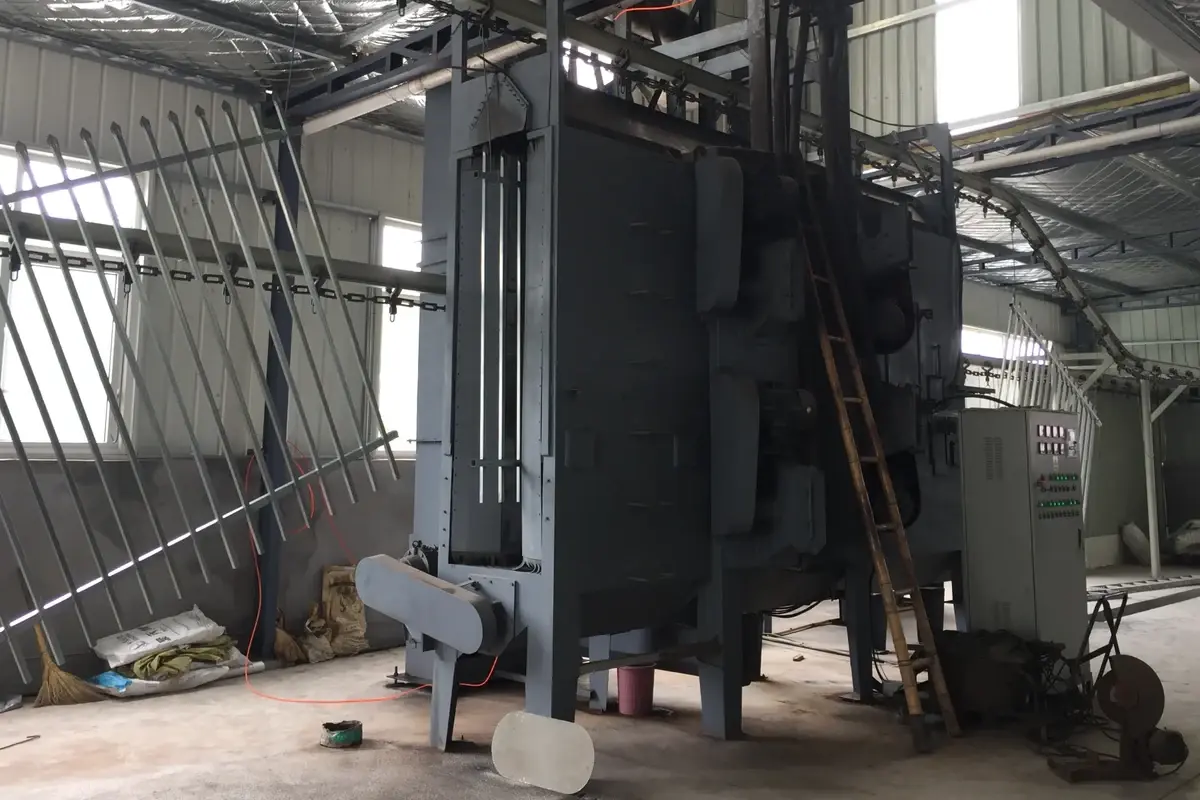
Give the safety designer the relevant geometry
| Geometry | Why it matters |
|---|---|
| Clear mesh opening | Affects possible access through the guard |
| Height and bottom gap | Affect access over or under the enclosure |
| Distance to the hazard | Must be considered with the opening and access route |
| Gate position and swing | Affect access, escape and interaction with other equipment |
Use the applicable standard and competent assessment to set these dimensions. Do not copy a single safe-distance number from another machine: the hazard, stopping behaviour and access geometry may differ.
Separate stopping time from time to reach danger
For a conceptual example only, suppose measured run-down time is eight seconds and a particular access route would allow a person to reach the hazard in three seconds. Stopping the machine when a gate opens would leave a five-second difference. That simple comparison identifies a problem for the safety designer; it is not a calculation of a compliant guard distance or control-system design.
HSE's machinery safety introduction describes interlocking and other guarding approaches. The complete safety function must be selected and validated by competent specialists, including any need to prevent access until danger has ceased.
Procure the guard as an assembly
List panels, support posts, fixings, access doors and the interface to protective devices. Identify who supplies and validates the controls. Changes to opening dimensions, a latch, a hinge or a fixing method can affect the assessed arrangement and require review.
Avoid adding openings on site to pass cables or materials without approval. A convenient cut-out can alter the very geometry on which the safeguarding assessment depends. Use designed transfer points and service routes instead.
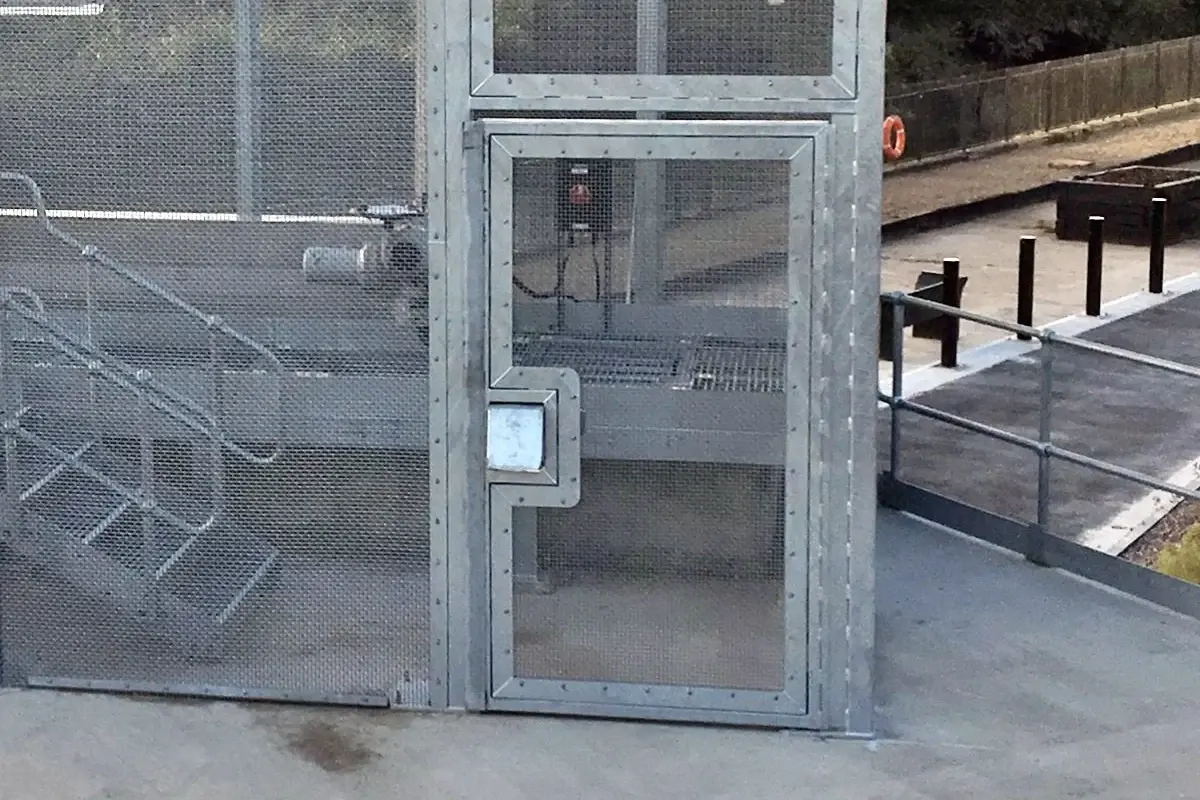
Include foreseeable maintenance tasks
Plan cleaning, jam clearance, tool changes and component removal with the equipment owner. A guard that makes an ordinary task impractical can encourage unsafe workarounds. The solution is a properly designed access method, not instructions to leave a gate open.
Acceptance should verify the physical enclosure against the approved design and validate the protective functions through the responsible specialist. Keep instructions, inspection requirements and controlled drawings with the machine documentation. The specification and report gap guide helps record a mismatch before an unapproved substitute reaches site.