
By FencingWise Editorial Team · Updated 17 September 2026.
Compare the foundation interfaces
| Point | In-ground arrangement | Base-plated arrangement |
|---|---|---|
| Post reference | Total length includes the embedded portion | Above-base length and plate connection are defined |
| Foundation interface | Embedment and surrounding foundation detail | Plate, anchors and the supporting structure |
| Early site question | Is excavation possible in the proposed position? | Is the existing or proposed base suitable for the anchor forces? |
| Replacement issue | Removal may involve the surrounding foundation | Replacement may reuse an assessed compatible anchor layout |
| Dimensional control | Position, level and embedment reference | Hole pattern, edge distances, levels and plate orientation |
A base plate can make the connection accessible, but it does not make the post portable or its foundation automatically reusable.
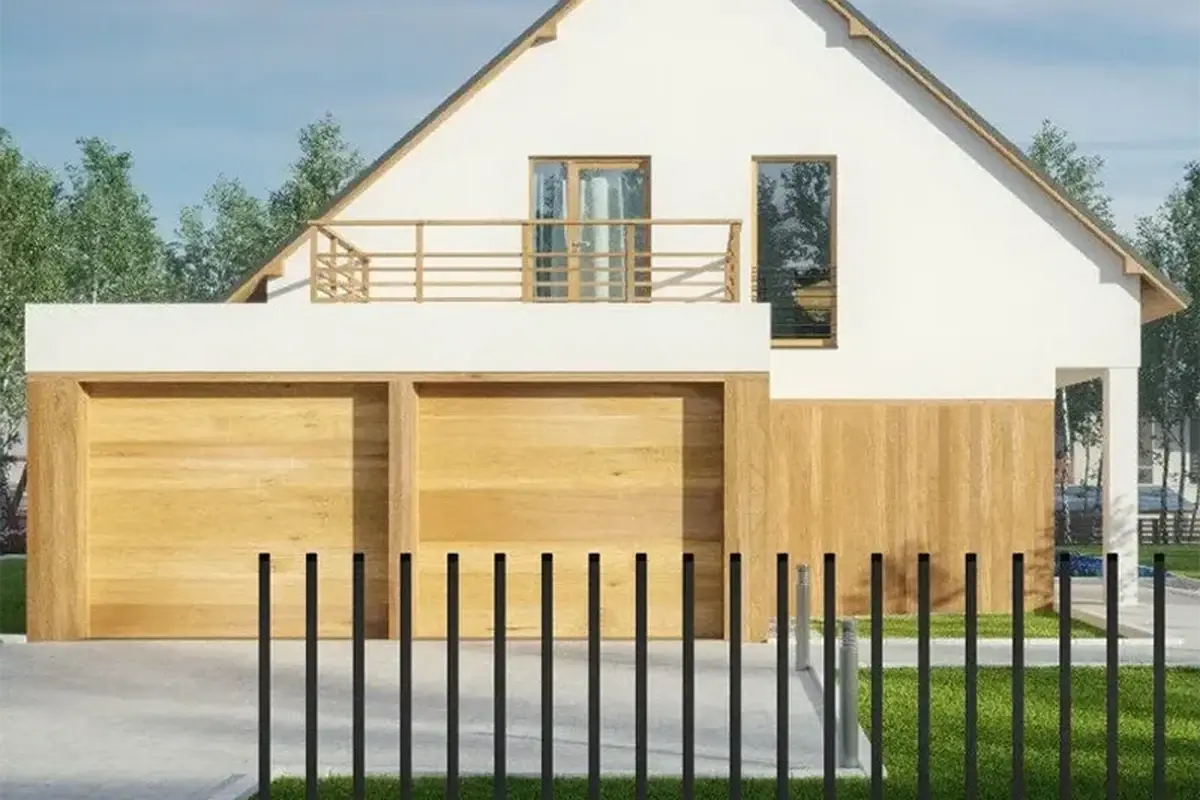
An existing slab is not a complete specification
The visible surface does not establish concrete thickness, strength, reinforcement, condition or distance to an edge. Those factors can affect anchor selection and performance.
The plate and anchor pattern must be coordinated with the assessed support. Choosing a plate because it fits within a narrow strip of concrete does not prove the strip is suitable. The project designer establishes the foundation and anchorage requirements.
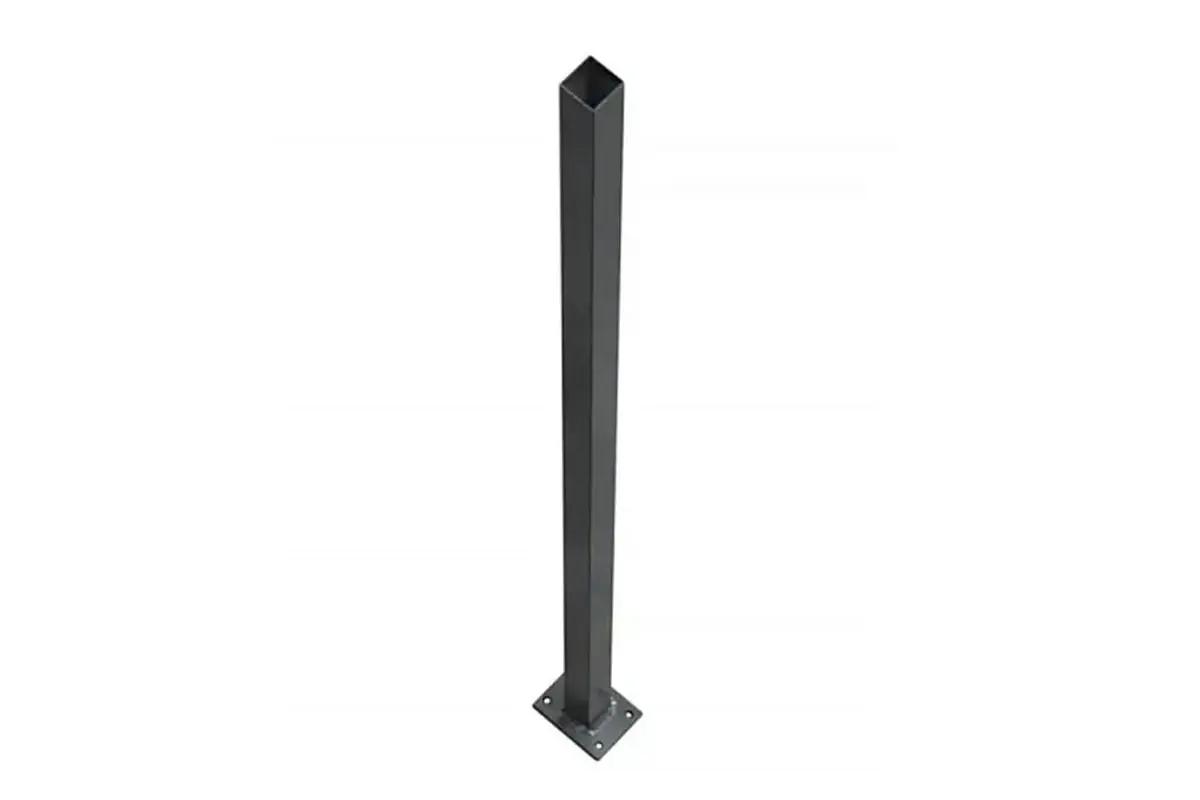
For in-ground posts, underground services, nearby structures and available excavation space may constrain the location. Those constraints should be resolved before post lengths and material quantities are finalised.
Keep finished ground and post length separate
A requested fence height normally describes the installed boundary above a stated ground reference. It is not automatically the total post length.
A stepped run may use several post lengths or fixing positions even where the panels share one height. A base-mounted run can also vary where the supporting surface changes level. Draw the reference level and mounting detail together.
Consider access for future work
A bolted post can be easier to separate from its base connection, provided the anchors, plate and surrounding material remain suitable. Corrosion, damage or a changed post design can prevent straightforward reuse.
An embedded post may require local foundation work to replace. That consequence is worth considering at heavily exposed locations or where future access will be difficult, but it does not by itself decide the structural arrangement.
What belongs in the material enquiry
Identify the chosen mounting method and the drawing reference. For a base-plated post, include plate dimensions, hole pattern and the defined anchor scope; for an embedded post, include total length and the relevant foundation reference.
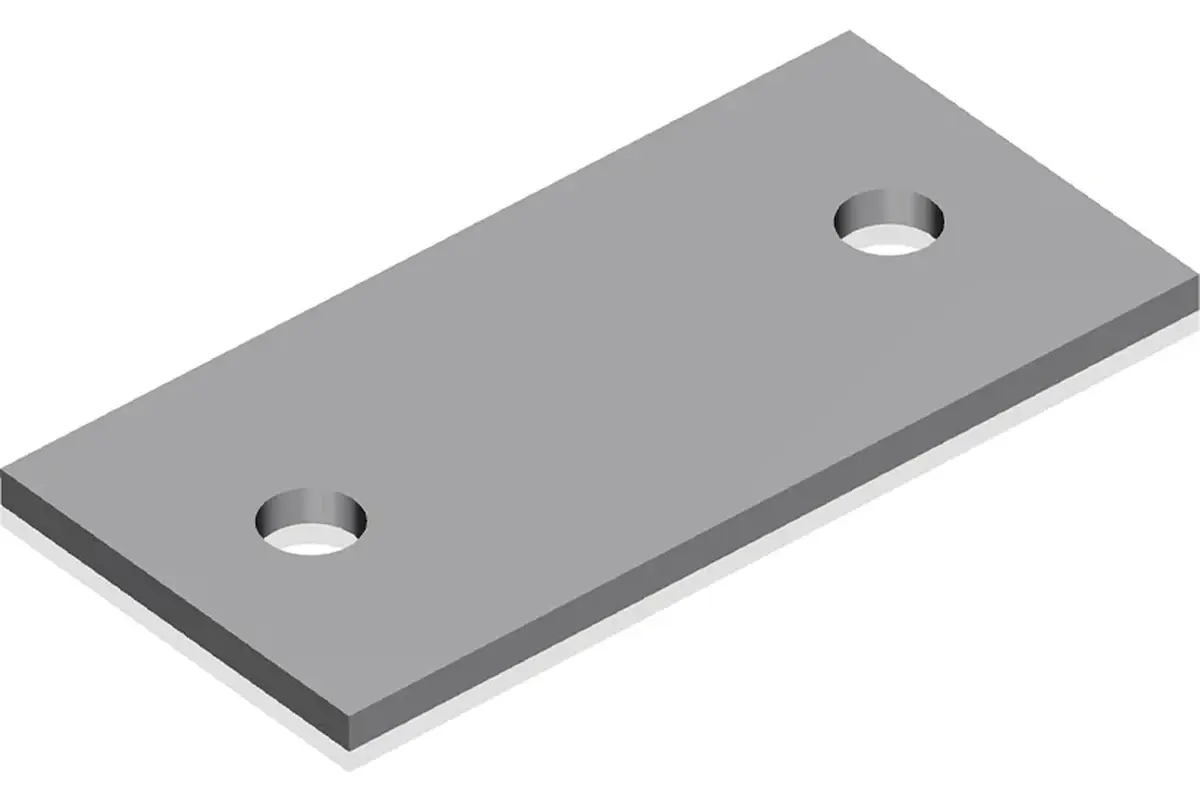
Use base plates and fence posts as coordinated components. A plate-only quotation should remain distinguishable from a package that includes anchors or other installation materials.