
By FencingWise Editorial Team · Updated 17 September 2026.
Connect those lists using the same part and assembly references. Then count exceptions separately from repeated straight-run components.
Begin with one complete connection
Before multiplying quantities, write down the contents of a single assembly. A “fixing set” might contain a clamp, bolt, nut and two washers. Another supplier may call only the clamp and bolt a set.
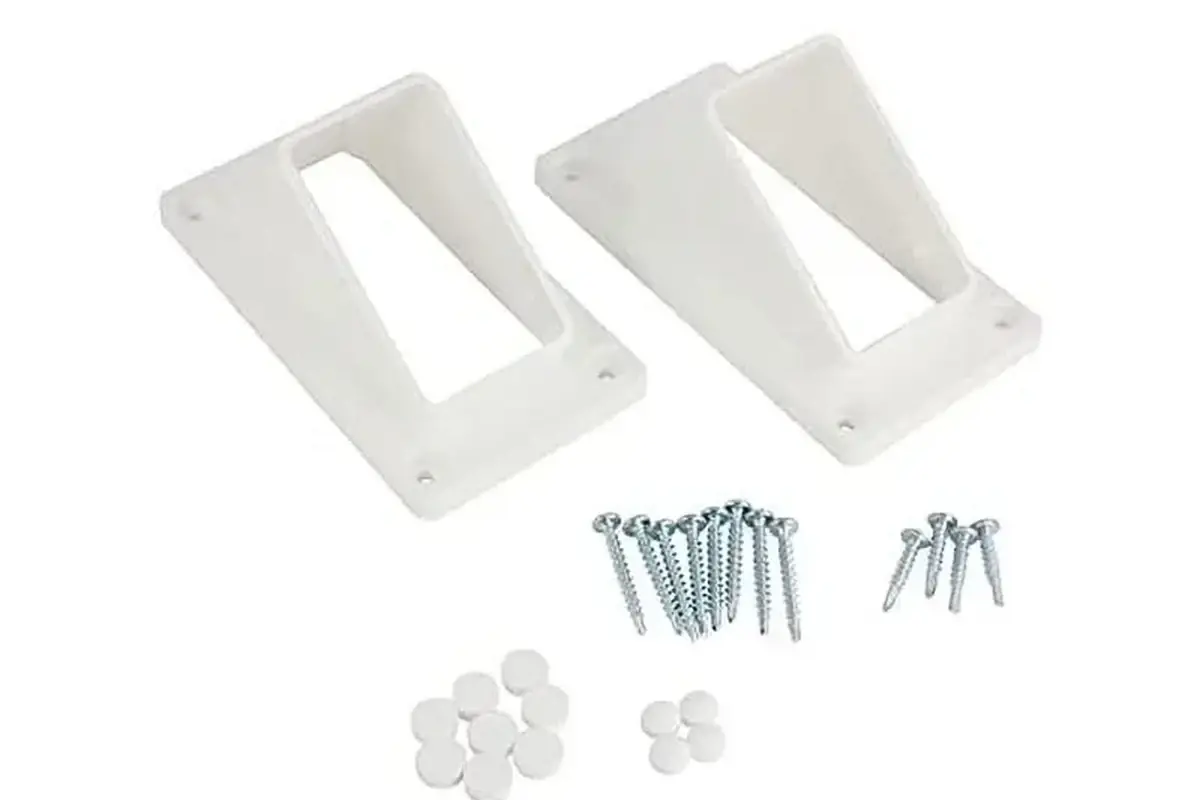
Assign the assembly a code, such as C-01, and list its loose parts beneath it. If complete sets are purchased, retain the breakdown for inspection but avoid ordering the loose contents again unless they are separate spares.
Use different assembly codes where the bolt length, bracket angle or captured panel thickness changes. Two bags of visually similar fasteners should not share a description if only one fits a gate return.
Work through the quantity before adding spares
Assume a fictional order contains 24 panels with two independently connected edges per panel and four complete C-01 fixings per edge. Each C-01 includes one clamp, one bolt, one nut and two washers.
The installation requirement is:
24 × 2 × 4 = 192 complete sets.
The corresponding loose-part contents are 192 clamps, 192 bolts, 192 nuts and 384 washers.
Suppose the buyer decides to hold eight complete spare sets. The order becomes 200 sets, containing 400 washers in total. The packing list should identify 192 installation sets and eight spare sets, even if they travel together.
These are arithmetic assumptions, not a recommended fixing layout. Actual quantities come from the approved connections.
Divide repeated parts into installation areas
The same 24 panels could be allocated to three areas of eight panels each. Each area's installation allocation is:
8 × 2 × 4 = 64 sets.
Packing three labelled area kits of 64 sets leaves eight sets in a separate spare pack. The total remains 64 + 64 + 64 + 8 = 200.
This arrangement makes a shortage easier to detect. If Area B receives only 60 sets, the missing four are visible before installation starts. Taking four from the spare pack may keep work moving, but the transfer should be recorded so the stock record does not still claim eight spares.
Area kits are useful only if the layout is sufficiently stable. When drawings change, update both the BOM and the kit quantities.
Create an exceptions list
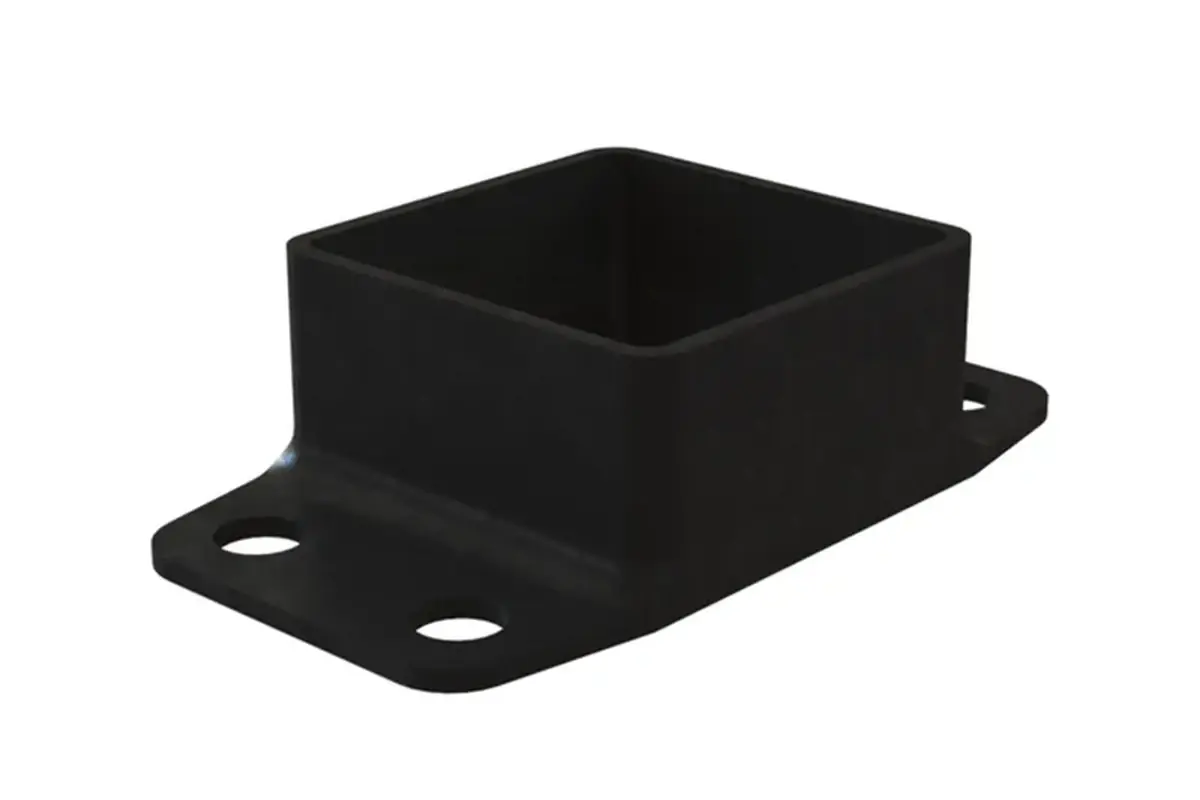
Repeated parts are easy to count; unique interfaces are easier to miss. Give these positions their own review:
| Position | What may differ | Record required |
|---|---|---|
| Corner | Angle bracket, fixing orientation or quantity | Corner detail and area reference |
| Closing bay | Different edge restraint or cut-panel treatment | Approved closing detail |
| Gate return | Connection beside hinge or catch hardware | Gate and fence interface drawing |
| Stepped run | Changed bar length or clip position | Level and post reference |
| Wall termination | Restricted access or separate receiving detail | Termination assembly code |
Do not cover an omitted special fitting with a general 5% allowance. Extra standard clips cannot replace the wrong bracket.
The project quantity takeoff guide explains how to connect these exceptions to the layout. The accessories BOM article provides the underlying assembly-counting method.
Reconcile three quantities at dispatch
For each part code, compare the ordered quantity, the packed quantity and any agreed balance to follow. Record the package containing it.

An illustrative reconciliation might show:
| Reference | Ordered | Packed | Balance |
|---|---|---|---|
| C-01 complete sets | 200 | 200 | 0 |
| C-02 corner brackets | 6 | 4 | 2 |
| G-01 receiver sets | 2 | 2 | 0 |
This shipment is not complete simply because C-01 has spare units. The two missing C-02 brackets need their own action, whether dispatch is held or an explicitly agreed split shipment is arranged.
Keep nested packing visible. If small cartons sit inside a gate crate, the master packing list should link their carton numbers to that crate so the receiver does not report them missing before opening it.
Count kits rather than trusting bag labels
A label saying “64 sets” does not establish what the bag contains. The agreed inspection should verify quantities and set contents using a defined method.
If counting by weight is proposed, validate it with the actual part and packaging variation. Small differences in individual fastener weight, packaging tare or mixed hardware can distort the inferred quantity. Do not assume a gross bag weight proves a precise part count.
For critical one-off interfaces, inspect the actual components and their identification. A photograph of sealed cartons is weaker evidence than a record connecting carton number, contents and counted quantity.
Control issue and return on site
Use an issue record containing date, area, part code, quantity issued, quantity returned and remaining stock. Record replacements taken from spares separately from the original installation issue.
When a shortage appears, trace it in order: required by the current drawing, ordered, packed, received, issued, then installed. That sequence distinguishes a design omission from a packing shortage or a misplaced site kit.
For example, 64 sets may have been delivered to Area B but only 60 issued to its crew. Reordering four before checking the issue record creates excess stock while leaving the underlying process unchanged.
Close the loop at handover
Reconcile unused installation parts, consumed spares and the retained maintenance stock. Store the final quantities by part code with the fence drawing revision.
A useful handover does not say “some bolts left over”. It identifies which complete assemblies remain and which panel or post connection each one fits. That record keeps the next repair from repeating the same missing-parts problem.