
By FencingWise Editorial Team · Updated 17 September 2026.
Inspect the system before costing the options
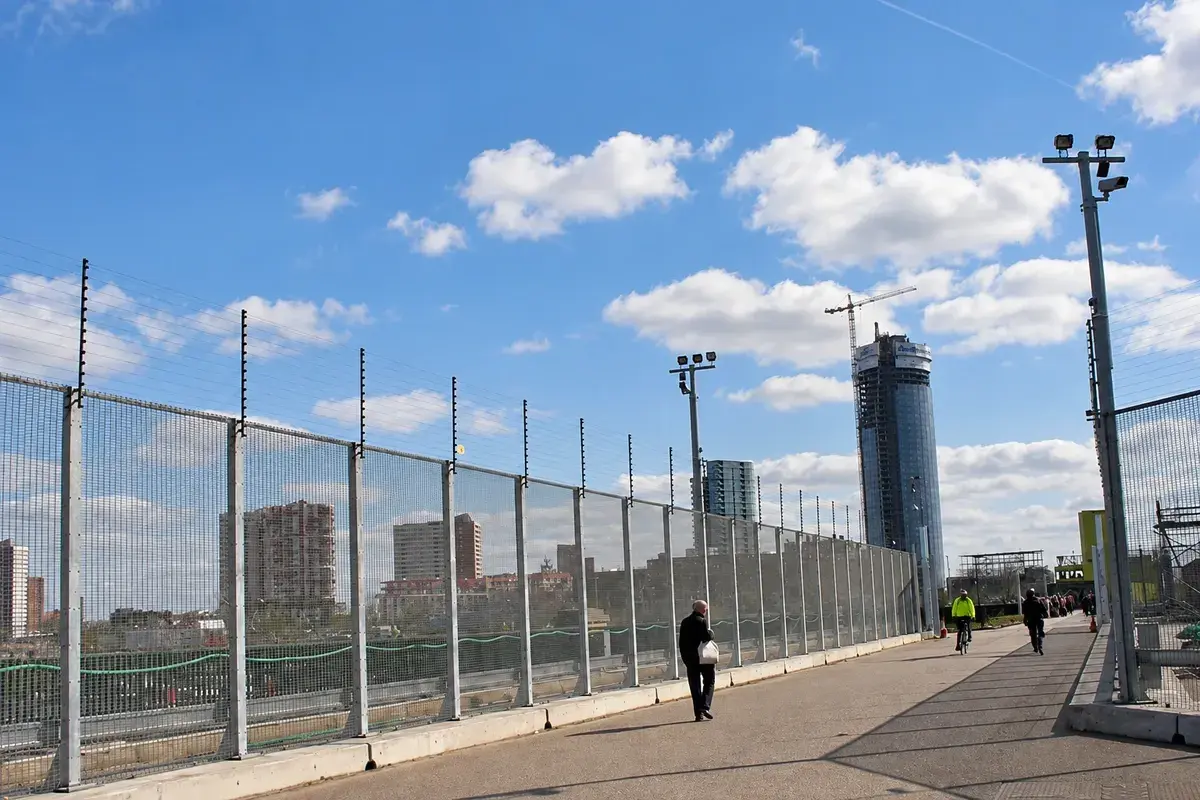
Record panel damage, post condition, foundations, connections, coating and gate operation by section. Identify whether defects are isolated, recurring or distributed throughout the boundary.
An apparently straight post may still have corrosion or a damaged base. Reusing it should be supported by an appropriate condition assessment, especially where the replacement panel changes height, weight or wind exposure.
Check replacement availability. A panel of the same nominal height may not match the existing post module, clip positions or edge detail. The replacement-panel survey provides a method for measuring those interfaces.
Define comparable scopes
A repair option should include all work needed to restore the intended function. A replacement option should include removal, disposal, new supports where required and reinstatement.
| Cost item | Repair option | Replacement option |
|---|---|---|
| Materials | Damaged parts and compatible hardware | Complete selected system |
| Labour | Local removal, fitting and adjustment | Dismantling and full installation |
| Access | Equipment and mobilisation for each visit | Equipment and mobilisation for the project |
| Temporary protection | Needed during each repair | Needed during phased replacement |
| Future work | Expected recurring repairs and inspection | Expected maintenance of the new system |
| Disruption | Repeated short interruptions | Planned project interruption |
Use the same time horizon, currency and tax basis. If one quotation excludes access equipment or temporary fencing, add those items before comparing totals.
Work through a five-year example
The following figures are fictional budgeting inputs, not FencingWise prices or a prediction of service life.
Assume the repair option requires £4,800 now and £1,200 at the end of each of the next five years for recurring work. The undiscounted five-year total is:
£4,800 + 5 × £1,200 = £10,800.
Assume replacement costs £10,500 now, followed by £250 annually for five years. Its undiscounted total is:
£10,500 + 5 × £250 = £11,750.
On those inputs alone, repair costs £950 less. That does not settle the decision if the repair option leaves a functional requirement unmet or depends on unverified reusable supports.
Account for when future money is spent
For a present-value comparison, assume a 5% annual discount rate, five equal end-of-year payments, no inflation and no residual value. The five-year annuity factor is:
[1 − (1.05)⁻⁵] ÷ 0.05 = 4.3295 approximately.
The repair option becomes:
£4,800 + £1,200 × 4.3295 = £9,995.4 approximately.
Replacement becomes:
£10,500 + £250 × 4.3295 = £11,582.4 approximately.
These calculations demonstrate the method only. A real appraisal should use the buyer's approved assumptions, treatment of inflation, residual values and actual quotations. Changing the time horizon can change the result.
Test the uncertain repair frequency
The initial replacement premium in the example is £10,500 − £4,800 = £5,700. Over five years without discounting, repair and replacement costs would be equal when the repair option's annual recurring cost reaches:
£250 + £5,700 ÷ 5 = £1,390/year.
If recurring repairs are expected to cost more than that under the same assumptions, replacement becomes cheaper on this simplified undiscounted basis. At a 5% discount rate, the equivalent annual break-even value is approximately:
£250 + £5,700 ÷ 4.3295 = £1,566.6/year.
This sensitivity check is more useful than claiming that repair or replacement is always the economical choice. It identifies the estimate that matters most and deserves better evidence.
Keep functional requirements outside the cost shortcut
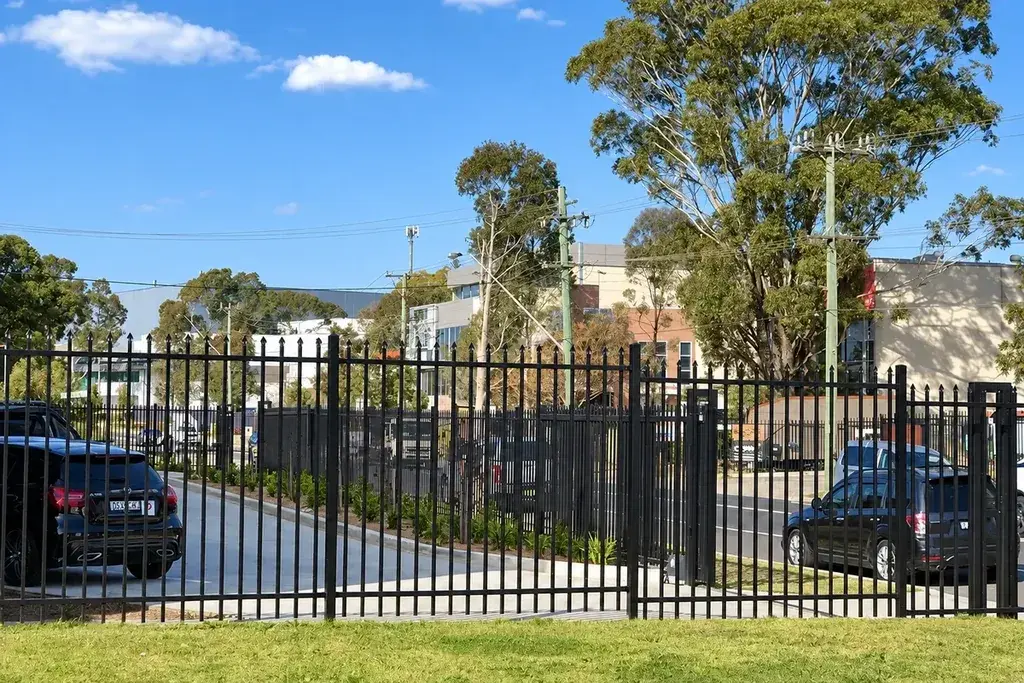
A lower-cost option should not be accepted if it cannot restore the required boundary, gate function or other essential performance. Assess those conditions first.
Examples favouring local repair include isolated impact damage, sound compatible supports and readily available parts. Examples favouring a replacement review include widespread support deterioration, repeated incompatible repairs or a changed operational requirement.
Replacement can also be phased. Use the occupied-site replacement sequence to maintain the boundary while work proceeds. Include the extra mobilisation and temporary arrangements in the cost model.
Record the decision and its review trigger
State which components will be reused, what evidence supports their condition and what maintenance remains necessary. Attach the cost assumptions and the chosen time horizon.
If repair is selected, set a review trigger such as a defined recurring defect, verified support deterioration or actual repair spending exceeding the planning assumption. This is more actionable than deciding to “monitor the fence” indefinitely.
If replacement is selected, retain the survey findings in the specification. They explain why the previous system underperformed and help the new design address the cause instead of simply supplying newer panels.