
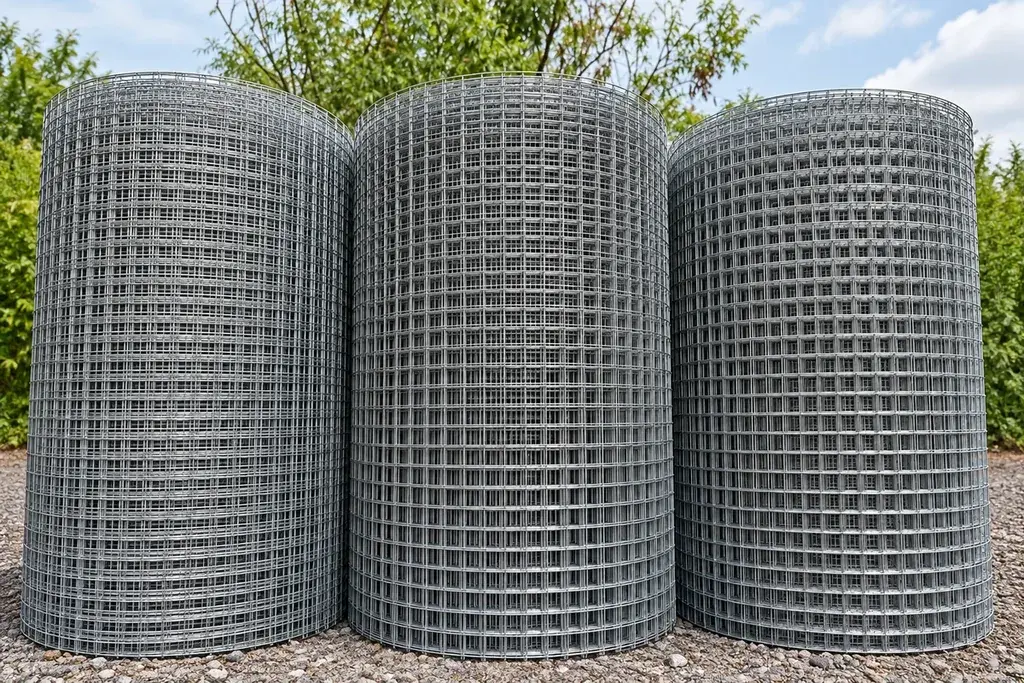
Identify the applicable wire document
BSI's record for BS EN 10244-2:2023 covers zinc or zinc-alloy coatings on steel wire, including coating mass, properties and testing. Establish the required edition and coating designation from the project specification and full standard.
Do not replace a wire-coating requirement with ISO 1461 by habit. ISO 1461 procurement guidance explains the different scope for fabricated articles.
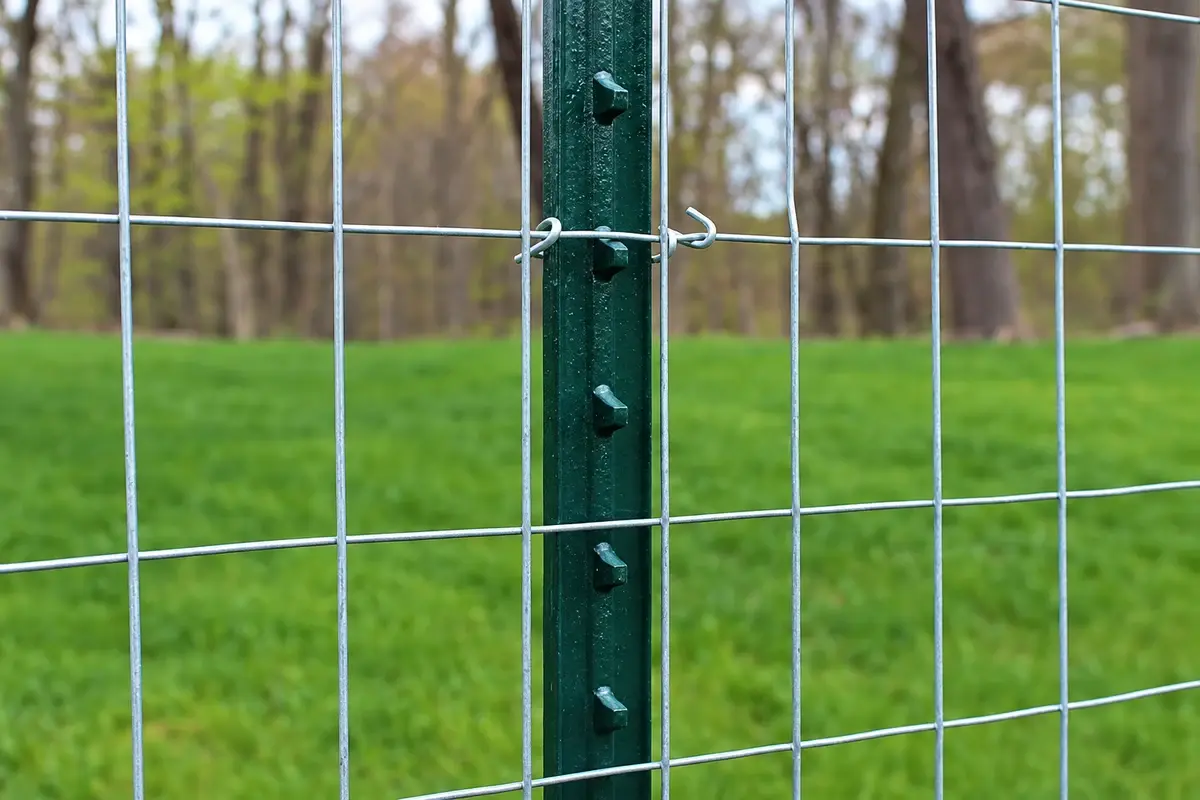
State how diameter is measured
Separate the steel-core dimension from the overall coated dimension where the product specification requires that distinction. For a wire with an additional polymer covering, an overall diameter alone cannot establish the steel core. A thicker outer covering should not be mistaken for additional steel.
| Field | Example of the information needed |
|---|---|
| Wire identity | Product and lot reference |
| Diameter basis | Core or overall, with units and tolerance basis |
| Metallic coating | Zinc or stated zinc alloy and required designation |
| Result basis | Test method, sample identity and reported units |
| Further processing | Welding, forming or additional coating route |
The entries are information categories, not a FencingWise specification table. Actual values belong to the accepted product and order.
Understand coating mass and surface area
For a simplified geometric example, 100 m of cylindrical wire with a 2.5 mm diameter has lateral area π × 0.0025 × 100 ≈ 0.7854 m². At an assumed coating mass of 200 g/m², the corresponding ideal coating mass is about 157.1 g. A 4 mm wire over the same length has about 1.2566 m² of lateral area, corresponding to 251.3 g at the same assumed mass per area.
This is an illustrative calculation, not a prescribed coating class, test method or product claim. It shows why comparing total zinc mass without accounting for wire geometry can mislead. Use the standard's test method and required designation for acceptance.
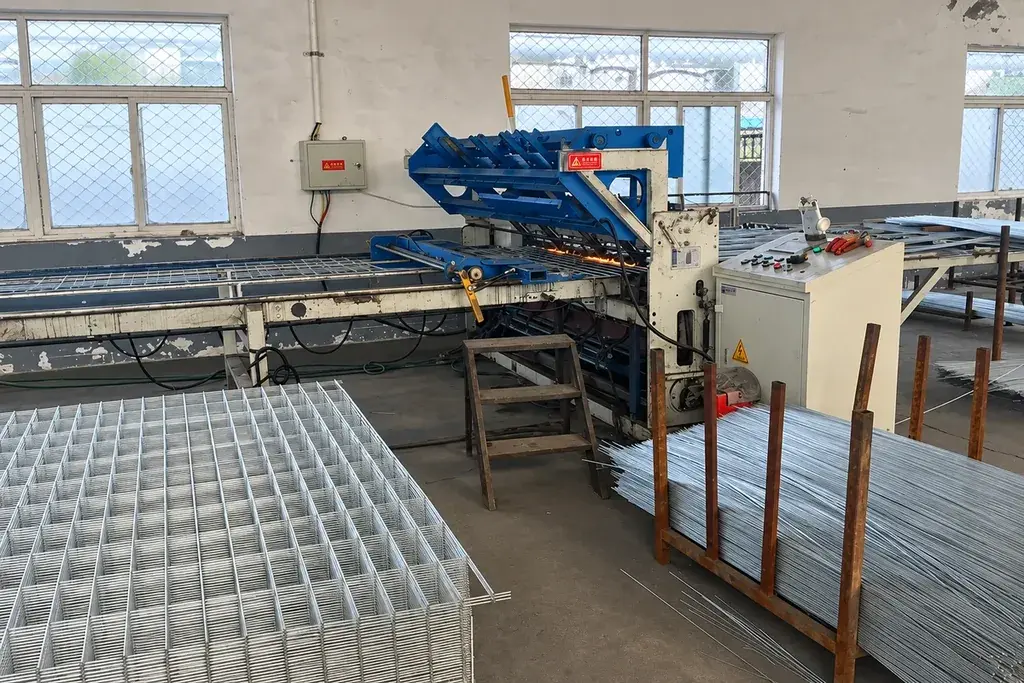
Keep the finished fence connected to the wire record
If wire is welded or formed after coating, ask how the finished product and affected areas are addressed in the specification. The incoming wire record should remain traceable to the finished lot, but it is not automatically a complete inspection record for the finished panel.
At receipt, check roll or pack labels against the order and evidence. A certificate for a different diameter or coating designation should be referred for correction, not filed as a generic “galvanizing certificate”.
Resolve missing units before comparing offers
Check whether a reported value is coating mass per area, coating thickness or overall wire diameter. Do not compare those numbers directly. If the supplier cannot explain the units and method, request a corrected record before making a conformity decision.
The report-gap process provides a way to track the correction through to the delivered lot.