
By FencingWise Editorial Team · Updated 17 September 2026.
A reliable schedule names its starting event, separates dependencies and identifies what can run in parallel.
Define the milestone the supplier is promising
Distinguish drawing issue, approval, production start, production completion, inspection release, dispatch and arrival. “Ready in four weeks” is ambiguous unless it identifies which milestone is ready and what starts the clock.
Record whether durations use working days or calendar days. Note the relevant working calendar and any agreed shutdowns. Do not add five working days to a calendar date without accounting for the actual calendar.
The order should also identify assumptions such as approved drawings, material availability and required payment milestones. These are scheduling inputs, not reasons to leave the buyer guessing about the start date.
Map the activities and their dependencies
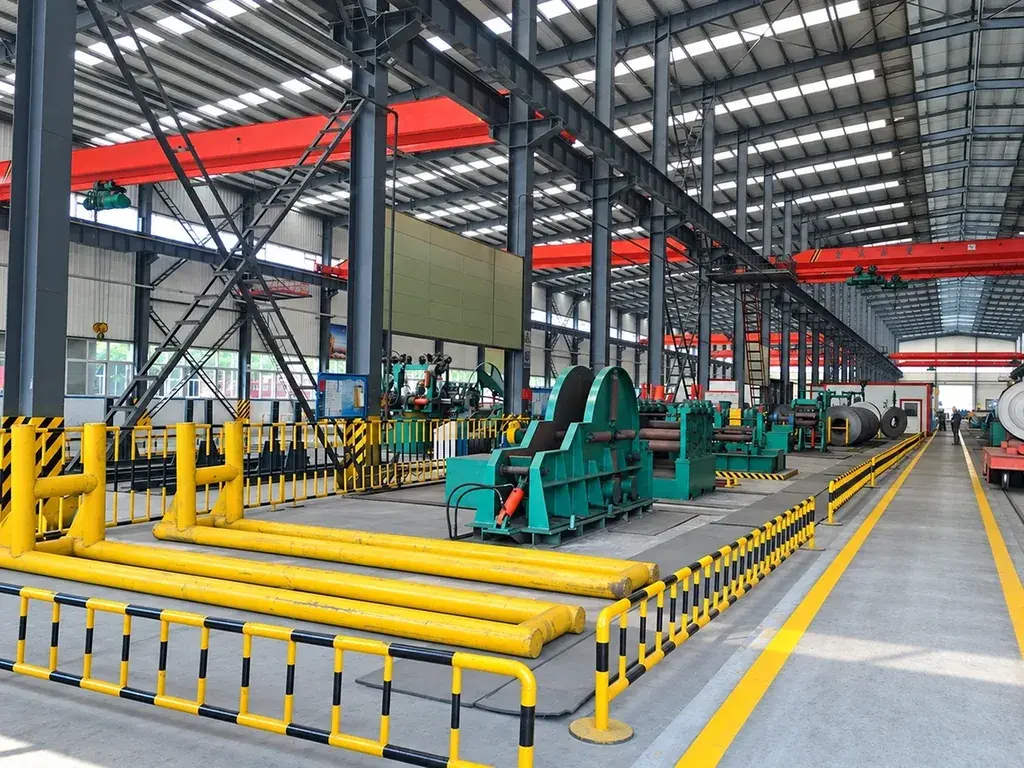
For a typical material order, the schedule may include specification closure, material preparation, fabrication, finishing, inspection, correction if needed, packing and dispatch arrangements.
Panels, posts and gates can follow different routes. A gate with bespoke hardware may determine the package's completion even if standard panels finish earlier. Treat the slowest required component path as a visible part of the plan.
Use a table that names each activity's predecessor. That makes it possible to distinguish genuine parallel work from a list of tasks that must happen in sequence.
Calculate a complete fictional schedule
The following example uses abstract working-day numbers starting at day 0. It is not a FencingWise lead-time promise.
| Activity | Duration | Can start after | Finish in the example |
|---|---|---|---|
| Drawing preparation | 3 days | Order inputs available | Day 3 |
| Buyer review | 2 days | Drawing issue | Day 5 |
| Material readiness | 4 days | Order inputs available | Day 4 |
| Fabrication | 6 days | Both approval and material readiness | Day 11 |
| Finishing | 3 days | Fabrication complete | Day 14 |
| Inspection | 1 day | Finishing complete | Day 15 |
| Packing and dispatch preparation | 2 days | Inspection release | Day 17 |
Approval and material readiness overlap. Fabrication starts after the later of their completion dates:
max(day 5, day 4) = day 5.
The release path is therefore 5 + 6 + 3 + 1 + 2 = 17 working days from the stated start, assuming no corrections or other delays. Adding every table duration would give 21 days and would incorrectly treat material readiness as fully sequential.
Show what a late approval changes
Suppose the buyer review takes four days instead of two. Drawing preparation still finishes on day 3, so approval moves to day 7. Materials remain ready on day 4.
Fabrication now starts on max(7, 4) = day 7. With the other durations unchanged, dispatch preparation finishes on day 19.
The two-day approval delay moves the example's completion by two days because approval is on the controlling path. A two-day material delay, from day 4 to day 6, would have a different effect in the original schedule: fabrication would start on day 6, moving completion to day 18.
This is why a date update should identify the affected dependency rather than simply add every reported delay to the end.

Give inspection and correction their own places
A schedule should not assume inspection always produces immediate release. Identify how the order handles a finding that requires correction or additional evidence.
For a separate fictional scenario, suppose a three-day correction and a one-day recheck are required after the original day-15 inspection. Packing could begin only after the relevant release, moving its completion from day 17 to day 21, if all those activities are sequential.
Do not silently hide that contingency inside an unexplained production estimate. Agree the reporting and release process so the buyer knows which milestone has changed and why.
The inspection preparation guide helps reduce avoidable delays caused by missing documents, inaccessible goods or unavailable test equipment.
Keep transport outside the factory-duration calculation
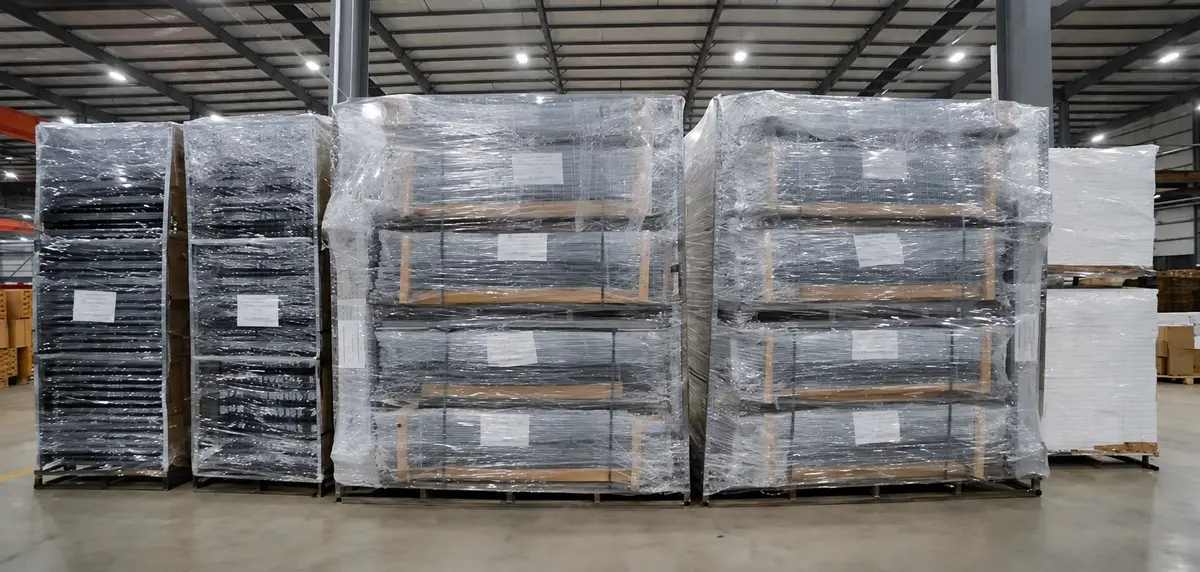
Once the goods are ready, transport still depends on the actual booking, route, documentation, clearance and receiving arrangements. A factory completion date does not guarantee arrival at a particular site.
Record planned dispatch and arrival as separate milestones with their sources. Use actual transport information from the responsible provider rather than a permanent transit-time claim copied into every quotation.
The receiving team also needs suitable unloading resources, access and a booked delivery window where applicable. Goods arriving at the destination while the site cannot accept them are not the same as materials available for installation.
Manage changes before they enter production
A late colour change can affect finishing; a revised gate opening can affect fabrication, hardware and packing; a changed delivery sequence can require a different package plan.
For each change, record the affected items, approval status and revised schedule. Identify any completed work that must be reconsidered. Do not issue a new target date without explaining the assumptions needed to achieve it.
The importer specification-sheet method helps control revisions so the schedule follows one defined product.
Ask for progress against milestones
A useful update states what is complete, what evidence supports that status, what is next and whether the agreed completion date has moved. “Production ongoing” provides little planning value.
FencingWise's project-supply process coordinates the actual material order. The schedule should therefore be built from its approved scope and dependencies. The calculation above is a method buyers can reuse, not a published promise that every fence order will be ready in 17 days.