
Match the delivery to the purchase specification
Record the supplier, delivery reference, purchase order, material description and batch or lot identity where provided. Check the quantity and visible condition before the material is mixed with existing stock. Separate different grades, sizes and coating routes even when they look similar.
For wire, preserve coil identity. For tube or plate, retain the applicable material and bundle references. Bought-in hinges, clamps and fasteners need their exact model or specification, because a similar-looking replacement can change fit or function.
FencingWise's confirmed quality sequence begins with material checks. The precise documents, sampling and acceptance requirements for an order should be agreed in its inspection plan; this article does not claim a fixed testing percentage or universal material grade.
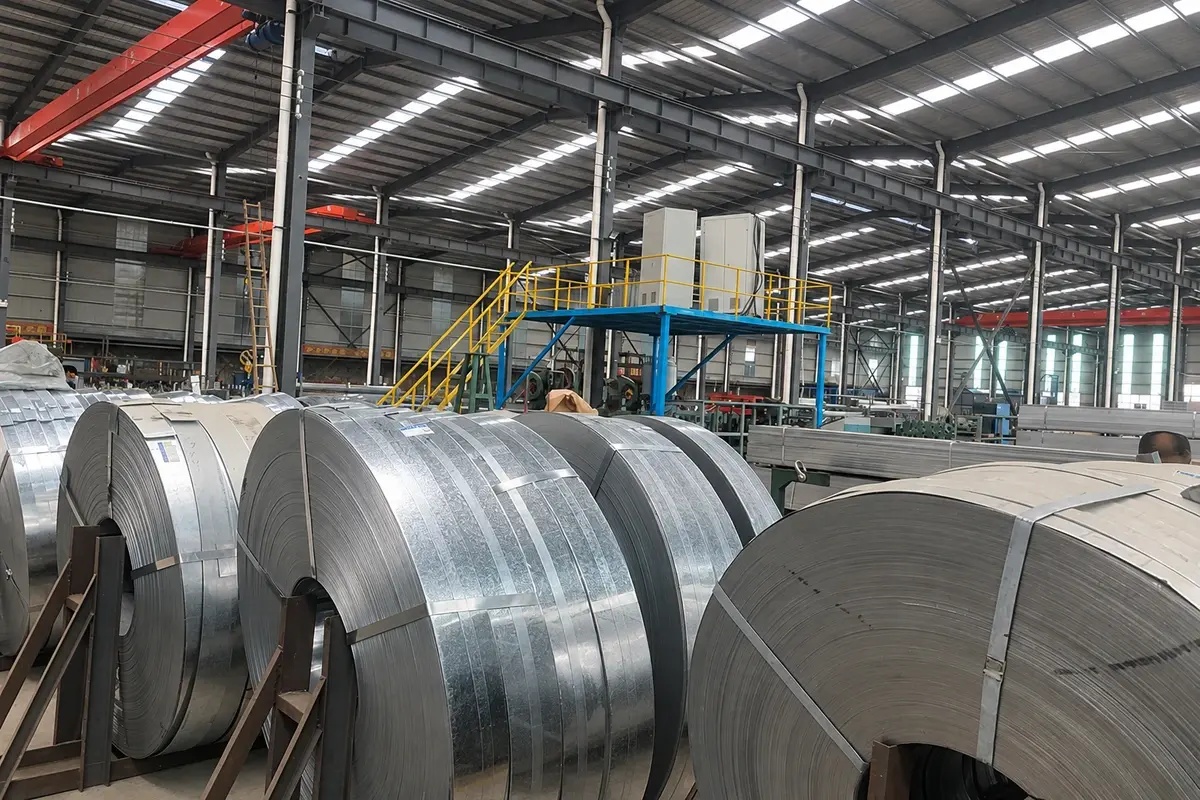
Use a material-specific check sheet
| Material | Dimensional checks to define | Document or identity check |
|---|---|---|
| Wire | Core or finished diameter under the specified convention | Material, coating and coil reference |
| Hollow section | Outside dimensions, wall thickness and length | Section and material designation |
| Plate | Thickness, length, width and required condition | Material reference and traceability |
| Fastener | Thread, length, head and mating fit | Grade, material, finish and product identity |
| Bought-in hardware | Mounting geometry and model-specific dimensions | Manufacturer reference and current instructions |
Measurement access and method matter. A coating can affect the reading, and a single measurement at an easy location may not represent every specified dimension. Select suitable equipment and the agreed measurement locations.
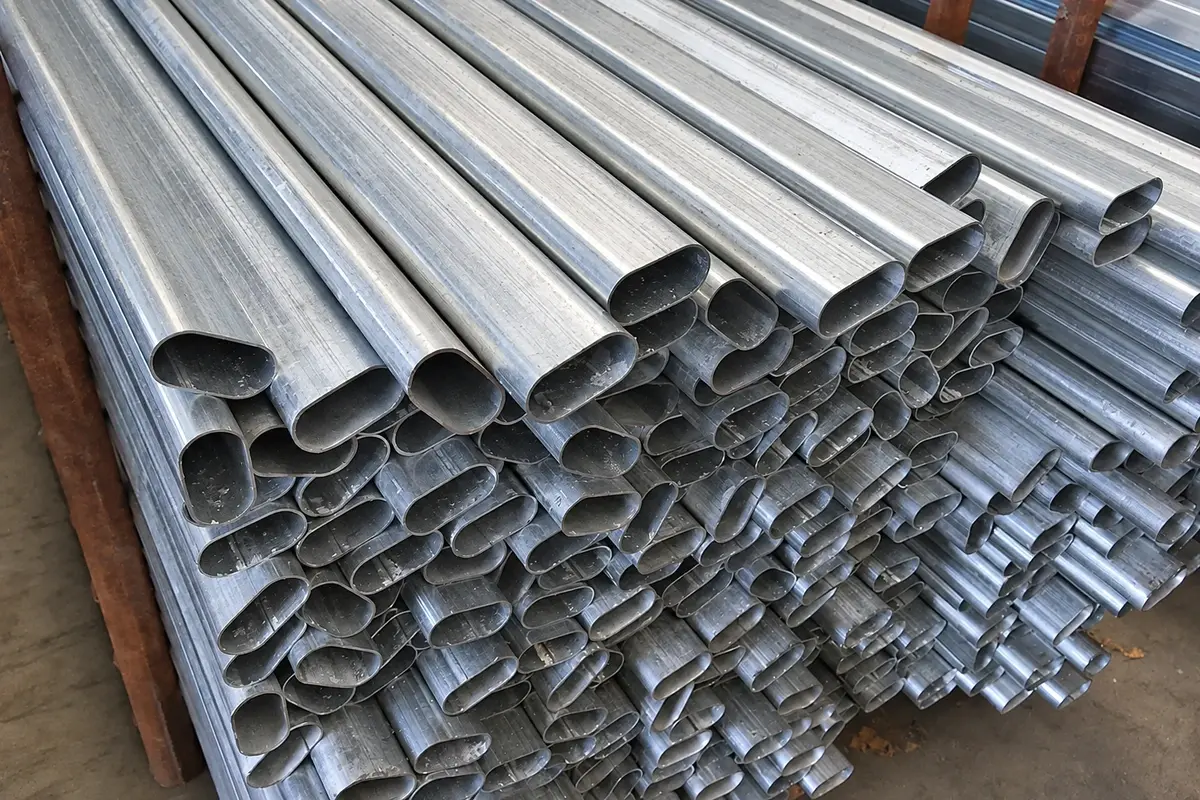
Work through an illustrative wire check
Assume a purchase specification explicitly requires a diameter of 5.00 mm with a tolerance of ±0.05 mm under a defined measurement method. The permitted interval is 4.95–5.05 mm. This tolerance is invented for the example; it is not a general fence-wire standard.
Suppose five recorded readings are 4.98, 5.01, 4.96, 5.03 and 4.93 mm. Their arithmetic mean is 4.982 mm, which lies inside the interval. The final individual reading is below the stated minimum.
If the agreed criterion applies to each reading, the acceptable average does not cancel the nonconforming value. Record the result and follow the agreed investigation or disposition process. Also account for the measurement method and uncertainty where they affect the decision.
Do not call the whole delivery defective solely from an illustrative five-reading exercise unless the actual sampling and acceptance plan supports that conclusion. The result identifies an issue requiring the defined response.
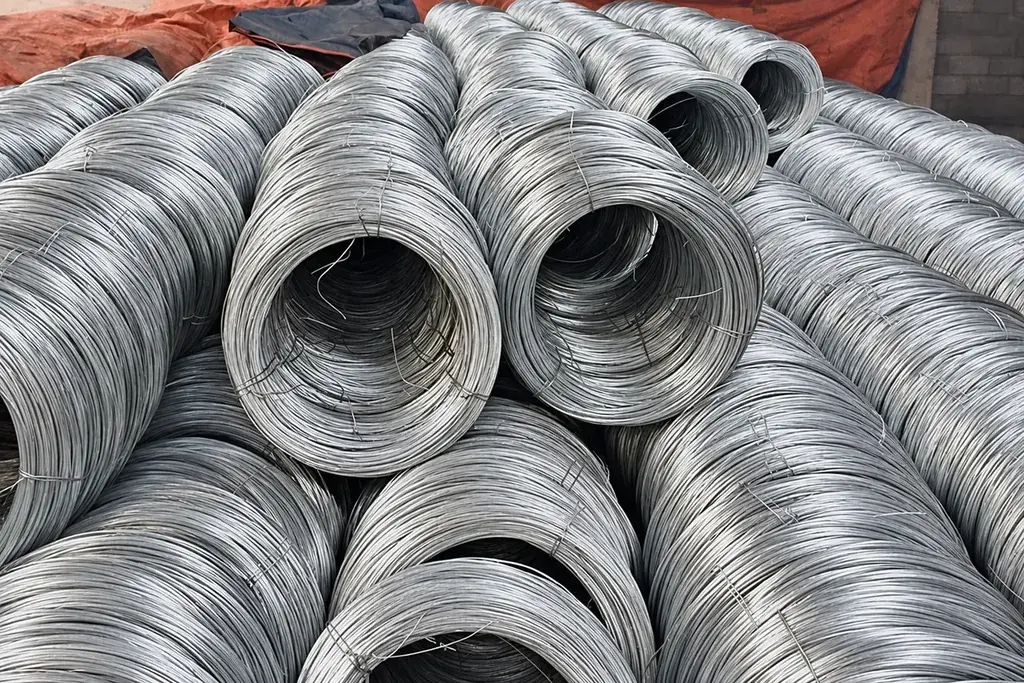
Check documents for the material actually received
A material certificate or test report should match the relevant identity and scope. Compare dimensions, material designation and batch references rather than accepting a generic document because its date is recent.
If the record covers a producer's different product or a different coating route, log the mismatch. Do not copy its values into the receiving sheet as if they were measured on the delivered material. The test-document guide explains how to connect evidence to the supplied item.
A declaration from the seller, a laboratory report and a material certificate may each have a role, but they are not interchangeable. State which is required before the goods arrive when the order depends on that evidence.
Control nonconforming material visibly
- Identify and separate the affected lot or parts.
- Record the discrepancy, measurements, photographs and specification reference.
- Prevent unapproved use while the disposition is decided.
- Obtain the authorised decision: return, replace, rework, further assessment or a specifically accepted concession.
- Record any reinspection after correction.
- Release only the material covered by the accepted decision.
A verbal instruction to use the material because production is busy defeats the inspection process. A concession should identify what differs and who has authority to accept it for the intended use.
Carry identity into production
Once a lot is released, retain the link between material and the production batch to the extent required by the order. Split coils, mixed bundles and small hardware transfers are common places for that link to disappear.
The sample and production consistency guide follows the next stage. Incoming inspection should leave production with identified, accepted material and a clear record of any permitted exception, rather than a folder of unrelated certificates.