
Assign a purpose to each layer
The boundary defines authorised entry. A yard or compound can separate deliveries from stored goods. The store enclosure protects the goods themselves. Detection, access control and response arrangements connect those physical elements.
Write one acceptance question for each function. Can authorised deliveries use the agreed route? Is each selected enclosure supported by the specified evidence? Can the maintenance team identify and service the relevant components? Avoid describing the whole site with one unqualified adjective such as “impenetrable”.
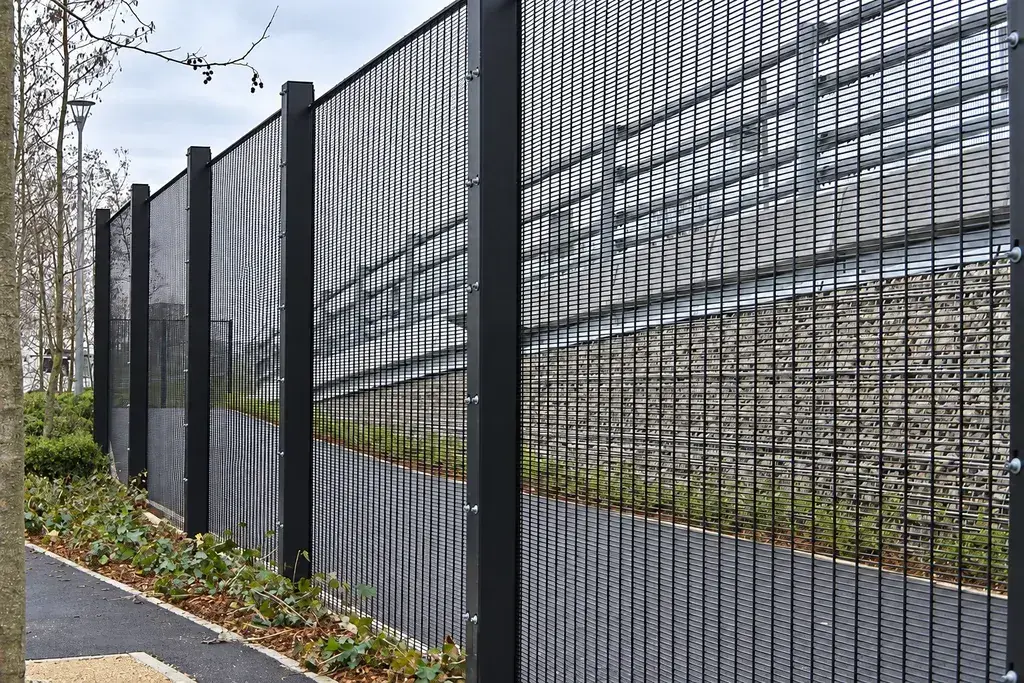
Compare evidence at the assembly level
| Purchase | Evidence should identify | A document that is insufficient alone |
|---|---|---|
| Rated fence system | Product, posts, fixings and permitted configuration | A mesh material certificate |
| Rated gate | Leaf, frame, locks and installation scope | A certificate for the adjoining fence |
| Detection equipment | Chosen system and installation requirements | A panel supplier's brochure |
The LPCB directory is a route to checking listed products. A rating applies within its documented scope. Two rated barriers in series do not automatically produce a new combined rating, and minutes from unrelated test methods should not be added together.
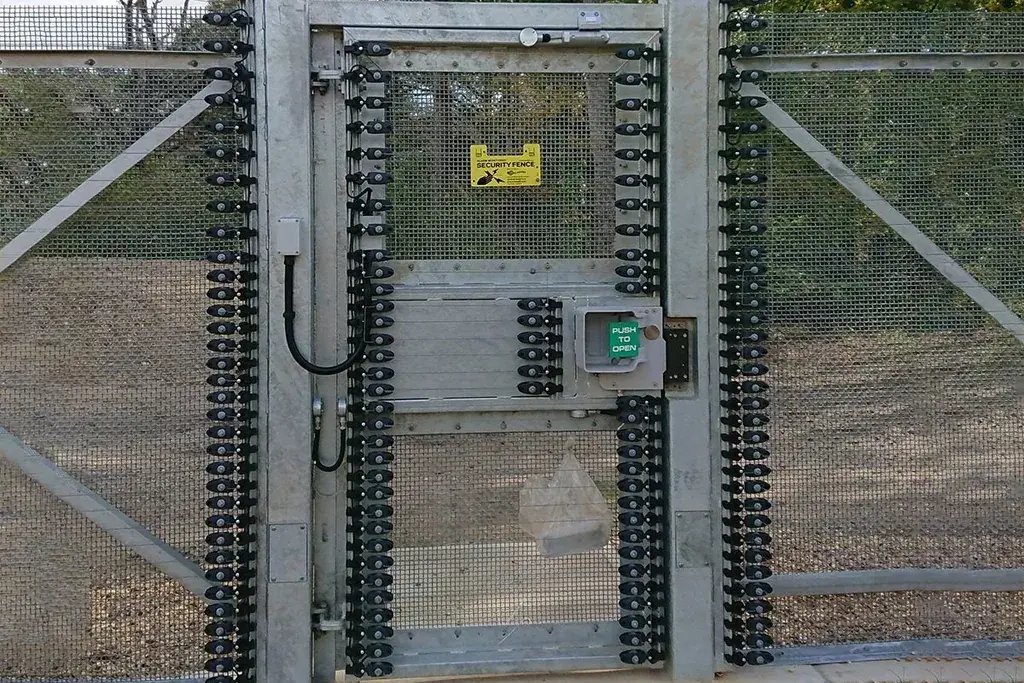
Use a cost split that reveals omissions
For an illustrative £100,000 budget, an estimate might allocate £35,000 to the outer boundary, £20,000 to yard separation, £25,000 to store protection and £20,000 to integration and commissioning. The figures total £100,000, but are not recommended proportions or market prices.
Use the split to ask what each line includes. If integration is omitted from another offer, its lower total is not a like-for-like saving. If the risk assessment changes, adjust the functions and evidence first, then rebalance the estimate.
Protect ordinary operating routes
Goods receiving, waste collection and maintenance still need to work. Give each route a clear operating owner and specify its gate or enclosure arrangement. Minimise arrangements that depend on routinely leaving a barrier open to perform normal work.
Avoid publishing sensitive layouts, response procedures or access details in a general supplier enquiry. A controlled project document can carry that information while the commercial schedule identifies the necessary materials and interfaces.
Handover by function, not only by trade
An installation can look finished while an interface remains unresolved. Arrange acceptance around the approved operating functions and have the relevant specialists sign off their own scope. NPSA's perimeter detection guidance provides context for the detection element.
Keep approved drawings, product evidence, maintenance requirements and replacement references together for each assembly. Use certificate scope checks before ordering and the test-report gap process if the offered configuration cannot be matched to its evidence.