
Identify the protection mechanism
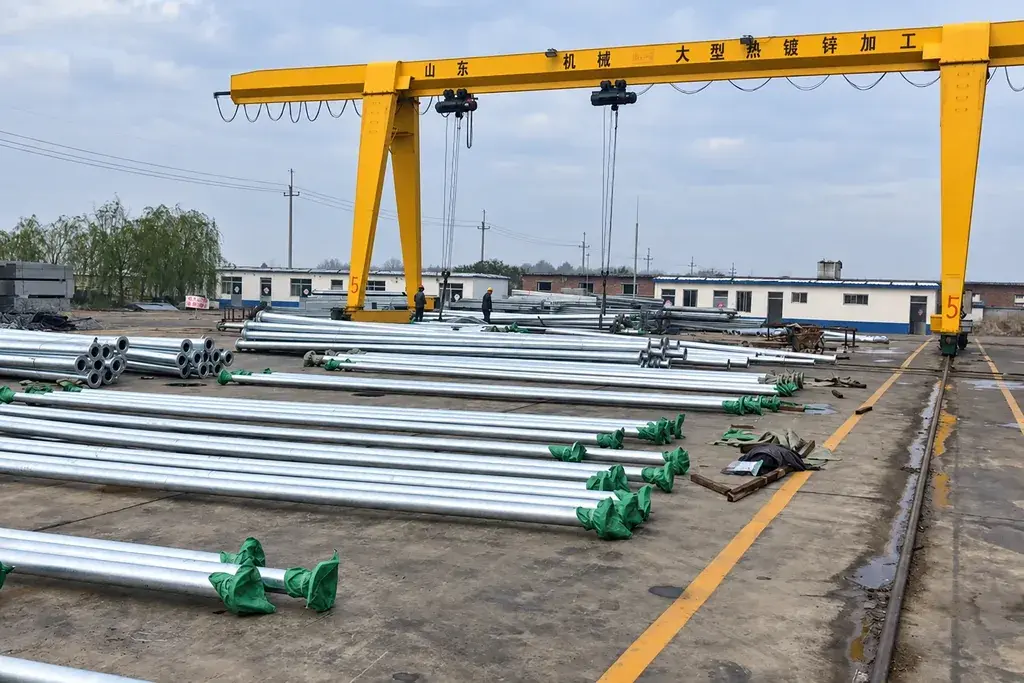
For galvanised steel, zinc provides a barrier and can protect exposed steel sacrificially under relevant conditions. The Galvanizers Association explains that protection. Its effectiveness depends on the coating and exposure; it is not permission to ignore extensive damage or a poorly detailed joint.
Aluminium forms a surface oxide, and anodising deliberately develops an oxide finish. An anodised finish and a powder-coated finish are different specifications, so do not combine their properties or warranties into one generic aluminium claim.
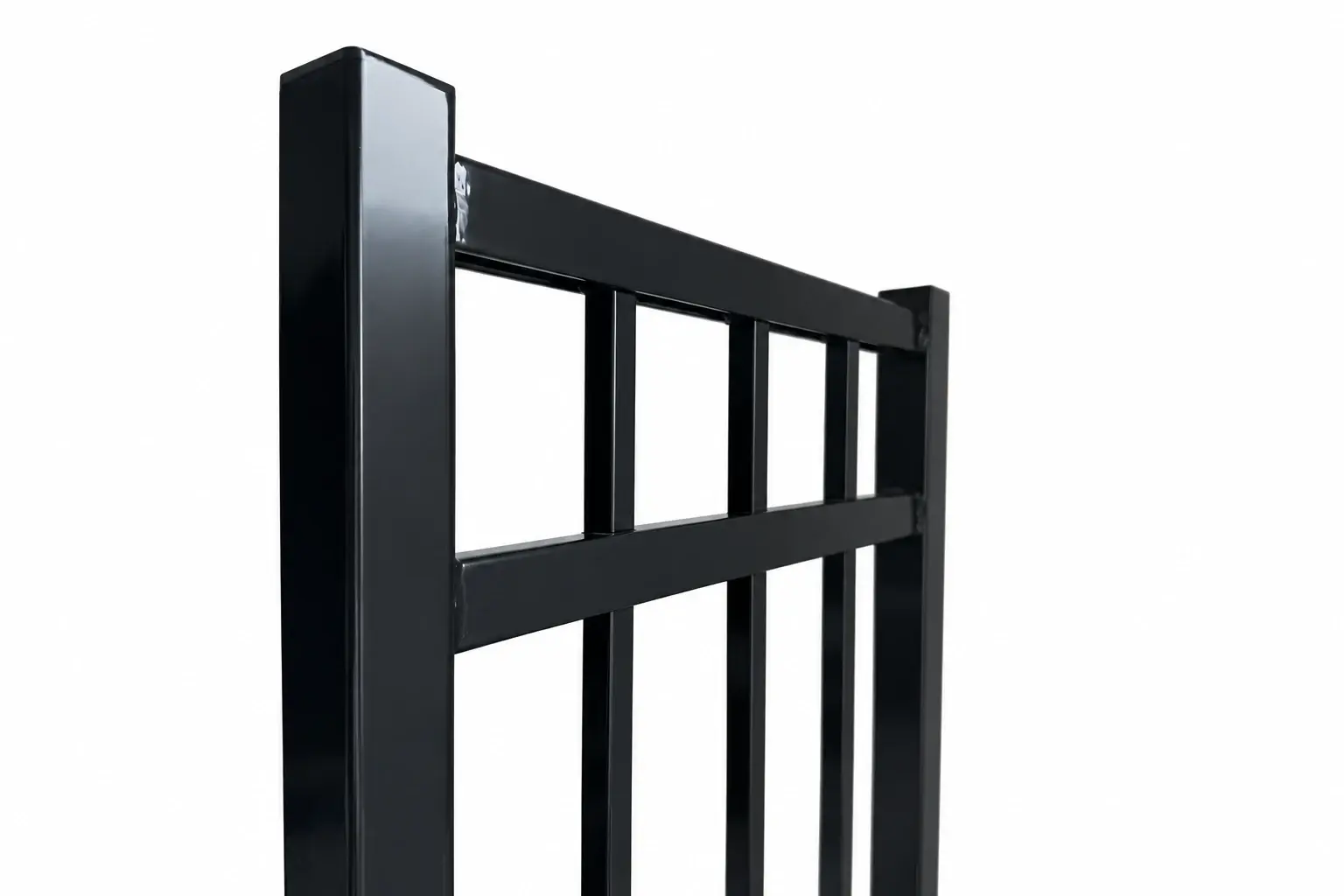
For both materials, retain the exact material designation, surface preparation, finish and component construction. Hollow sections, welded regions, cut ends and mixed-metal fixings may require different attention from a flat sample.
Describe where water and deposits remain
An exposed vertical face may wash and dry differently from a sheltered bottom rail. Look at horizontal ledges, overlapping joints, ground contact, vegetation and washdown. These local conditions can matter more than a broad description such as outdoor use.
Photograph representative details and mark them on the plan. Distinguish direct sea spray from deposited salt, and identify any chemical or cleaning exposure relevant to the facility. A corrosion specialist or coating supplier can then assess the proposed system against meaningful conditions.
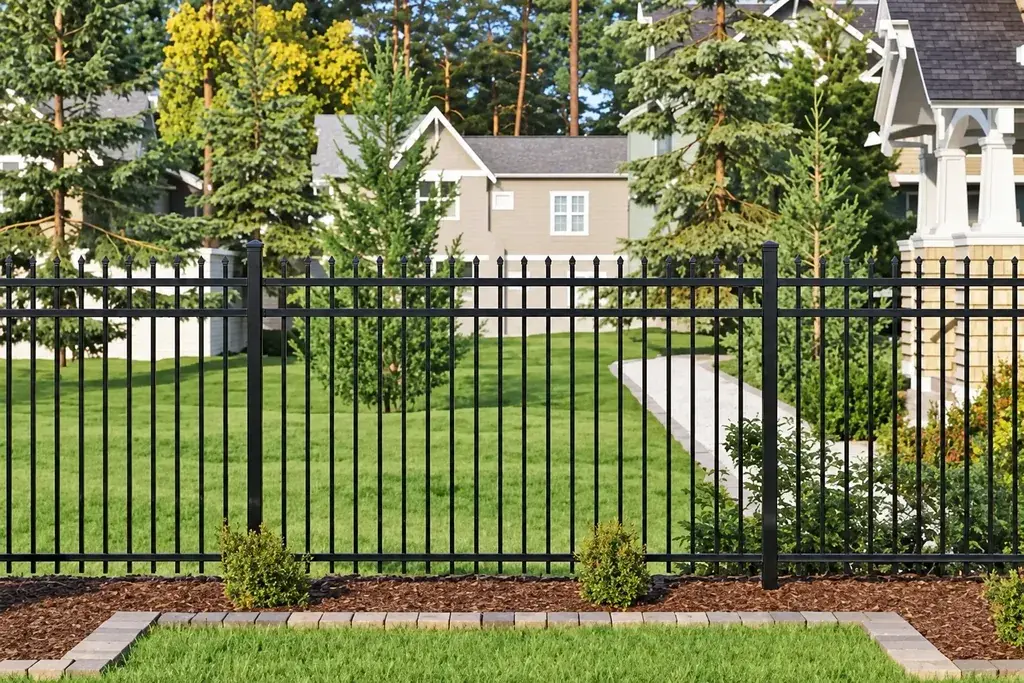
Avoid declaring a material suitable for every coastal site. Alloy, coating quality, geometry and maintenance all affect the result. The coastal fence guide explains how to turn exposure into a usable procurement brief.
Compare local details side by side
| Detail | Steel assembly question | Aluminium assembly question |
|---|---|---|
| Welded joint | What protection remains or is applied after welding? | What alloy, welding route and final finish are specified? |
| Cut edge | How is exposed steel protected where needed? | Is the cut compatible with the specified finish and detail? |
| Fastener contact | Are zinc, steel and any other metals compatible in this environment? | Are mixed-metal contacts and wet crevices addressed? |
| Surface damage | Which coating layers are affected? | Is damage limited to appearance or does it expose a vulnerable detail? |
| Replacement | Does the new part preserve the original protection route? | Does it match the material, finish and connection arrangement? |
The table provides investigation questions, not an automatic ranking. A well-specified steel assembly can be a better choice than a poorly detailed aluminium one, and the reverse can also be true.
Record defects in a way that supports a decision
For an illustrative survey, inspect 40 identified connection locations and record 6 with visible coating damage. The observed proportion is 6 ÷ 40 = 15%. If 4 of those 6 are on sheltered lower rails, retain that location information instead of reporting only the percentage.
The sample does not establish the condition of every connection or a statistical failure rate unless the sampling plan supports that inference. It does suggest where a closer investigation may be useful. Record defect type, size, material and local exposure alongside the count.
A white deposit and a red stain are observations, not a complete diagnosis. Cleaning or repair should follow identification of the material and cause. Keep a photographic record before altering the affected surface.
Select the system with the maintenance route included
Compare the work needed to inspect, clean and replace vulnerable components. Access restrictions can dominate maintenance cost, particularly beside operating plant, roads or high-level containment. The cheaper initial material may not produce the lower total cost if repairs require repeated closures or specialist access.
Use the coating lifecycle cost method with explicit assumptions. Do not insert a fixed service life simply because a supplier calls a product aluminium, galvanised or maintenance-free. A useful life claim needs a defined environment, end condition and evidence.
What to put on the purchase order
Record the material designation, coating or anodising route, colour where relevant, accepted sample, inspection requirements and repair instructions. Include the approved fastener and isolation details. The mixed-metal connection guide explains why those details should be reviewed as an assembly.
The final choice should state the reason it fits the project's exposure and maintenance plan. That is a stronger procurement decision than an unsupported statement that one metal never corrodes.