
Make a provision register
For a hypothetical project with six planned equipment points and two gate crossings, create eight location records. Link each to the current drawing rather than placing a general note at the bottom of the specification.
| Register field | Information to enter |
|---|---|
| Identifier | Unique point or crossing reference |
| Position | Coordinate or dimension from a stable datum |
| Intended purpose | Equipment or service family, with unresolved details visible |
| Physical provision | Accepted bracket, sleeve or conduit detail |
| Responsible party | Designer, installer and later equipment owner |
| Verification | Required inspection and as-built record |
Do not invent conduit depth, separation, fill allowance or electrical protection requirements. These must come from the relevant design and installation rules for the services involved.
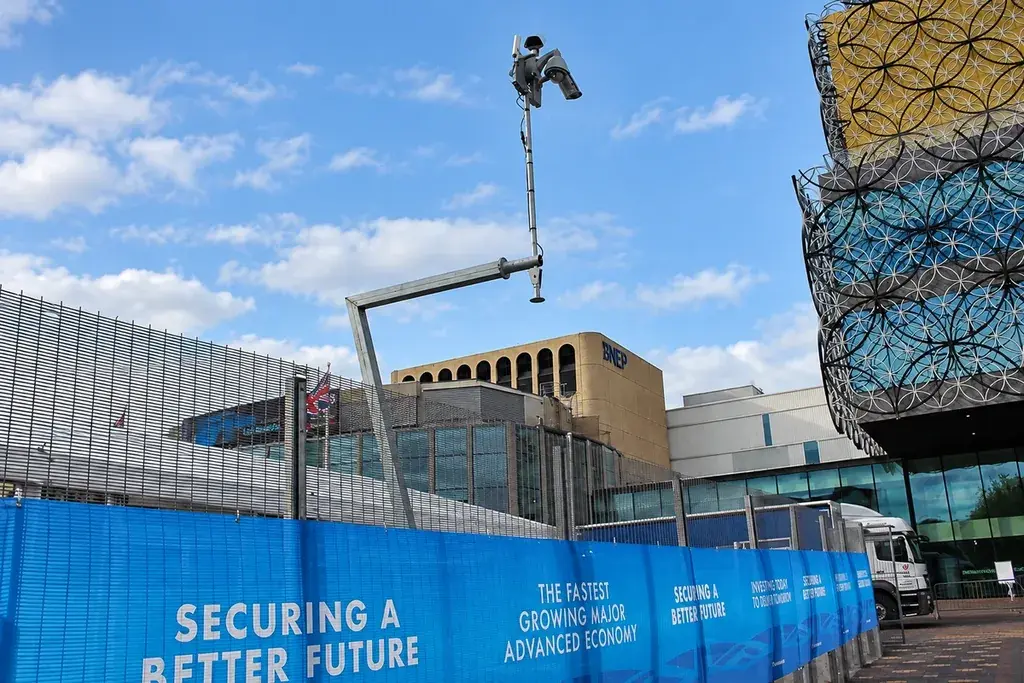
Define the bracket by what it supports
Record the intended device, mass, offset, attachment geometry and relevant environmental loads once known. The fence designer needs the complete loading information, not just the device’s catalogue weight.
If the equipment remains undecided, describe the provision as limited to the accepted physical detail. Keep later equipment approval as a required step. A spare bracket does not establish a spare structural capacity unless that capacity has actually been designed and documented.
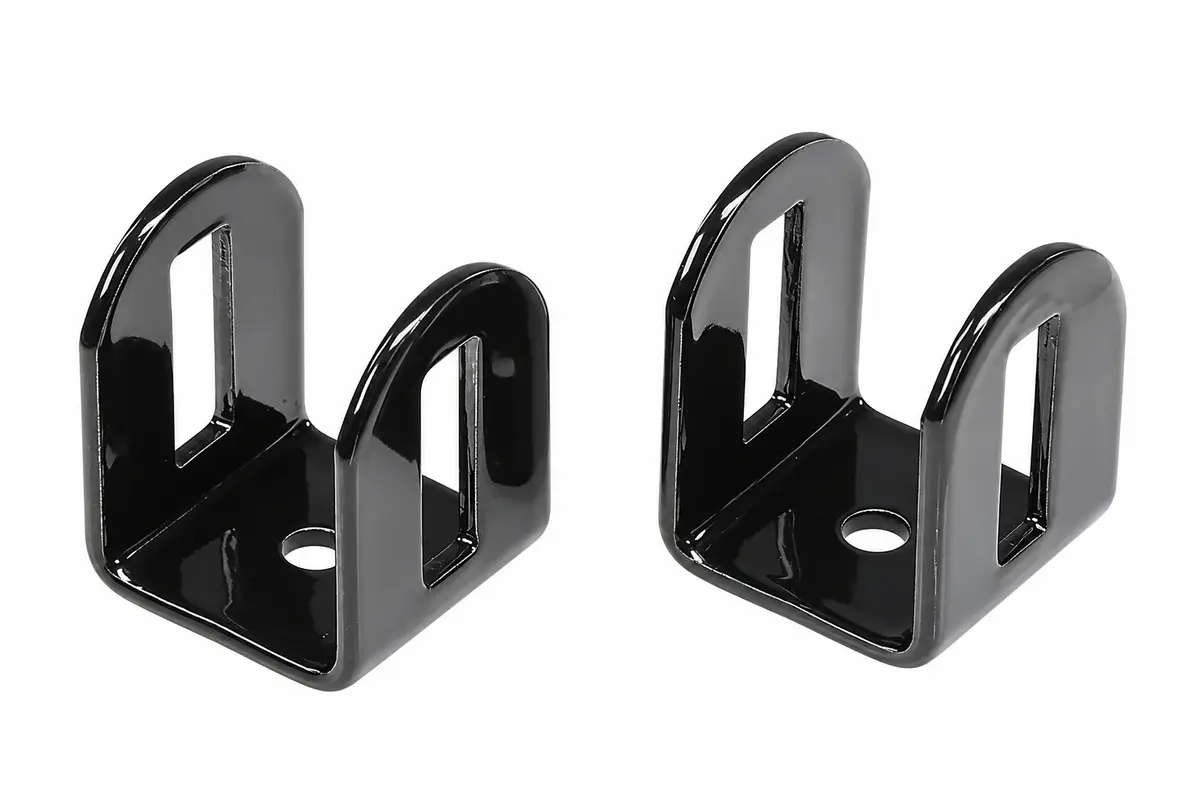
Resolve gate crossings before closing the works
Coordinate services with the gate’s movement, foundations and maintenance access. Identify where responsibility passes between civil, fencing and electrical contractors. Keep the relevant drawings aligned so a revised post or foundation does not conflict with an earlier service route.
Inspect agreed concealed provisions before they become inaccessible, using the project’s specified method. Record positions and accepted details in the as-built information. A photograph without a location reference is much less useful when the site is later resurfaced.
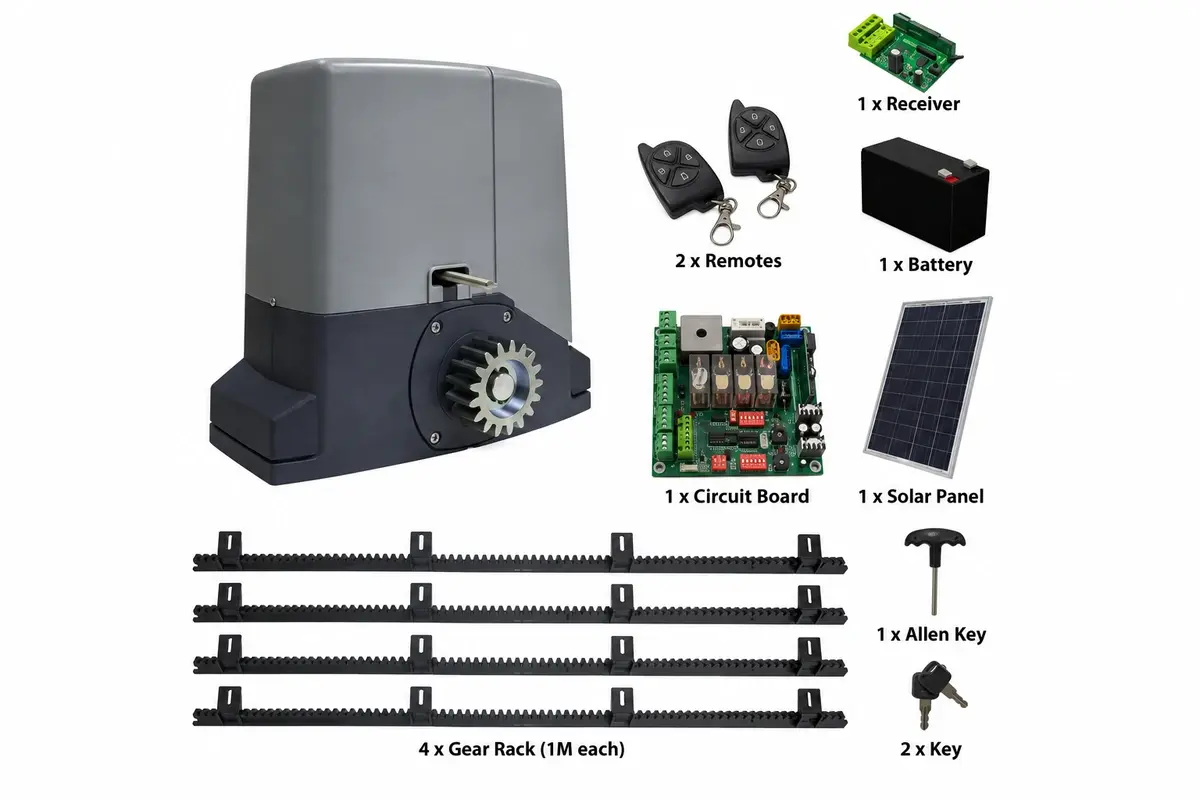
Control changes to holes and finishes
Field drilling or welding may change both the structure and its protective finish. Obtain approval for the actual modification and its restoration method. Do not describe a site-applied coating touch-up as automatically equivalent to the original process.
Where the later equipment uses a different mounting pattern, compare it with the provision register. Review adapters and changed offsets rather than assuming that a plate large enough to accept the bolts is suitable.
Hand over the limits as clearly as the provisions
Separate installed provisions, tested services and future work in the record. Identify any sleeves that are empty, any services that are complete and any points awaiting equipment-specific design.
At a later upgrade, the integrator can then work from actual dimensions and responsibilities. The detection interface guide and lighting coordination guide explain the additional checks for those two uses.