
Establish the authorised requirement
Record the project specification, revision, acceptance authority and controlled document route. Use only information released for the procurement. Site operating details, sensitive layouts and security procedures belong in the client's protected systems, not in public supplier material.
Confirm whether the order concerns a complete perimeter system, an internal enclosure, gates or replacement components. Each scope needs its own acceptance basis. Approval of one product for one location should not be presented as general approval for custodial work.
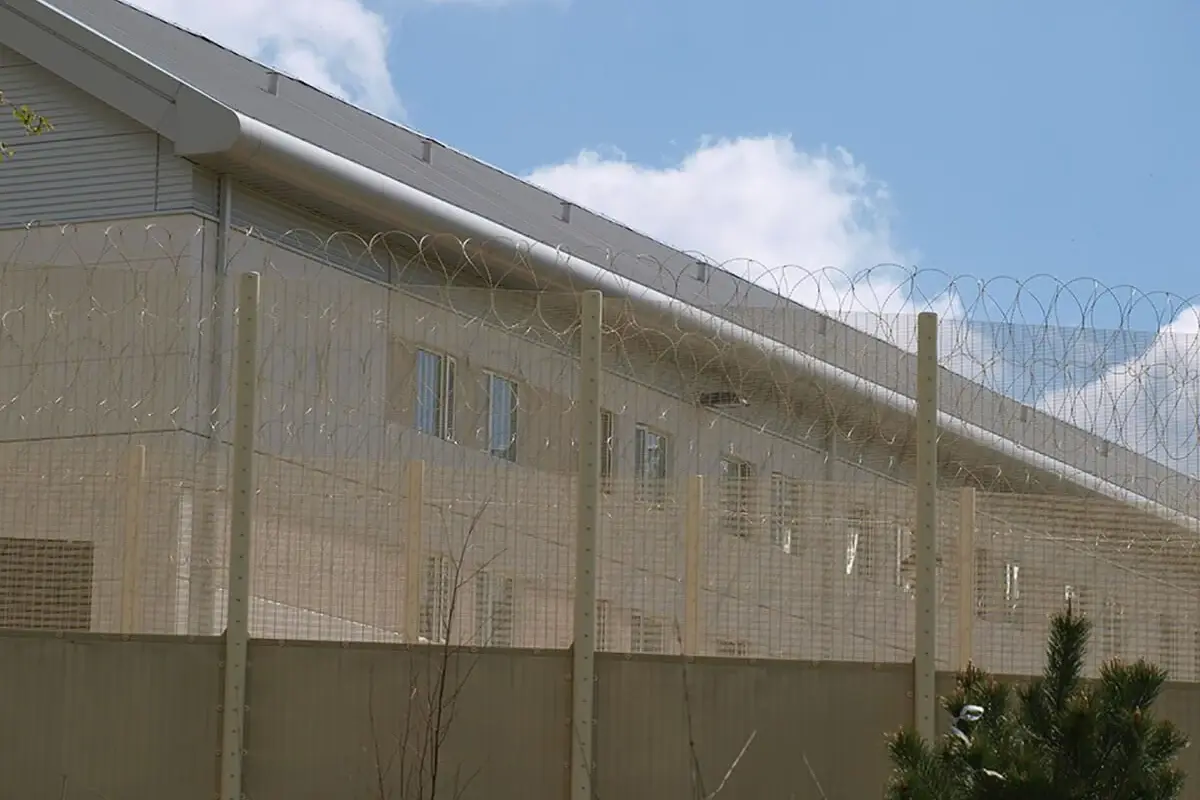
Match evidence to the physical assembly
| Evidence field | Check against the offer |
|---|---|
| Product identity | Exact model and manufacturer |
| Configuration | Height range, posts, panels, fixings and installation limits |
| Gate arrangement | Leaf, frame, hardware and permitted opening configuration |
| Document standing | Issuer, reference, revision and current listing where applicable |
Where LPCB certification is specified, check the relevant Red Book Live listing rather than relying on a logo in a brochure. A material test or management-system certificate serves a different purpose from a system resistance classification.
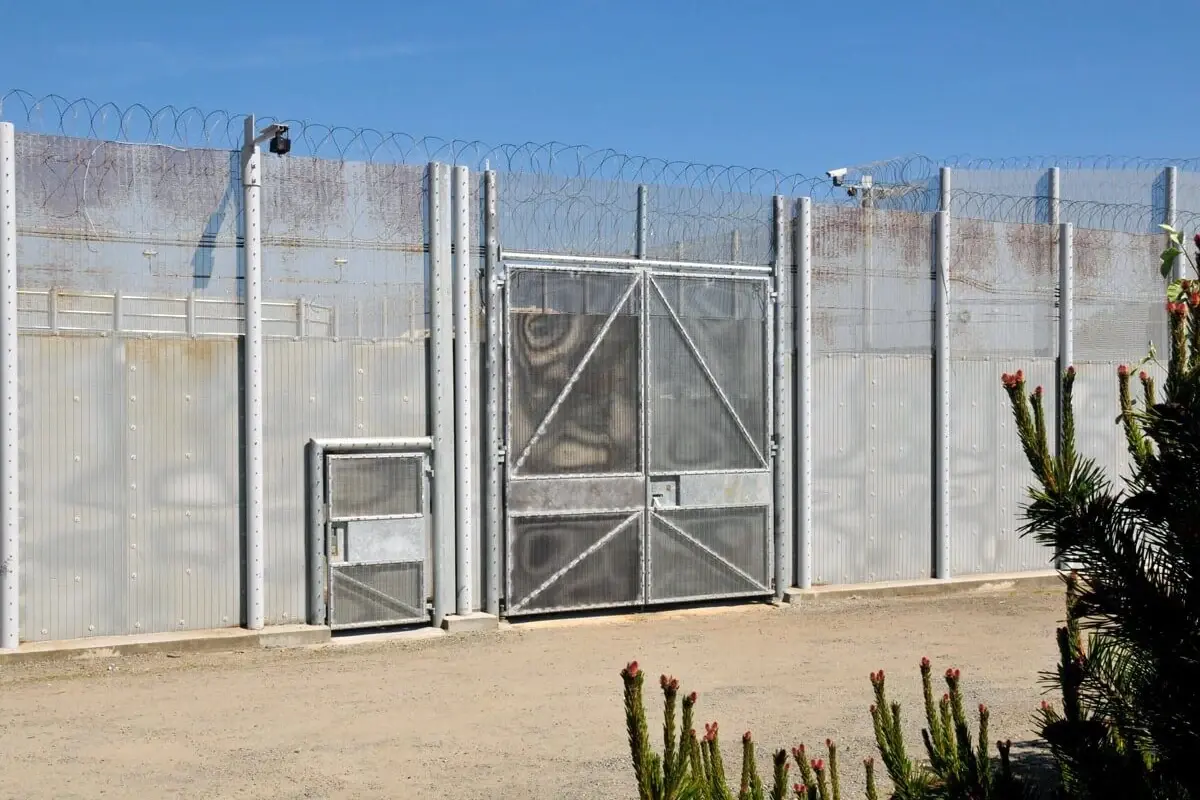
Do not add security claims to an ordinary specification
A 358 opening describes mesh geometry. Double skins describe construction. Neither statement alone establishes a resistance rating, anti-escape performance or project acceptance. Any claim must come from evidence covering the supplied assembly and its installation conditions.
The public LPS 1175 standard also has defined exclusions. It should not be expanded into a promise about every possible threat or about an entire site.
Use a discrepancy register before commercial award
Suppose a submission contains 24 required evidence items. Twenty are matched, three need clarification and one is absent. The register should show 20 matched, three open and one missing; reporting it only as “83% complete” can hide the significance of the missing item.
This is an illustrative document count, not an acceptance score. A single missing critical item can prevent acceptance even when almost every other attachment is present. Assign each open item to an owner and obtain the authorised decision before manufacture or substitution.
Keep acceptance and maintenance connected
The installed work should be checked against the approved assembly and all authorised changes. Handover should identify replacement parts and any restrictions on modification. A maintenance team needs to know when replacing a fixing with a visually similar item would depart from the accepted configuration.
FencingWise enquiries for such projects should carry the released product schedule and required evidence list. We do not infer a custodial approval from a product family name. Read LPS 1175 ratings and certificate scope checks before evaluating a rated offer.