
Test a section through the observer and target
An illustrative observer has an eye level 1.6 m above level ground and stands 3 m outside a proposed fence. The target is 1.0 m high and lies 4 m inside it. The straight sightline at the fence is 1.6 + (1.0 − 1.6) × 3 / 7 = approximately 1.343 m above the same datum.
An opaque screen above that line could interrupt that specific view. It would not necessarily conceal a taller target, an elevated observer or a view through the gate. Repeat the section for the important positions instead of declaring a panel height to be universally private.
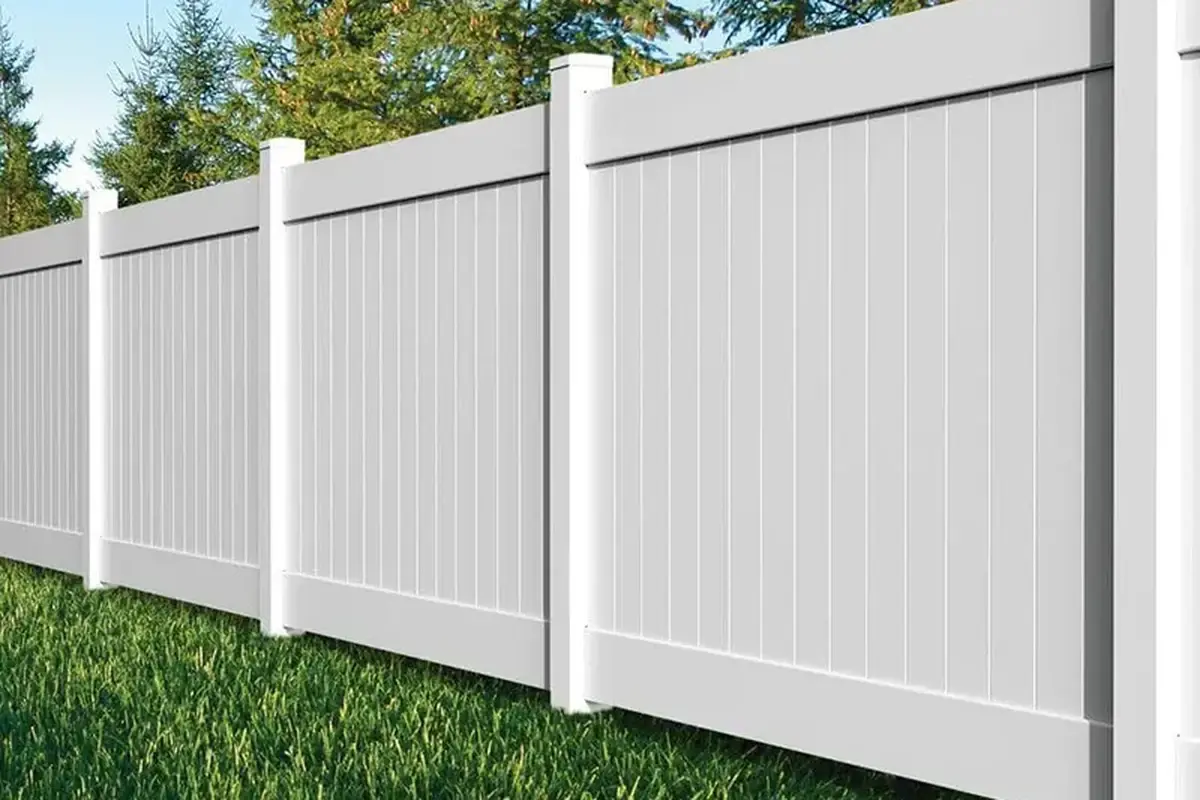
The example assumes level ground and a solid screen with no openings. Slats, perforations and gaps require an additional examination of the actual viewing angle. Reflections and lighting can also change how much detail a person can see through a patterned screen.
Divide the boundary by purpose
| Boundary segment | Likely priority | Design question |
|---|---|---|
| Service yard frontage | Conceal stored materials | Which objects and approach views matter? |
| Staff entrance | Recognise approaching visitors | Does screening obstruct observation? |
| Delivery turning area | See vehicles and pedestrians | Is the sightline preserved at the gate? |
| Internal equipment enclosure | Control access and conceal equipment | Are ventilation and maintenance routes maintained? |
One site can use several infill types while retaining coordinated posts, colours and gates. This often answers the brief more precisely than screening every elevation to the same extent.
Do not retrofit opacity without reassessment
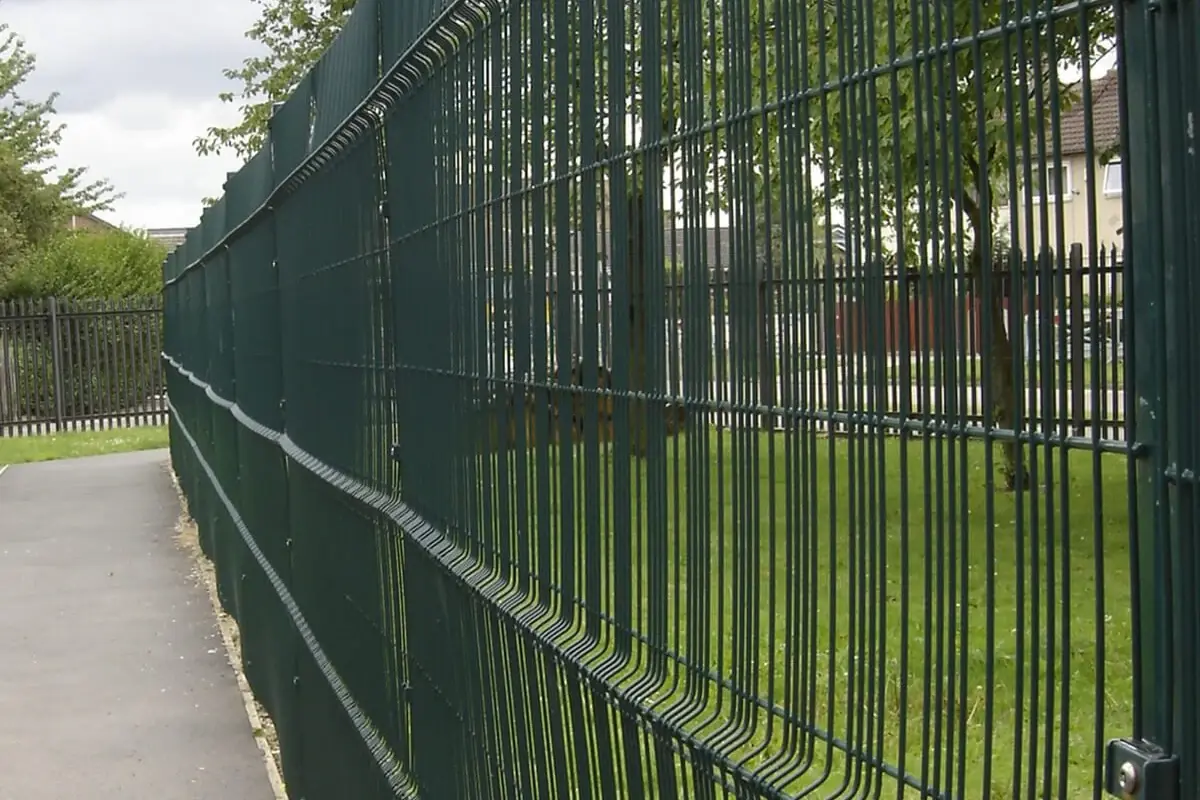
An open panel and the same panel filled with privacy strips present different assemblies. The original posts, fixings and foundations may not have been designed for the revised loading. Ask for assessment of the proposed screened configuration, including corners and end bays, before adding material.
For illustration, a 2.4 m by 1.8 m panel has a gross face area of 4.32 m². Covering 75% of that face corresponds to 3.24 m² of geometric coverage. This does not mean the wind load is exactly 75% of the load on a solid panel; aerodynamic effects require their own treatment.
Keep that distinction in the quotation. A supplier should identify what screening material, attachment and support arrangement is included, rather than promising privacy based only on a percentage.
Review the openings that remain
Walk the full boundary on the plan: gates, underside gaps, stepped panels and service penetrations can expose the very area the screen is intended to hide. Check these in both the normal closed state and the operational state, such as a delivery gate held open.
Opaque gates may also change the operator's view and wind behaviour. Their supports and operating hardware need to suit the completed leaf. Where powered operation is proposed, obtain an assessment of the complete gate installation rather than transferring a fixed-screen specification.
Review an operational view that must remain open
Mark the driver's and pedestrian's observation points at a delivery entrance. A screen may satisfy the privacy brief when the gate is closed but obstruct mutual visibility as a vehicle approaches. Review the fence, gate leaf and nearby planting together in the operating positions used on site.
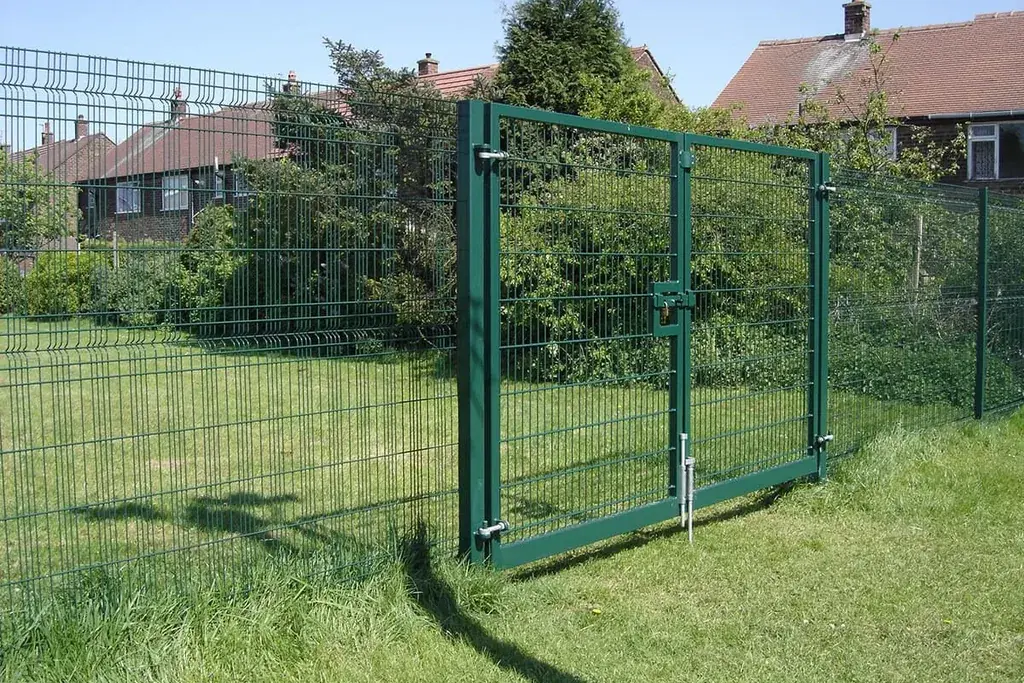
If screening is only needed around stored materials, consider whether the screened segment can be limited to that zone. Keeping another segment visually open can preserve observation without changing the whole boundary's purpose. The final choice still needs the appropriate site and structural review.
Record the agreed sightlines on the layout so later advertising, bins or stacked materials do not silently block them. Maintenance should include checking the intended viewing corridor, not only cleaning the fence surface. A visibility decision remains effective only while the surrounding site arrangement continues to match the conditions assessed during design.
Agree how the boundary will be maintained
Allow access to clean both faces and inspect the connections. A screen close to equipment can obstruct maintenance or trap debris. If panels are removable, identify their mass, removal method and replacement fixings in the handover information.
Choose an opaque or partially screened arrangement when it interrupts the necessary views without creating unacceptable operational conflicts. Choose open infill where observation and access control are the main duties. For patterned options, use slat spacing or perforated screen calculations to turn the visual brief into measurable geometry.