
Define the start and finish of the timed operation
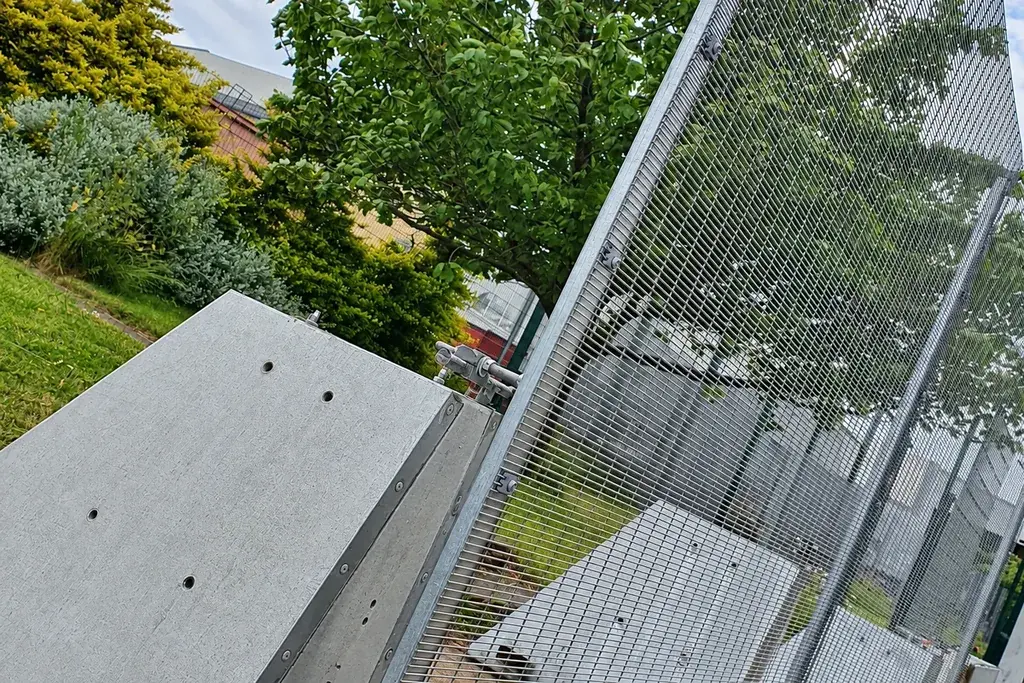
Ask whether the stated time starts with a loaded vehicle arriving, equipment unloaded beside the line, or components already positioned. Define completion as the agreed usable boundary, not merely the final panel standing upright.
Include access restrictions and the equipment needed to move supports or ballast. A system that installs quickly with a suitable lifting machine may be impractical where the machine cannot enter or the ground cannot support its operation.
Compare the exact system in the offer, including its modules, supports and deployment method. A performance result for a different system cannot establish the proposed boundary's capability. Ask for evidence tied to the product reference and configuration that will actually be delivered.
Compare a complete illustrative time budget
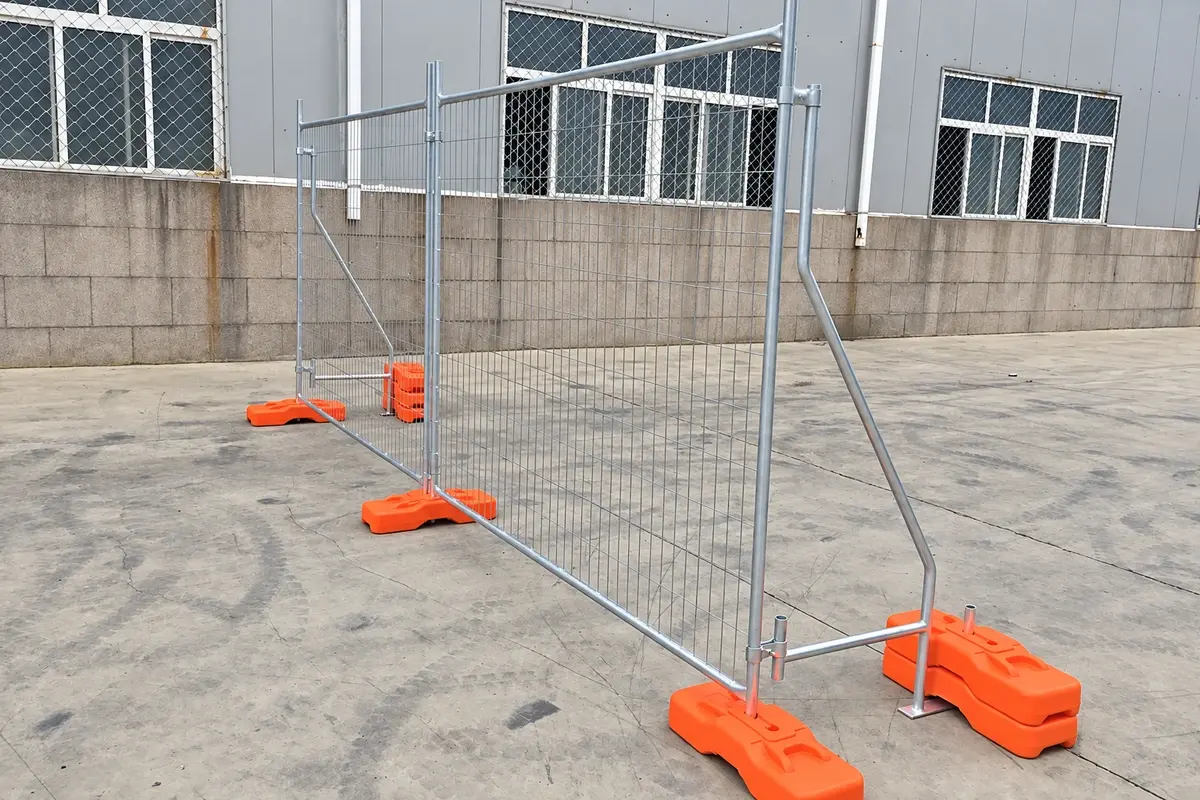
Suppose a proposed operation includes 40 minutes for unloading, 30 for setting out, 60 for assembly, 20 for gate checks and 25 for final inspection. If those tasks run sequentially, total time is 175 minutes, or 2 hours 55 minutes.
Quoting only the 60-minute assembly activity understates the complete operation by 115 minutes. Some tasks may overlap, but the programme must identify the crews, equipment and safe sequence that make overlap possible.
| Activity | Assumed minutes | Dependency |
|---|---|---|
| Unload equipment | 40 | Delivery and access available |
| Set out line | 30 | Accepted layout and clear ground |
| Assemble boundary | 60 | Components in position |
| Check gates | 20 | Gate assemblies complete |
| Inspect and accept | 25 | Installation ready for review |
These are invented planning figures, not a production rate. Use a representative trial for the actual site conditions before relying on a mobilisation promise.
Distinguish access restriction from vehicle mitigation
A rapid-deployment fence can restrict pedestrian access without being a tested vehicle barrier. Heavy ballast, close mesh or a product family name does not establish impact performance. If vehicle mitigation is required, obtain the relevant test and configuration evidence for that specific system.
Check the tested or assessed arrangement against the deployment: modules, connections, foundations or ballast, ground condition, approach and permitted gaps. A modification that appears convenient on site may move the arrangement outside its evidence.
Keep security, structural and operational claims separate. A fast installation does not demonstrate either forced-entry resistance or vehicle impact resistance.
Check storage, transport and redeployment
Request packed dimensions, component masses and approved handling points. Identify any parts consumed or replaced during dismantling. A reusable system may still require inspections, replacement fasteners or maintenance before its next deployment.
For illustration, a fleet contains 24 modules but three are awaiting repair. Only 21 are presently available. A 22-module project therefore needs another serviceable module or a revised approved arrangement; the nominal fleet size is not the usable capacity.
Record compatibility between module revisions. Visually similar components should not be mixed without confirmation of their connection and performance scope.
Run a representative deployment trial
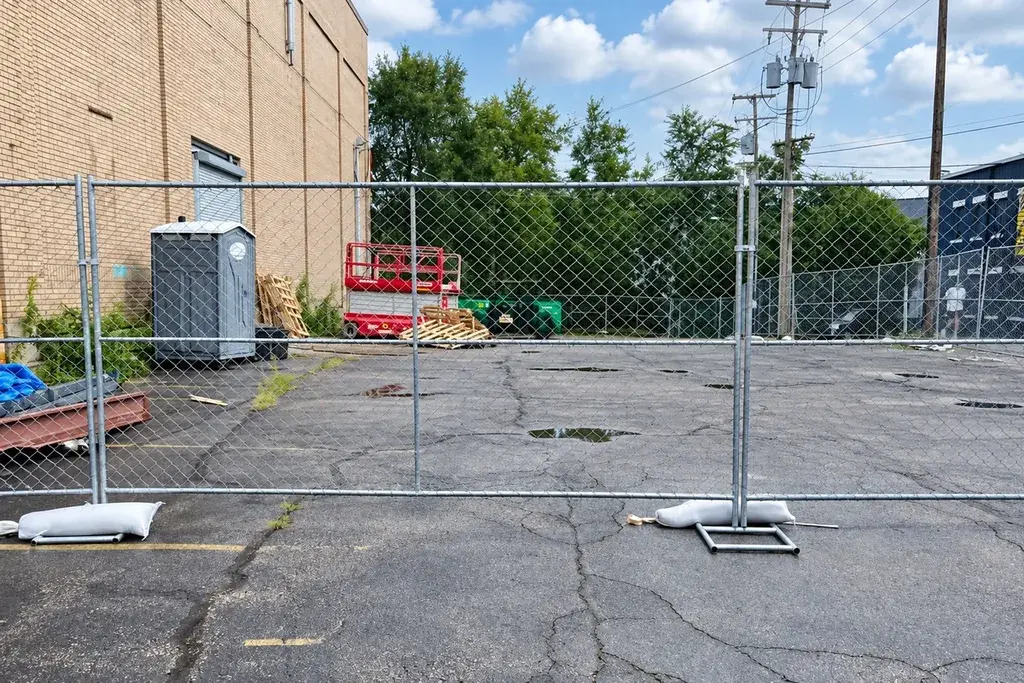
Use the proposed crew, equipment and component pack for the trial, and record the starting condition. Include a representative end, connection and gate rather than timing only a repeated straight module. Note interruptions caused by packaging, tool access or identification of special parts.
Record the result as activity times with their assumptions. If the trial takes place on open level hardstanding, identify the difference from a constrained or sloping site. Do not convert a favourable demonstration into a guaranteed rate without accounting for the actual access and ground conditions.
Use the findings to revise packing and identification where appropriate. A deployment delay may be caused by a hidden gate kit or an unclear component label rather than the mechanical connection itself. Correcting that issue can improve the real programme while retaining the assessed assembly. Keep the trial record with the proposed method so the mobilisation estimate remains explainable.
Select for the actual operational constraint
Rapid-deployment systems are worth assessing where mobilisation time, ground disturbance or repeat relocation materially affects the project. Compare the complete accepted boundary and its required resources against other temporary arrangements.
Use temporary fence types to establish the duty and stacking and reuse to plan the next cycle. The procurement result should be a documented deployment method with a realistic programme, not a borrowed claim about installation in minutes.