
By FencingWise Editorial Team · Updated 17 September 2026.
Draw the movement before choosing the leaf
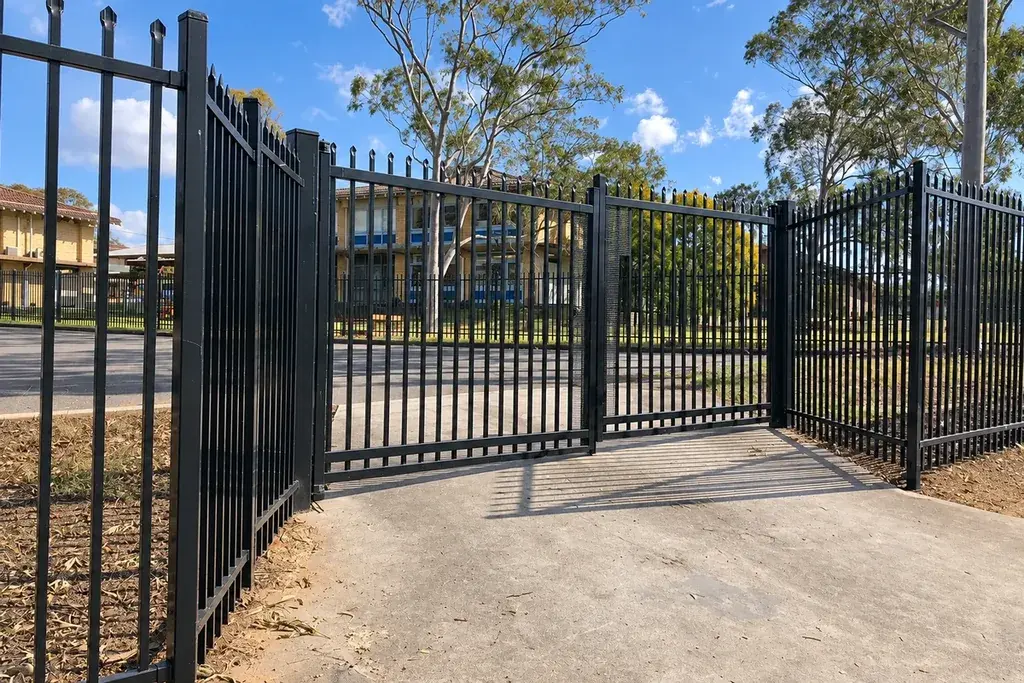
In plan view, show a swing leaf's full swept area, including its open position. Parking a vehicle inside that area can prevent the gate from opening even when the entrance itself is clear.
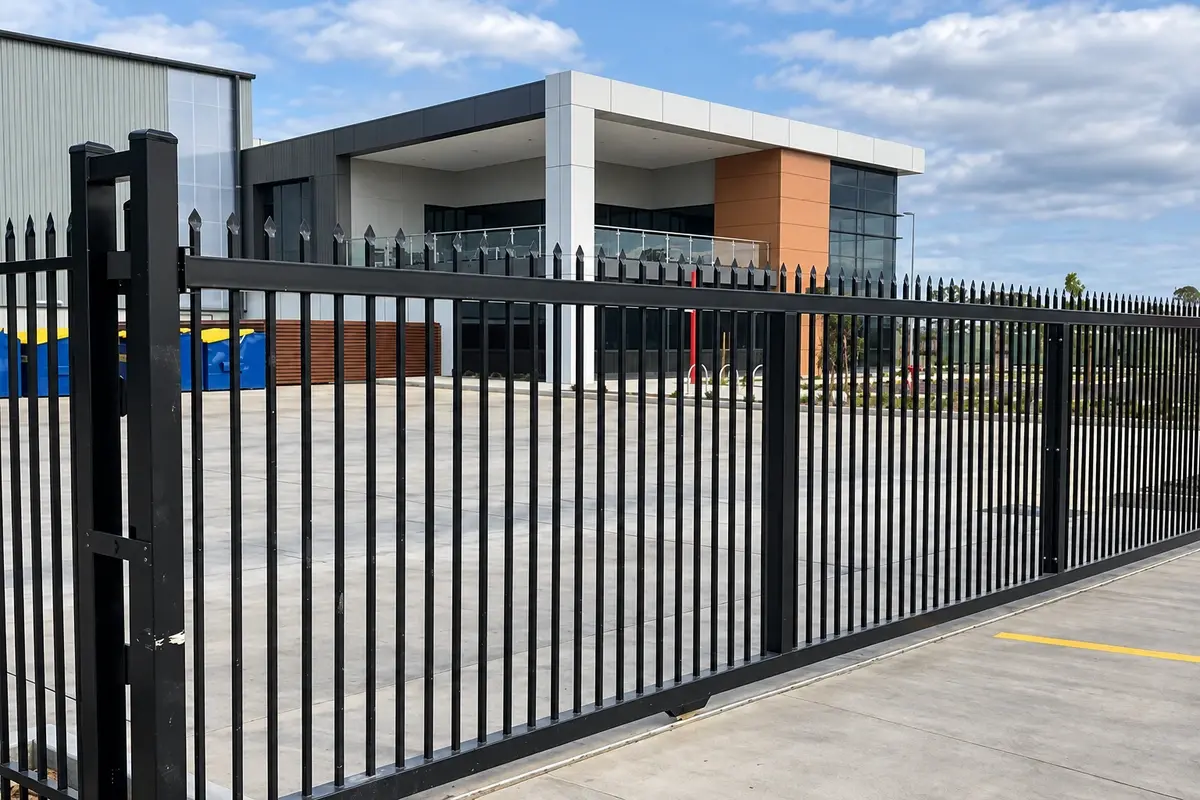
For a sliding gate, show the whole moving leaf and its supporting arrangement beside the opening. A clear entrance with a storage container immediately behind the adjacent fence may have nowhere for the gate to retract.
| Site condition | Selection direction |
|---|---|
| Clear space behind the entrance, little space along the boundary | Evaluate a swing arrangement |
| Entrance must remain free of a swing arc, with clear side space available | Evaluate a sliding arrangement |
| Ground rises through the proposed swing area | Review the movement and levels before selecting swing hardware |
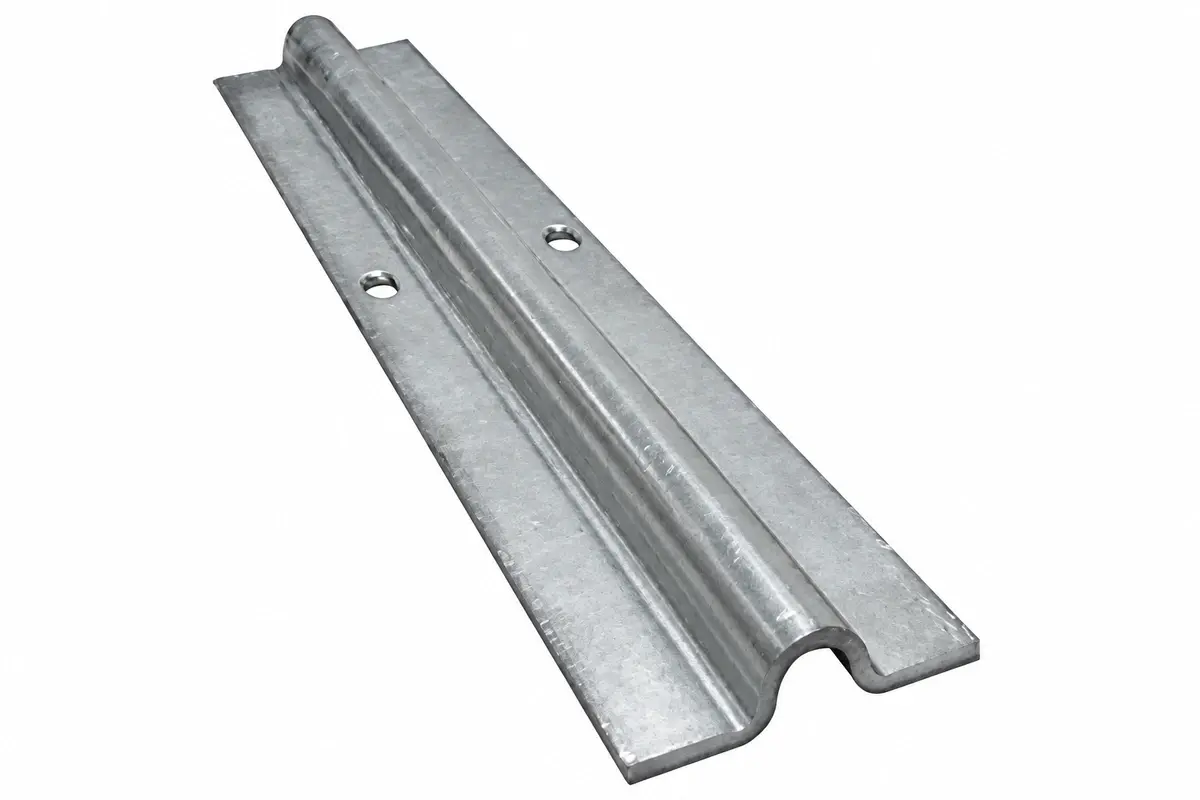
| Debris or surface conditions make a ground track difficult | Compare tracked and cantilever sliding arrangements |
| Neither swept area nor side space is adequate | Revisit the entrance layout rather than force either option |
Separate width from movement space
The required clear opening comes from the passage needed through the entrance. It is not the same as leaf width or the width between the outer faces of the posts.
A sliding leaf may extend beyond the opening to accommodate overlap and support. A swing leaf may project into the passage when open, depending on the hinge geometry and opening angle. The clear-opening guide shows how to keep those dimensions distinct.
Think through an ordinary working day
A wide vehicle gate used twice a day has a different operating pattern from a staff entrance used repeatedly. If pedestrians use a separate gate, the large vehicle opening can remain closed more often. If one leaf of a double gate provides routine access, its usable passage needs to be drawn in that position.
The locking arrangement, open-position retention and ground conditions belong in the operating brief. Wind exposure and solid infill can also affect the required design; changing infill later is not merely a cosmetic change.
Manual choice and powered operation are separate decisions
Either movement type can form part of a powered system, but adding a motor introduces a separate safety assessment. HSE's powered-gate guidance addresses hazards around gate movement and protection. A metal gate supply quotation should not be mistaken for approval of an automated installation.
FencingWise's current enquiry range includes swing gate families and tracked sliding gates. Once movement and passage are settled, use the drawing checklist to define posts, infill and hardware.