
By FencingWise Editorial Team · Updated 17 September 2026.
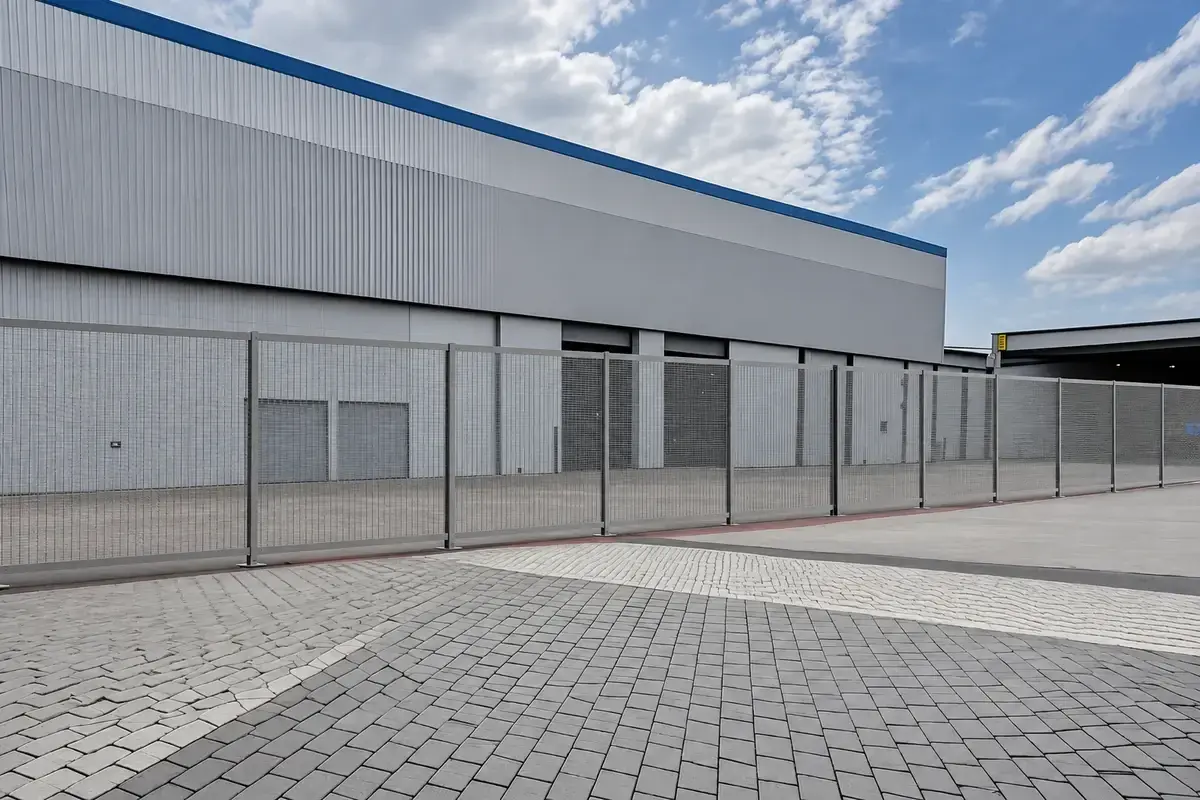
Reading the three numbers
The traditional name refers to 3 inches × 0.5 inches with an 8-gauge wire reference. The corresponding wire-centre spacings are 76.2 × 12.7 mm. The traditional gauge is commonly described as approximately 4 mm, but a purchase specification should state actual wire diameters in millimetres rather than rely on a gauge label.
Distinguish centre-to-centre measurements from clear openings. The distance between wire centres is larger than the clear space between their surfaces; confirm which measurement the specification uses.
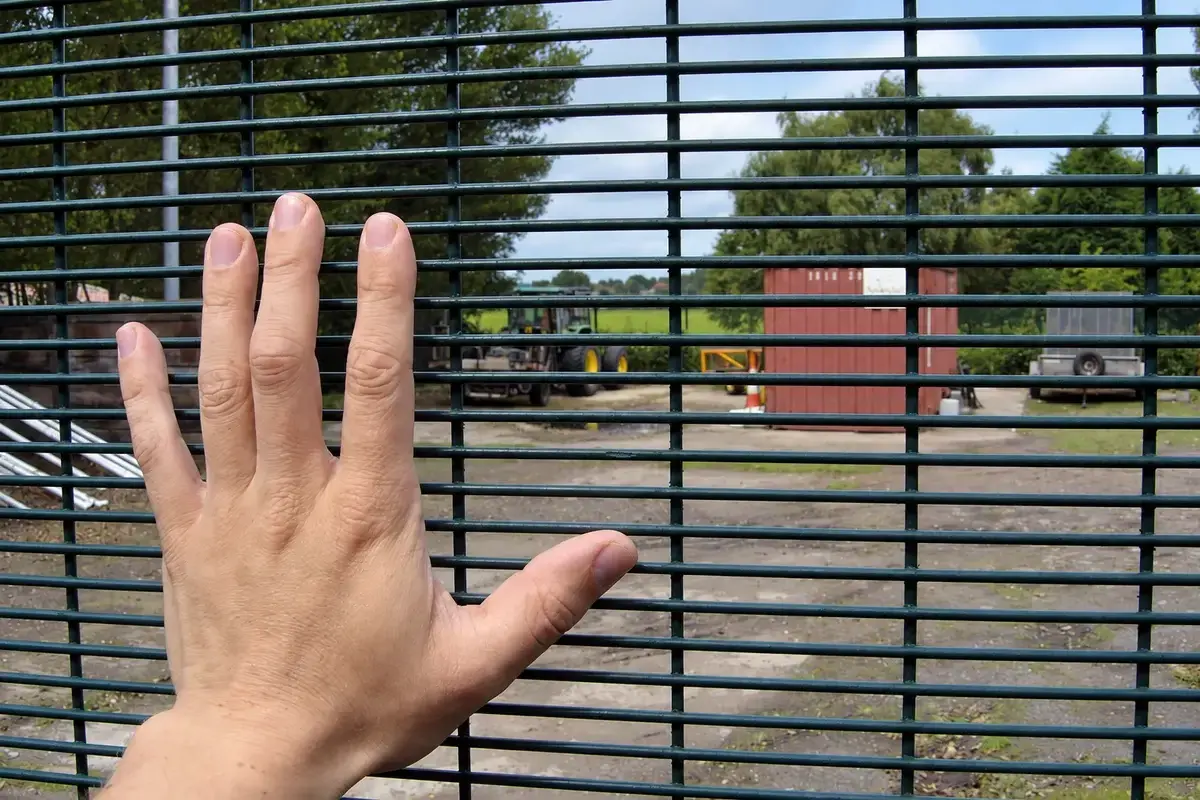
Centres and clear openings are different measurements
For straight, parallel wires of equal diameter, clear opening is approximately the centre spacing minus the wire diameter.
An illustrative panel with 12.7 mm horizontal-wire centres and 4.0 mm finished wire diameter has an approximate short clear opening of 8.7 mm. Across the other direction, 76.2 − 4.0 gives 72.2 mm. These are calculated examples, not FencingWise supplied-size tolerances.
The coating and measurement position can affect the observed dimensions. A drawing should identify whether its aperture values are centres or clear openings and whether its wire diameter is measured before or after coating. The mesh aperture guide develops that distinction.
Why the surrounding components matter
A narrow opening restricts access through the mesh face. At the panel edge, the post and clamping detail hold that face in position. Below the panel, changes in ground level can leave a gap unrelated to the mesh aperture.
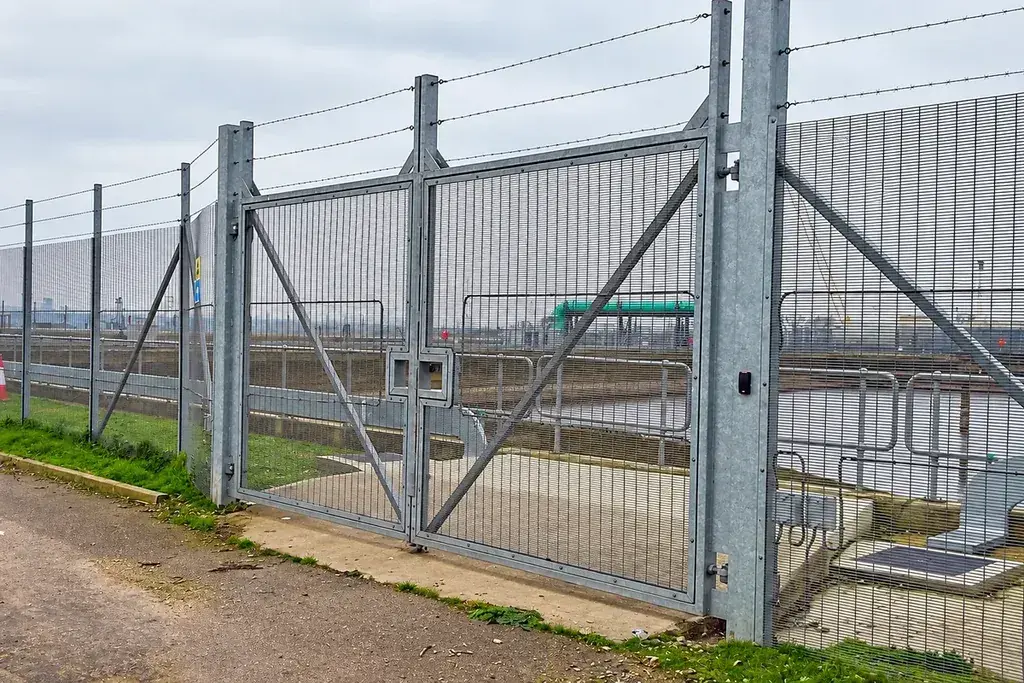
Gates introduce further interfaces: the frame, hinges, locking arrangement and clearance around a moving leaf. A 358 infill does not automatically make those interfaces equivalent to the adjacent fixed fence.
Flat and profiled forms
Flat 358 panels have an unprofiled face. Profiled versions include formed bends, changing the panel depth and its connection geometry. They belong to the same close-mesh family, but the post arrangement cannot be assumed interchangeable. See flat and profiled 358 for the practical differences.
For a supply enquiry, the 358 product page sets out the panel and component information. Where a project calls for a tested security level, evidence must identify the actual system and permitted configuration; the numbers 358 are a construction description, not a rating.