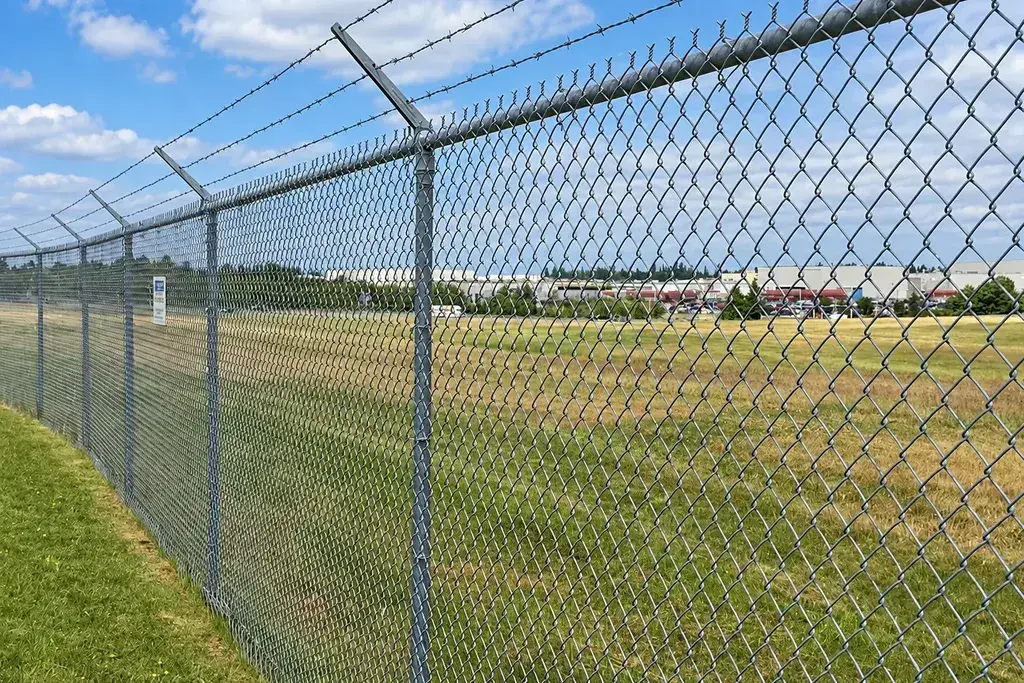
Ask which alloy the supplier means
Some commercial wire coatings use a zinc-rich alloy containing approximately 5% aluminium. Other products use different compositions and processes. Confirm the actual alloy composition and coating documentation for the wire being offered.
That manufacturer's description does not establish the composition or performance of another supplier's wire. Use the actual material designation, producer documentation and coating specification for the proposed order. Do not copy a proprietary test result into a generic zinc-aluminium product claim.
The steel underneath also matters. Keep core diameter, relevant mechanical properties and any required ductility evidence separate from the coating. A corrosion-oriented change does not automatically preserve forming, welding or tensioning behaviour.
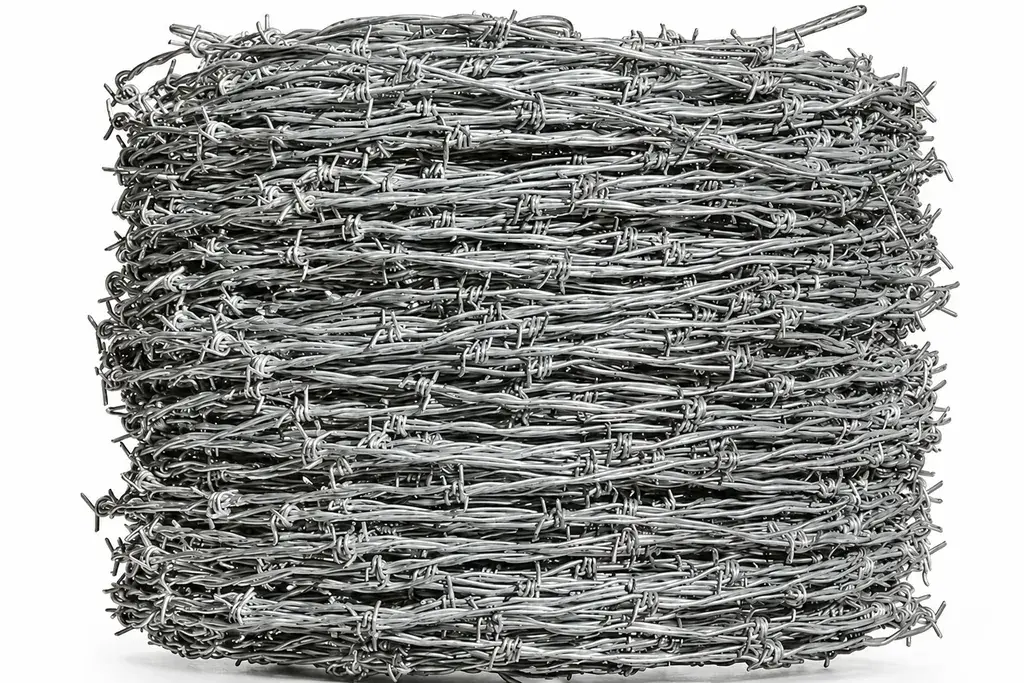
Compare coating mass on a common basis
Coating mass is often expressed per unit area of wire surface. It should not be confused with kilograms of coating per roll or the finished weight of the entire fence. Identify the test method and the dimensional basis used for the reported value.
For an illustrative cylindrical-area calculation, assume a specified reference diameter of 2.5 mm and a wire length of 1,000 m. Ignoring end faces, the reference surface area is:
Area = π × diameter × length = π × 0.0025 × 1,000 = 7.854 m².
At an assumed coating mass of 200 g/m², the corresponding mass is 7.854 × 200 = 1,570.8 g, or about 1.571 kg. At 250 g/m², it is about 1.963 kg. The difference is approximately 0.393 kg for this defined example.
These figures are arithmetic assumptions, not product classes or recommended coating masses. The applicable test method defines how the actual wire area and coating mass are determined. Do not infer coating mass by weighing a finished roll unless every other contribution is known to the required accuracy.
Avoid converting laboratory hours into years
A corrosion test result belongs to the identified specimen, preparation, method and endpoint. It can help compare controlled specimens, but it does not provide a universal conversion from test hours to outdoor service life.
Two reports may differ in coating mass, wire diameter, alloy, scribe condition, exposure method or the criterion called failure. Put these differences beside the results before comparing the numbers. A longer reported duration with a different endpoint is not automatically stronger evidence.
Use the salt-spray interpretation guide when reviewing accelerated tests. Where a supplier offers field exposure data, check the actual environment, duration and construction rather than applying it to every fence location.
Check what happens after the wire is coated
Wire may be woven, formed, welded or cut into a finished product. Those operations can change local surface condition and introduce different exposure at joints and ends. The coating information for straight wire does not automatically describe the completed fence.
Ask whether evidence covers incoming wire only or the finished construction. For welded mesh, review the weld locations and any subsequent treatment. For a woven fence, review bends, knots and cut ends under the specified inspection method. Do not assume a coating's brand name removes the need to inspect fabrication.
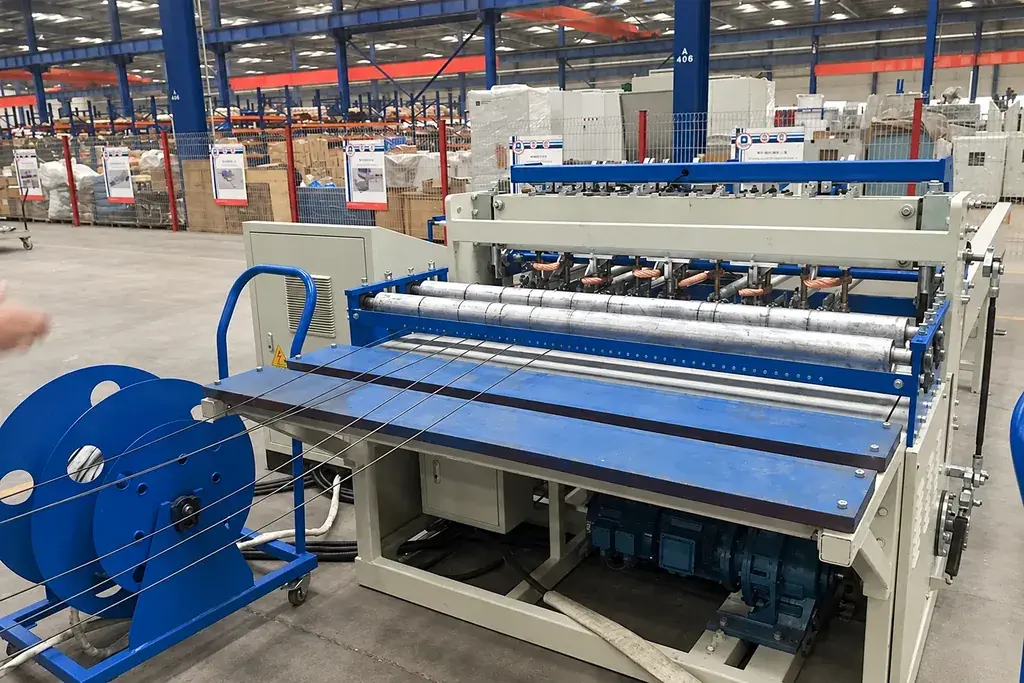
Release a clear material description
| Field | Entry needed |
|---|---|
| Steel wire | Core diameter and the applicable material or mechanical specification |
| Metallic coating | Exact alloy designation and producer reference where required |
| Coating quantity | Specified class or mass with its standard and method |
| Finished construction | Woven, welded or another defined form |
| Inspection | Sampling, measurement and acceptance basis agreed for the order |
| Evidence | Traceable records linked to the actual material or batch |
Review a representative sample with the documents. Keep appearance observations separate from measurable acceptance criteria, and retain the accepted sample reference for later comparisons.
A good purchase description makes a substitution visible. If the alloy, coating mass or wire core changes, the buyer can reopen the relevant decision instead of accepting the same generic label. The materials reference places this wire route alongside the other finishes used in a complete fence package.