
The difference starts in the wire arrangement
In the traditional 358 reference, the 76.2 × 12.7 mm pattern describes wire centres. Its closely spaced horizontals restrict the available handhold. The actual wire dimensions and the measurement basis should still appear on the supplied drawing.
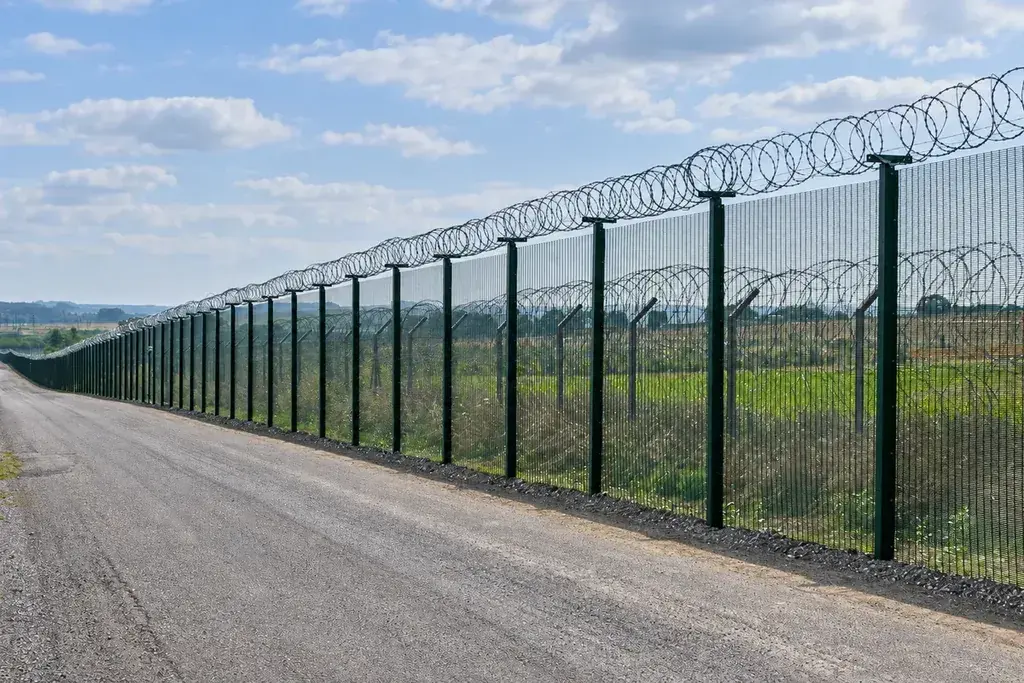
Double wire fencing uses paired horizontal wires around a vertical wire. The 656 designation refers to nominal 6/5/6 mm wires; 868 refers to nominal 8/6/8 mm wires. The designation does not fix the mesh pattern or every other panel dimension.
| Point of comparison | 358 mesh | Double wire mesh |
|---|---|---|
| Defining construction | Close-spaced rectangular mesh pattern | Paired horizontal wires with a vertical wire between them |
| First specification question | What are the wire dimensions and mesh measurement convention? | What wire arrangement, mesh pattern and panel dimensions are required? |
| Connection review | Panel-edge clamping, overlap and post interface | Clip or bar arrangement, panel width and post interface |
| Ground and access details | Gaps at the ground, gates and transitions remain part of the boundary | The same locations need review for the selected system |
| Performance evidence | The mesh name is not a security rating | Wire size alone is not a load capacity or security rating |
Choose against the brief, not the larger number
Where restricting climbing footholds and handholds is a central requirement, the close mesh of 358 is relevant to the discussion. It still needs compatible posts, secure connections and correctly detailed openings. A close panel cannot compensate for an unresolved gap beside a gate or beneath a stepped run.
Where the brief calls for an open mesh boundary, double wire systems provide another configuration to evaluate. Fence height, accessible edge details, post spacing and gates still need to suit the application. For playing areas, a dedicated sports configuration may add requirements beyond an ordinary perimeter panel.
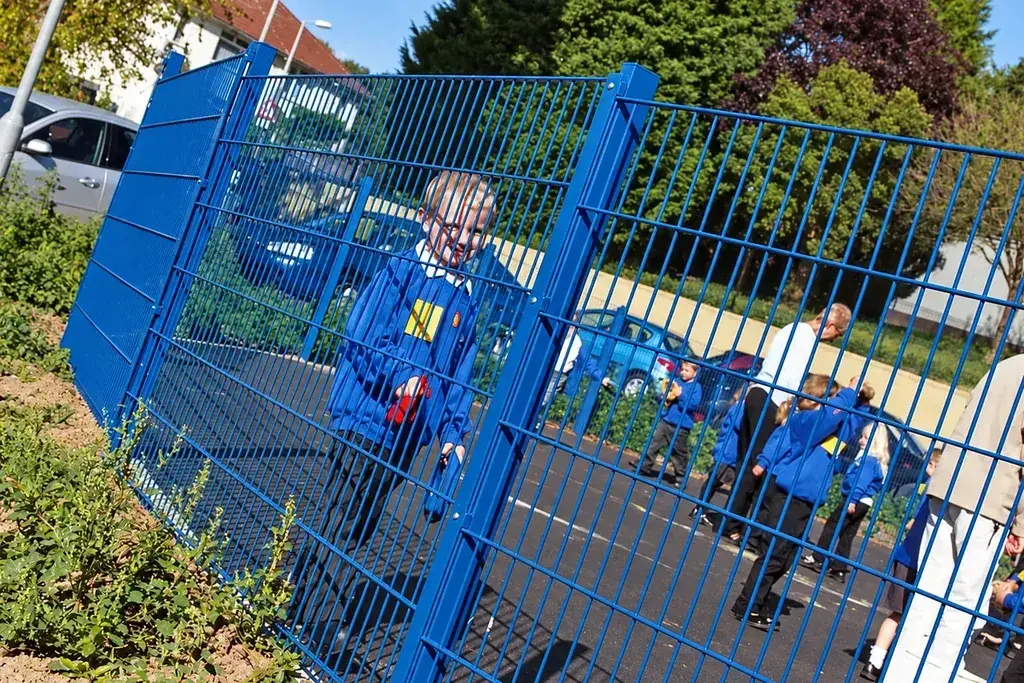
Neither description establishes that a particular product meets a tender's resistance, structural or sports-performance requirement. Those decisions require the relevant design information and evidence for the proposed assembly.
Compare sightlines at the intended location
Mesh pattern, wire dimensions, viewing angle and finish all influence what can be seen through a fence. “Suitable for CCTV” is too broad to resolve a particular camera position. Where cameras are part of the design, review the selected panel with the required view and the responsible system designer.
A sample or properly specified drawing can help the project team discuss the difference. It should represent the proposed mesh, rather than a different product chosen only because it has the same family name.
Hold the supply scope constant when comparing prices
Use the same fence height, run layout and access requirements. Then set the two material schedules beside each other. A lower panel price may be accompanied by different posts, fewer included fittings or a different finish; those are specification differences, not an equal-scope saving.
For example, a comparison sheet can contain the following rows without inserting a supposed market price:
- Panel specification and quantity by size.
- Line, end, corner and gate posts.
- Clamps or bars, fasteners and caps.
- Gate leaves, hardware and adjoining details.
- Finish, packing, required documents and delivery basis.
Record any exclusions next to the affected item. If the options serve different requirements, keep that distinction visible instead of presenting a single price per metre as the whole decision.
Continue with the actual product specification
Use the 358 panel page for close-mesh dimensions and connections, or the 656 panel page and 868 panel page for the twin-wire arrangements. The RFQ guide provides a way to put either option on a defined quotation basis.
Construction references
Compare the wire arrangement and opening dimensions on the drawings for the two proposed systems. Approvals and performance statements must apply to the actual products offered.