
By FencingWise Editorial Team · Updated 17 September 2026.
Match the fixing surface to the panel
| Section form | Connection feature to examine |
|---|---|
| Square hollow section | Flat faces, face width and fixing-hole positions |
| Rectangular hollow section | Which face meets the mesh and how the section is orientated |
| Round tube | Clamp radius, tube diameter and resistance to unwanted rotation in the connection |
| Proprietary formed section | The manufacturer's specific panel seat and compatible fittings |
A clamp that seats on a square face cannot be assumed to fit a round tube. A proprietary post may also need dedicated clips even if its overall width resembles a standard section.
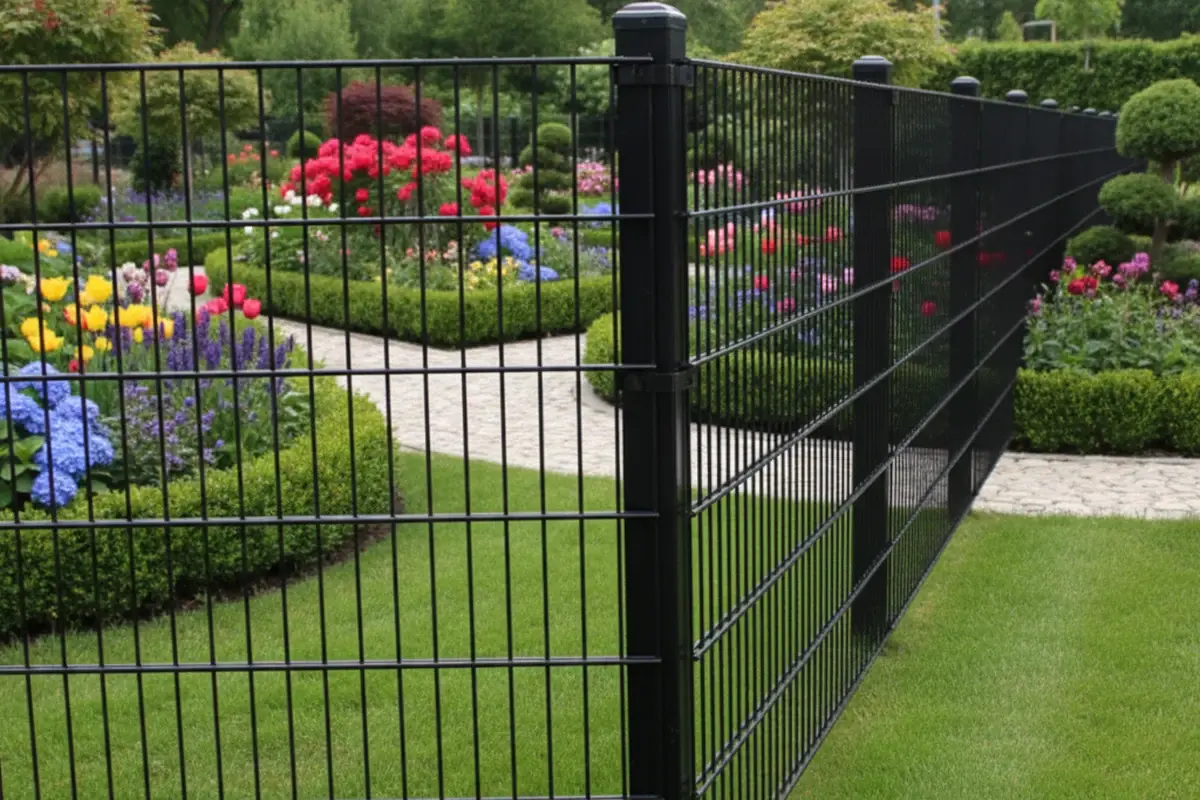
Wall thickness is not the same as outside size
Two posts described as 60 mm square can have different wall thicknesses. That changes the internal opening and may affect the fixing method, cap fit and structural properties.
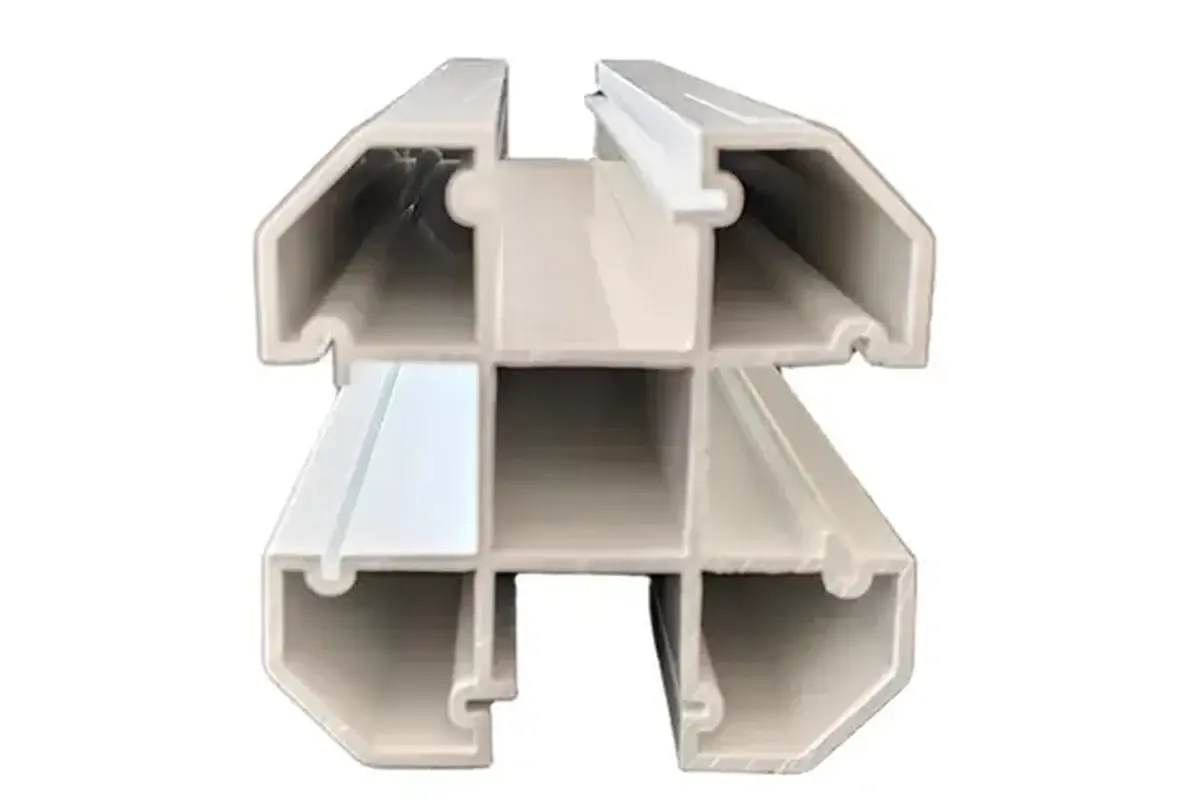
An internal cap needs the opening dimensions. A through-bolt arrangement needs to accommodate the actual section and any specified internal support. A fixing into one wall has a different detail from a bolt passing through both sides. Those differences belong on the connection drawing.
The post-cap page illustrates why an outside size alone does not establish an insert fit.
Orientation matters for a rectangular post
Turning a rectangular section changes which face is available for brackets and how the section is orientated relative to the applied loads. A drawing should therefore show the post in plan, not merely label its two outside dimensions.
At a corner, two fence directions may meet different faces of the same post. Hole positions and bracket clearances must suit both connections. The post-position guide explains the distinction between straight and turning locations.
Let the design define the structural requirement
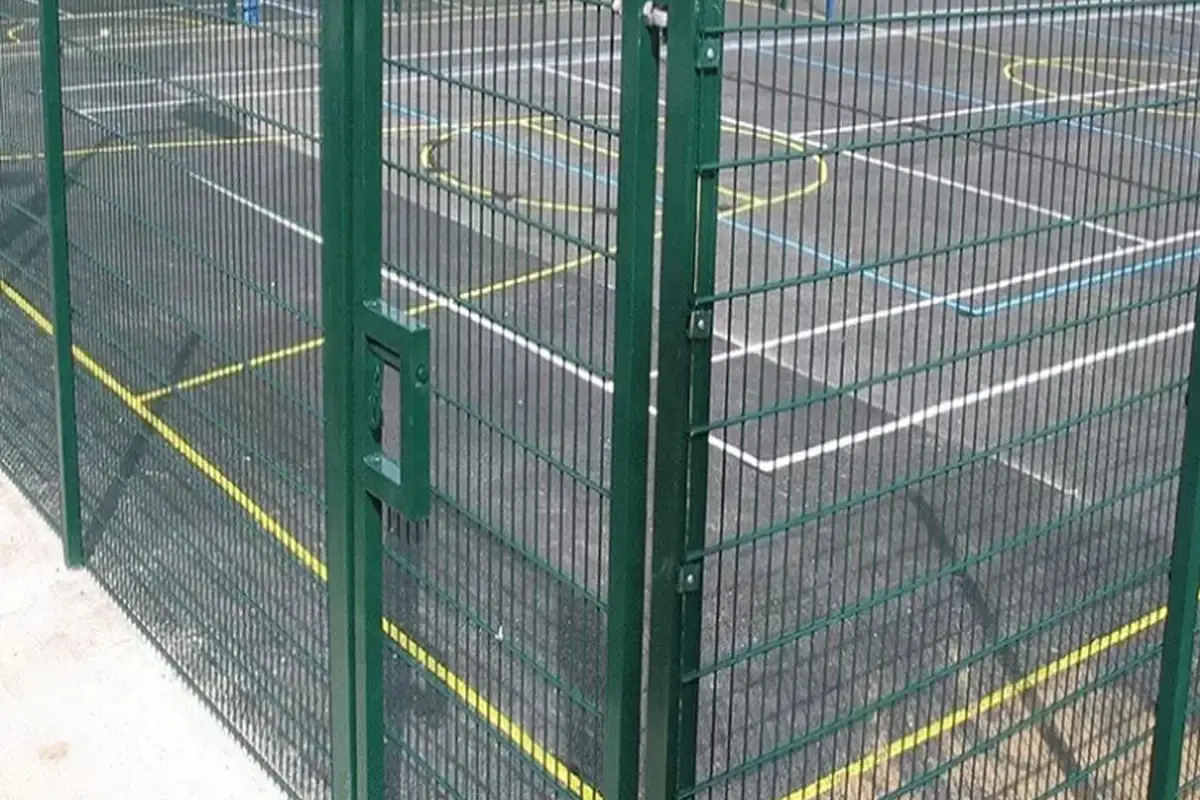
Height above ground, support spacing, panel solidity, exposure and foundation conditions all feed into post design. Material grade and wall thickness also matter. A larger outside size is not a substitute for assessing that combination.
Gate posts need separate attention because the moving leaf introduces different actions. See gate posts versus line posts. This guide does not provide a universal section-to-height table.
A usable post description
A purchase reference should connect the section shape and dimensions to its wall thickness, material specification, total length, finish, mounting arrangement and fixing pattern. Identify orientation and distinguish end, corner and gate positions.
FencingWise's fence post range can be discussed alongside the panels and fittings. Where a project designer has specified the section, proposed changes should return to that design review rather than being accepted solely because a bracket fits.