
By FencingWise Editorial Team · Updated 17 September 2026.
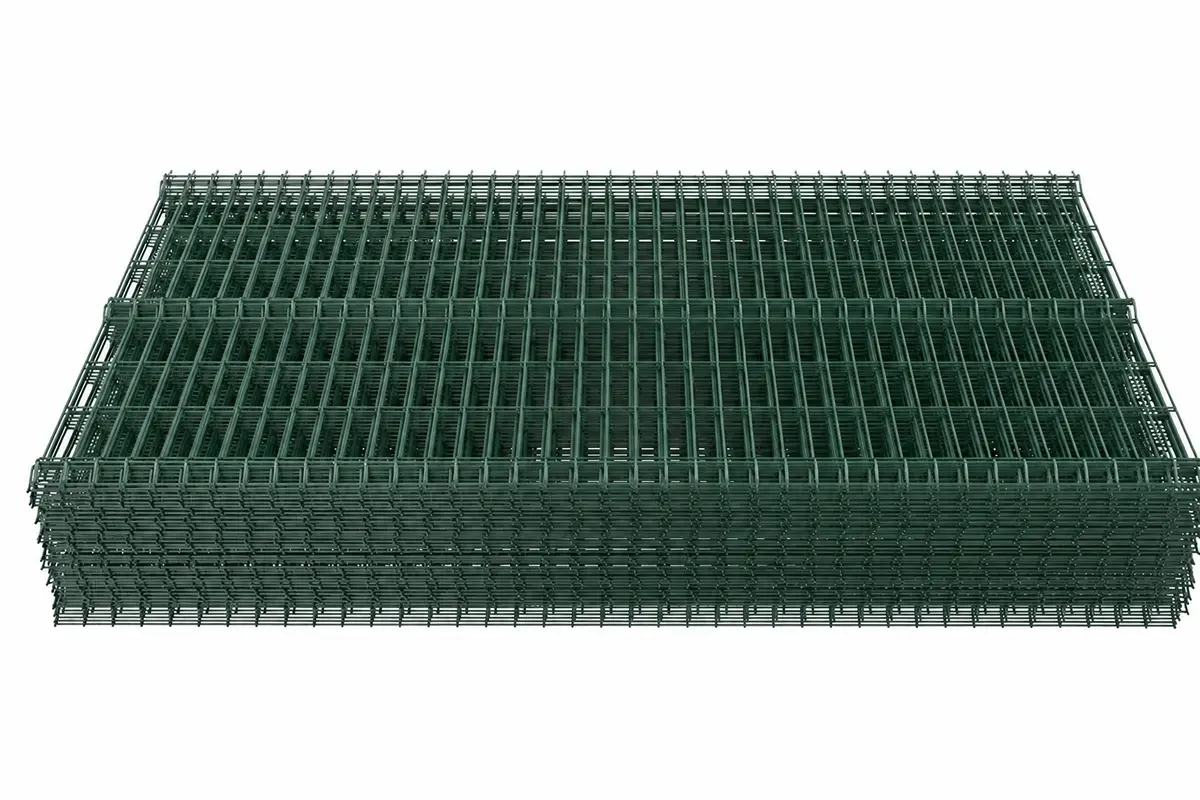
Define the length and the package
Use a stated fence length reference, such as the distance between end-post centres, and identify any gates separately. Then establish the required panels, post types and connections for that layout.
Do not multiply a panel price by an assumed number of metres. Panel width and installed bay width can differ, so the layout must supply the quantity basis.
Worked example with fictional prices
Assume a 25 m straight run, measured between the first and last post centres, using ten panels, eleven posts and one defined fittings package. Both alternatives are assumed to meet the same specification.
The following prices are invented solely to demonstrate comparison. They are not FencingWise quotations or market estimates.
| Material | Option A | Option B |
|---|---|---|
| Ten panels | 10 × £40 = £400 | Included |
| Eleven posts | 11 × £20 = £220 | Included |
| Defined fittings package | £80 | Included |
| Material total | £700 | £680 |
| Total divided by 25 m | £28.00/m | £27.20/m |
Option A's panel-only cost is £400 ÷ 25 = £16.00/m. Comparing that figure with Option B's £27.20/m would compare different scopes. On the assumed equal material basis, Option B is £20 lower overall.
Both fictional totals exclude gates, foundations, installation, freight and tax. If either quotation includes an excluded item, adjust the comparison before using the result.
A “complete system” still needs a contents list
The phrase may include caps and fasteners in one quotation but omit them in another. Gate hardware, end-post fittings or special corner brackets are common places for scope differences.
Check whether a component is priced per piece, per pair or per set. Use the accessories BOM to define set contents rather than comparing matching labels with different quantities inside them.

Keep specification differences visible
If the wire size, finish or post arrangement differs, the lower total is an alternative specification, not automatically an equal-scope saving. The same applies to required inspection, packaging and delivery terms.
Maintain a separate column for exclusions and unresolved differences. This makes it clear which totals can be compared directly and which still depend on a decision.
Carry the comparison into the enquiry
A useful RFQ provides the layout, dimensions, component schedule and destination on one consistent basis. The RFQ checklist helps assemble that information. FencingWise quotes the defined material package; the example above is a method for reading quotations, not a pricing schedule.