
Sports fencing LIBRARY
Find your next guide
Showing 15 of 15 guides
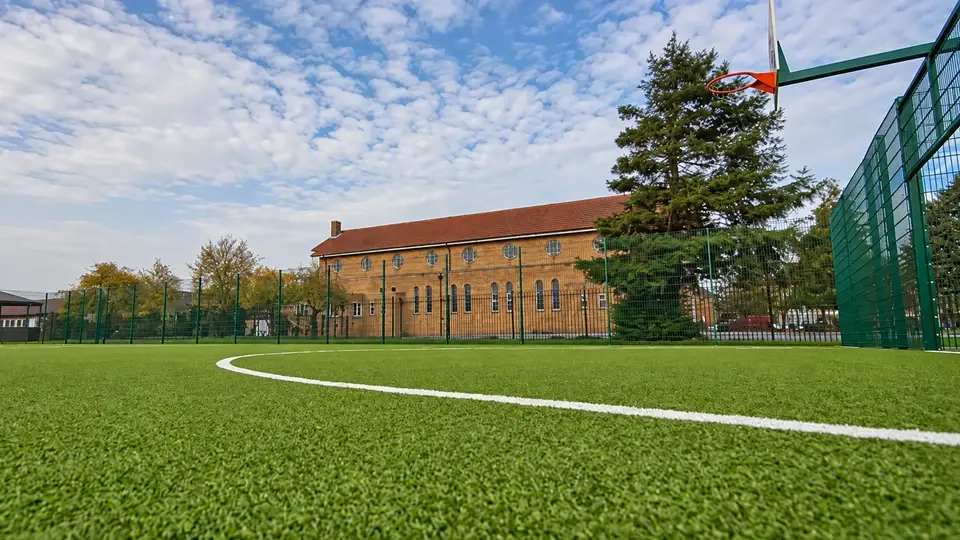 Layout & zones
Choose sports fencing by ball contact, boundaries and access
Divide a sports enclosure into impact, containment and access zones, calculate an illustrative perimeter, and compare rigid panels with netting and spectator boundaries.
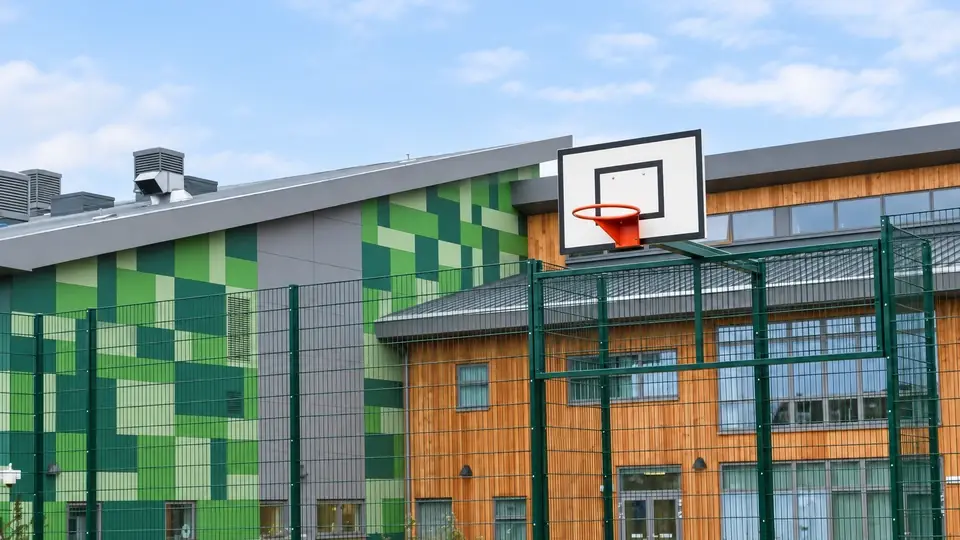 Layout & zones
What Is a MUGA, and How Should Its Fencing Be Arranged?
Plan a multi-use games area by sport, impact zone and access route, with a worked perimeter schedule and checks for shared equipment.
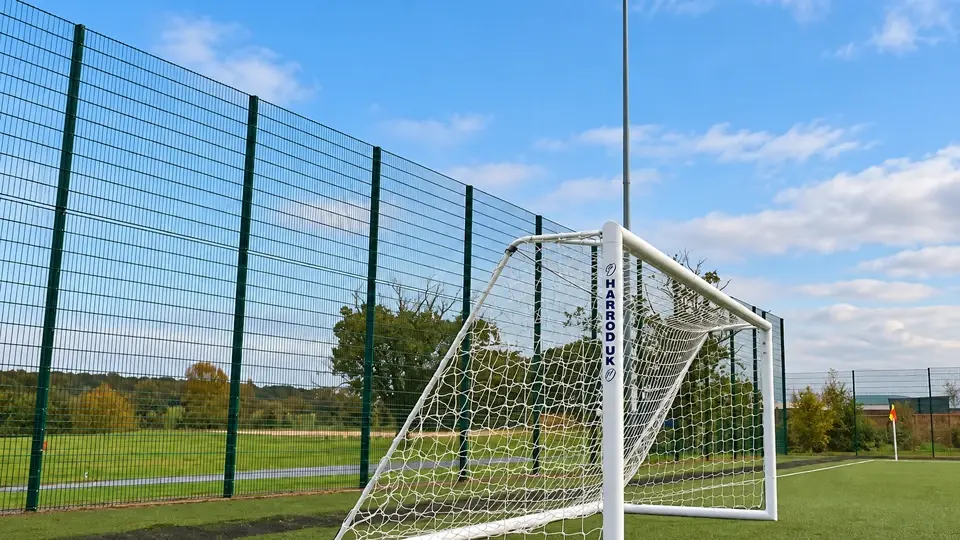 Layout & zones
Football Pitch Fencing: Choose Height by the Boundary Exposure
Map ball-escape locations, compare zoned fence heights and calculate upper-net quantities without treating goal size as a fence-height rule.
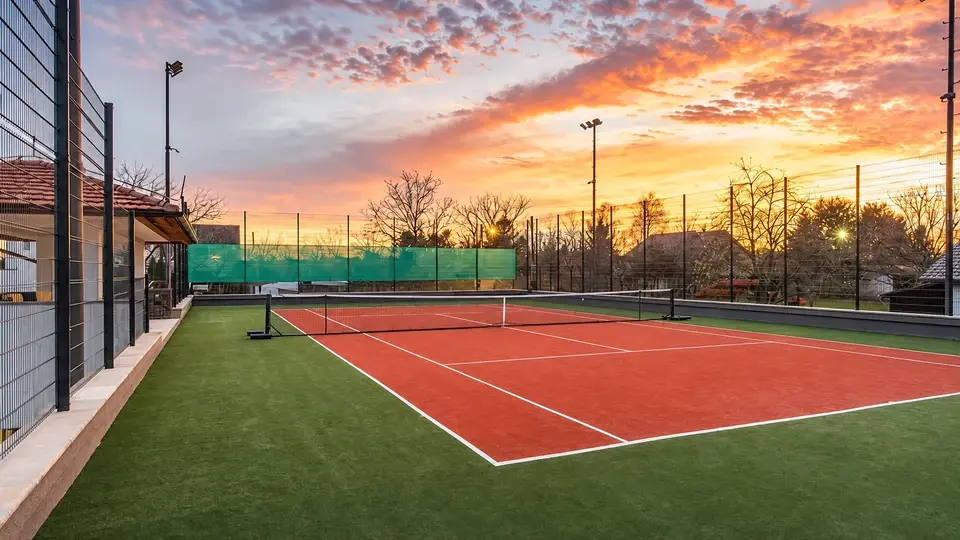 Layout & zones
Tennis Court Fencing: Set the Run-Offs Before Selecting the Mesh
Use LTA court-envelope dimensions, calculate fence perimeter and compare mesh measurement conventions and ball-retention checks for tennis enclosures.
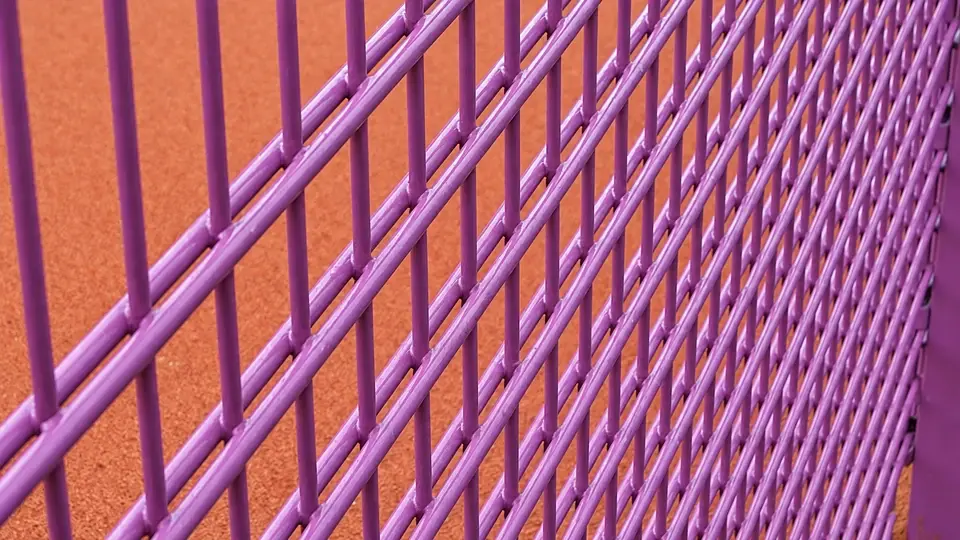 Boundary performance
Rebound Fencing vs Standard Mesh
Understand how a rebound fence differs from a perimeter panel. Compare lower mesh zones, court-side connections, gates and evidence for sports performance.
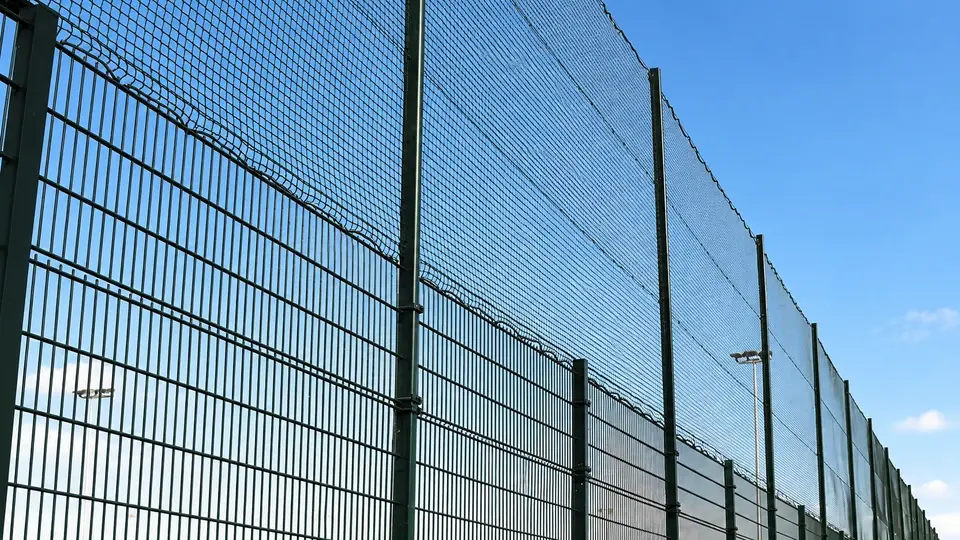 Boundary performance
Ball-Stop Netting or Rigid Mesh? Compare the Working Behaviour
Compare flexible netting and rigid mesh for impact, enclosure and maintenance, with area calculations and a specification method for mixed systems.
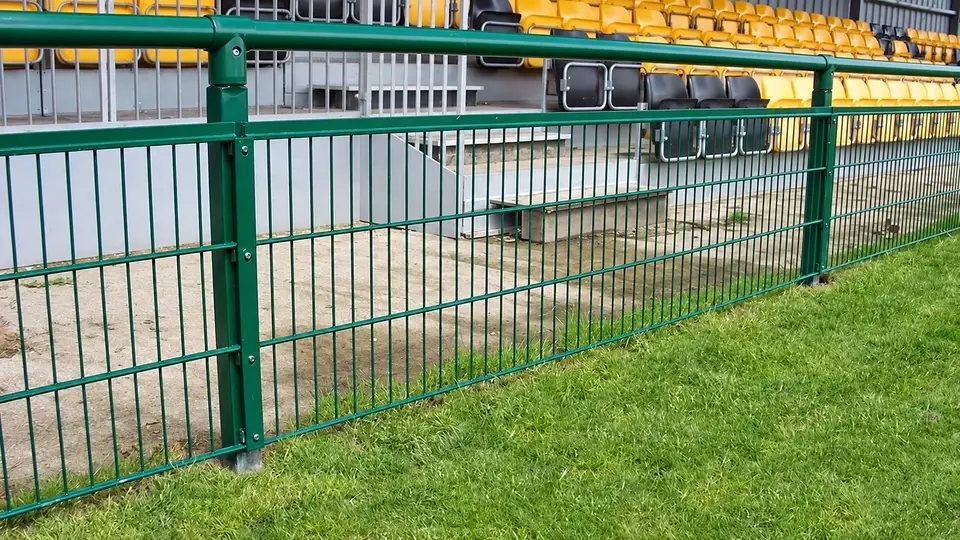 Boundary performance
Spectator rails and pitch fences: define the load and separation duty
Distinguish pitch demarcation, ball containment, crowd restraint and fall protection, with a simple line-load illustration and a clear barrier specification method.
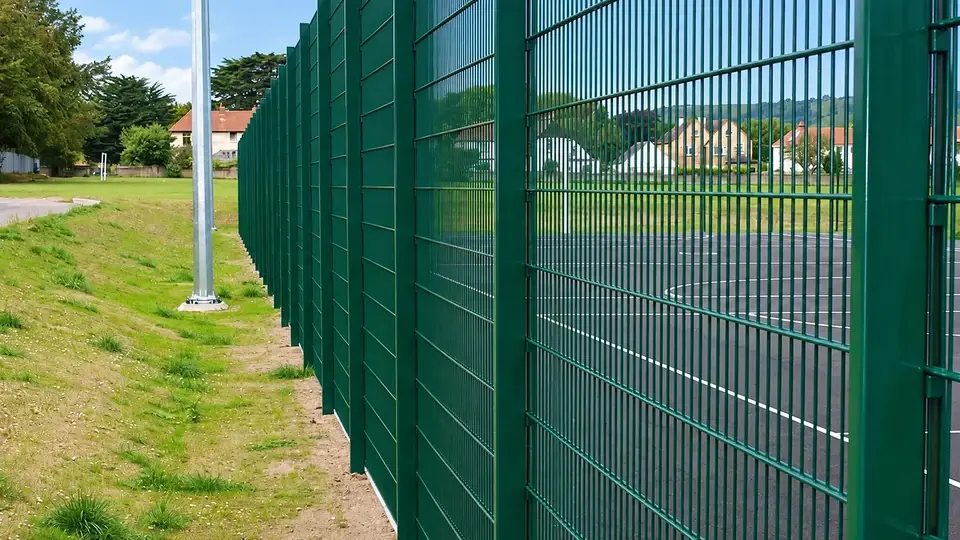 Details & inspection
Sports Fence Noise: Separate Joint Rattle from the Wider Sound Problem
Find noisy sports-fence connections, run a controlled comparison and interpret decibel changes correctly without making unsupported noise-reduction claims.
 Details & inspection
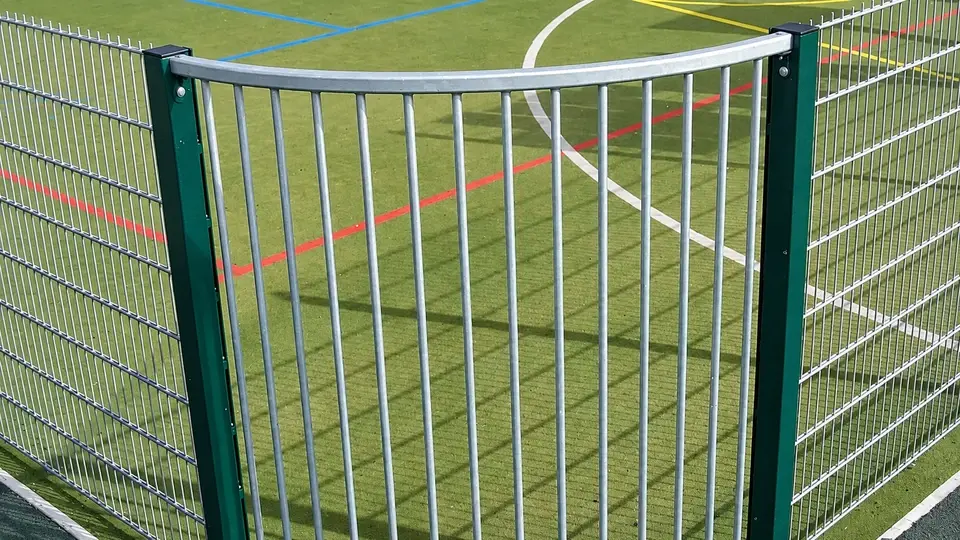
Sports fence corners, height transitions and internal dividers
Set out corners and changing fence heights with consistent coordinates, calculate an illustrative transition slope, and plan internal dividers and maintenance access.
 Details & inspection
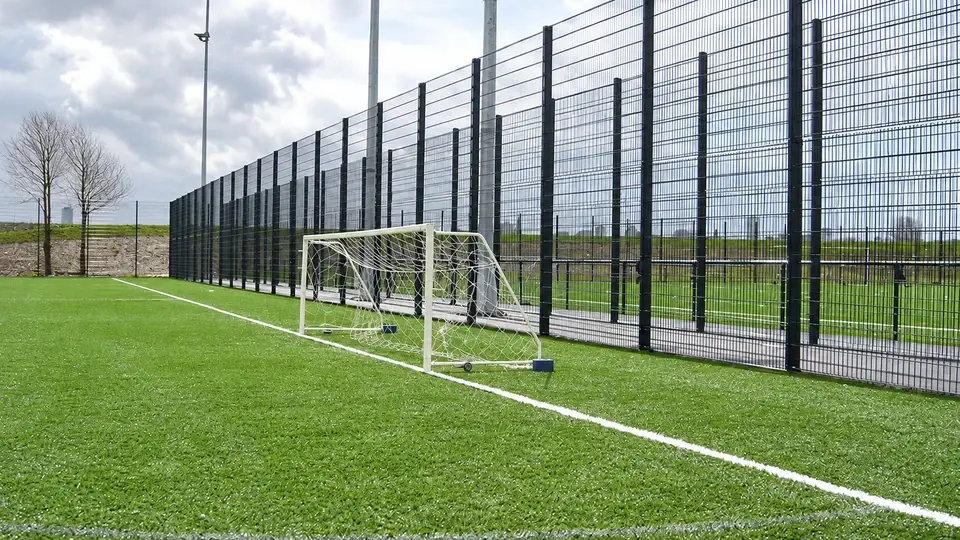
Inspect Sports Fencing Before Small Defects Interrupt Play
Organise pre-use, detailed and event-driven sports-fence checks, with measurable defect records, prioritisation and a worked inspection-time estimate.
 Sport-specific guides
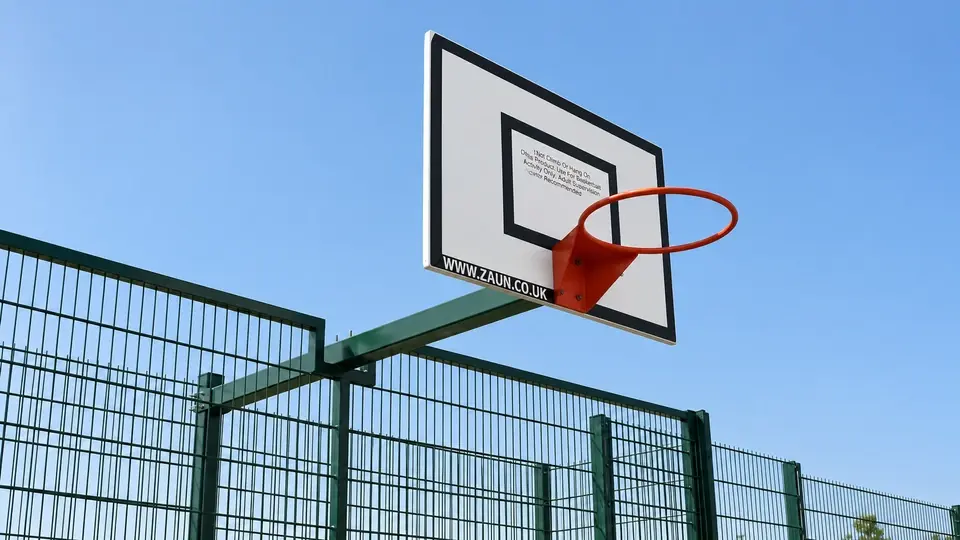
Basketball fencing: coordinate the court, basket and boundary
Use FIBA court dimensions to distinguish playing area from the surrounding footprint, then coordinate basket supports, fence panels and access.
 Sport-specific guides
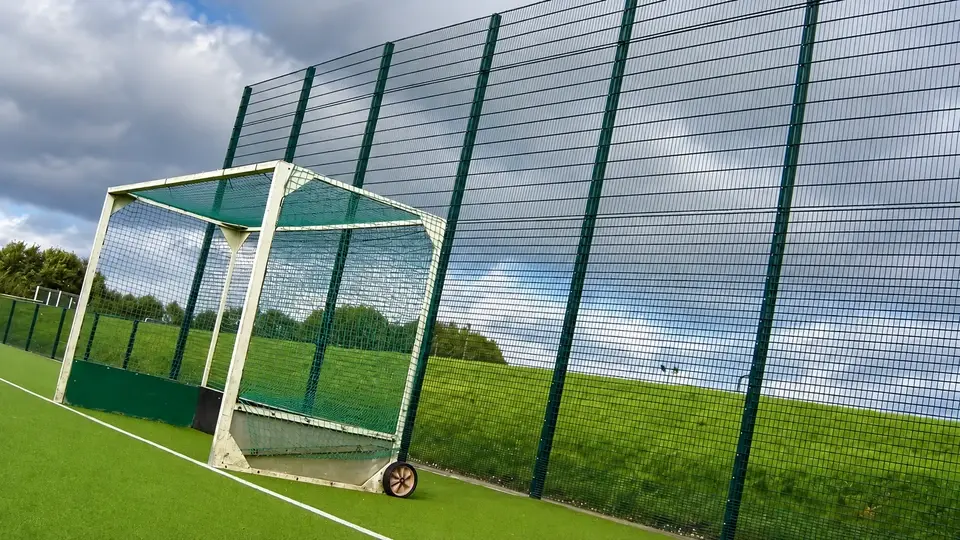
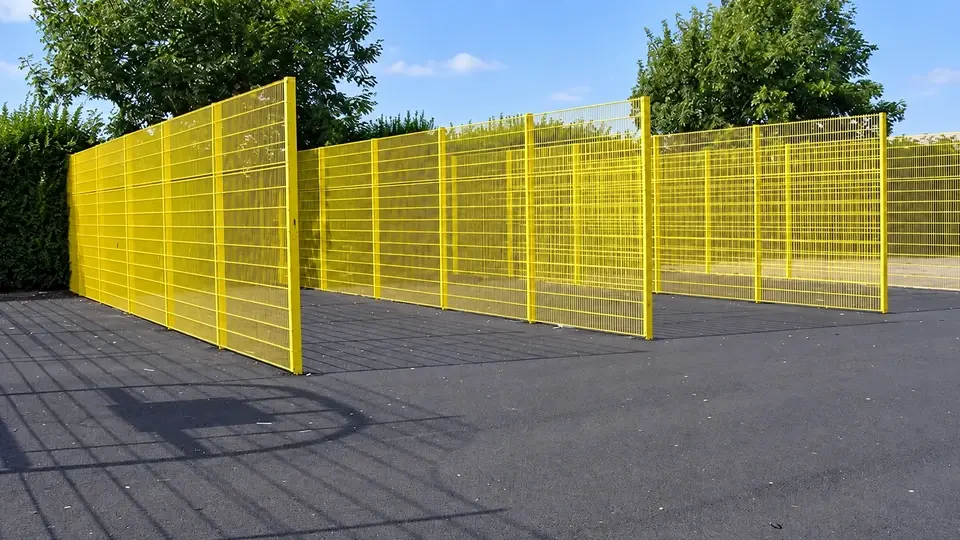
Hockey pitch fencing: separate run-off, rebound and ball retention
Plan hockey fencing outside the playing and run-off layout, distinguish lower rebound duty from high ball retention, and reconcile the perimeter.
 Sport-specific guides
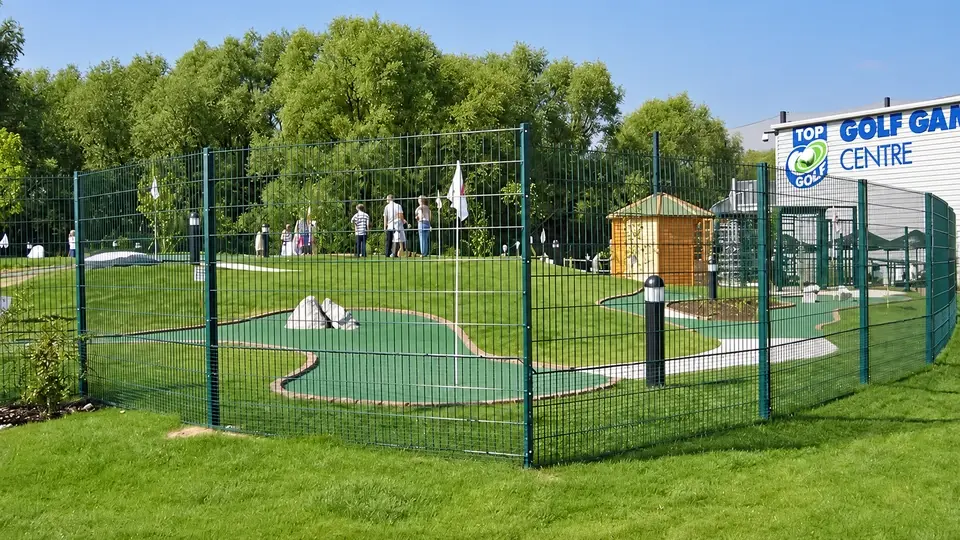
Cricket practice nets and ground fencing: plan two systems
Distinguish cricket-ground boundaries from practice-net enclosures, use ECB covered-facility dimensions in context, and calculate shared net surfaces.
 Sport-specific guides
Golf ball-stop netting: specify containment beyond mesh size
Use golf-ball dimensions for an initial aperture check, then assess net deformation, trajectories, joints, supports and maintenance access.
 Sport-specific guides
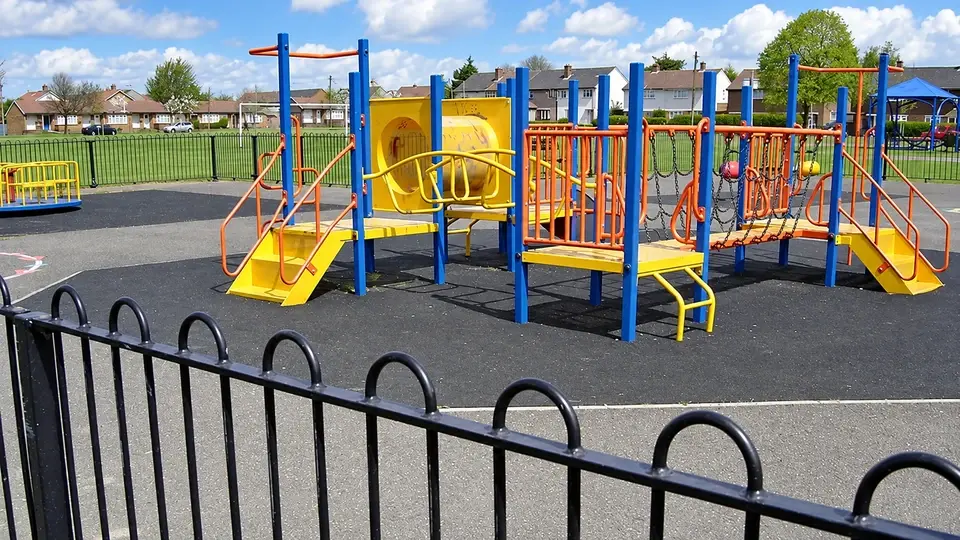
Playground fences and gates: review the whole child-accessible edge
Inspect playground boundary geometry, gate movement and changing ground levels using a location-based design review and handover checklist.
No matching guides
Try another search term or clear the topic filter.
Notes for using these guides
Establish the enclosure and its zones
The selection guide provides the overall sequence. The MUGA, football and tennis articles then address the different information those activities need.
Keep governing-body and project requirements attached to the actual sport. A dimensional example for one court is not a universal enclosure layout.
Choose the working behaviour of the boundary
Repeated rebound, high-level ball interception and spectator separation are different duties. These comparisons help define each one before combining systems on the same site.
A low spectator rail does not automatically provide crowd restraint or fall protection. A net and a rigid panel also need different support and maintenance arrangements, even at the same nominal height.
Resolve details and inspect in service
Use the transition article for corners, changes in height and internal dividers. The noise and inspection guides help distinguish loose-component problems from wider operating conditions.
Browse sports fencing systems for construction options and MUGA application planning for the relationship between use and layout. Keep the final gate and maintenance access arrangements with the enclosure drawings so future repairs preserve the intended playing space.
Sport-specific layouts and accessible boundaries
Basketball, hockey, cricket and golf create different equipment and containment interfaces. Playgrounds add a separate review of the accessible edge and moving gate.