
Fence gates LIBRARY
Find your next guide
Showing 15 of 15 guides
 Movement & openings
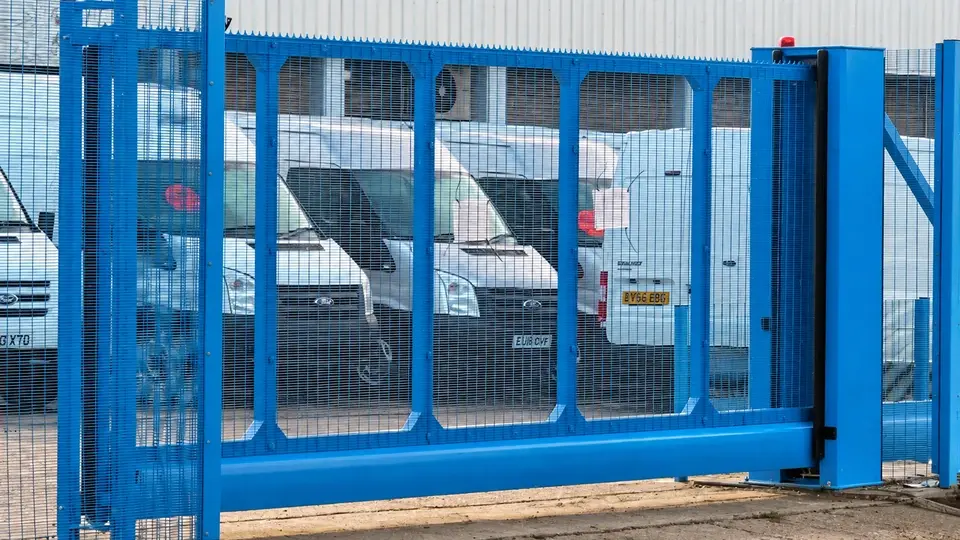
Swing vs Sliding Fence Gates
Choose a gate arrangement around its swept area, run-back space, ground levels and daily use. Compare swing and sliding gates before defining the opening.
 Movement & openings
Cantilever vs Tracked Sliding Gates
Compare ground-track and cantilever gate support, side space, debris exposure and foundation inputs. Distinguish a clear opening from the full gate envelope.
 Movement & openings
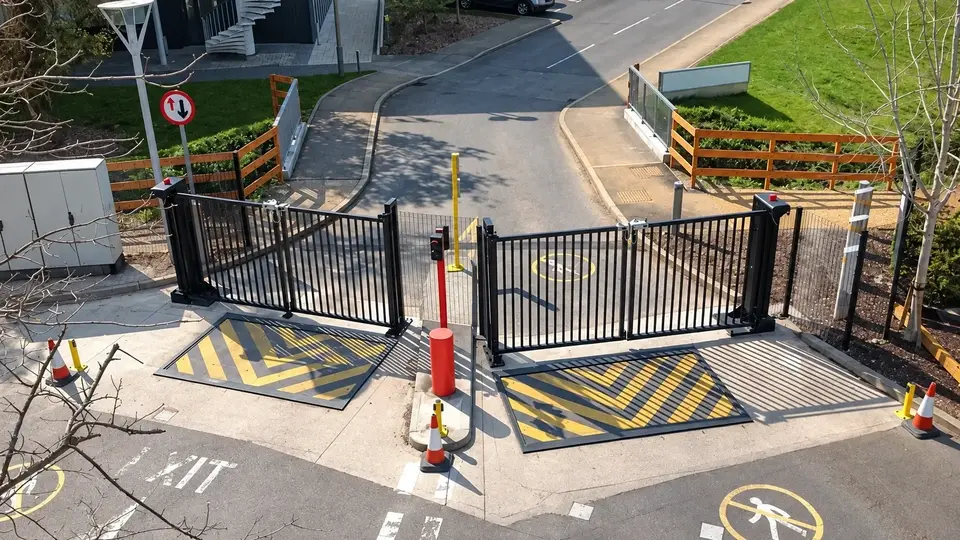
Write a gate schedule that separates passage dimensions from leaf size
Build a gate schedule with clear openings, leaf dimensions, operating envelopes and hardware, using a worked single-leaf measurement example.
 Movement & openings
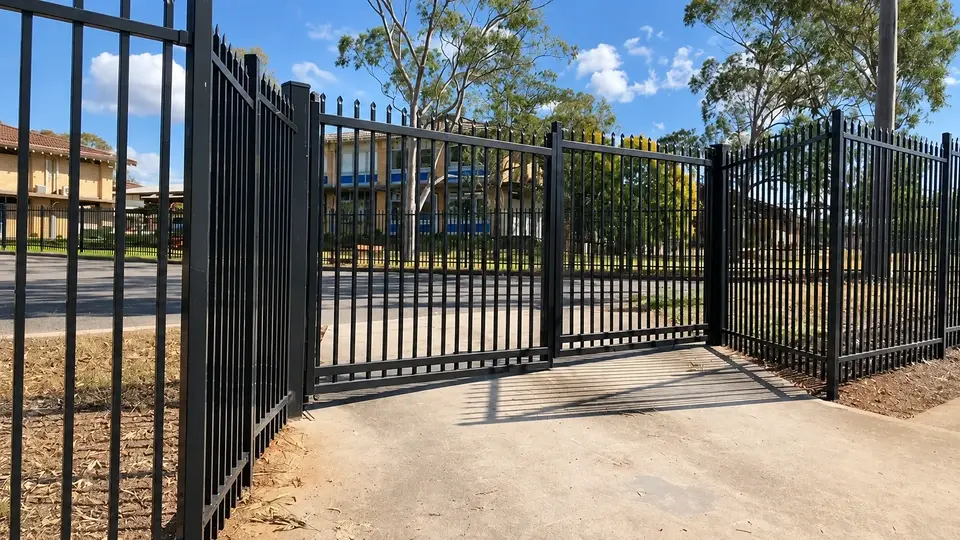
How to Specify a Fence Gate's Clear Opening
Distinguish gate leaf width, distance between posts and usable passage. Follow a dimensional example and label the open position clearly on the gate drawing.
 Movement & openings
Single vs Double Leaf Gates
Compare single and paired swing gates by swept area, routine passage, meeting hardware and retention. Understand when an unequal leaf arrangement is useful.
 Movement & openings
Fence Gate Drawing Approval Checklist
Review gate drawings in a practical sequence: passage, movement, levels, posts, hardware and revisions. Keep approved dimensions separate from unresolved design inputs.
 Supports & hardware
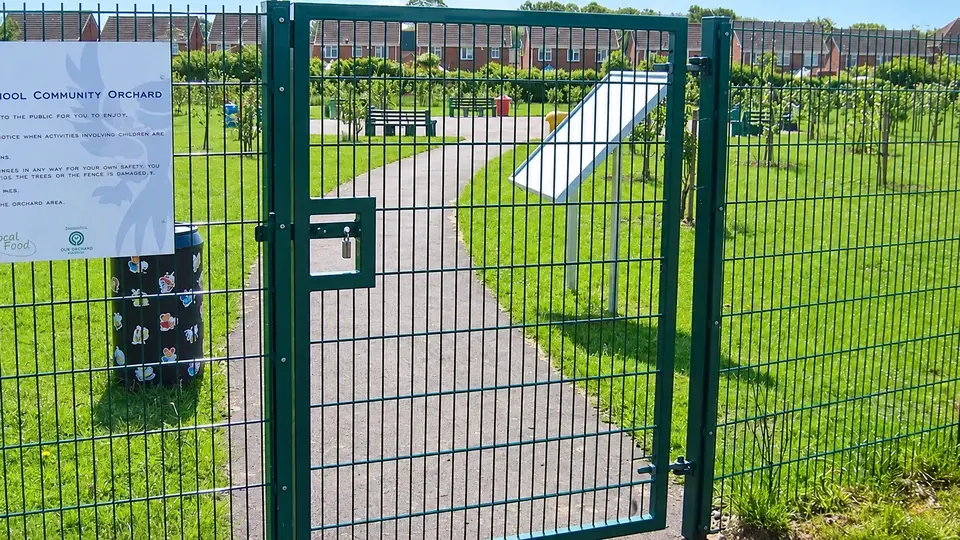
Match a Gate to 358 Fencing: Check More Than the Mesh Infill
Coordinate 358 gate infill, frame clearances, post interfaces and threshold levels using an opening calculation and a practical approval sequence.
 Supports & hardware
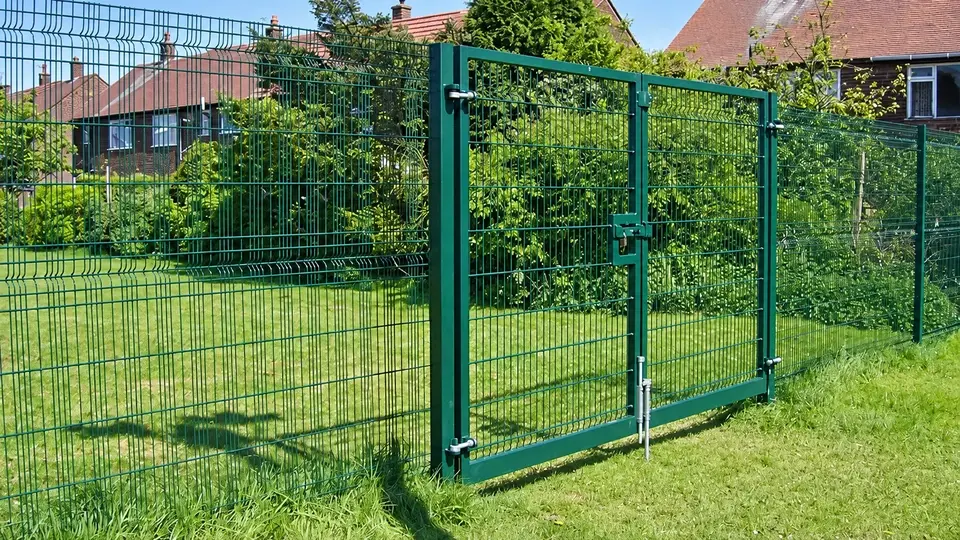
Choose a Double-Wire Fence Gate That Fits the Panel System
Compare 656 and 868 gate infills, align mesh with adjoining panels, and check frame, post and hardware compatibility with a numerical example.
 Supports & hardware
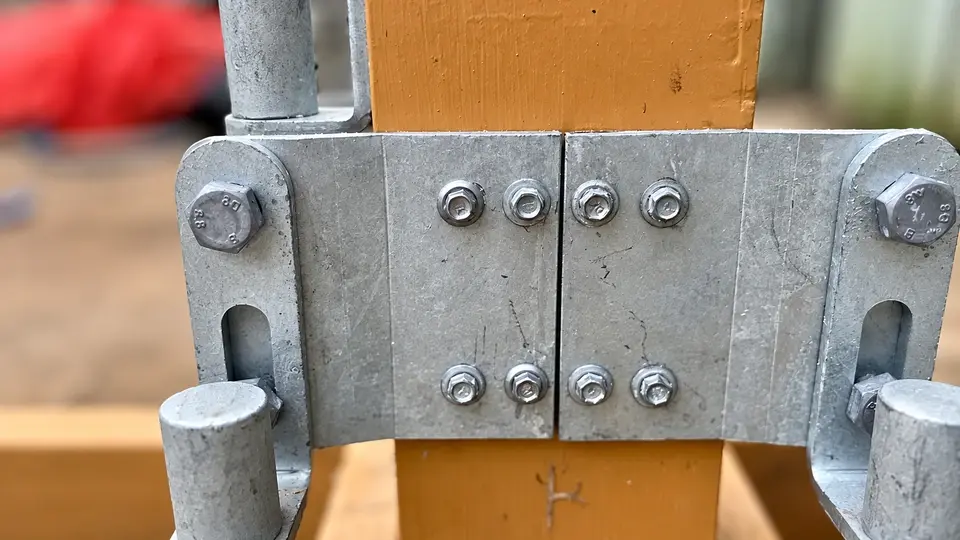
Gate Posts vs Fence Line Posts
Understand how a moving gate changes post requirements. Review hinges, leaf weight, latch loads and foundations instead of selecting a post by height alone.
 Supports & hardware
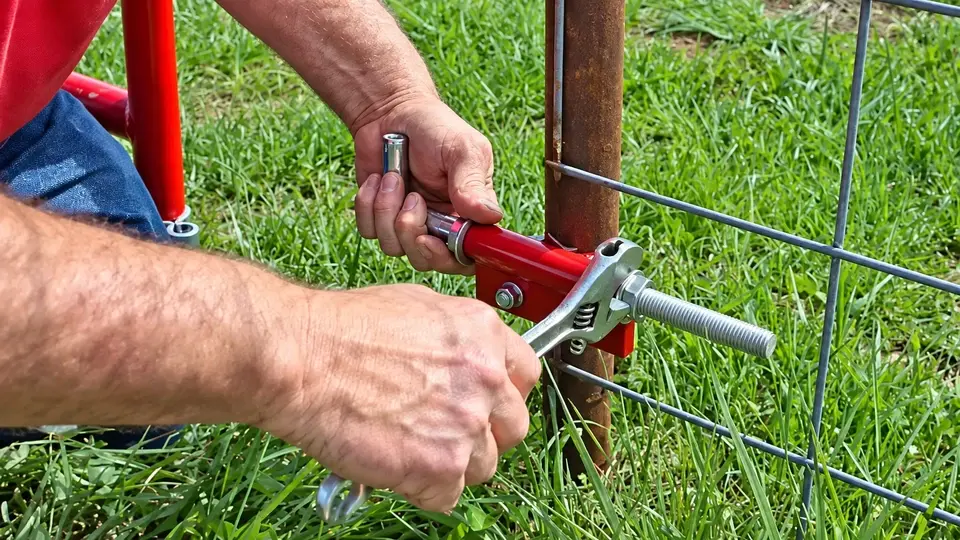
Select Gate Hinges by Weight, Width and Hinge Spacing
Calculate gate weight moment and hinge reactions, interpret manufacturer limits, and check adjustment and mounting before ordering hinges.
 Supports & hardware
Gate Latches, Locks and Drop Bolts: Give Each Component a Defined Job
Specify gate closing and locking hardware, calculate drop-bolt engagement, and test a double-leaf operating sequence without confusing support and security.
 Supports & hardware
Sliding Gate Hardware: Map the Support, Guidance and End Stops
Prepare a sliding-gate hardware schedule, calculate a parking-space example, and inspect wheels, guides, anti-lift retention and stops as one assembly.
 Operation & faults
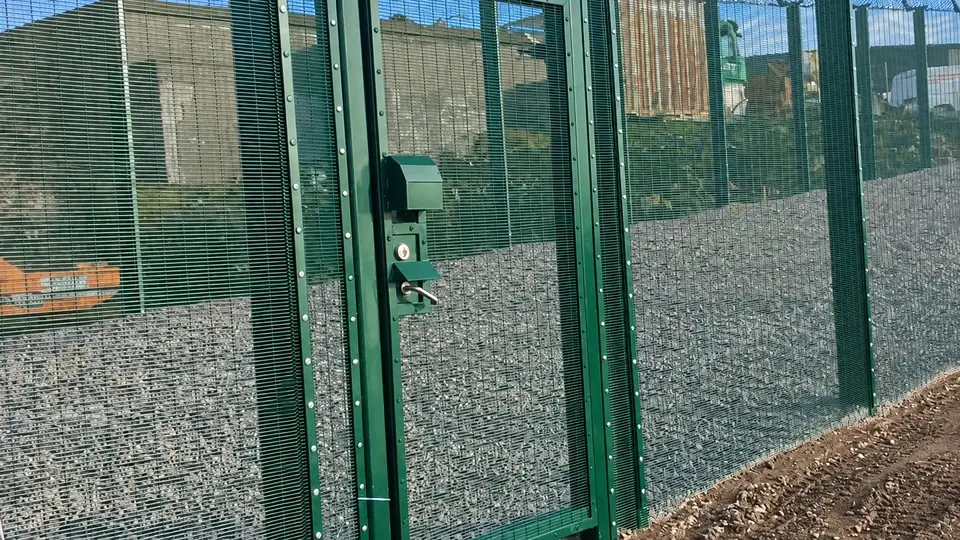
Choose a playground self-closing gate as a complete moving assembly
Assess leaf geometry, closer compatibility, latch engagement and access, with a repeatable observation record for a playground gate's closing action.
 Operation & faults
Automated gate procurement: assign the interfaces before buying the leaf
Allocate mechanical, electrical, control and safety responsibilities for a powered gate, with an interface register and defined commissioning handover.
 Operation & faults
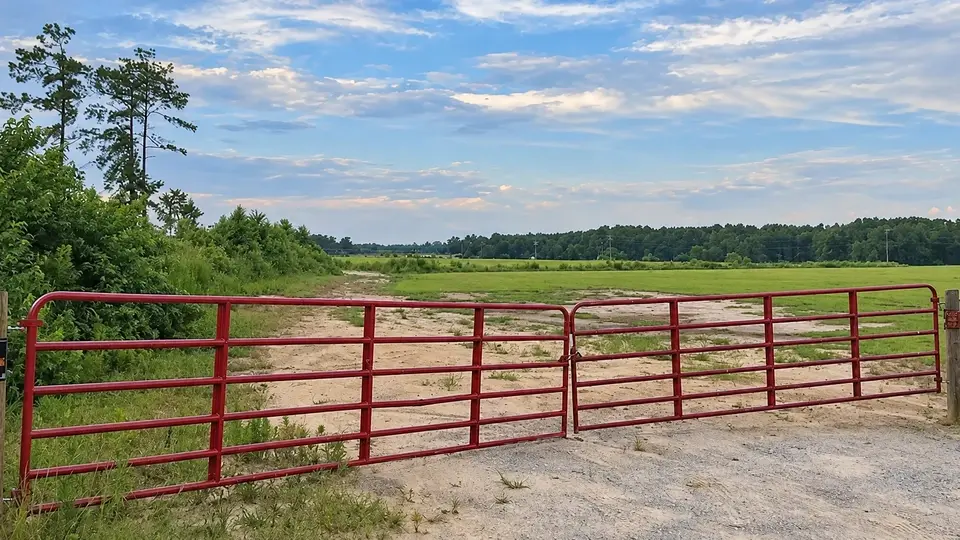
Gate Sagging or Binding? Measure the Post, Leaf and Ground Separately
Diagnose gate movement using repeatable gap readings, post-plumb measurements and diagonal checks before adjusting hinges or replacing hardware.
No matching guides
Try another search term or clear the topic filter.
Notes for using these guides
Choose the movement and define the opening
Read a movement comparison first if the layout is undecided. Use the dimensional guides once the project needs a gate schedule that can be quoted and fabricated.
A nominal gate width may refer to the leaf, structural opening or clear passage. The schedule should name the intended measurement and show the open position.
Match the gate to its supports and hardware
These articles cover infill compatibility, gate posts, hinges, locks and sliding hardware. They explain why matching the surrounding mesh is only one part of the assembly.
Keep each hardware reference with its mounting dimensions and function. A component that fits the holes may still have a different operating range or duty.
Review operation and diagnose faults
A playground closer, a powered drive and a sagging manual gate need different investigations. Use the relevant method rather than adjusting force to overcome an unidentified obstruction.
Browse the gate collection for construction families. For a material enquiry, provide the gate ID, clear passage, movement direction, finished ground levels and accepted drawing revision. Safety assessment and commissioning of a powered assembly remain defined specialist responsibilities.