
Manufacturing & quality LIBRARY
Find your next guide
Showing 15 of 15 guides
 Fabrication
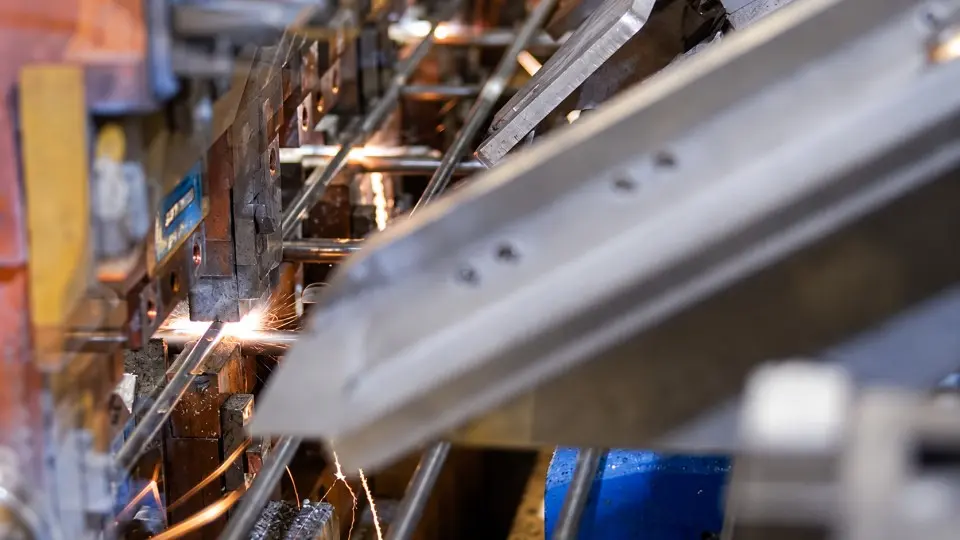
How Welded Mesh Fence Panels Are Made and Checked
Follow wire preparation, welding, forming, finishing and packing. Calculate wire counts and intersection positions, then identify useful manufacturing checks.
 Fabrication
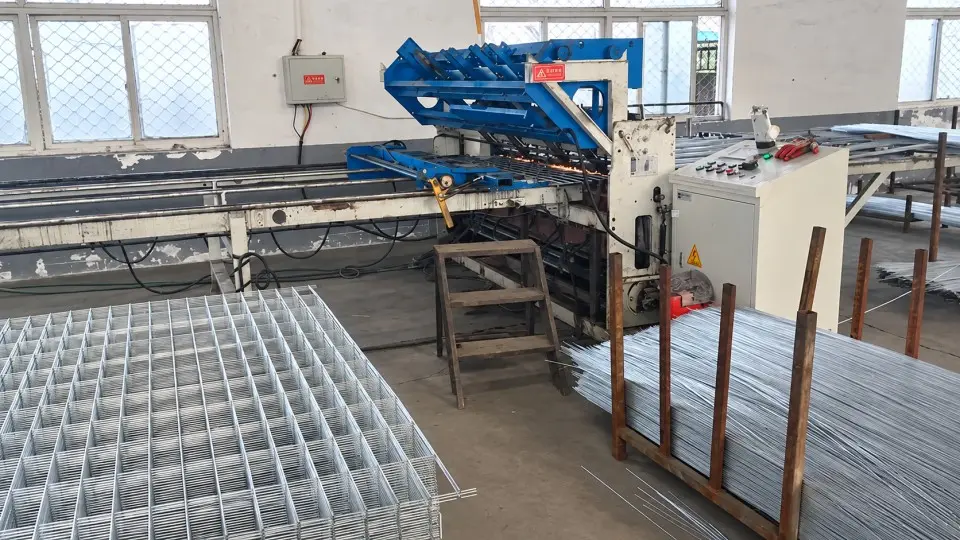
Control twin-wire panel welding with dimensions and joint evidence
Check wire positions, paired horizontal wires, panel geometry and weld evidence, with a worked intersection count and a traceable first-off inspection sequence.
 Fabrication
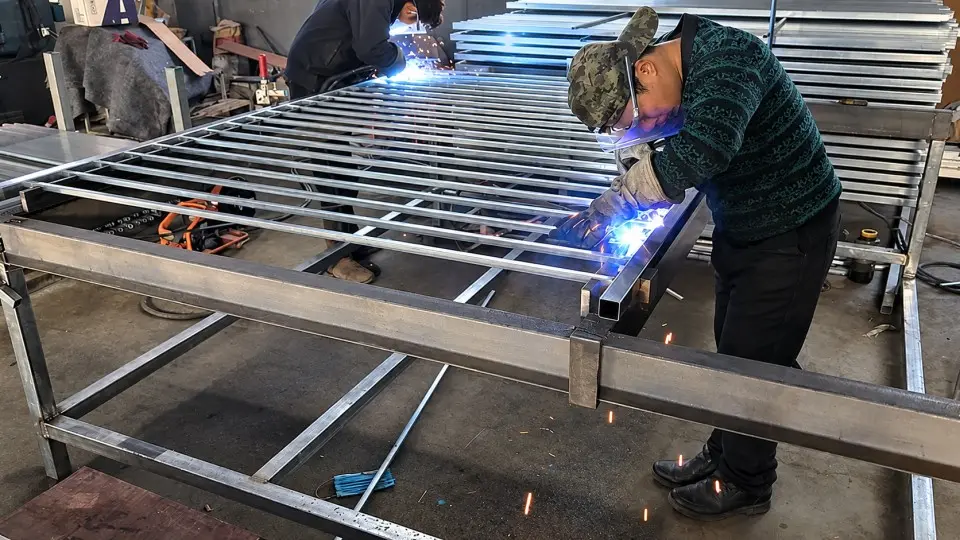
Steel railing manufacture: control spacing, distortion and finished fit
Follow steel railings from cutting and jigging to welding and finishing, with bar-spacing and cutting examples and checks tied to the approved drawing.
 Fabrication
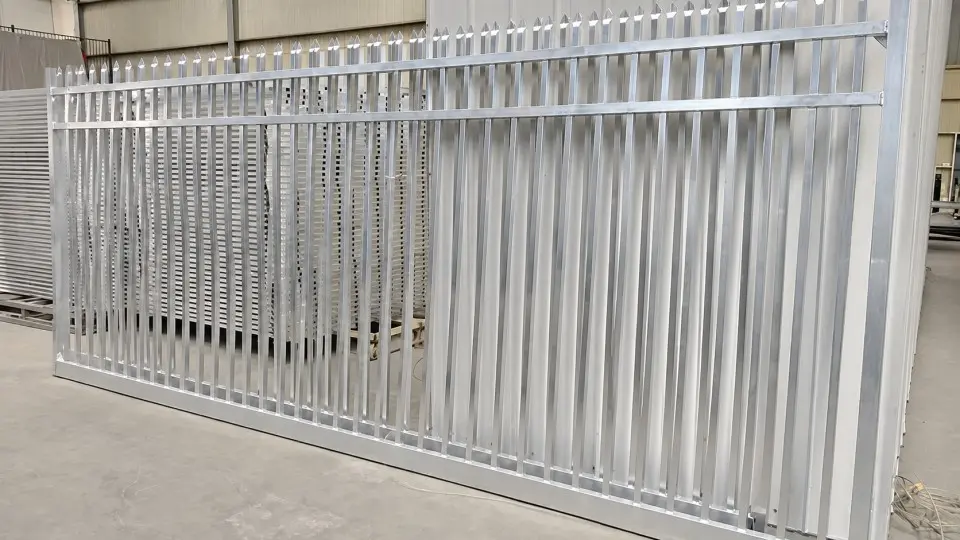
Fence Gate Fabrication and Trial Assembly: What to Check
Follow gate drawing release, frame checks, hardware trial fitting and final inspection, with diagonal and clear-opening calculations for a worked example.
 Fabrication
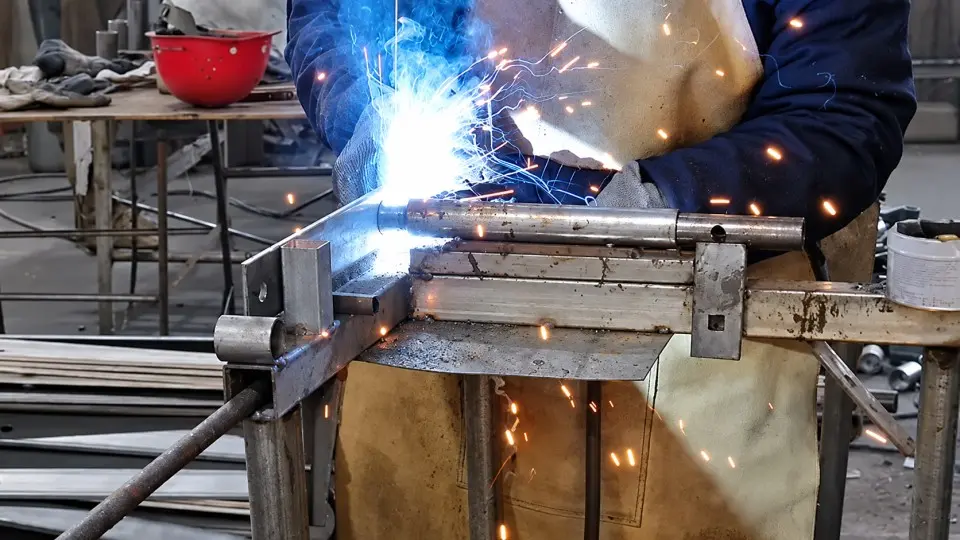
Temporary welded fence production: inspect the frame, mesh and connections
Review temporary panel production from material identity to trial assembly and packing, with a frame-diagonal example and a clear distinction from site stability design.
 Fabrication
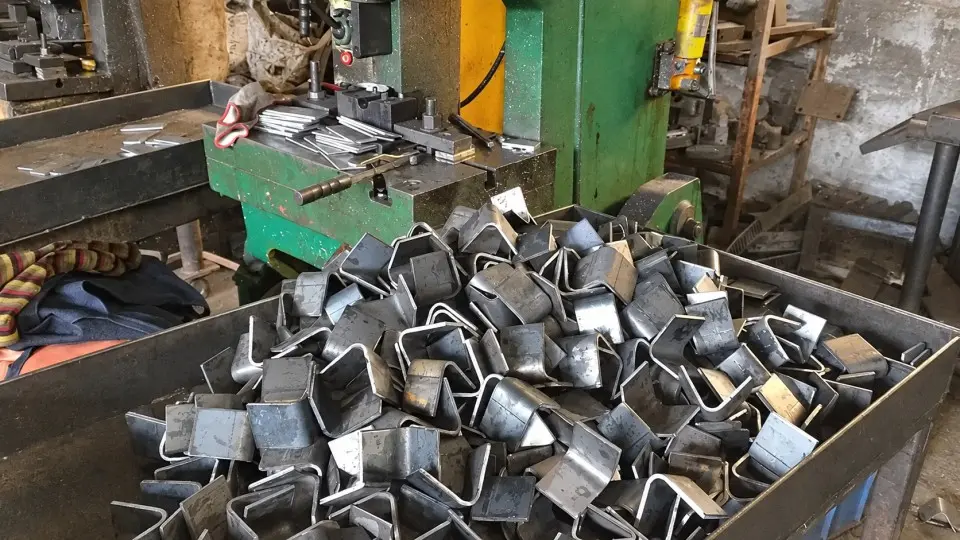
Fabricate fence posts and base plates from shared datums
Control post orientation, plate hole coordinates and finished fit, with a worked four-hole layout and inspection steps that preserve the approved connection.
 Materials & joints
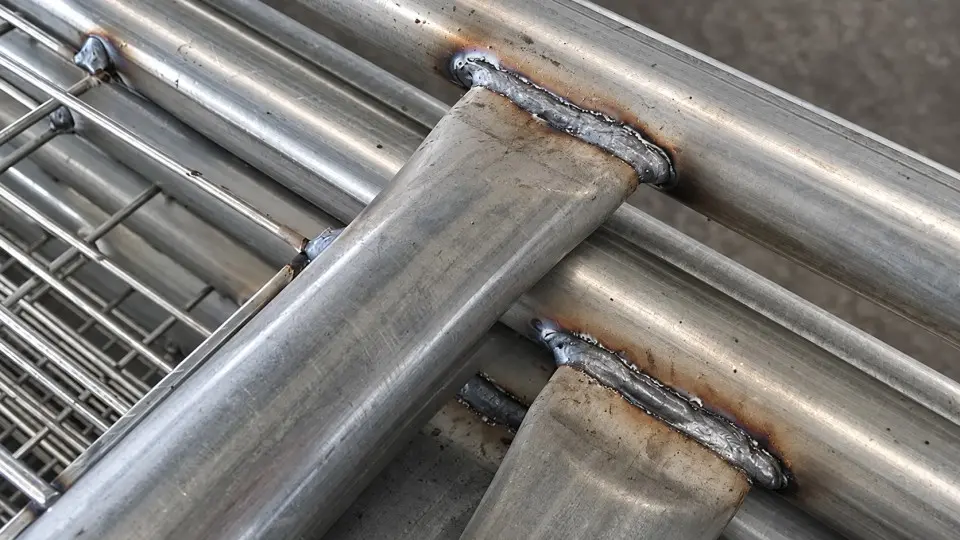
Which welding process belongs to each fence component?
Distinguish resistance and arc welding in fence manufacture, then specify joint evidence, procedure identity and inspection without inventing universal settings.
 Materials & joints
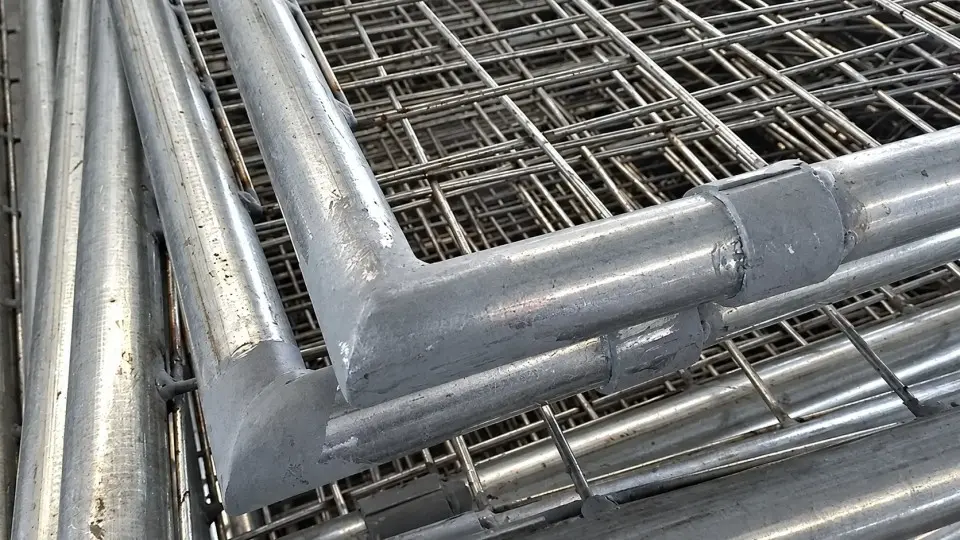
Fence Weld Inspection: Read the Test Record, Not Just the Surface
Separate weld appearance from measured performance. Follow a sample-report review and a numeric example showing why an average can hide a failed joint.
 Materials & joints
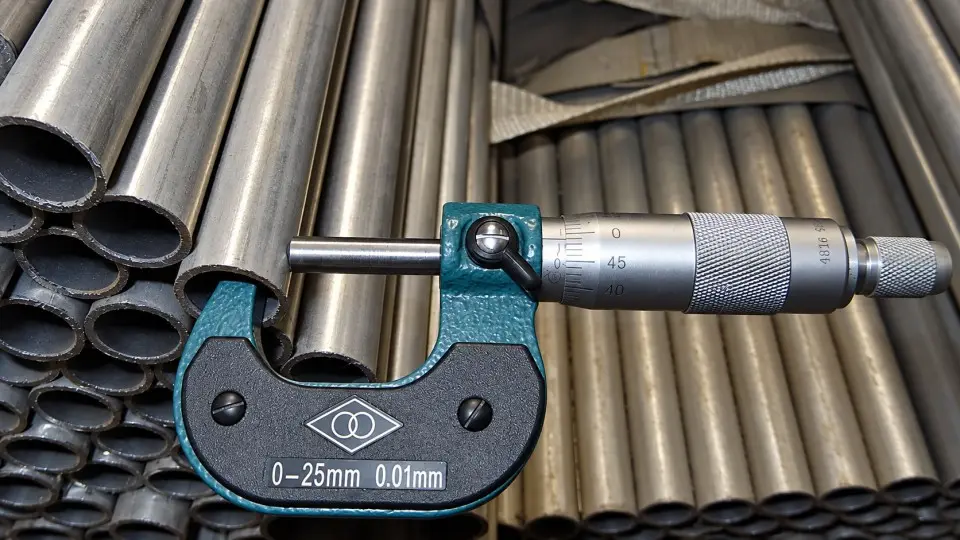
Incoming fence material inspection: identify the lot before measuring it
Check wire, tube, plate and bought-in hardware against order references, record actual measurements, and quarantine mismatches with a worked diameter example.
 Samples & shipment
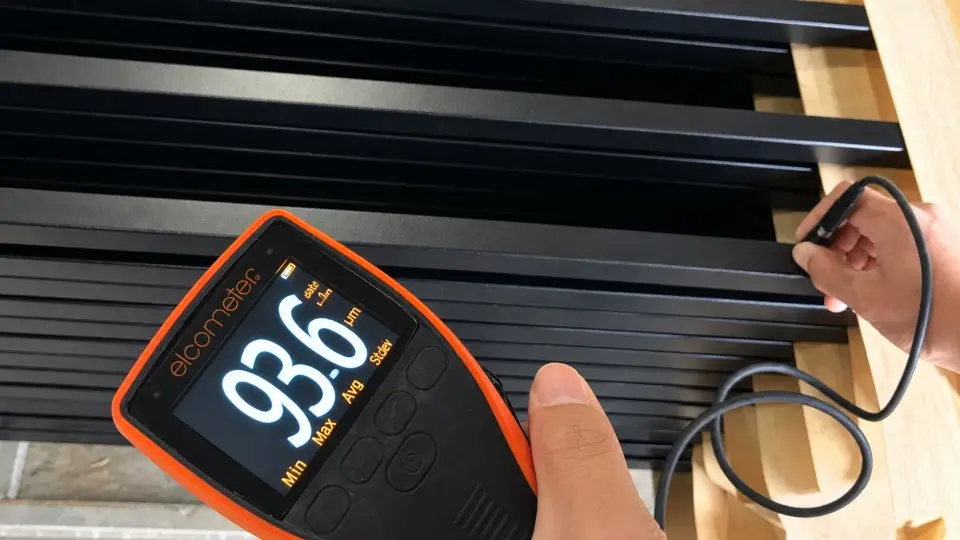
Pre-Shipment Fence Inspection Checklist
Check fence goods against approved drawings and order requirements. Record dimensions, coating checks, component quantities, packing references and unresolved items.
 Samples & shipment
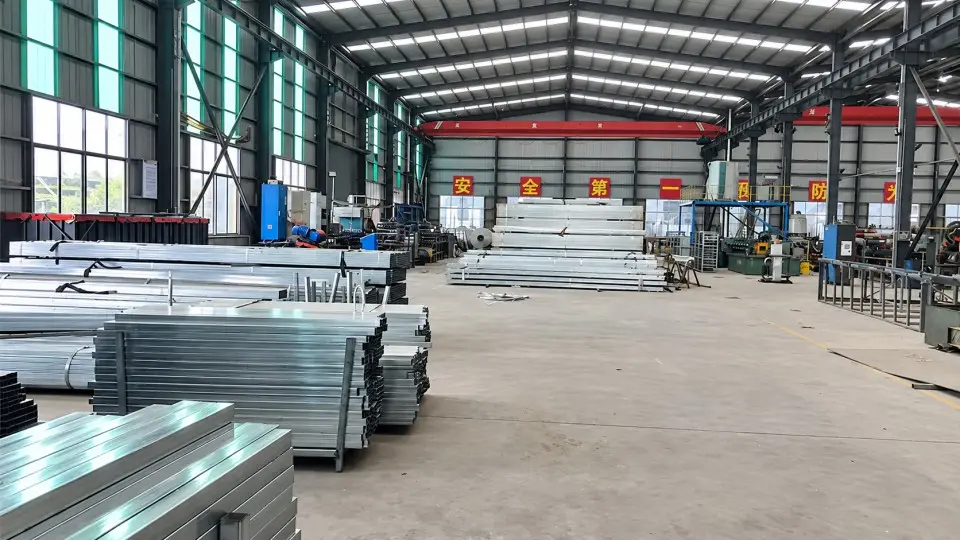
Fence Sample Approval: Keep Production Consistent
Approve colour, dimensions and component fit separately, control drawing revisions and use a change matrix to decide what needs checking again in production.
 Samples & shipment
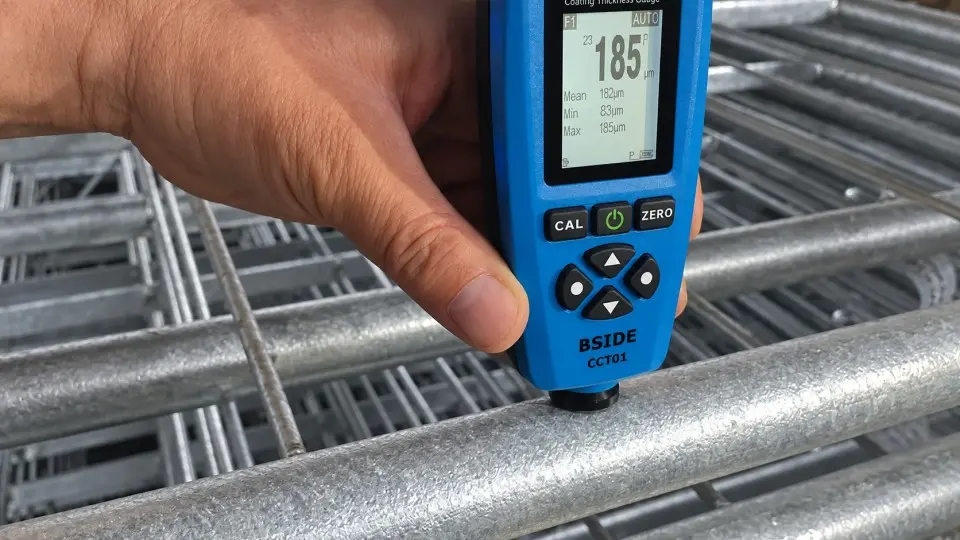
Prepare for Third-Party Fence Inspection: Scope to Release
Prepare drawings, sampling access, measuring equipment and discrepancy records for an independent fence inspection, with a worked lot and quantity example.
 Samples & shipment
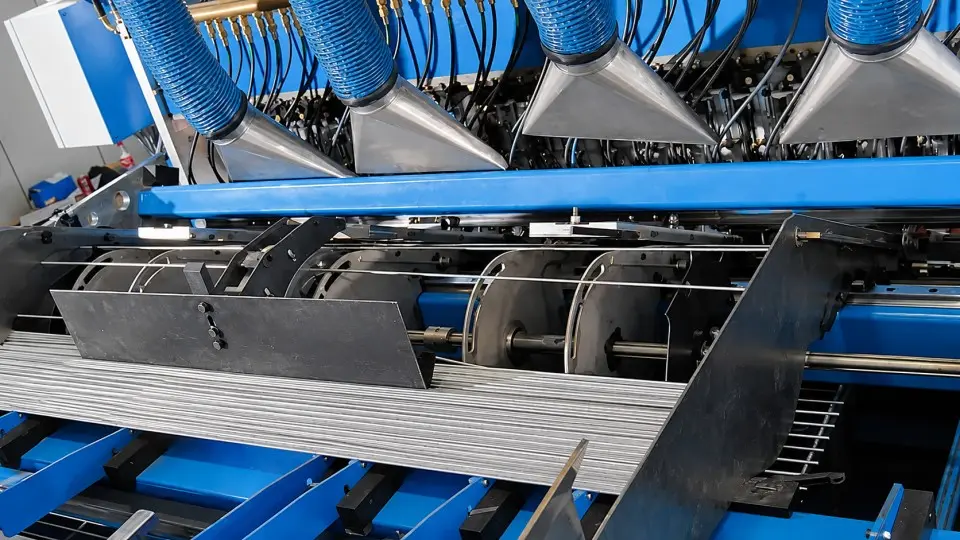
Check a fence supplier's manufacturing capability with a traceable order route
Map in-house and outsourced processes, test a claimed output against realistic assumptions, and review production evidence without relying on factory photographs.
 Slats & sheets
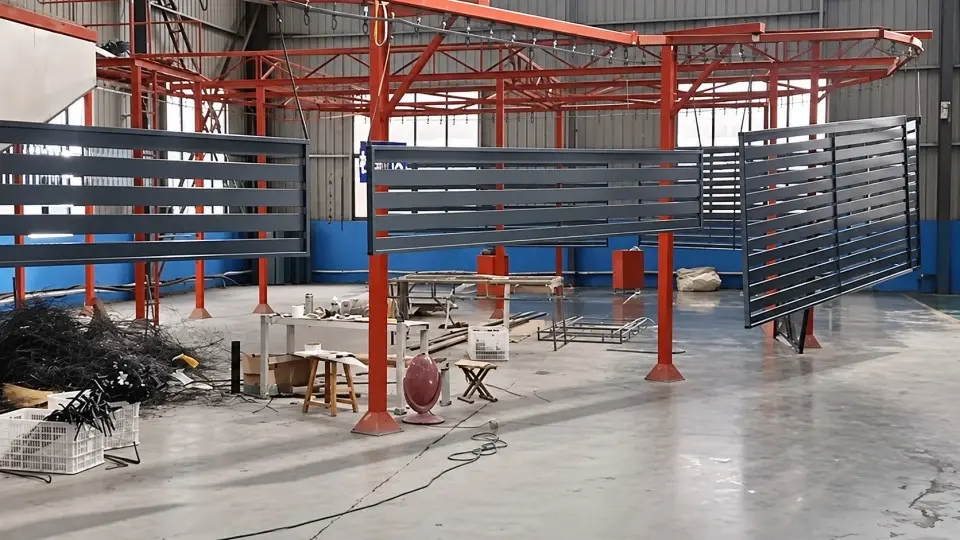
Aluminium slat fabrication: control the cut, fit and assembly
Follow an aluminium slat fence through material identification, cutting, finishing and first-article assembly, with a worked cut-list calculation.
 Slats & sheets
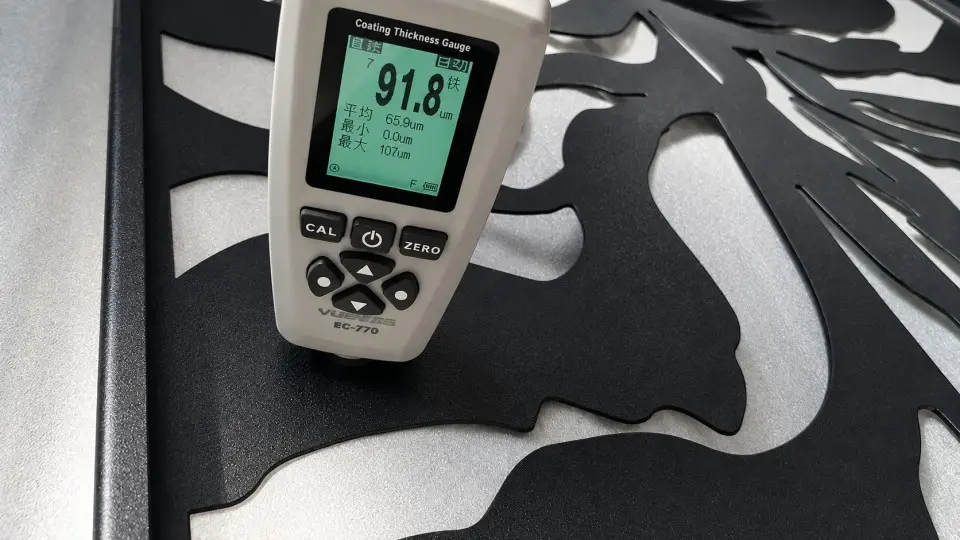
Laser-cut fence panels: inspect the file and the finished part
Check laser-cut screen files, datums, hole patterns, edge finishing and panel orientation with a worked coordinate example and first-article process.
No matching guides
Try another search term or clear the topic filter.
Notes for using these guides
Follow the actual fabrication route
Choose the construction you are buying. Each article focuses on the dimensions and interfaces most likely to be lost between the drawing and the finished assembly.
Production descriptions are not claims that every process occurs on one site. Keep in-house work and partner sourcing visible in the order's supply route.
Inspect materials and joints
Use these articles to distinguish process identity, visible condition and measured or tested acceptance. An attractive surface cannot answer every question about a joint or incoming material.
The required sampling and acceptance criteria belong in the inspection plan. Worked examples demonstrate calculations and decisions without imposing an invented test frequency on every order.
Approve samples and release the shipment
A sample needs a defined purpose and revision. The later production and packing records should show whether the supplied goods preserve that accepted description.
For FencingWise's confirmed inspection sequence, read quality control. For the meaning and scope of reports, use test documents. The result should be an auditable order record, with failures and corrections retained rather than hidden behind a final pass label.
Slat assembly and patterned sheet fabrication
Follow the profile or approved cutting file through first-article inspection, finishing and assembly. File identity and finished fit matter as much as a nominal dimension.