
Installation & maintenance LIBRARY
Find your next guide
Showing 15 of 15 guides
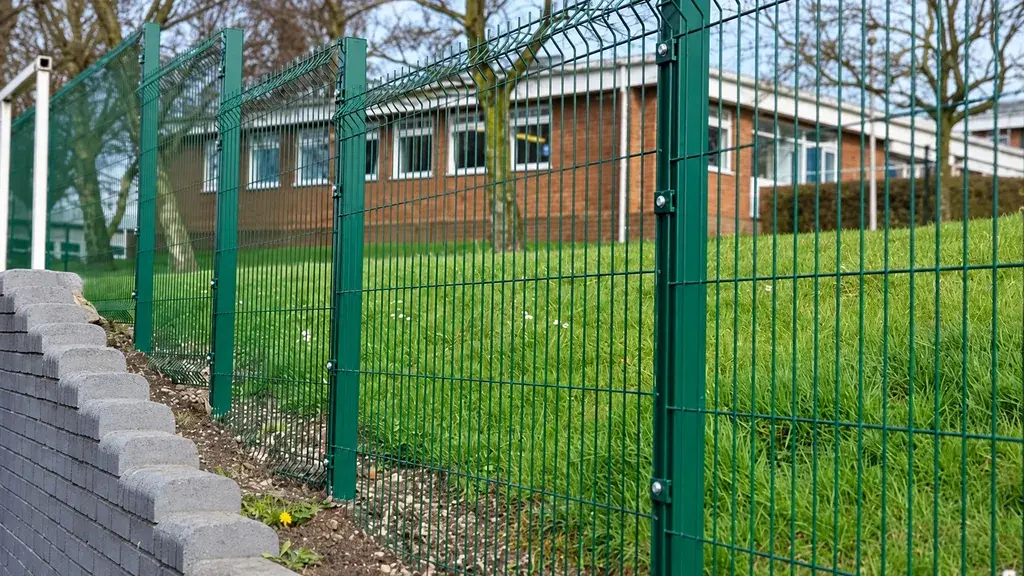 Survey & supports
Fence Site Survey: Measure Runs, Levels and Gate Openings
Build a fence survey record with chainage, level changes, opening references and photographs. Follow a numeric slope example and a practical survey sequence.
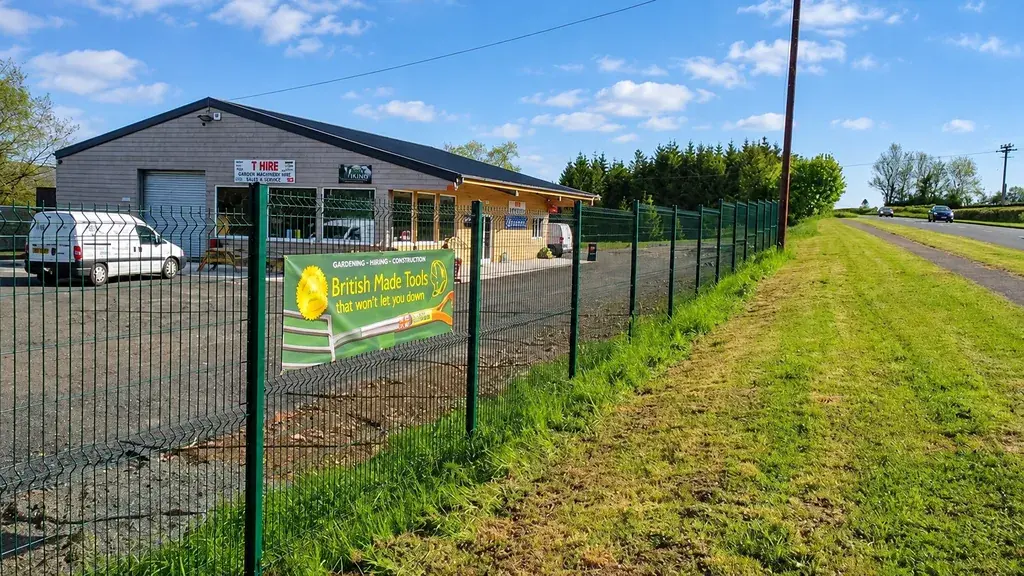 Survey & supports
Stepped vs Raked Fencing: Calculate the Slope and Bottom Gap
Compare stepped and slope-following arrangements with an 8% gradient example, projected dimensions and a method for checking gaps and connections.
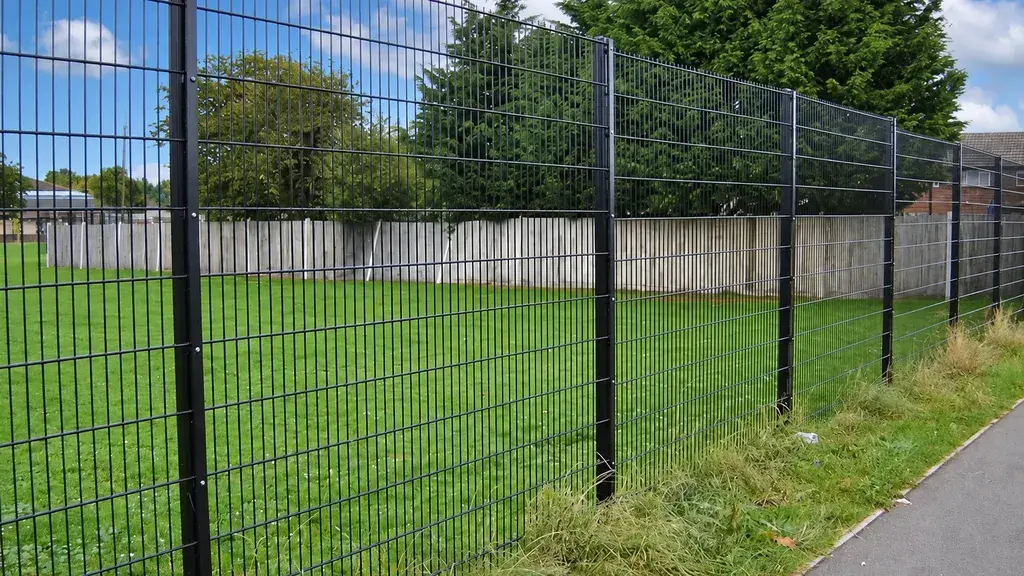 Survey & supports
Fence Quantity Takeoff: Count Panels, Posts and Special Bays
Calculate fence quantities by run and node. Follow a 50 m worked example with a gate, closing panels, separate gate posts and defined fixing quantities.
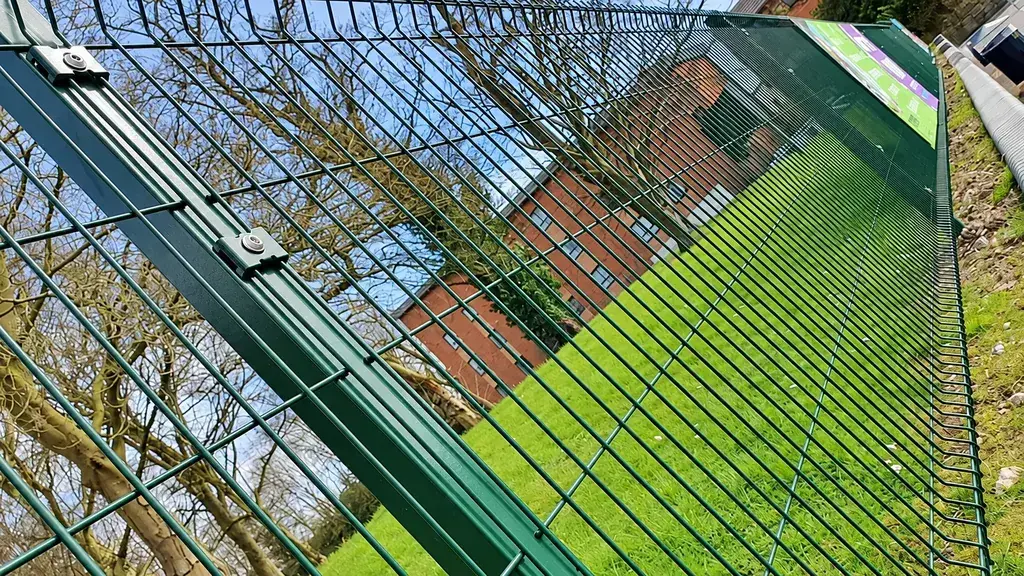 Survey & supports
Why fence foundations cannot be selected from height alone
Understand how height, exposure, post pitch and ground conditions affect foundation demand, with a simplified moment example and a designer input checklist.
 Survey & supports
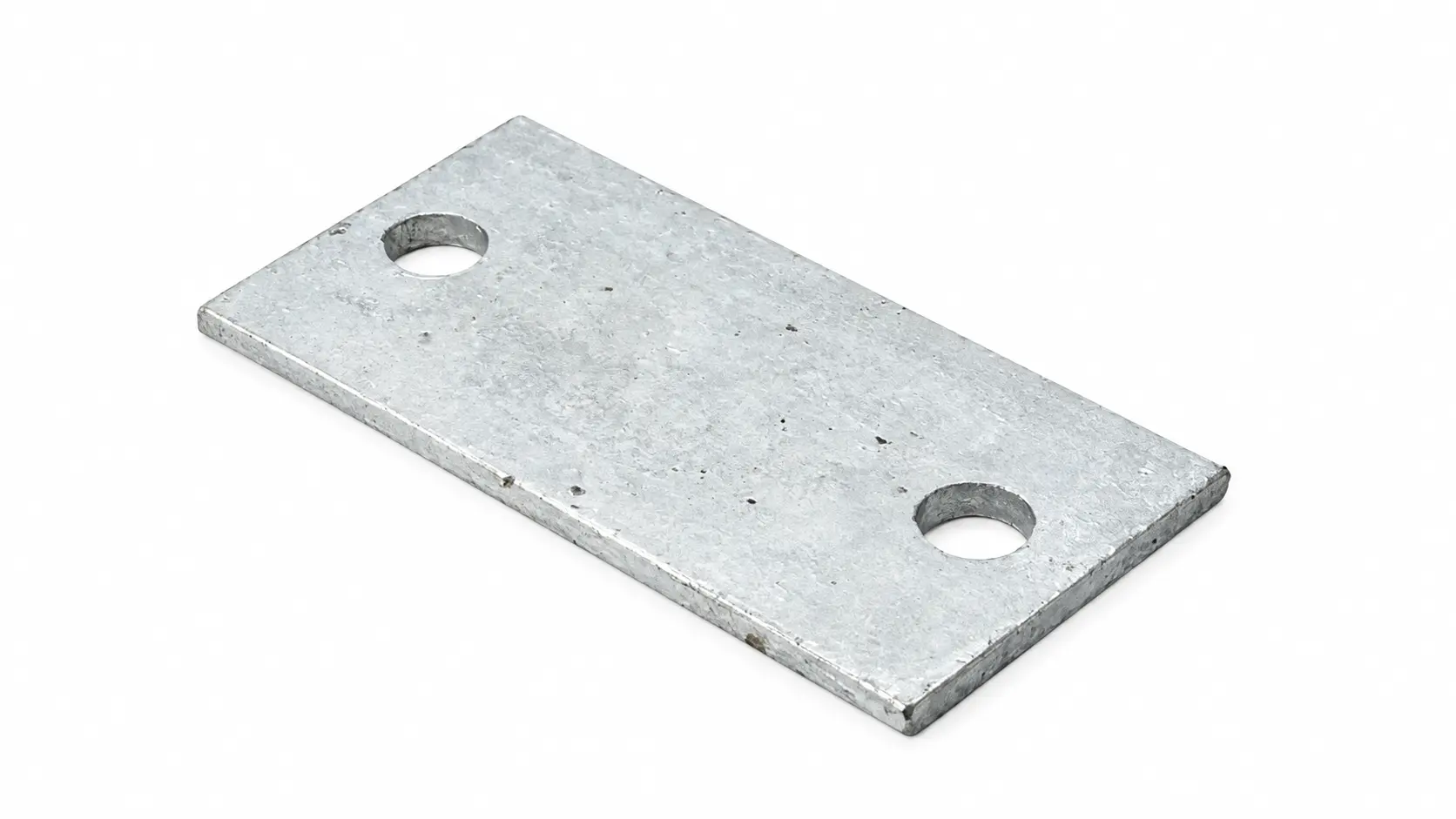
Check Base-Plated Fence Posts Before Drilling the First Hole
Check support material, base-plate hole patterns, edge distances and anchor instructions using a worked geometry example and an installation hold-point list.
 Survey & supports
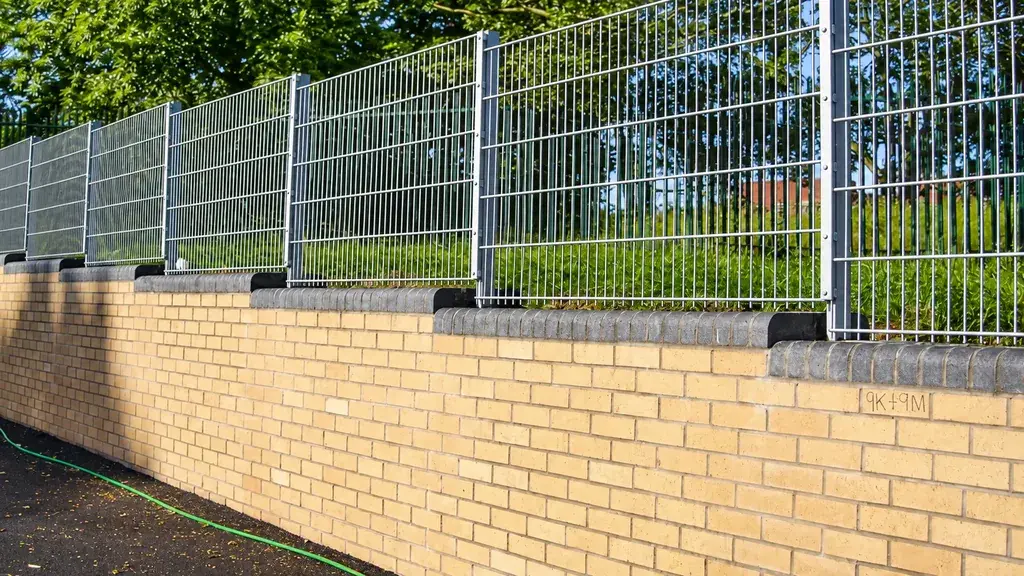
Wall-mounted fencing: check the wall before choosing the brackets
Prepare wall construction, condition, edge geometry and fence-load information before selecting anchors, with an illustrative height-reference calculation.
 Installation
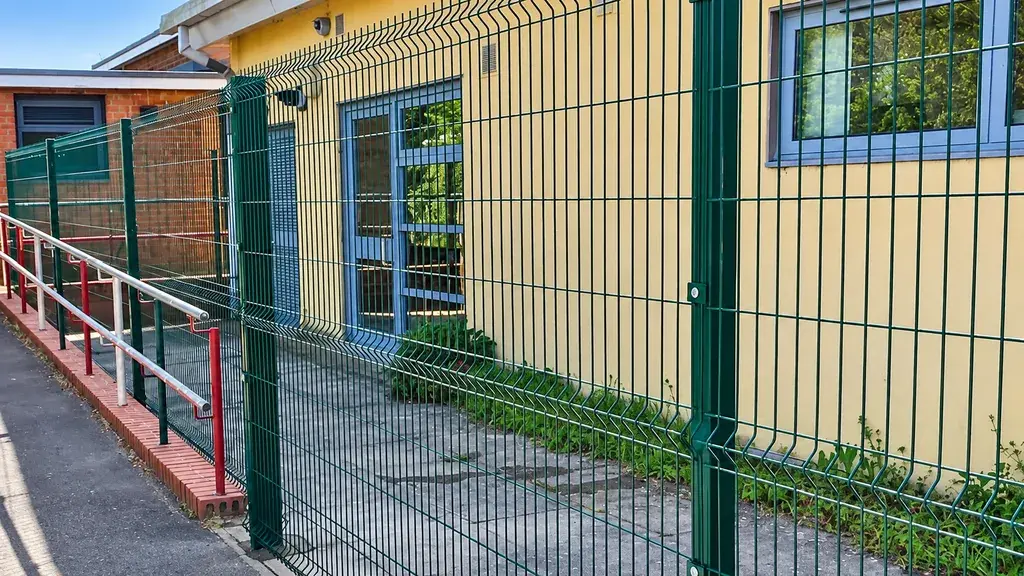
Install Welded Fence Panels in a Sequence That Controls Fit
Set out posts, verify a trial bay, install panels and close the final bay using measured checkpoints and a worked cumulative-spacing example.
 Installation
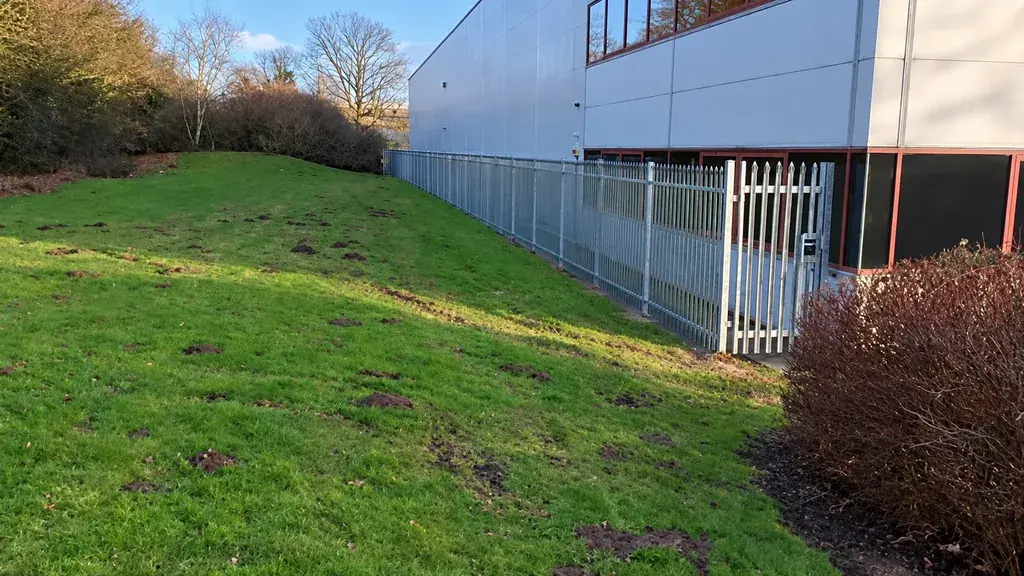
Palisade fence installation: control the first bay before repeating it
Plan a palisade installation around approved supports, rail orientation, pale spacing and final checks, with a worked component count and clear hold points.
 Installation
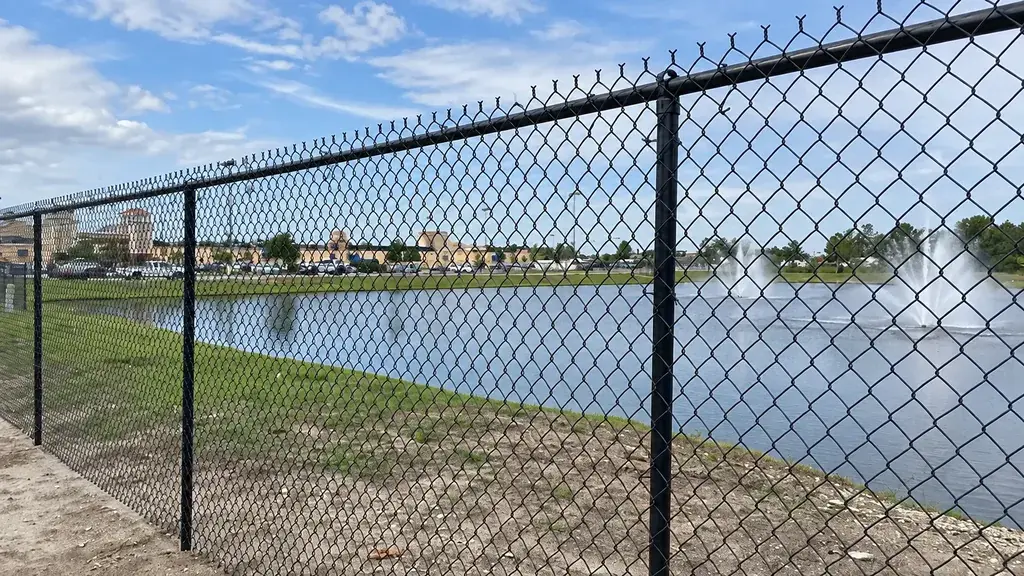
Chain Link Tensioning and Bracing: Give the Fabric a Stable Load Path
Identify chain-link terminal posts, braces, tension bars and wires, then follow a controlled installation sequence with a worked run-and-termination count.
 Installation
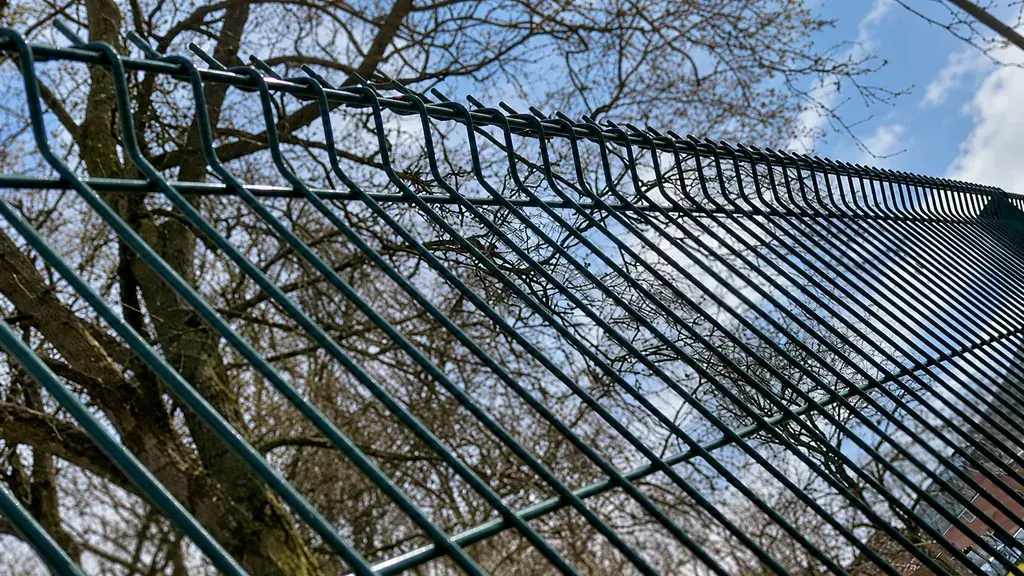
Fence Installation Tolerances: Separate Set-Out Error from Available Adjustment
Measure installed fence deviations, calculate cumulative error and decide whether a correction fits the approved connection or needs a revised detail.
 Installation
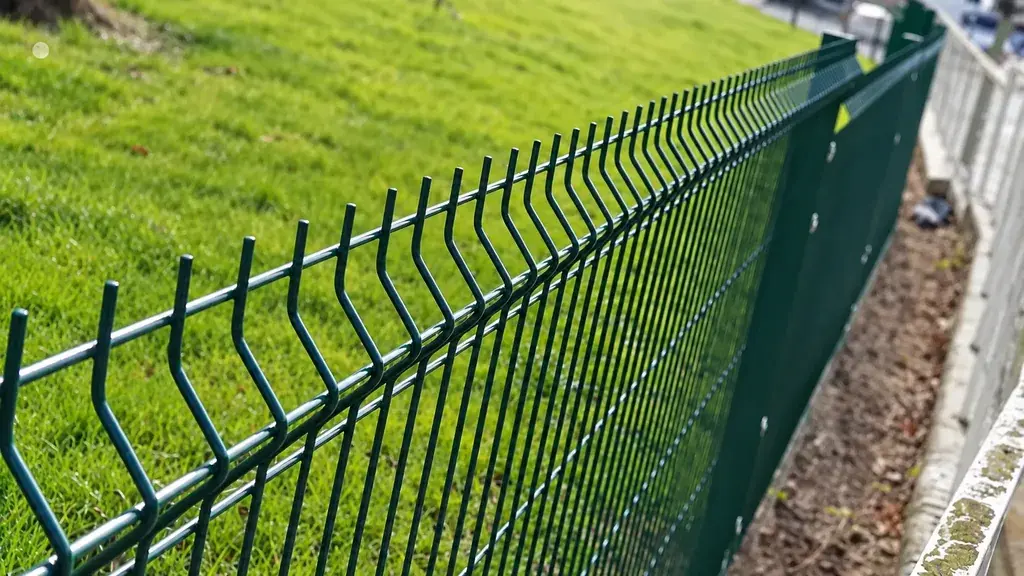
Fence Handover: Inspect the Work and Deliver Usable Records
Build a fence handover package with location references, inspection results, outstanding actions and counted spares, with clear material and installation scope.
 Maintenance
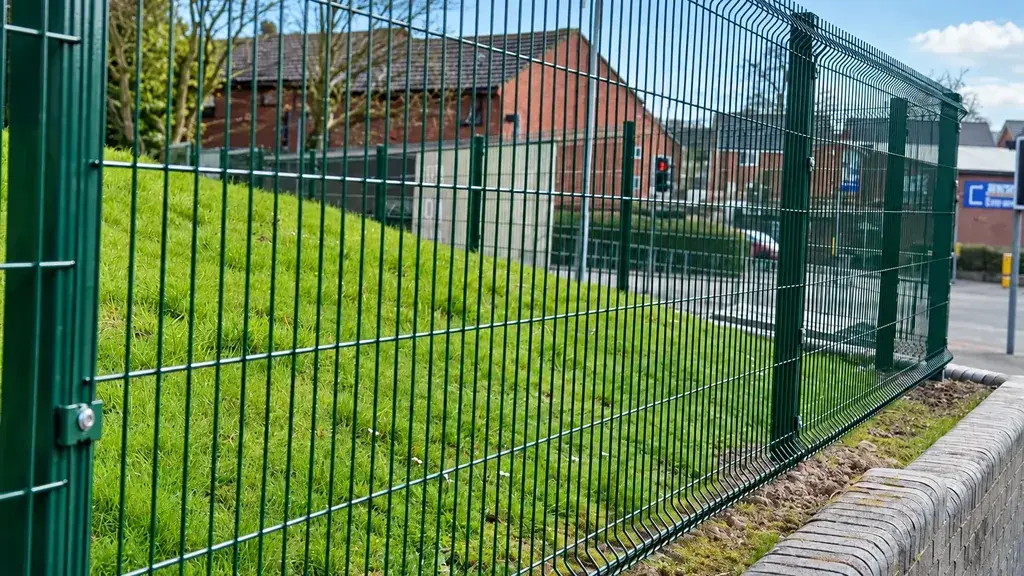
Build a Routine Fence Inspection That Produces Actionable Records
Create a repeatable fence inspection route, measure changing defects and prioritise repairs using location IDs, a sample register and a time estimate.
 Maintenance
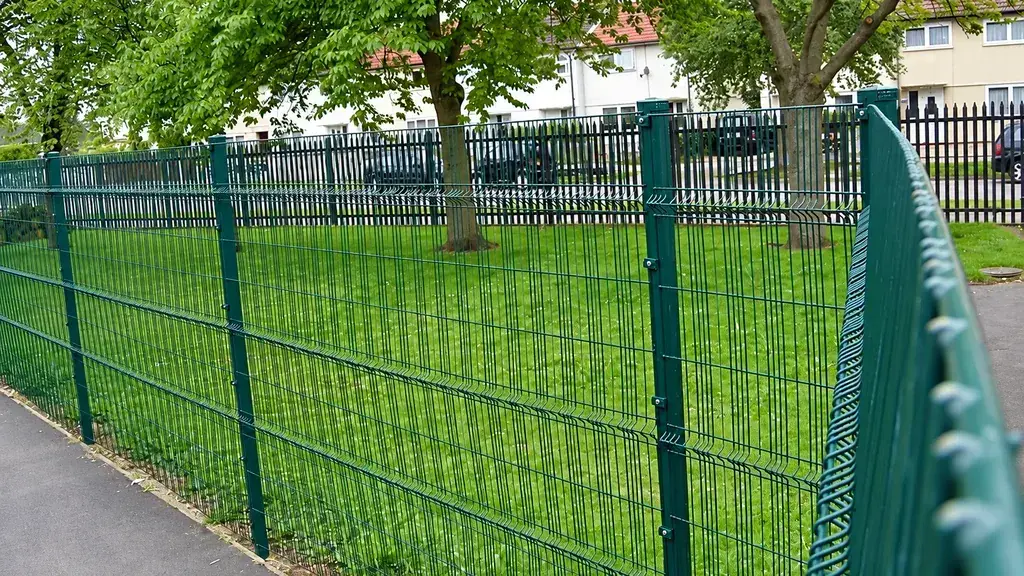
Replace a Damaged Fence Panel: Survey, Match and Recheck
Assess panel damage, measure the existing bay, identify compatible fittings and plan a controlled replacement with a complete dimensional example.
 Maintenance
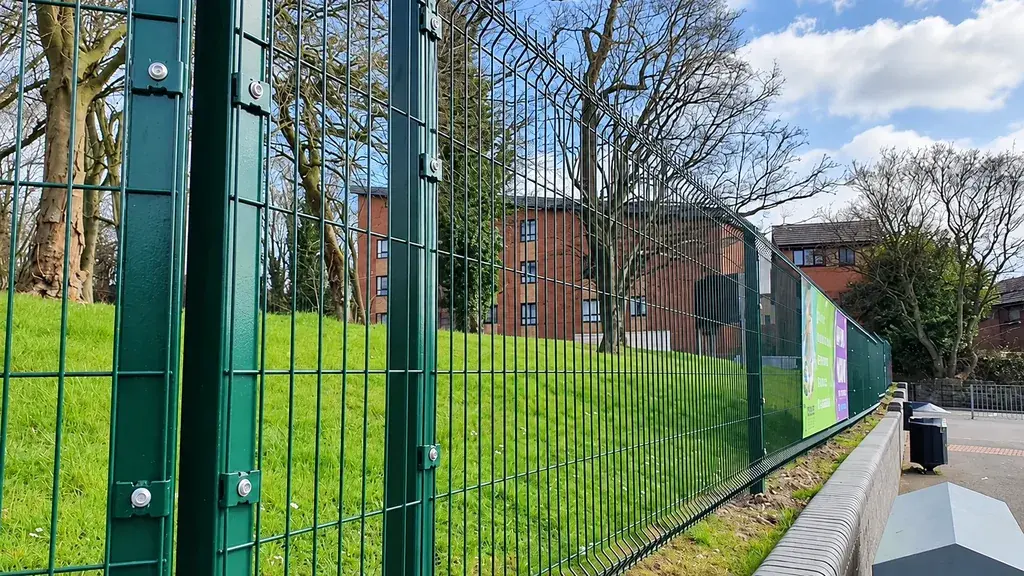
Repair or Replace a Fence System? Use Condition and Five-Year Cost
Compare repair and replacement using reusable components, compatibility, access costs and a transparent five-year worked example with sensitivity analysis.
 Damage checks
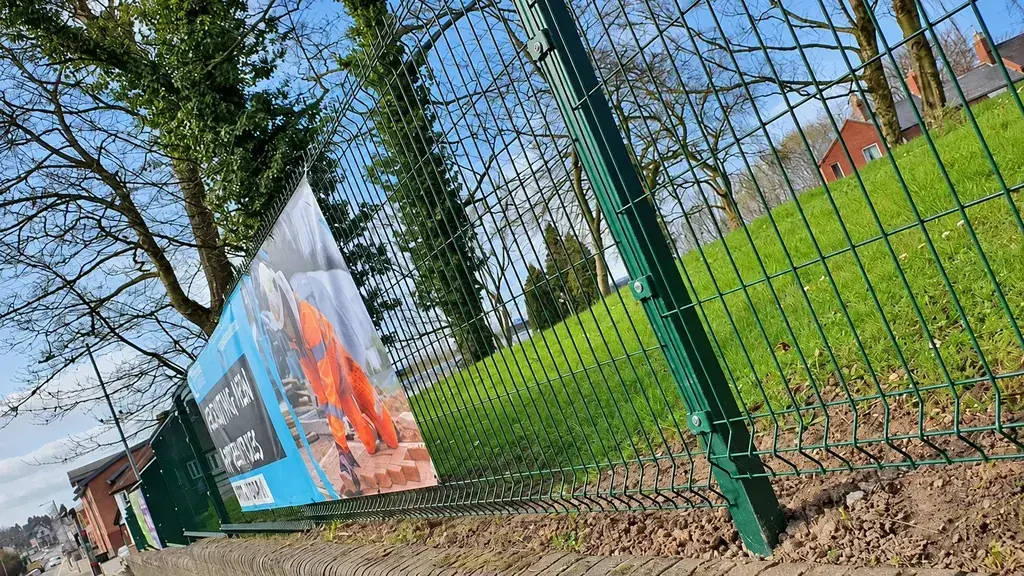
After a storm or impact: inspect before returning a fence to use
Organise post-storm and impact checks around location, damage, support condition and documented return-to-service decisions, with a measurement example.
No matching guides
Try another search term or clear the topic filter.
Notes for using these guides
Measure and prepare the supporting detail
Begin with the survey and quantity basis. The foundation, base-plate and wall-mounted articles explain which information belongs with the responsible designer before installation proceeds.
A correct dimension does not prove a foundation or wall can carry the required load. Keep structural design and safe excavation controls separate from take-off arithmetic.
Assemble and hand over the chosen system
Select the installation route that matches the actual product. Use the adjustment guide when a discrepancy appears, and retain accepted changes in the handover package.
Do not force an assembly to fit by making unapproved holes, cuts or substitutions. Resolve the source of the mismatch while it is still confined to the first affected bay.
Inspect, replace and plan renewal
These articles provide a route from recorded observations to a repair or replacement decision. Component identity and connection dimensions matter as much for a repair as for the first order.
Visit installation and maintenance records for document organisation, and the drawing reference for dimensions and revision control. Keep the installed configuration and subsequent repairs traceable so each new intervention starts from reliable information.
Inspect after a damaging event
Locate and describe damage, control the affected area and record the decision to repair or return the assembly to use.