
Materials & coatings LIBRARY
Find your next guide
Showing 15 of 15 guides
 Protection routes
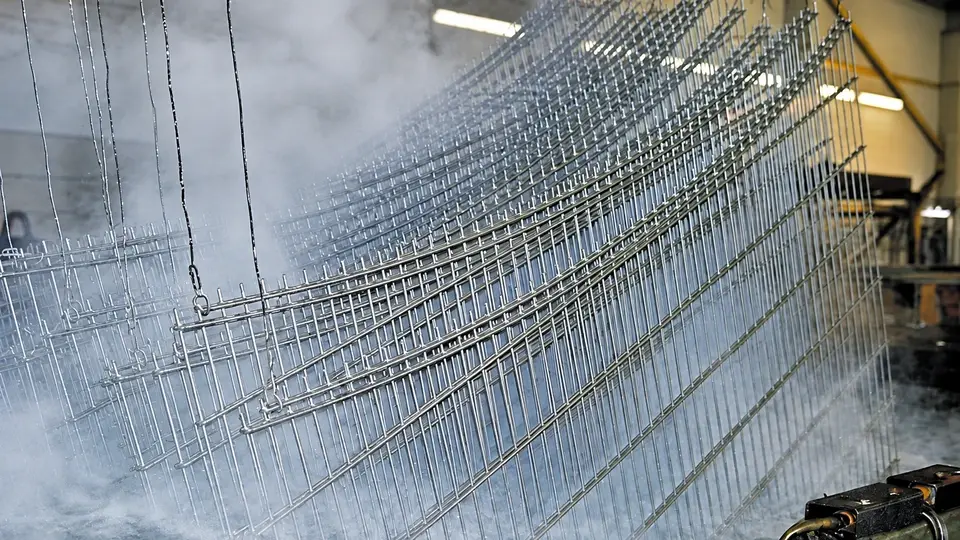
Hot-Dip vs Electro-Galvanized Fencing
Compare zinc-coating methods without relying on the word galvanized alone. Review process, coating measurements, fabrication stage and the specified environment.
 Protection routes
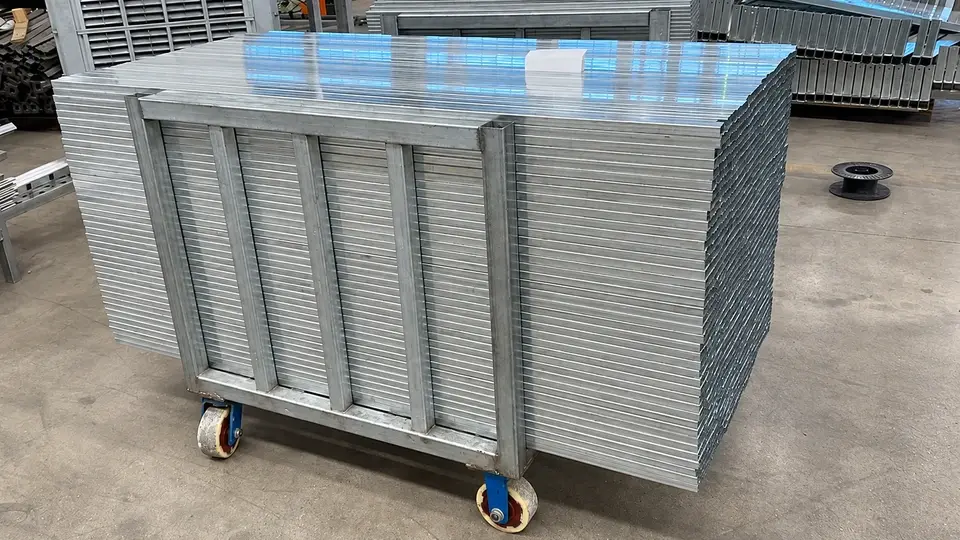
Pre-Galvanized vs Galvanized-After-Welding Fences
Understand how fabrication order affects fence welds, cut ends and coating checks. Compare pre-galvanized material with treatment of the finished fabrication.
 Protection routes
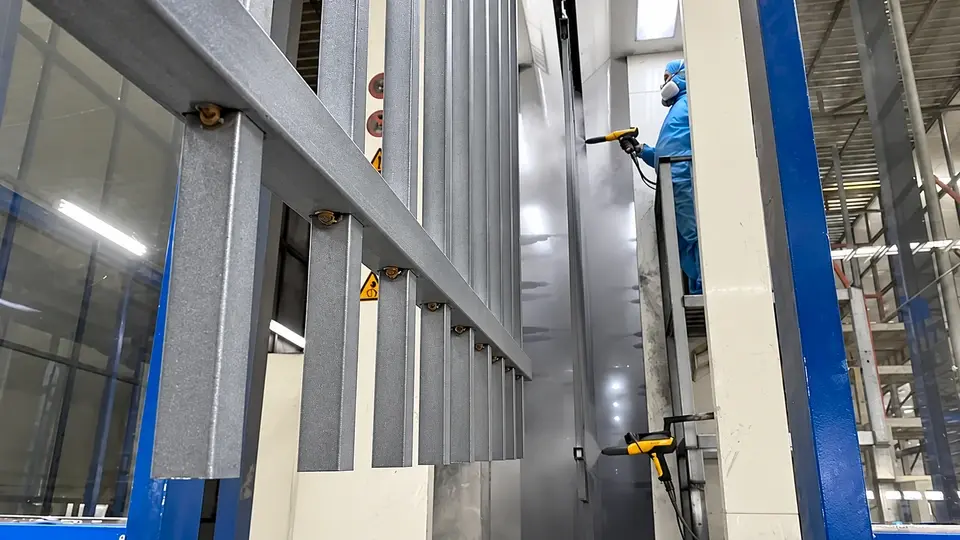
Specify Galvanized and Powder-Coated Fences by Layer
Define zinc treatment, surface preparation, powder finish and inspection separately. Use layer-thickness arithmetic without mistaking combined film for zinc.
 Protection routes
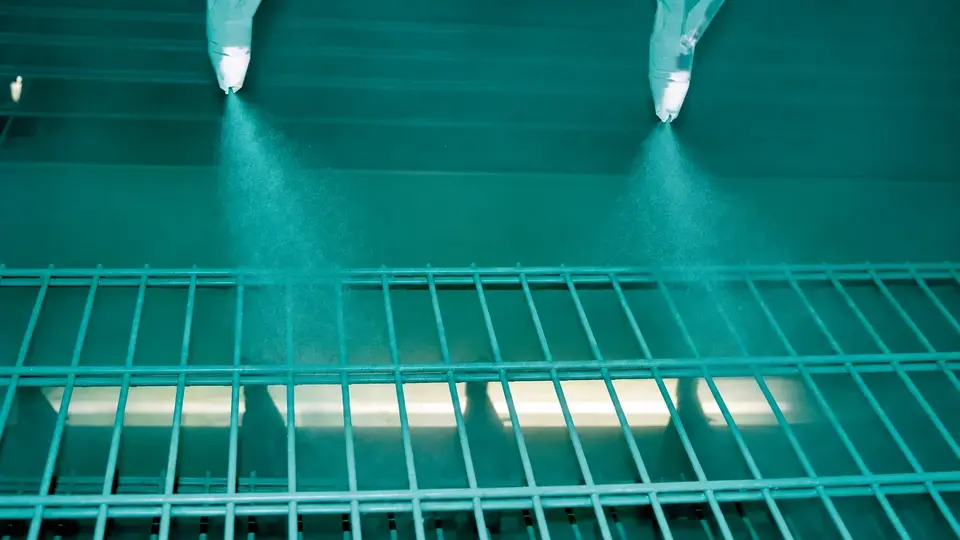
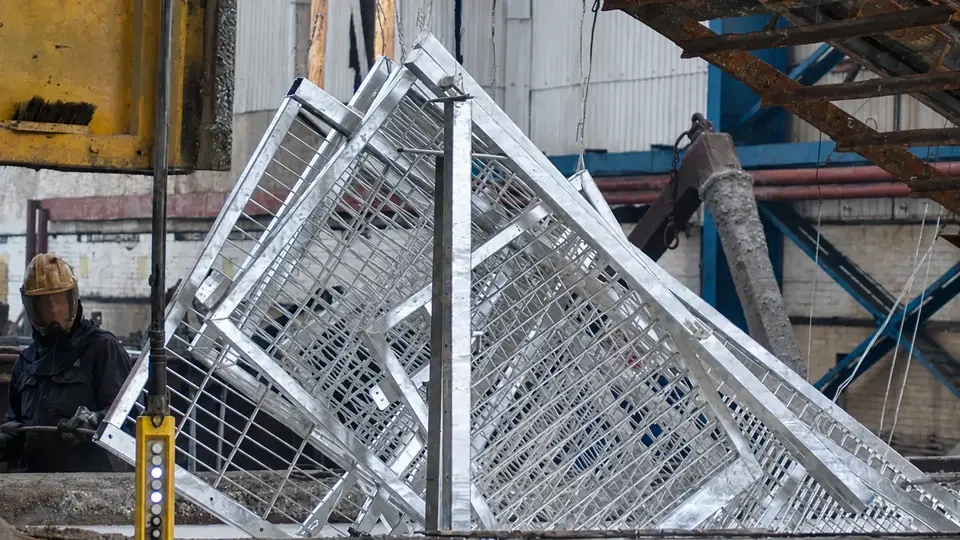
Powder Coating vs PVC Coating: Compare the Complete Fence Finish
Compare powder and PVC finishes by substrate, application, thickness measurement and repair, including a steel-core and finished-diameter example.
 Protection routes
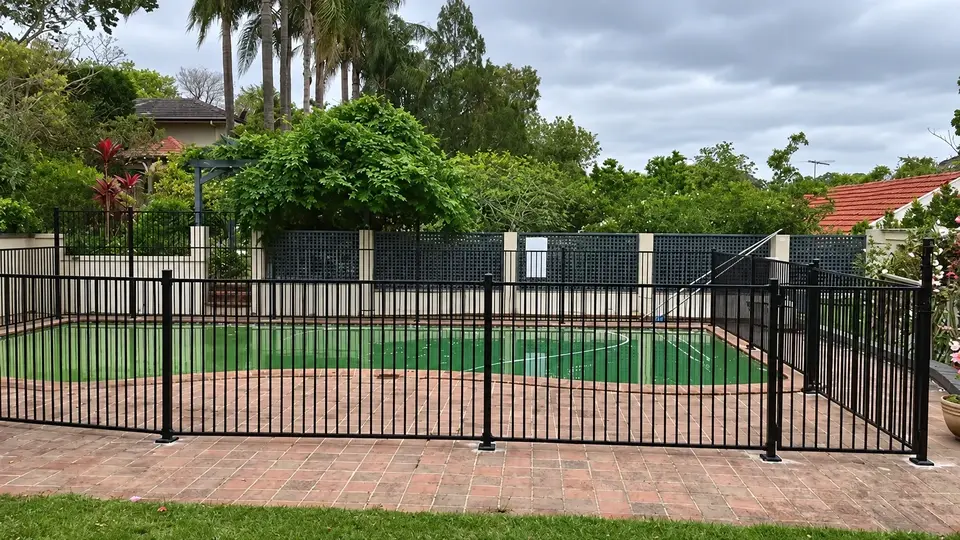
Coastal Fence Protection: Specify the Exposure and Every Layer
Assess coastal fence exposure by zone, compare complete coating systems, and plan accessible maintenance using a worked length and cleaning-cost example.
 Protection routes
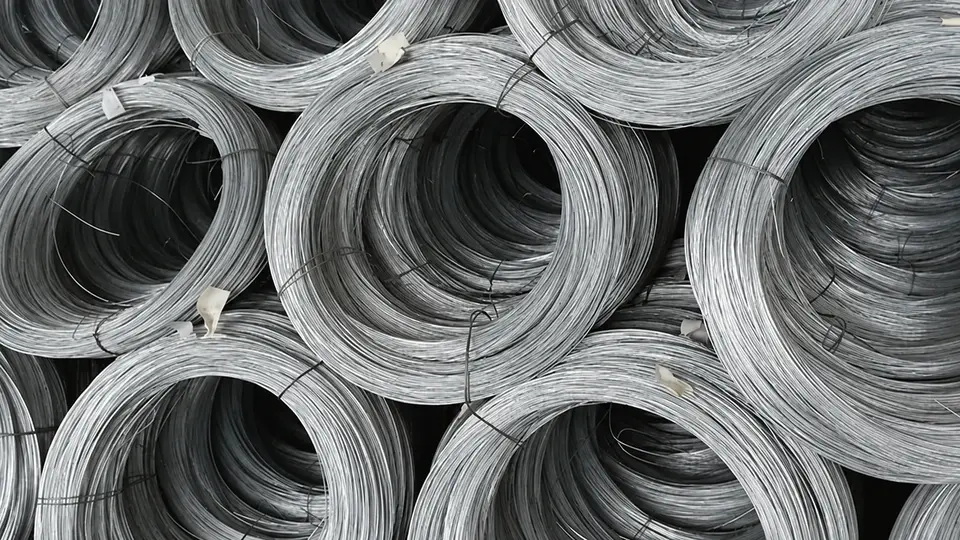
Steel and aluminium fences need different corrosion questions
Compare steel coating routes and aluminium surface protection, inspect local exposure and joints, and avoid turning material names into unsupported lifespan claims.
 Protection routes
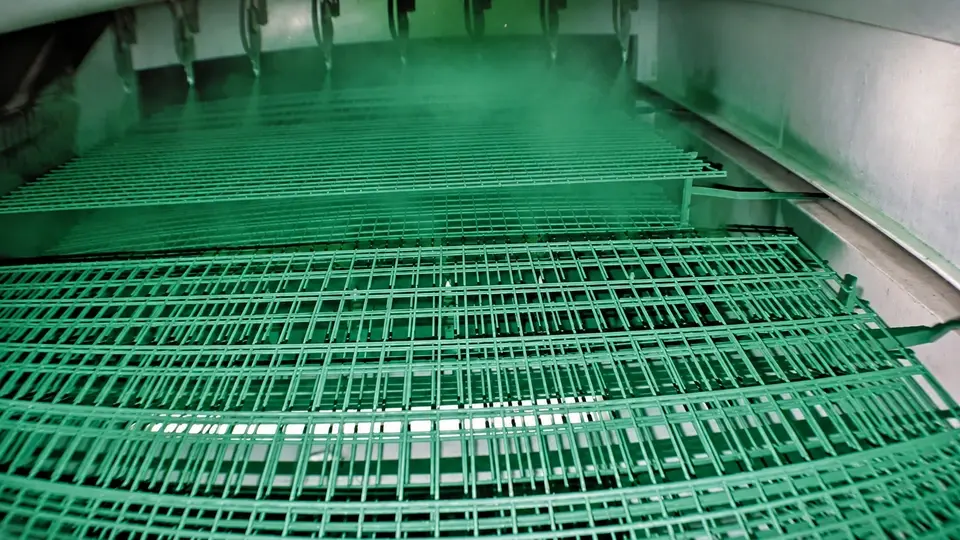
Specify zinc-aluminium coated fence wire by composition and coating mass
Compare zinc-aluminium wire coatings by alloy identity, coating mass and evidence, with a worked cylindrical-area calculation and sample review sequence.
 Testing & appearance
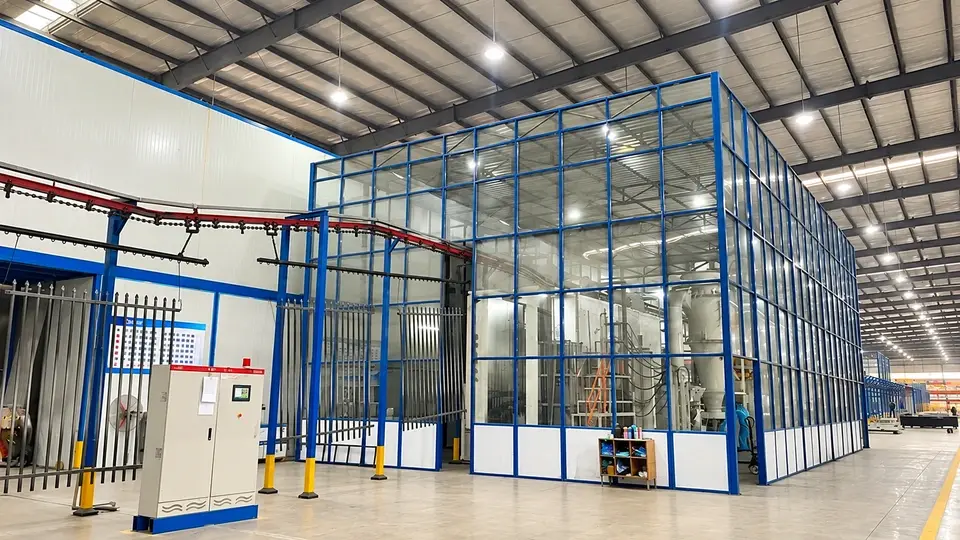
Check Powder-Coating Adhesion: Choose the Method and Read the Rating
Plan fence-coating adhesion checks, distinguish ISO and ASTM ratings, and record substrate, layer failure and sample traceability correctly.
 Testing & appearance
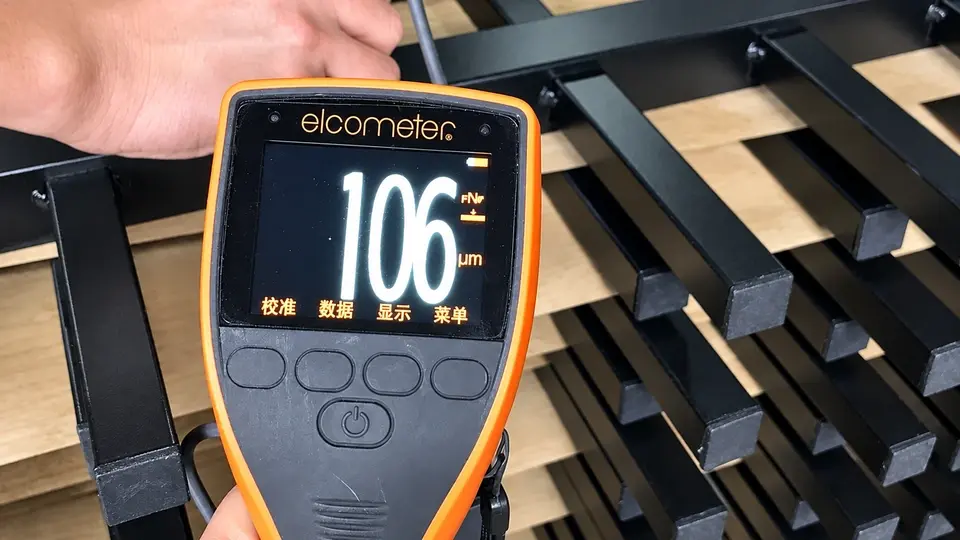
Zinc Coating Thickness: Match the Product, Method and Acceptance Rule
Read local and mean galvanized coating requirements, distinguish zinc from total coating thickness, and use a worked acceptance and mass calculation.
 Testing & appearance
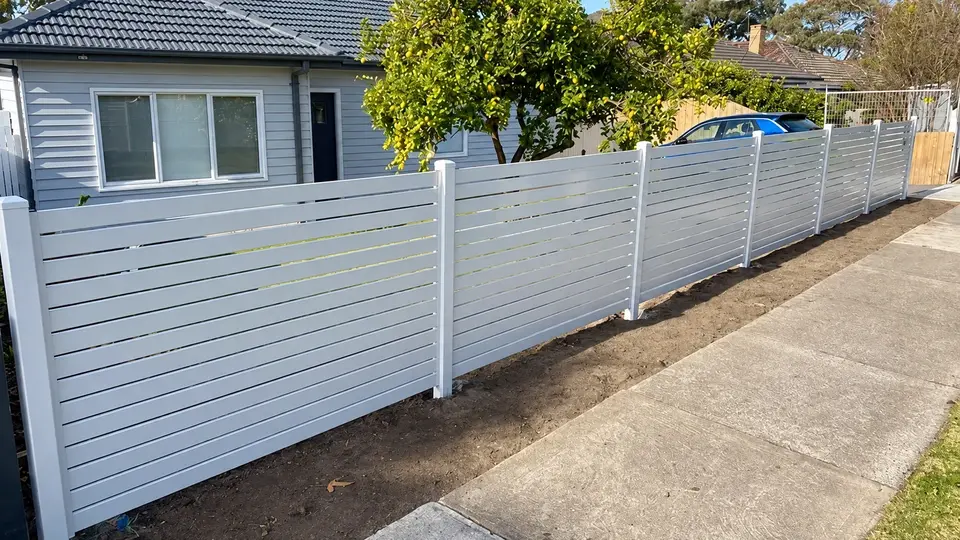
Read a Fence Salt-Spray Report Without Turning Hours into Years
Compare salt-spray reports by method, specimen, scribe and endpoint, and interpret exposure hours and inspection intervals using worked examples.
 Testing & appearance
Approve Fence Colour and Gloss with a Physical Reference
Set colour, texture and gloss references for fence orders. Follow a sample-approval workflow and a numeric gloss example without relying on screen images.
 Repairs & costs
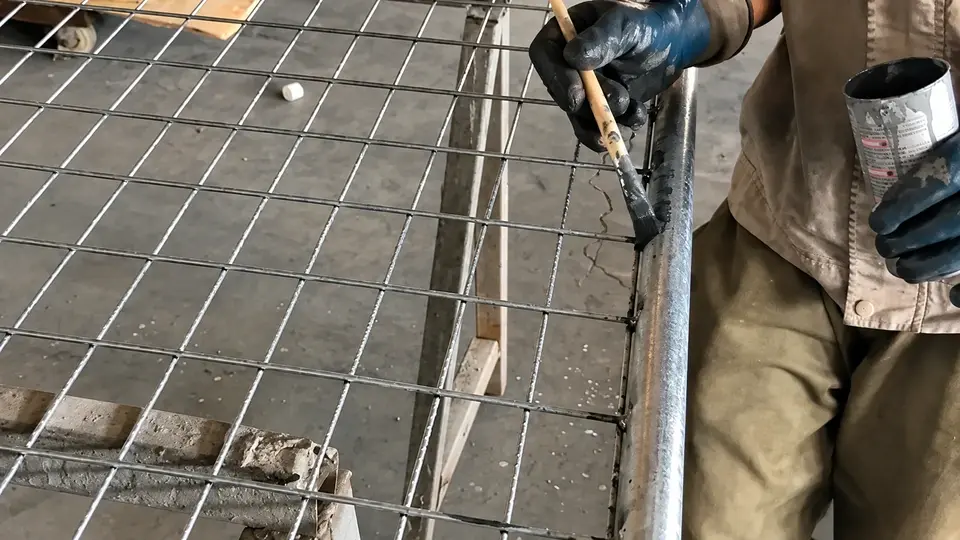
Protect fence welds, cut edges and fastener locations after fabrication
Locate coating discontinuities, define compatible repairs and inspect the finished detail, with a worked repair-area example and clear acceptance records.
 Repairs & costs
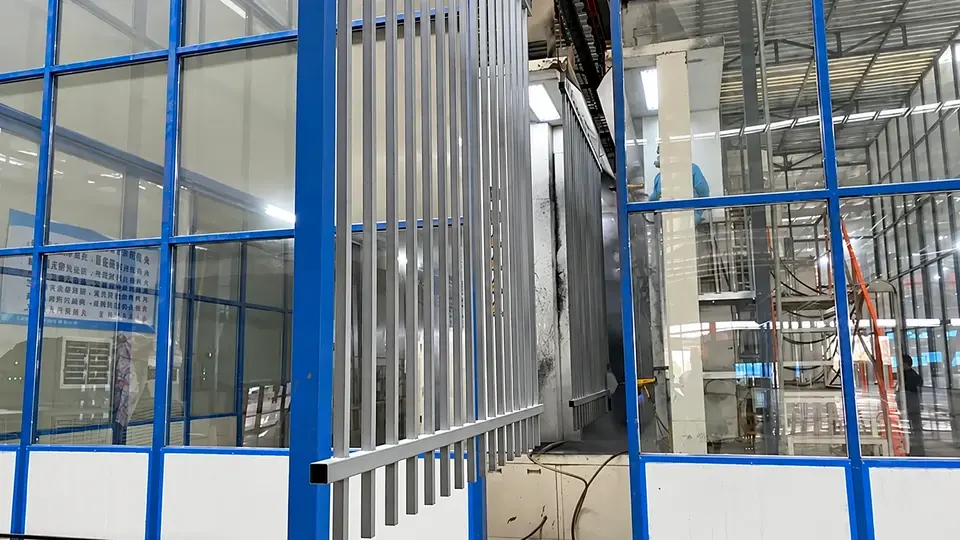
Fence Coating Blisters, Peeling and Rust: Find the Failure Pattern
Map coating defects, distinguish surface deposits from coating failure, and decide between local repair and wider investigation using measured examples.
 Repairs & costs
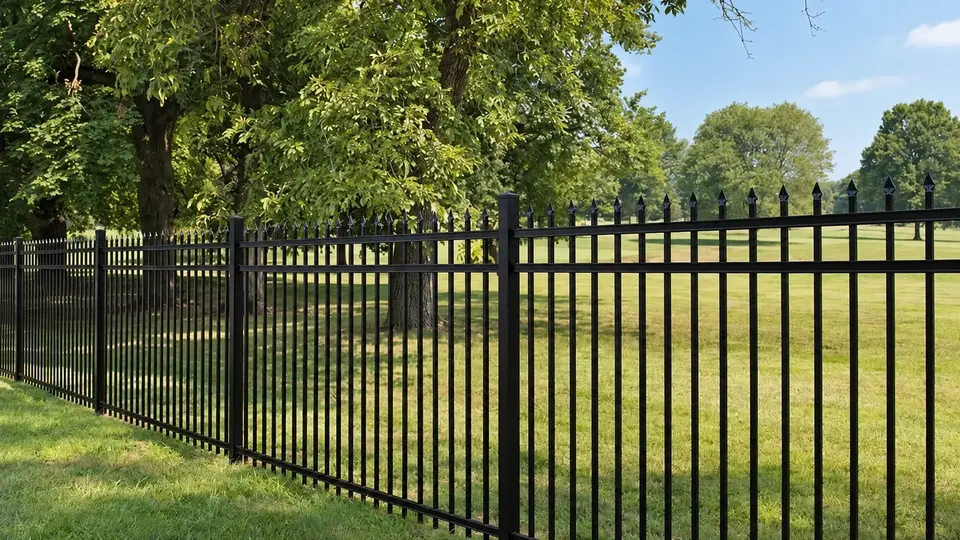
Clean and Touch Up Powder-Coated Fences: A Practical Workflow
Clean coated fences, classify damage and organise compatible touch-up work. Distinguish surface dirt, coating damage and component defects in an inspection record.
 Repairs & costs
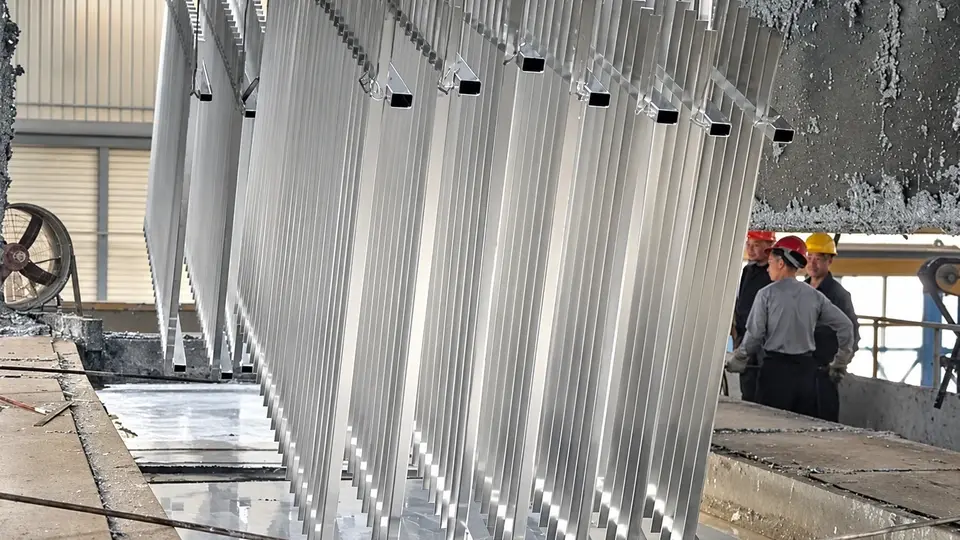
Compare fence coating costs over a defined maintenance period
Calculate coating purchase and maintenance costs with explicit timing, access and repair assumptions, then test whether a small change reverses the decision.
No matching guides
Try another search term or clear the topic filter.
Notes for using these guides
Select a protection route for the exposure
Begin with the manufacturing sequence and material form. The environmental and alloy articles then explain the information needed for a more specific comparison.
Wire coating, galvanising a fabricated article and applying a polymer layer are different processes. Preserve the actual route for each component in a mixed order.
Interpret measurements and appearance
These guides separate adhesion, metallic coating quantity, accelerated corrosion testing and colour review. Each result needs a method, specimen and acceptance basis.
An average can conceal a local failure where the specification requires individual readings. A total layer reading may also differ from the thickness of the specific layer you intended to measure.
Repair and compare maintenance costs
Use the location-based guide for welds, cuts and fasteners, the fault guide for visible deterioration, and the cost method when evaluating maintenance assumptions over time.
The materials and finishes reference brings the specification fields together. Pair it with the document-scope guide when a quotation includes test evidence. These resources support a defined decision; they do not replace the project-specific coating proposal or its acceptance requirements.