
Posts & fixings LIBRARY
Find your next guide
Showing 15 of 15 guides
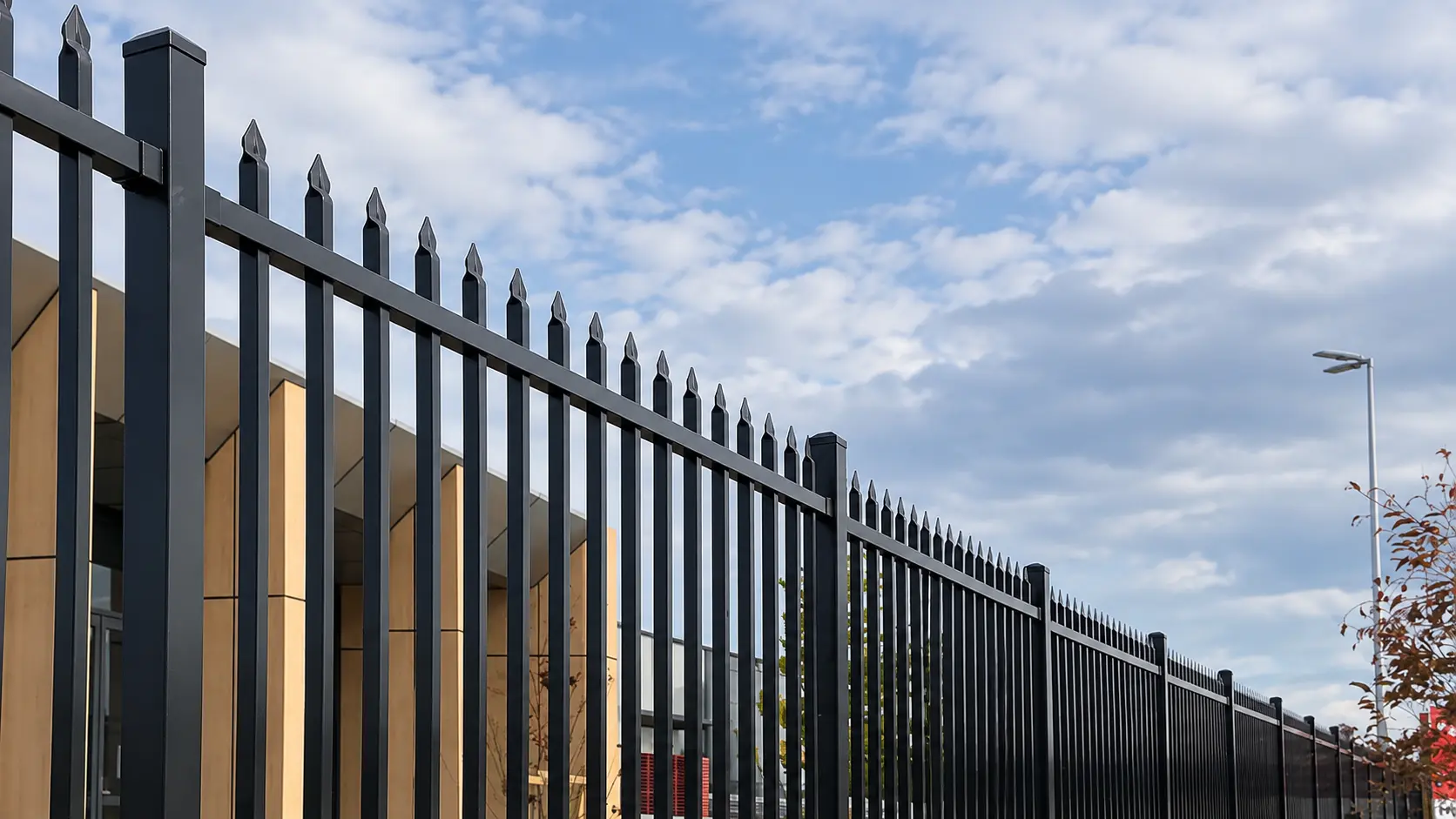 Posts & positioning
Choosing a Fence Post Section
Compare square, rectangular, round and proprietary fence post sections. Understand fixing compatibility, orientation and the information needed for selection.
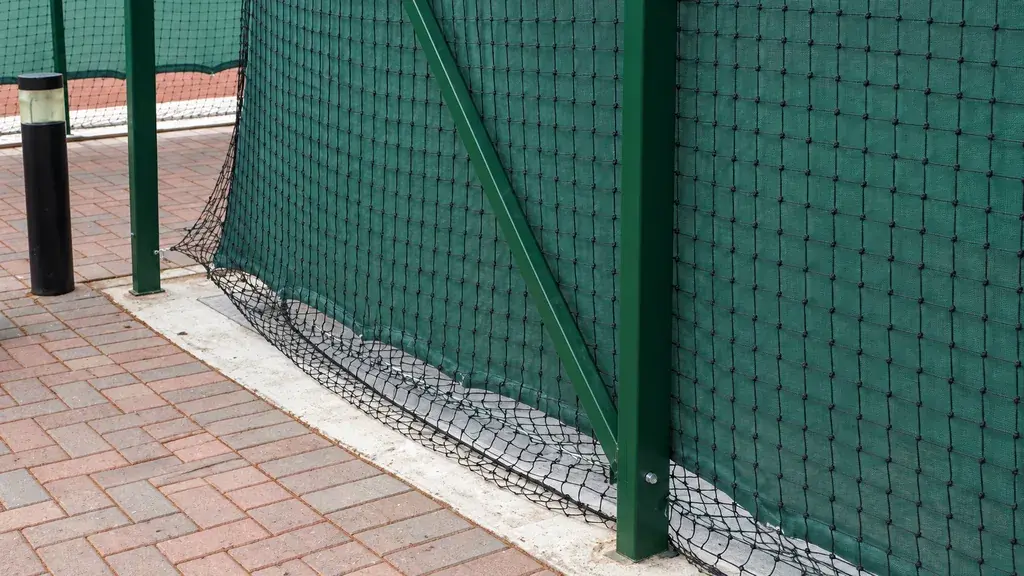 Posts & positioning
In-Ground vs Base-Plated Fence Posts
Compare embedded and base-plated fence posts by foundation interface, installation constraints and replacement. Understand why a slab needs assessment before anchoring.
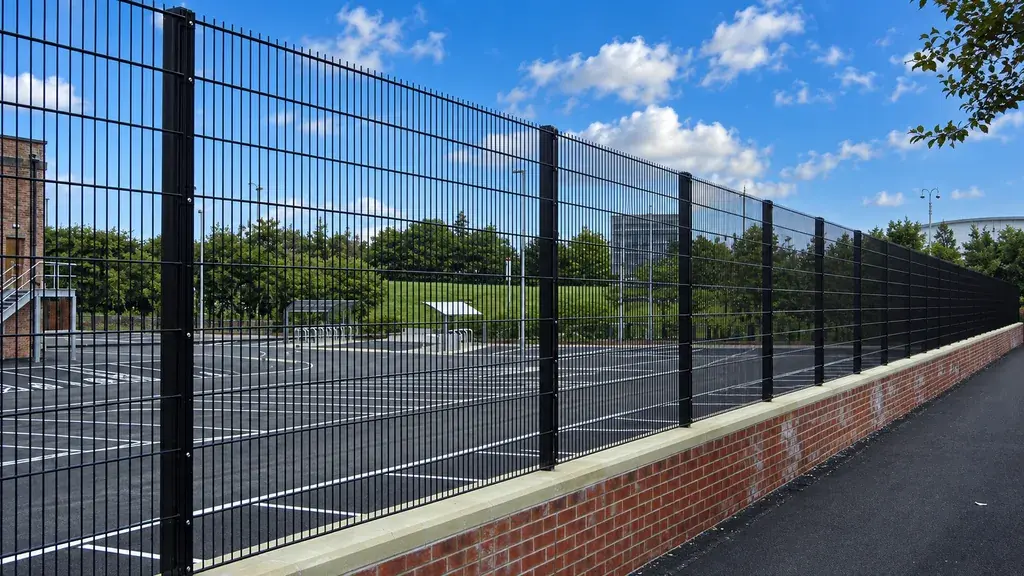 Posts & positioning
Calculate fence post spacing from the connection geometry
Derive post pitch from panel width and connection offsets, calculate open-run post counts, and handle residual bays without inventing installation tolerances.
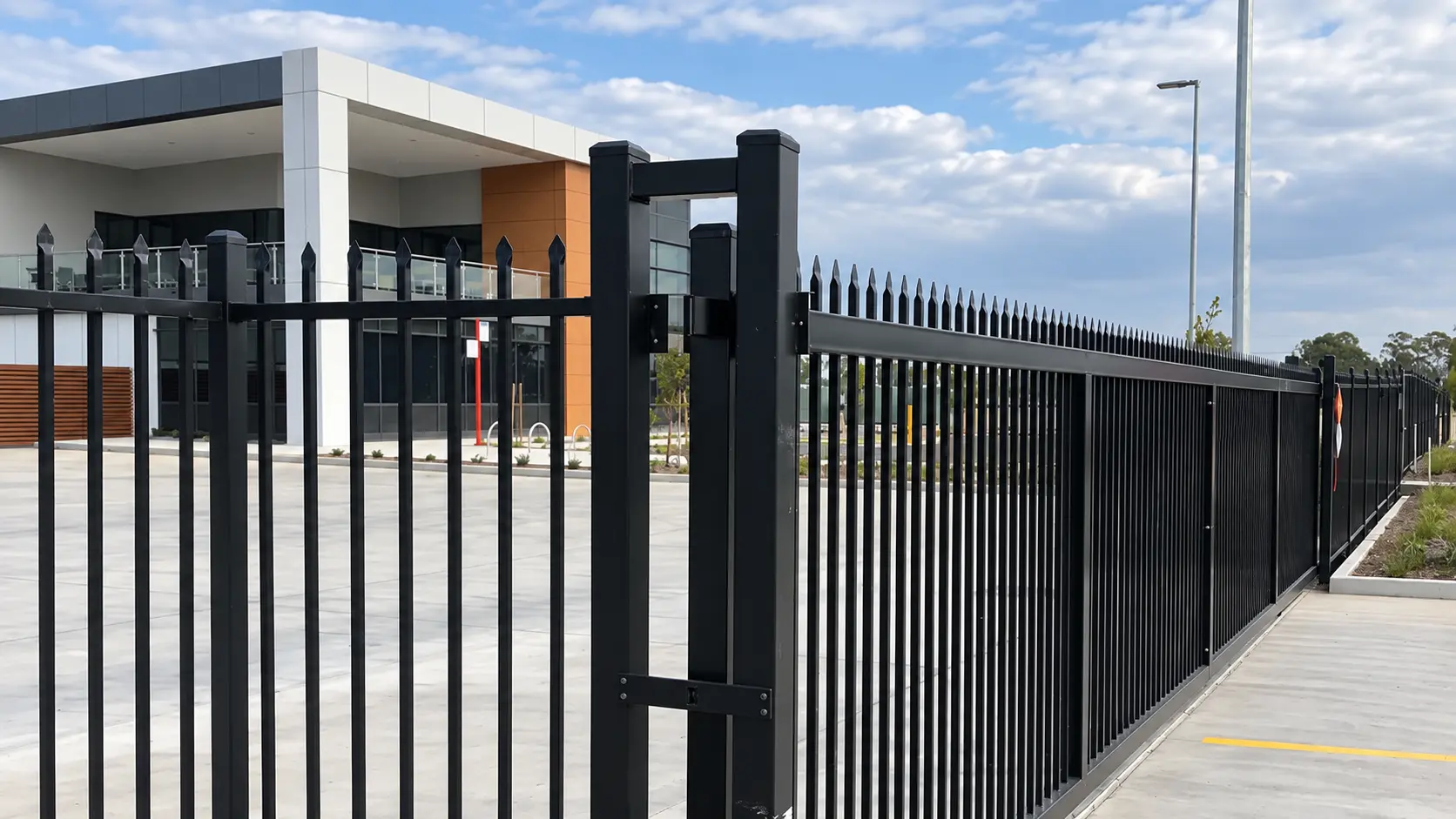 Posts & positioning
End, Corner and Line Fence Posts
Identify fence posts by their position and connection direction. Follow a simple open-run example and avoid double-counting a shared corner or gate opening.
 Posts & positioning
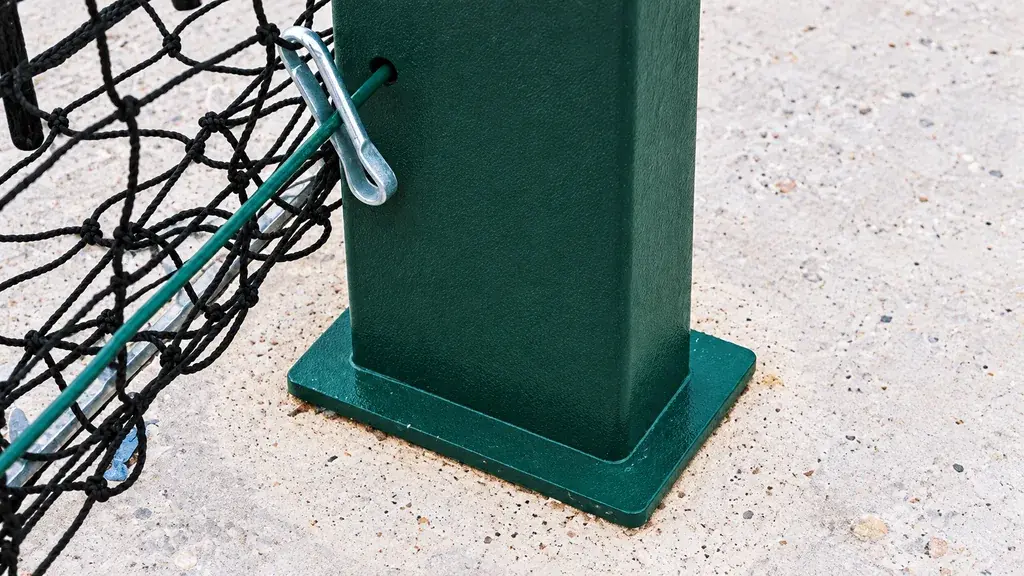
Specify a fence base plate and its anchors as one connection
Identify plate geometry, anchor centres and supporting concrete separately, with a worked edge-distance example and a procurement release checklist.
 Connections
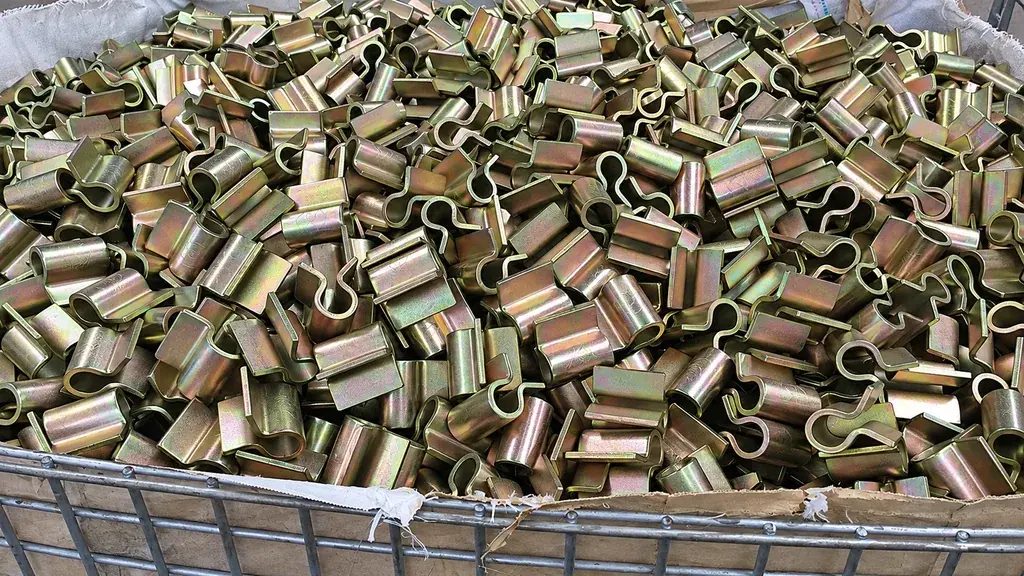
Fence Brackets, Clips and Clamp Bars
Understand face clips, side brackets, clamp bars and tube connectors. Match the panel contact, post profile, fixing stack and fastener access before ordering.
 Connections
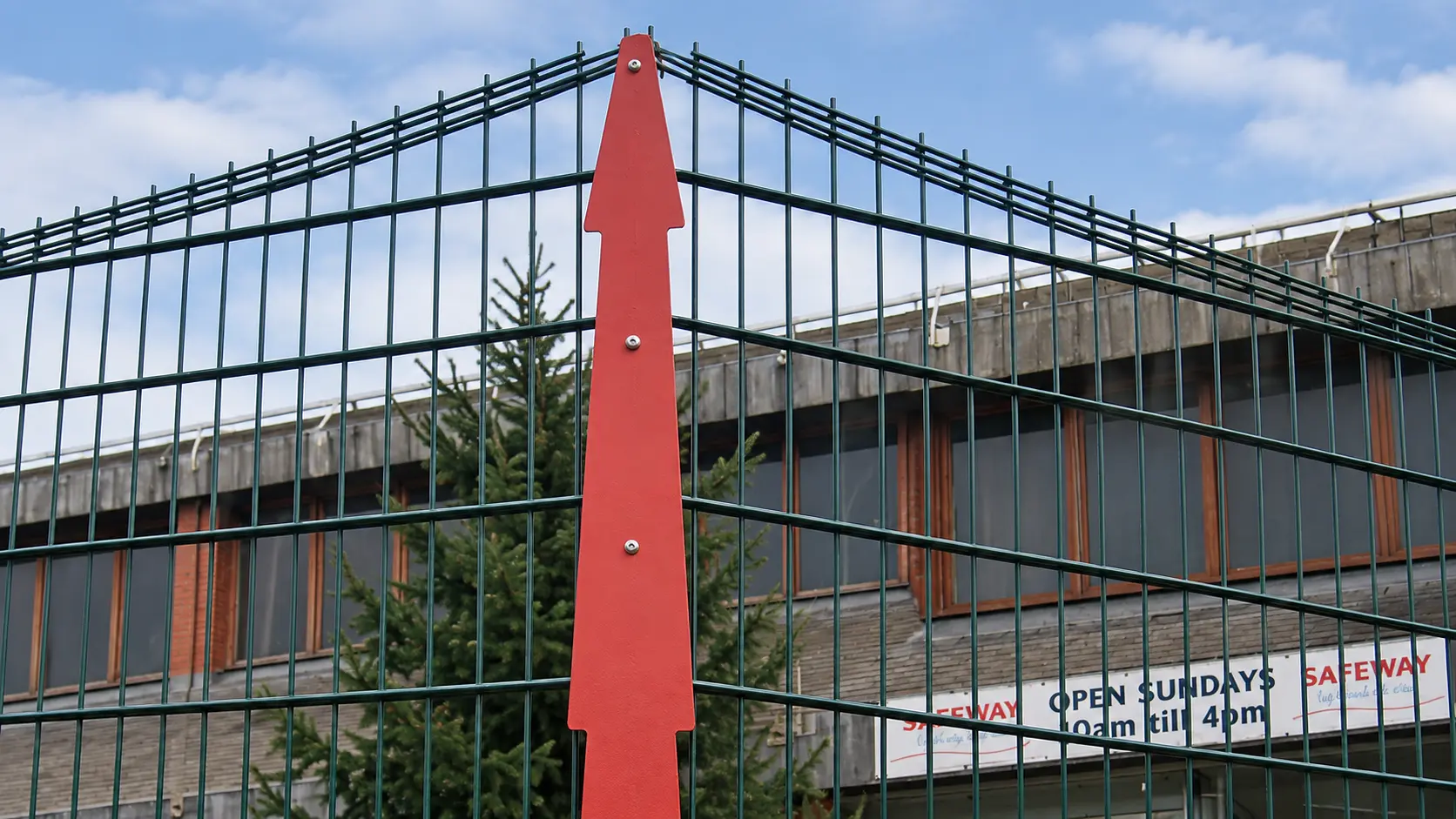
Clamp Bars vs Fence Clips: Compare Contact, Access and Quantity
Compare continuous clamp bars with separate clips using connection sections, a counted 20-panel example and a practical trial-fit procedure.
 Connections
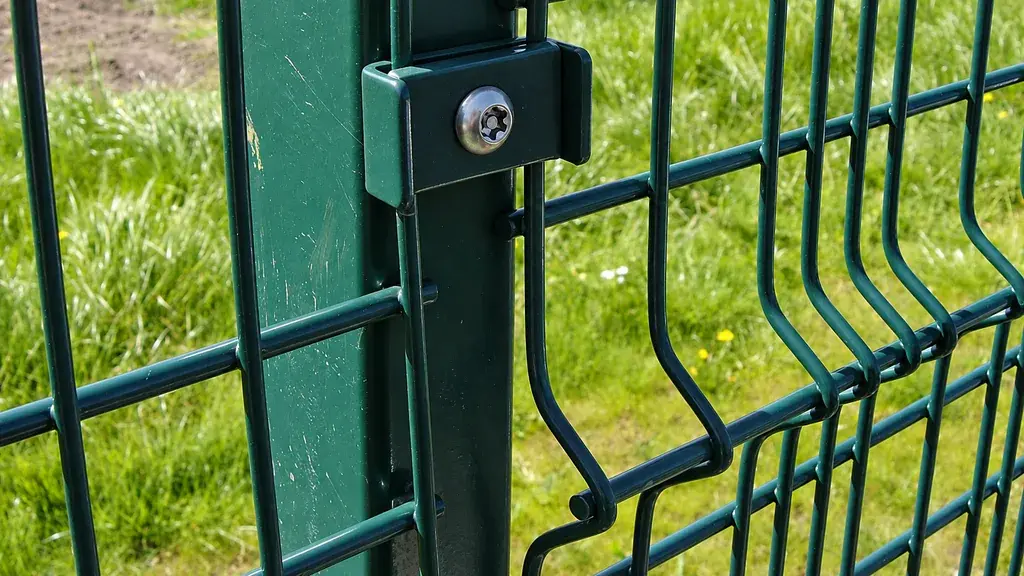
Anti-Tamper Fence Fasteners: Choose, Count and Verify
Select permanent or removable security fasteners, calculate connection quantities and check thread, grip, access and installation records before ordering.
 Connections
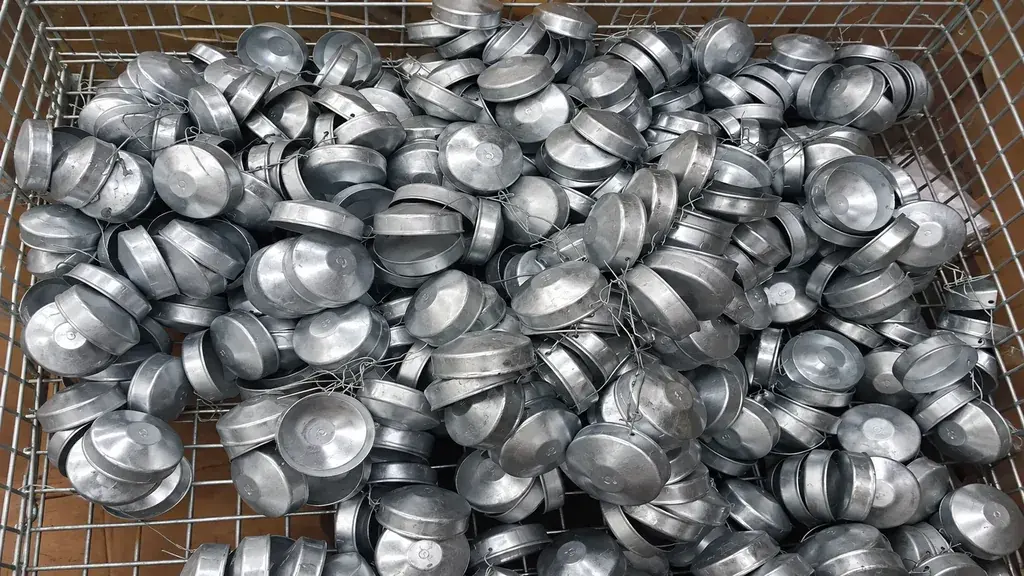
Fence Post Caps: Measure the Opening and Check the Fit
Choose internal and external post caps using outside size, wall thickness and finished opening measurements. Follow calculations and a sample-fit procedure.
 Connections
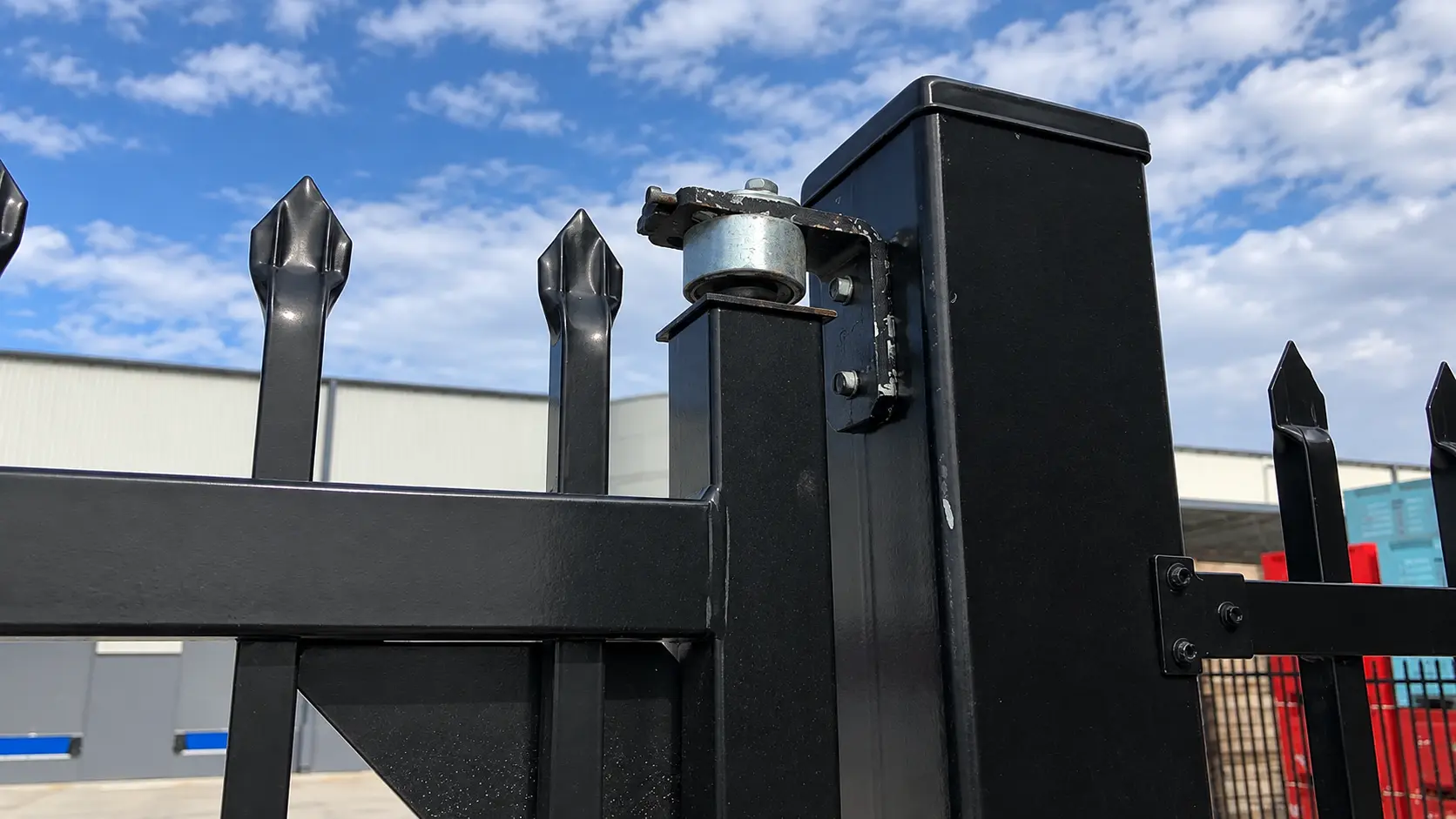
Dissimilar metals in fence connections: find the wet electrical path
Assess galvanic corrosion at mixed-metal fence joints, identify electrolyte and area effects, and review isolation without undermining mechanical or bonding duties.
 Quantities
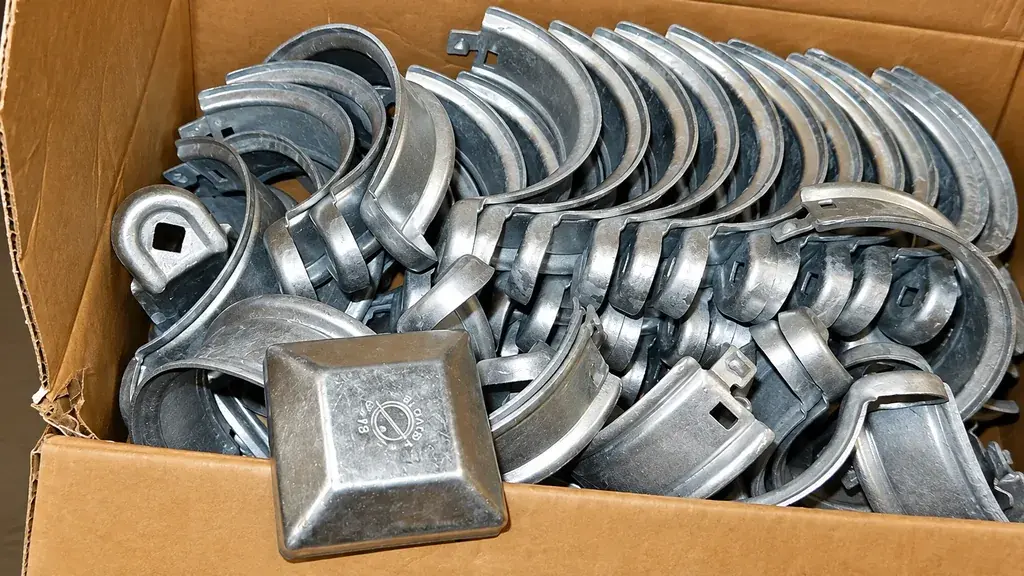
How to Build a Fence Accessories BOM
Build a fence fittings list from panel edges and node details. Work through an example counting clamps, bolts, nuts, washers and caps without double-counting.
 Quantities
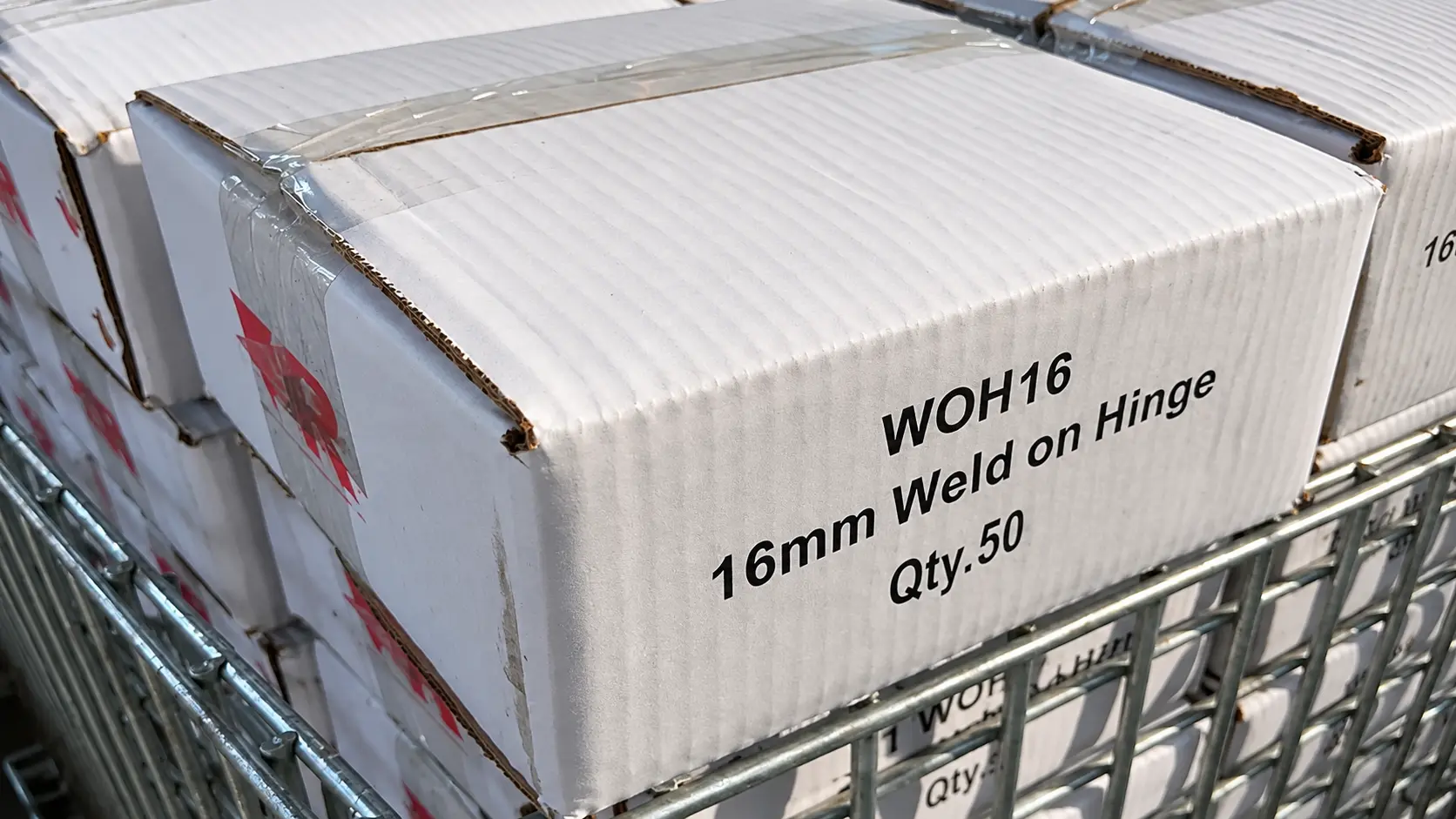
Prevent Missing Fence Parts: From BOM to Site Issue
Prevent installation shortages with assembly-based counts, labelled area kits, packing reconciliation and a worked example separating spares from missing parts.
 Topping interfaces
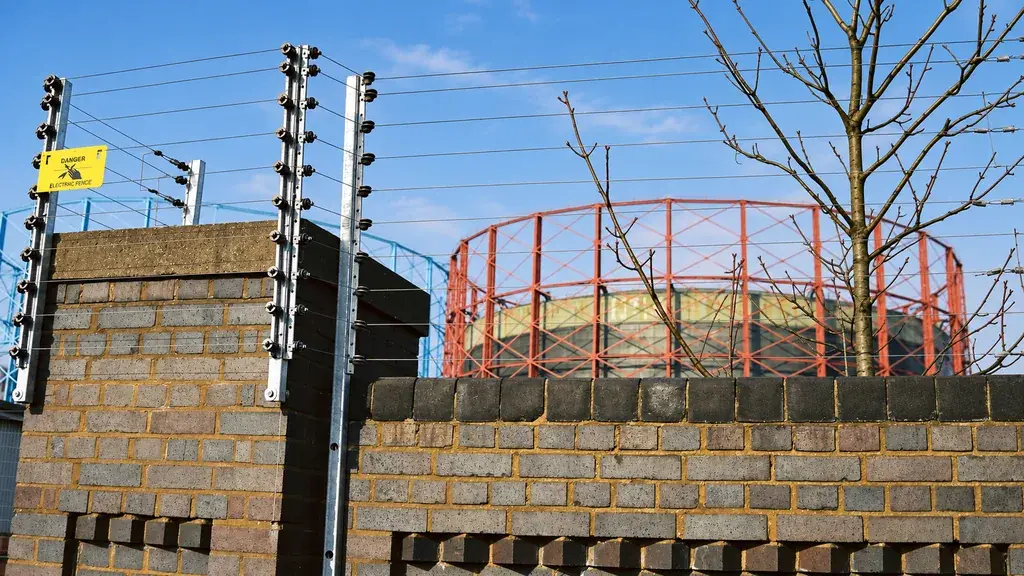
Fence extension arms: dimension the projection and connection
Specify topping-arm geometry, handedness and post interfaces using a projection calculation, then coordinate gates and maintenance access.
 Topping interfaces
Barbed wire or razor wire: compare the supplied form
Distinguish barbed wire and razor tape, compare roll length with installed coverage, and define topping procurement without unsupported security claims.
 Topping interfaces
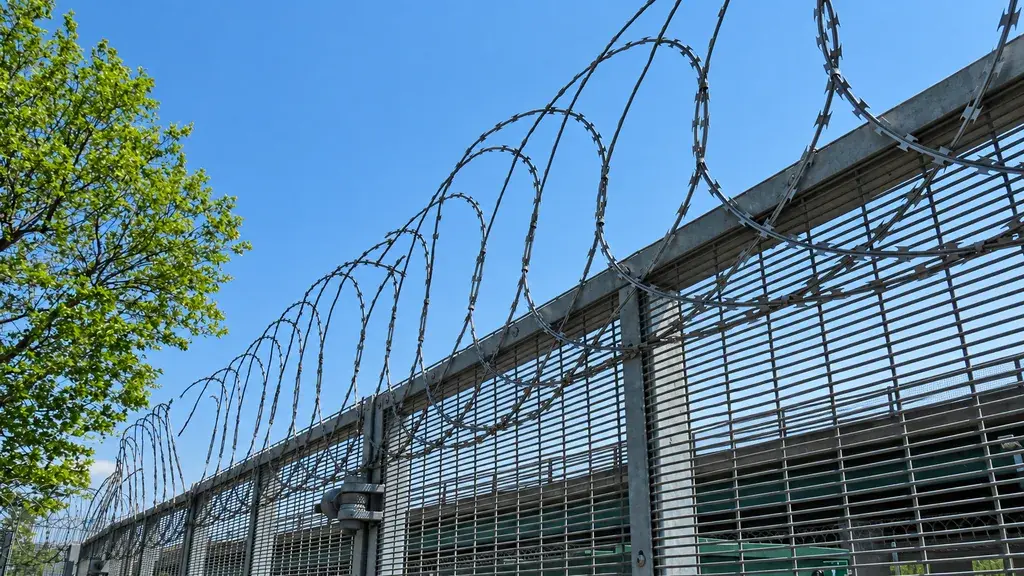
Concertina or flat-wrap razor wire: compare coverage and envelope
Compare concertina and flat-wrap topping arrangements by installed coverage, spatial envelope, support interfaces and replacement identification.
No matching guides
Try another search term or clear the topic filter.
Notes for using these guides
Identify the support and its position
Start with post duty and mounting arrangement, then use the pitch calculation for the actual panel connection. Gate posts, corners and terminals should retain their own references in the take-off.
A spacing calculation does not establish structural capacity. Keep the approved post, foundation and anchor design attached to the geometry being purchased.
Compare the connection detail
The articles below distinguish local clamps, continuous bars, fasteners and caps. The mixed-metal guide adds the wet-contact and material questions that a dimensions-only review can miss.
Check the adjoining components together. An internal post cap depends on wall thickness, while a plate fixing depends on both the steel detail and the supporting structure.
Turn the detail into quantities
Use these methods to define what one fixing set contains and to separate installed quantities from agreed spares. Packing references should follow the same component list.
Visit posts and fixing components for product information. Where a connection needs a drawing, use the drawing request guide to identify the measurement datum, component references and revision. Clear geometry and a complete bill of materials make later replacement easier as well as improving the first delivery.
Extension arms and topping interfaces
Dimension the projection and support first, then compare the supplied form and coverage of the topping. Keep the site assessment attached to the actual arrangement.